
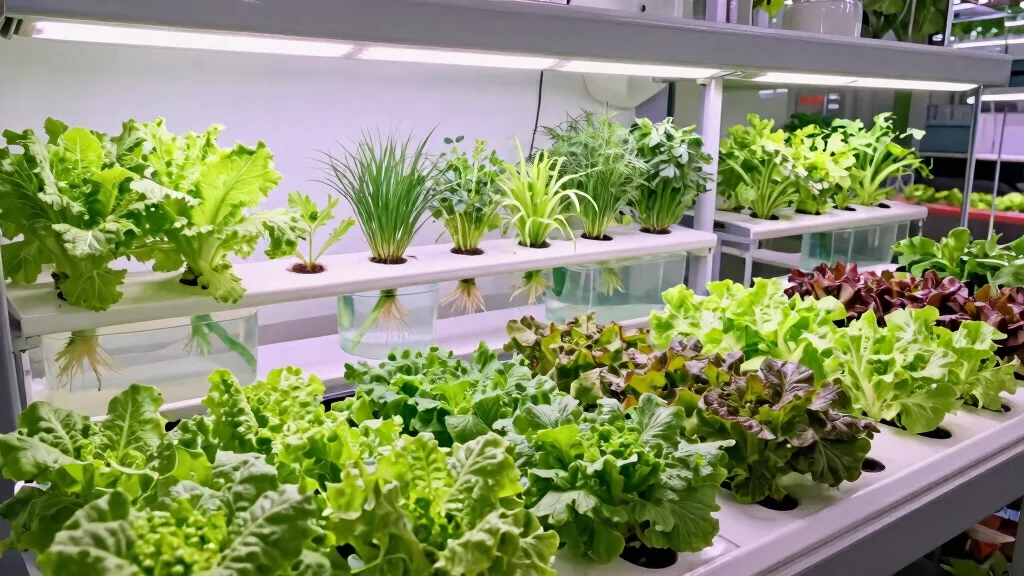
Indoor gardening has become increasingly popular, especially for those who want to enjoy fresh vegetables year-round. If you’ve been bitten by the green thumb bug, you’re probably eager to learn how to create the ideal environment for your plants. That’s where a well-planned hydroponic grow light schedule comes into play. I made this post to share tips that can help you maximize growth and yield, so your indoor garden flourishes like never before.
This guide is tailored for indoor gardening enthusiasts and anyone interested in hydroponic systems. Whether you’re just starting or looking to refine your technique, you’ll find valuable insights here. You’ll learn how to set the right light duration, understand plant growth cycles, and more. These tips are designed to elevate your gardening experience, resulting in lush, thriving plants that you’ll be proud to show off.
By diving into these tips, you’ll gain practical knowledge that you can implement right away. From optimizing light duration to experimenting with light spectrum, each suggestion will help you create the perfect balance for your plants. You’ll walk away with actionable strategies that not only support healthy plant growth but also significantly increase your yield. Let’s get those plants growing strong!
Key Takeaways
– A solid understanding of your plants’ growth cycles is essential for effective light scheduling. Different plants have unique light needs during their various growth stages.
– Optimizing light duration can lead to healthier plants. Generally, most indoor plants thrive with about 12-16 hours of light per day.
– Selecting the right grow light spectrum is important. Different colors of light affect plant growth in various ways, so knowing which spectrum to use at different growth stages can boost your results.
– Consistency in light schedules plays a big role in plant health. Regular light periods help plants develop stronger structures and better yields.
– Environmental factors like temperature and humidity should not be overlooked. They can influence how effectively your plants utilize light, so keeping them in check is key to success.
Recommended Products

LIGHT COVERAGE: Recommended for 2x2 ft tents; also fits 2x3 ft tents; use a larger model for deeper penetration, even in small tents; about 4x4 ft coverage for supplemental lighting without a tent when hung 6 ft above the floor; coverage depends on height and plant needs
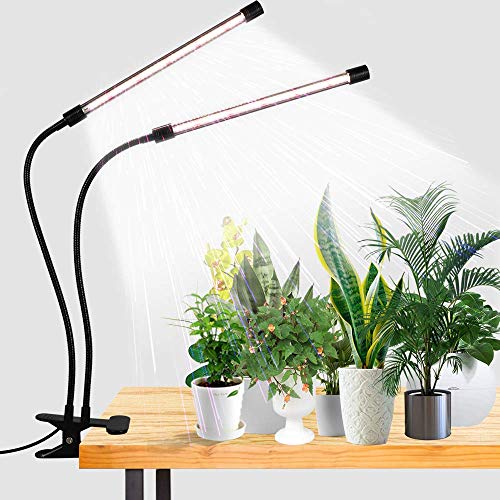
6000K White Light - equipped with 10 Red + 74 White LEDs, this growing Lamp is similar to the full-spectrum sunlight at noon,that is professionally designed for indoor garden plants.Moreover, its color rendering index is as high as 95, the light is soft and flicker-free, which is very suitable for reading lamp

NEW DIODE LAYOUT & LOWER RUNNING COST: VIPARSPECTRA upgraded P1000 grow light adopts a more scientific diode distribution and a high-safety performance LED driver, providing high PAR output, high energy efficiency and stronger light output. The quality components give the P1000 grow lights for indoor plants seed starting veg flowering an incredible performance, achieving greater yield while saving you on energy costs!
1. Understand Your Plants’ Growth Cycles
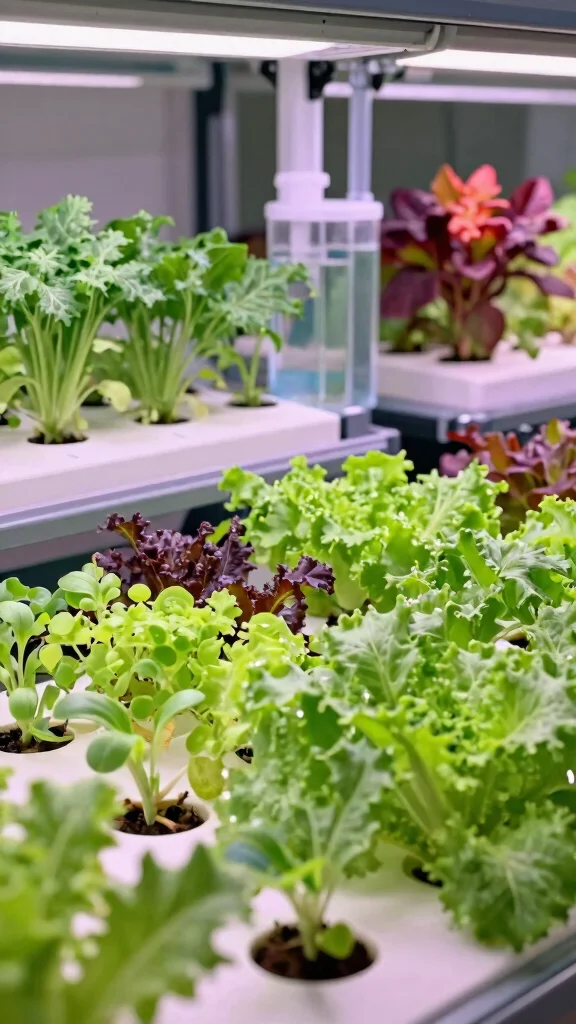
Are you ready to unlock the potential of your hydroponic garden? Understanding the growth cycles of your plants is the first step. Each vegetable has its own light needs at different stages, so you’ll want to pay attention. Leafy greens like lettuce prefer shorter light periods, while fruiting plants such as tomatoes thrive with more exposure to light for maximum yield.
Research the specific light requirements for each type of crop.
Identify the three main growth stages: germination, vegetative, and flowering.
Adjust your light schedule according to seasonal changes, as natural sunlight can influence growth too.
By mastering these growth cycles, you can create a tailored light schedule that enhances plant health and boosts productivity. Keeping a journal of your plants’ responses to various light durations will guide you in making necessary adjustments.
❝ Fun fact: leafy greens often thrive on shorter light periods, while tomatoes demand longer days. Build a practical hydroponic grow light schedule and track each crop’s growth stage to unlock steady yield. ❞
Recommended Products

✓ NO LOOSE PARTS: Unlike classic timers with removable pins, BN-LINK 3 prong plug in timers for electrical outlets features an easy to use, built-in pin dial that allows you to set your outlet timer indoor by pressing the toggle pins down for ON, or keeping them up for OFF.

【Full Spectrum】Same as natural sunlight. It has been proven to promote photosynthesis and indoor plant growth, so you don't have to worry that houseplants can't grow healthily without sunlight.

Upgrade Timer and 3 Switch Mode: This plant grow light can be set up turn off after 6H, 12H, 16H, then it could auto turn on and off at the same time the next day. It also have 3 switch modes, AB light on, CD light on, ABCD light on.
Understand Your Plants’ Growth Cycles
Editor’s Choice

Fosmon Digital Timer for Electrical Outlets, Indoor 24 Hour Light Timer …


GooingTop LED Grow Light,6000K Full Spectrum Clip Plant Growing Lamp wit…
2. Optimize Light Duration
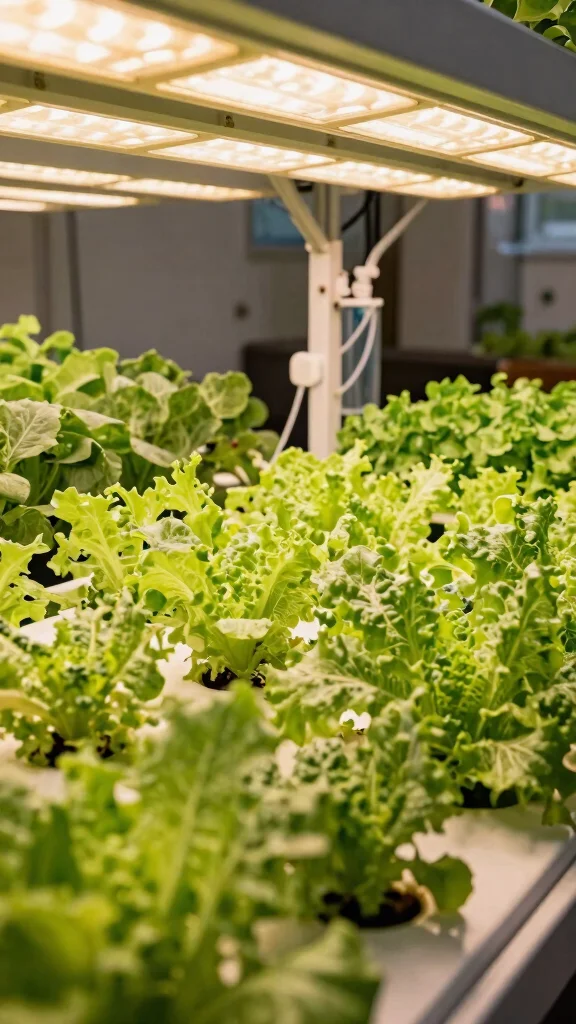
Struggling to find the right light duration for your indoor plants? It’s a balancing act that can greatly affect their health and yield. Most hydroponic plants thrive on about 12-16 hours of light daily, but this can change depending on the type and growth phase. Don’t forget to include a dark period of 8-12 hours to allow your plants to rest and process.
Set timers to ensure your light schedule is consistent.
Keep an eye on how your plants respond to light adjustments.
Experiment with small changes in light duration to discover what works best for each plant.
With time, you’ll learn how different plants react to various light durations, allowing you to create a customized schedule that promotes vigorous growth and maximizes your yield.
Recommended Products

Sunlight Spectrum: Equipped with 6000 K white 3000 K warm white and 660 nm deep red, This plant grow light is similar to the sunlight at noon. Very suitable for indoor garden plants. Unique design, no dizzy light, no flicker when the only white light on.


Tunable Full Spectrum: Easily switch spectra with the built-in slider to match plant needs, with 5000K + Red (660nm) to boost fruiting in vegetables, or 5000K + Purple (440nm) to enhance color and keep succulents compact; This grow light delivers balanced, sun-like illumination for every growth stages
📹 Related Video: How Long Should Your Grow Lights Be ON Each Day For Best Results
Optimize Light Duration
Editor’s Choice

Light Meter Digital Illuminance Meter Handheld Ambient Temperature Measu…

LBW Grow Lights for Indoor Plants Full Spectrum with Stand,214 LEDs Stan…

BN-LINK BND-60/U47 Indoor Mini 24-Hour Mechanical Outlet Timer, 3-Prong,…
3. Choose the Right Grow Light Spectrum
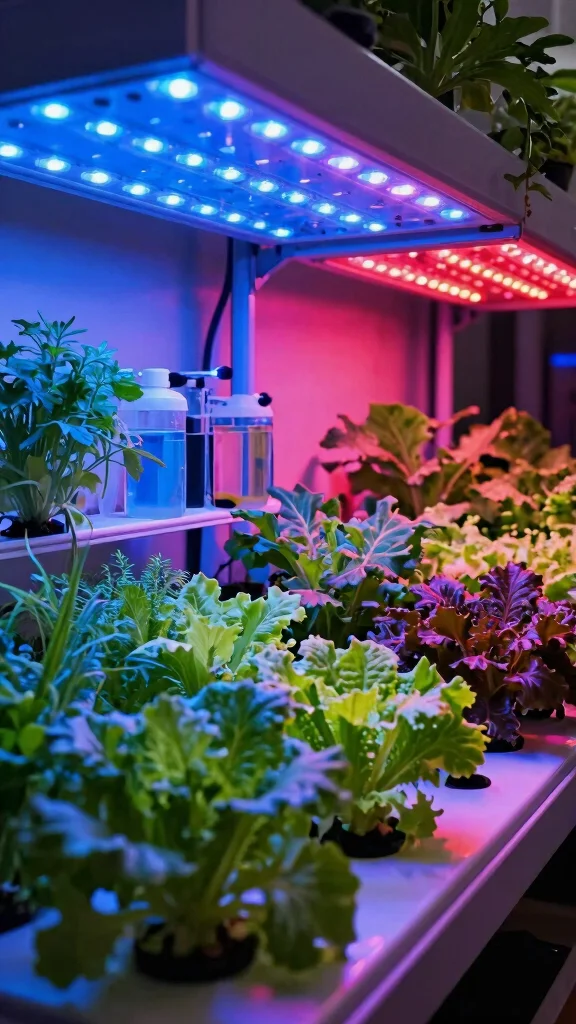
Are you using the right light spectrum for your hydroponic setup? The spectrum of light can significantly influence how your plants grow and develop. A mix of red and blue light is ideal, with blue light supporting strong leaf growth during the vegetative stage, and red light encouraging fruit production during flowering.
Opt for full-spectrum LED grow lights that mimic natural sunlight.
Adjust the balance of blue and red light according to the plant’s growth stage.
Observe plant responses to different light spectrums to refine your setup.
By customizing the light spectrum to fit your plants’ needs, you set the stage for optimal growth and enhanced yields.
Fun fact: a hydroponic grow light schedule that favors blue light during vegetative growth and red light during flowering can boost yields by 15–25%. Use a full-spectrum LED, then adjust the balance as your plants mature. It’s simple to monitor and pay off in healthier leaves and fruit.
Recommended Products
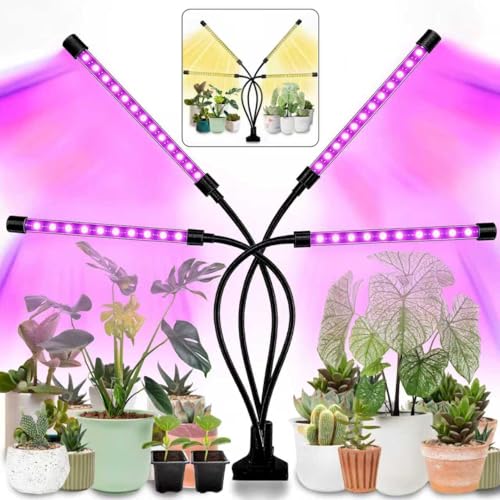
🌻Efficient LED Combination: This LED lamp has grow lights made up of 80 efficient growing LEDs ( 32 red lights, 12 blue lights,20 yellow lights and 16 white lights). It meets the conditions of plant growth without sunlight. 1--Full Spectrum(380nm-800nm): Suitable for all plants to root and sprout. 2--Red(660nm)+BLUE(460nm) Spectrum: for blooming and fruits. 3--Red+Blue+Full Spectrum: A mix of Red+Blue+Warm White is best to fuel the growth of your plants.

4000K DAYLIGHT: Imitate the solar spectrum, customize a more ideal full life cycle full spectrum supplementary light program, covering the entire visible spectrum of 400nm-780nm; Color rendering index Ra is close to 100, infinitely close to natural light, suitable for every cycle of plant growth, effectively promotes plant growth, and improves crop yield and quality

【Upgraded Full Spectrum】Eqqiuped with 5 Red+37 Sunlight White LEDs in each bar, which is similar to the sunlight at noon to meet the needs of various plant growth processes. 6000K LED grow light with high efficiency and high PPFD, providing flicker-free and soft light.
How To Choose The Right Hydroponic Grow Light Schedule
Choosing the right hydroponic grow light schedule is crucial for indoor gardening success. Your plants rely on light to thrive, so getting this aspect right can boost growth and yield. Here are some tips to help you create the best schedule for your indoor hydroponic systems.
1. Understand Your Plants’ Growth Cycles
Different plants have unique light needs during various stages of their growth cycles. Seedlings typically need 16-18 hours of light, while flowering plants may require 12-14 hours. Knowing these cycles helps you tailor your schedule to meet their specific needs, leading to healthier plants and better yields. Research the specific plants you are growing for the most accurate information regarding their light requirements.
2. Optimize Light Duration
The duration of light exposure is as important as the amount of light your plants receive. Too much light can cause stress, while too little can hinder growth. Generally, a cycle of 12-16 hours of light followed by 8-12 hours of darkness works well for most plants. Adjust this according to the specific needs of your plants and observe their reactions to find the sweet spot.
3. Choose the Right Grow Light Spectrum
Different light spectrums affect plant growth differently. For instance, blue light supports vegetative growth, while red light encourages flowering and fruiting. Consider using full-spectrum LED lights, which provide a balanced mix of both. This helps your plants during all growth phases and can increase overall yield. Check your light’s specifications to ensure it covers the required spectrum.
4. Maintain Consistent Light Schedules
Plants thrive on consistency. Try to keep your light schedule the same every day. Fluctuations can stress your plants and affect their growth. Use timers to automate your lights, ensuring they turn on and off at the same time each day. This consistency helps mimic natural sunlight patterns, promoting healthy growth cycles.
5. Consider Temperature and Humidity Levels
Lighting can affect the temperature and humidity in your grow area. If your lights are too close to the plants, they can cause heat buildup, which may stress your plants. Monitor temperature and humidity closely, and adjust your light height or duration as needed. Keeping these factors in check will create a healthy growing environment.
6. Use Reflective Surfaces
Adding reflective surfaces in your grow area can help distribute light more evenly. Materials like Mylar or white paint can bounce light back to your plants, maximizing its effectiveness. This setup can reduce the amount of light you need while ensuring that all your plants receive adequate illumination.
Pro Tip: Regularly check your plants for signs of light stress, such as yellowing leaves or stunted growth. Adjust your schedule accordingly to keep them healthy and thriving.
Setting the right hydroponic grow light schedule may take some time and adjustment, but it can significantly enhance your indoor gardening experience. Keep these tips in mind, and you’ll be well on your way to maximizing growth and yield in your hydroponic systems.
Recommended Products

Kindly NOTE: This soil tester can not be applied to test pH value of any other liquid. If the soil is too dry the indicator will not move, and water it before testing.

Trusted Since 2015: Become one of the many plant lovers who rely on the proven accuracy of XLUX. Established in 2015, our soil moisture meter has earned over 60,000+ verified ratings for its consistent performance. While many many newer brands come and go, we provide the long-term reliability and quality that American households have trusted for over a decade.
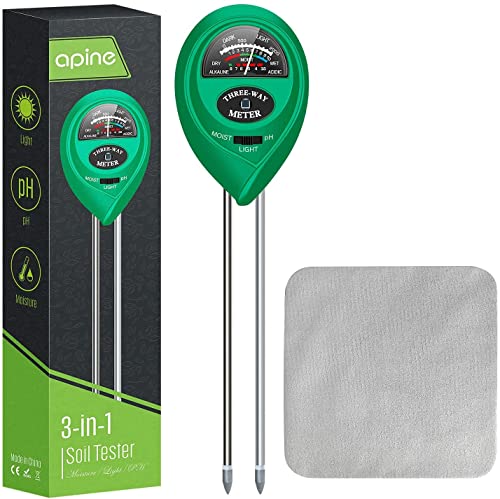
One-Click Three Tests: You only need to put the soil pH test kit probe into the soil about 2 to 4 inches and switch soil moisture,pH value, and light intensity with one key, the three kinds of data are read immediately plug and play
Choose the Right Grow Light Spectrum
Editor’s Choice
GooingTop LED Grow Light,6000K Full Spectrum Clip Plant Growing Lamp wit…
GooingTop LED Grow Light,6000K Full Spectrum Clip Plant Growing Lamp wit…
4. Maintain Consistent Light Schedules
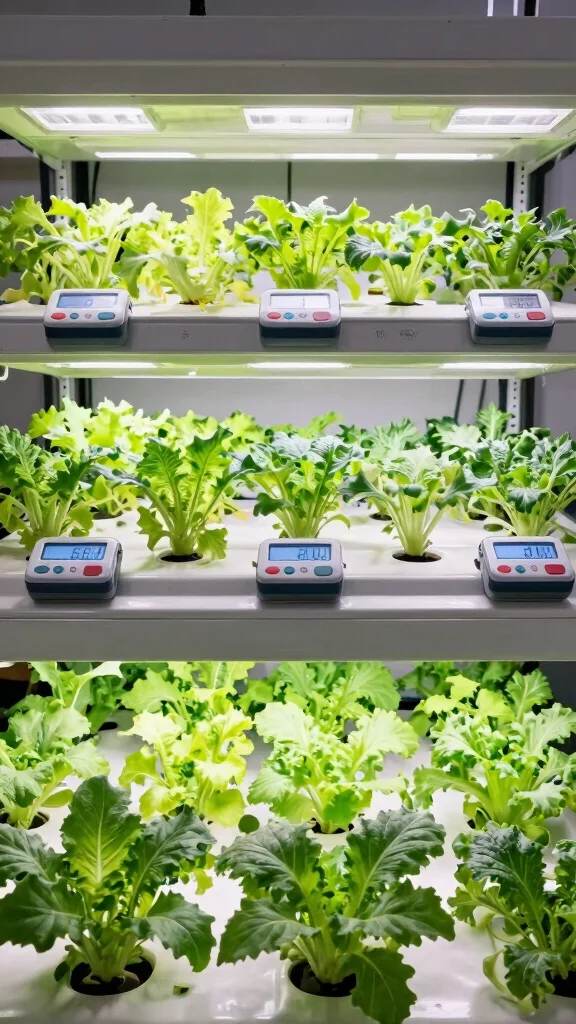
Do you want your plants to thrive? Consistency in your grow light schedule is essential. Irregular lighting can stress your plants and hinder growth. Establishing a predictable routine helps them acclimate, promoting stronger development.
Use timers to maintain a regular light schedule.
Make gradual adjustments to avoid shocking your plants.
Track how your plants respond to changes to ensure they adapt well.
A reliable light routine reduces stress on your plants, allowing them to flourish in a well-regulated environment and optimizing their growth potential.
Did you know a consistent hydroponic grow light schedule can slash plant stress by up to 40% and boost indoor yields by 15–25%? The trick is simple: set timers, avoid sudden changes, and monitor responses to fine-tune your routine.
Recommended Products

[16'' Full Spectrum Grow Strip Lights]- Equipped with 360pcs high efficiency LED didoes, includes Warm White LEDs,Cool White LEDs and 660nm Red LEDs. 6 Bars Grow Light Strips emit from 380 to 800nm wavelength to simulate the sunlight at noon. They provide enough lights to maximize photosynthesis. It is bright enough to promote indoor plant growth, shorten the growth period of plants.


5000K White Full Spectrum Light: Barrina T5 grow lights 1ft provide indoor plants with full-spectrum sunlight replacement. We provide the most reasonable grow light wave based on the ratio of the absorption of the plant
Maintain Consistent Light Schedules
Editor’s Choice

BN-LINK Indoor Digital Timer Outlet, Dual Outlet 7 Day Programmable Ligh…
GooingTop LED Grow Light,6000K Full Spectrum Clip Plant Growing Lamp wit…
5. Consider Temperature and Humidity Levels
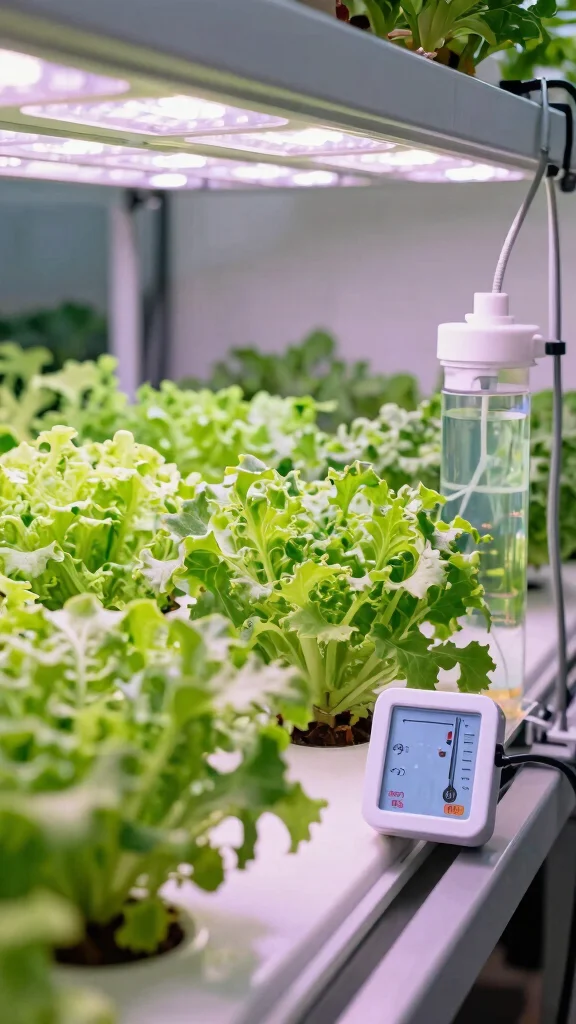
Are your plants feeling the heat? The quality of light isn’t the only factor at play; temperature and humidity are equally important. Grow lights can raise the ambient temperature, which may stress your plants if not monitored.
Keep your plants in optimal temperature ranges, usually between 65°F and 75°F.
Use fans or ventilation to manage the temperature and prevent overheating.
Monitor humidity levels, as they can drop when grow lights are on, possibly requiring additional humidifiers.
By carefully monitoring these environmental factors, you can create the best conditions for your plants to thrive under grow lights, enhancing both growth and yield.
Recommended Products

High planting efficiency: Start an indoor herb garden with the Ahopegarden hydroponic growing system, which includes a water reservoir, an overhead LED grow light, and a circulation system that keeps the water fresh. The hydroponic setup and lighting systems allow plants to grow up to faster and healthier in controlled conditions. Simply add plant seeds, water, and nutrients to the reservoir and watch the plants grow
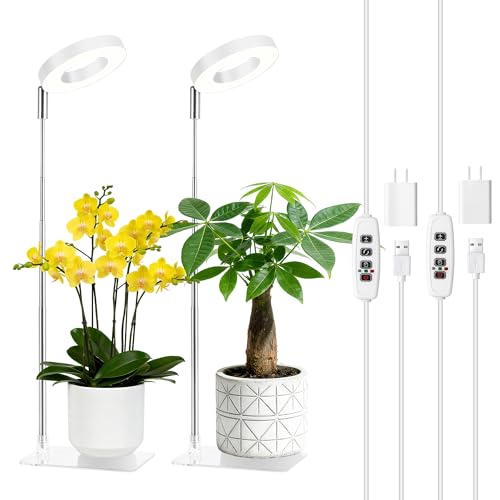
【2 Installation Methods】: The plant light is designed for indoor plants and is equipped with a telescopic rod that can be directly inserted into the soil or equipped with a base on which potted plants can be placed to supplement the light for the plants. It is easy to assemble and disassemble.

The Xtrasun Lt1 lighting controller (XTC1100) Provides dual zone lighting control for use with Xtrasun double-ended fixtures.
Consider Temperature and Humidity Levels
Editor’s Choice

AC Infinity CLOUDLINE PRO S4, Quiet 4” Inline Duct Fan with Speed Cont…

TempPro TP50 Digital Hygrometer Indoor Thermometer Room Thermometer and …

Boveda 62% Two-Way Humidity Control Packs For Storing ½ oz – Size 4 �…
6. Use Reflective Surfaces
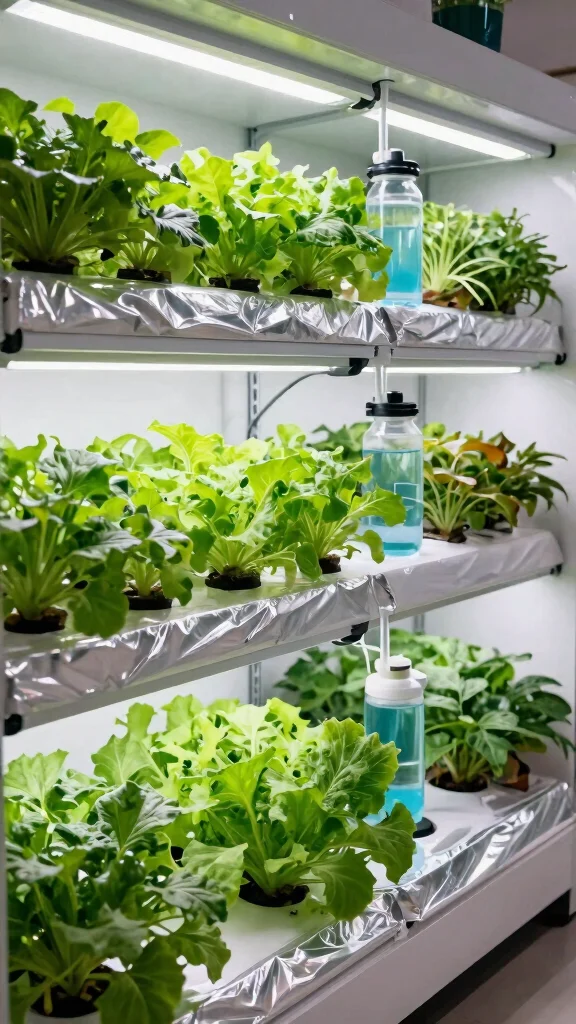
Want to maximize every bit of light for your plants? Utilizing reflective surfaces can significantly improve light distribution in your indoor garden. Materials like Mylar, white paint, or aluminum foil can bounce light back onto your crops, ensuring all plants receive adequate exposure.
Position reflective materials around your grow lights for optimal coverage.
Make sure all plants have access to light without shading each other.
Regularly check the placement of reflective surfaces to maintain effectiveness.
Implementing reflective surfaces can boost your hydroponic setup’s efficiency, ensuring that every plant benefits from the light available.
Recommended Products

Grow Light with Base: Designed for indoor plants, this grow light features a removable base and offers two usage options: using the base or inserting it directly into the soil. With a 2.5-meter-long power cord, this plant light supports a variety of setups—desktop, plant stand, or hanging—allowing for flexible placement anywhere in your home or office

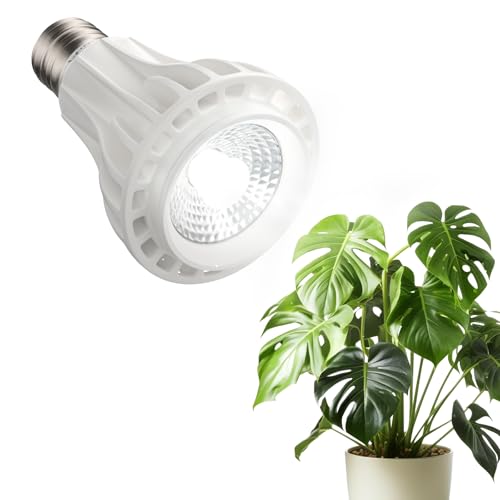
High-Intensity COB Technology: Delivers ultra-high PPFD of 466 μmol/m²/s at 1ft — outperforming many panel lights that spread light out. This focused beam reaches lower leaves and deep into the plant canopy to prevent weak, leggy growth.
Use Reflective Surfaces
Editor’s Choice

Reflective Film, 210 x 120cm Silver Garden Grow Light Reflector for Gree…

VIVOSUN Highly Reflective Mylar Film Roll 4FT x 50FT for Outdoor Grow Ro…
VIVOSUN Highly Reflective Mylar Film Roll 4FT x 25FT for Outdoor Grow Ro…
7. Experiment and Adjust as Needed
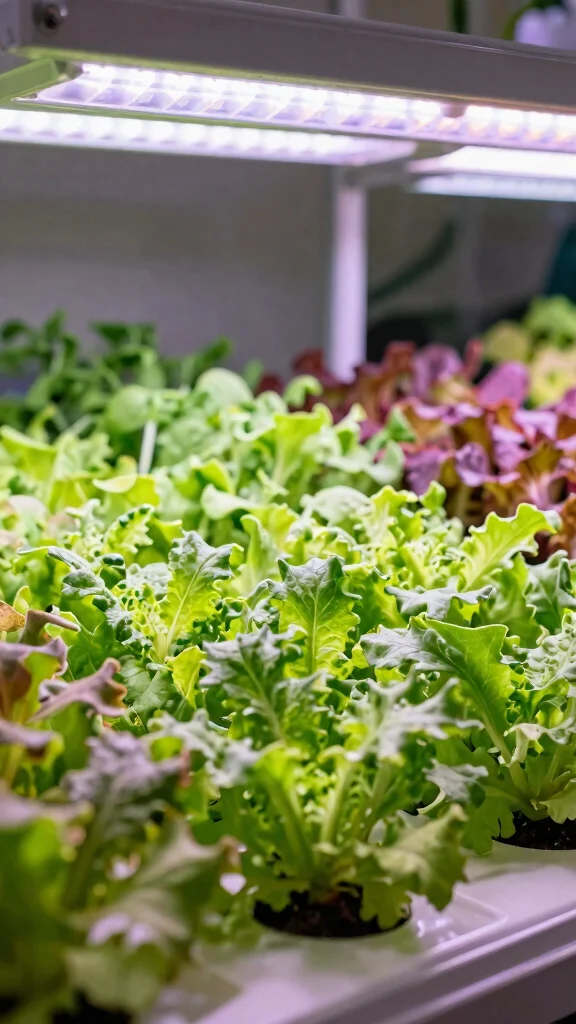
Is your indoor garden feeling a little off? Each garden is unique, influenced by plant types, environmental conditions, and your specific setup. Staying flexible and ready to adjust your grow light schedule based on observation and experimentation is key.
Regularly assess your plants’ health and their responses to light.
Be open to tweaking light duration, intensity, and spectrum as needed.
Document your changes and their effects to guide future adjustments.
This hands-on approach will help you learn alongside your plants, allowing you to develop a customized growing strategy that promotes optimal health and yield.


Experiment and Adjust as Needed
Editor’s Choice
GooingTop LED Grow Light,6000K Full Spectrum Clip Plant Growing Lamp wit…
Light Meter Digital Illuminance Meter Handheld Ambient Temperature Measu…
Conclusion
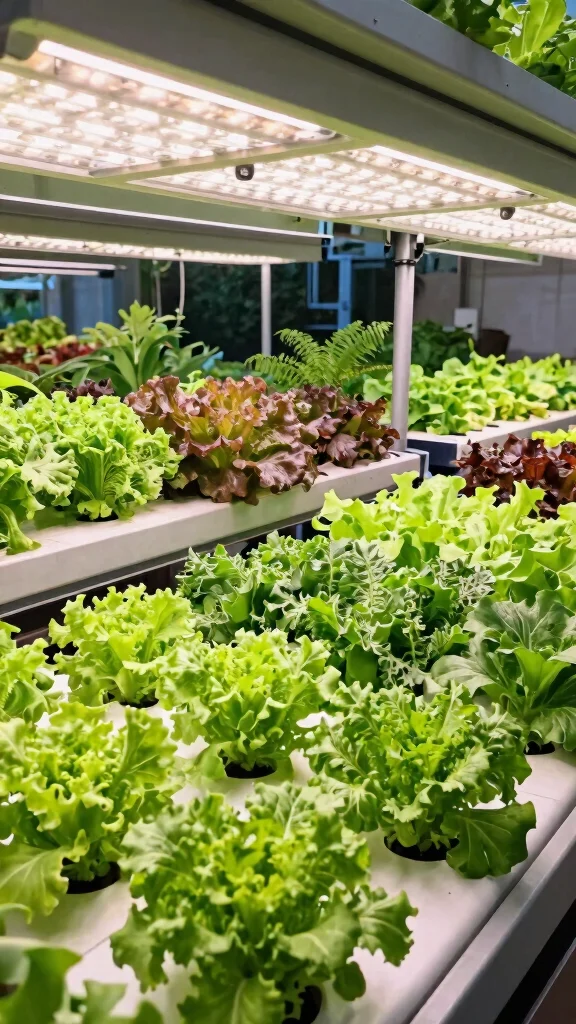
Maximizing growth and yield in your indoor hydroponic garden hinges on understanding and optimizing your hydroponic grow light schedule. With the right light duration, spectrum, and environmental conditions, you can create a thriving green oasis filled with fresh vegetables at your fingertips.
Take the time to observe your plants, tweak your approach, and enjoy the rewarding journey of indoor gardening. Happy growing!
Note: We aim to provide accurate product links, but some may occasionally expire or become unavailable. If this happens, please search directly on Amazon for the product or a suitable alternative.
This post contains Amazon affiliate links, meaning we may earn a small commission if you purchase through our links, at no extra cost to you.
Recommended Products

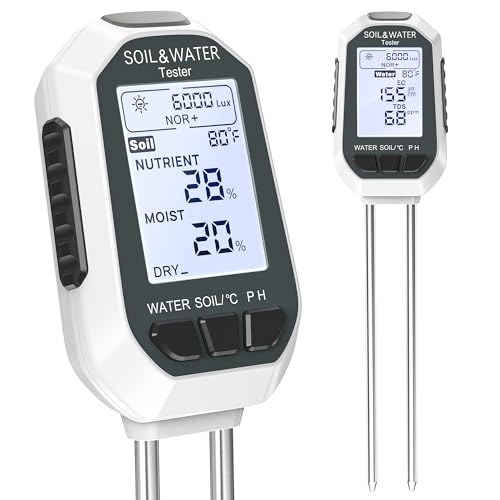
【7-in-1 Features】This is a 7-in-1 multi-function soil tester. Our soil tester quickly measures soil moisture, pH, temperature and light intensity, and its fertility function helps you take better care of your plants. With this device you can measure the soil moisture, pH, temperature and light intensity for your plants and with the EC and TDS functions you will know when it is time to water the soil.

3-in-1 Soil Tester: This meter can test soil moisture, light and pH value; You can switch modes with one button; It makes gardening and plantng more efficient
Frequently Asked Questions
What exactly is a hydroponic grow light schedule and why is it crucial for indoor vegetable gardening?
A hydroponic grow light schedule is a planned routine of when your lights turn on and off to support plant growth. It matters because it aligns with plant growth cycles and helps you achieve yield optimization in indoor gardening. Start with a stable photoperiod (for many vegetables, 16 hours on / 8 hours off is a solid starting point), then tailor as plants mature. Use a reliable timer to keep the schedule steady, observe how your plants respond, and adjust duration or intensity in small steps to speed up growth without stressing them.
Tip: keep a simple log of daily light hours and plant height to see which tweaks move the needle.
How many hours of light should my hydroponic plants get each day during vegetative vs flowering stages?
Most vegetables thrive with longer days during vegetative growth and shorter days during flowering. For vegetative growth and seedlings, aim for roughly 14-18 hours of light per day (seedlings can benefit from up to 20 hours). When plants switch toward flowering or fruiting, many crops respond best to about 12-14 hours per day to simulate the natural shortening of days. Always start with a steady photoperiod using a timer, then fine-tune based on growth vigor and signs of stress.
Pro tip: maintain a consistent night period to support healthy circadian rhythms.
How can I adjust a hydroponic grow light schedule to maximize yield without wasting energy?
Start with a sensible baseline (e.g., 16 hours on, 8 off) and equip lights with dimming or different intensities. Use a timer and a light meter to target an appropriate daily light integral (DLI). Keep lights at the right distance to deliver adequate PPFD without overheating leaves. Ramp lights up and down gradually instead of abrupt changes, and adjust the schedule as growth stages shift. Consider pairing a longer day with higher CO2 or slightly warmer daytime temperatures to push yield—but monitor plants for signs of heat stress.
Shield energy waste by scheduling chores or tasks during the lights-on period, and ensure blackout nights are truly dark.
What are the most common mistakes when setting a hydroponic grow light schedule, and how can I prevent them?
Common mistakes include: 1) No timer or inconsistent hours; 2) Under- or over-lighting, especially for taller crops; 3) Ignoring growth stages and spectra; 4) Skipping proper blackout periods, which confuse plant circadian rhythms; 5) Uneven light coverage causing shade zones; 6) Not adjusting for heat and nutrient needs. To fix them: use a dependable timer; choose stage-appropriate photoperiods and light intensity; ensure uniform coverage with multiple fixtures; set a true dark period; monitor plant response and tweak as needed; and align light duration with nutrient and temperature management for optimal yield optimization.
How does light duration interact with nutrients, CO2, and temperature in hydroponic systems for better yield?
Light duration doesn’t work alone—it interacts with nutrients, CO2, and temperature. Longer day lengths can support faster photosynthesis, but only if CO2 is sufficient and temperatures stay within the ideal range for your crop. In practice, you can raise CO2 slightly when you extend the photoperiod, keep daytime temps around 24-28°C and night temps cooler, and maintain steady nutrient supply with appropriate EC and pH. Balance these factors and adjust the grow light schedule to avoid heat stress or nutrient imbalances. This integrated approach tends to improve yield optimization in hydroponic systems.
Related Topics
hydroponic lighting
indoor gardening
plant growth cycles
yield optimization
light duration
beginner friendly
advanced techniques
hydroponic systems
growing vegetables
sustainable gardening
indoor plants
growth tips