
Growing your own food can be one of the most rewarding experiences. There’s something special about watching seeds sprout, knowing that you nurtured them to life. If you’re looking to dive into vegetable gardening but feel overwhelmed, you’re not alone. Many aspiring gardeners wish to cultivate a thriving edible garden, especially when it comes to heirloom bean seeds, which are not only delicious but also versatile for various cooking styles. This post is designed to guide you through the essentials of growing bean seeds in urban container gardens.
If you’re someone passionate about gardening or simply someone who loves fresh, homegrown produce, this guide is for you. Whether you’re a beginner or have some experience, you’ll find practical tips tailored to your gardening needs. From choosing the right heirloom bean seeds to mastering the art of watering and supporting your plants, I’ve compiled seven essential tips. These tips will help you cultivate a productive garden filled with vibrant beans that can enrich your meals and your life.
Get ready to dig in! By implementing these strategies, you’ll not only enjoy the thrill of growing your own food but also learn about organic gardening techniques, soil preparation, and how to make the most of your urban space. Let’s explore how to turn your container garden dreams into reality with the magic of bean seeds!
Key Takeaways
– Choosing the Right Heirloom Bean Seeds: Selecting seed varieties that suit your taste and climate is crucial for a successful garden.
– Preparing Your Container and Soil: Proper soil preparation ensures your plants get the nutrients they need for healthy growth.
– Germination Techniques for Bean Seeds: Knowledge of effective germination practices can significantly improve seed sprouting rates.
– Optimal Watering Strategies: Understanding how and when to water your plants can prevent over or under-watering, promoting stronger growth.
– Harvesting Your Beans: Knowing the right time to harvest guarantees that your beans are at their peak flavor and nutrition.
Recommended Products
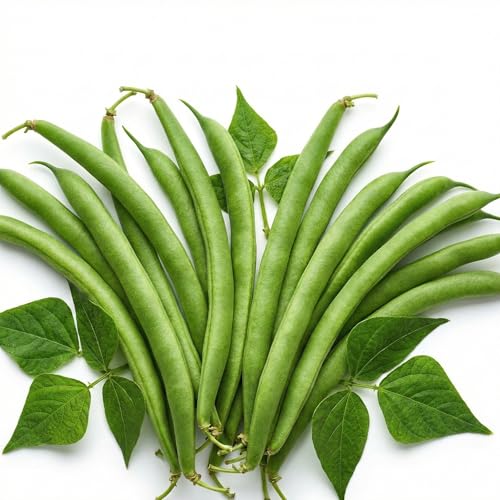
Dependable bush snap bean, Provider green bean (Phaseolus vulgaris); open-pollinated heirloom (released 1966); valued for cooler spring weather performance vs many beans; tender pods for fresh eating, freezing, and canning

Super Fast Growing Bean seeds garden seeds vegetable seeds bulk

EASY TO GROW BUSH BEANS - Dependable, high-germination Blue Lake 274 bush bean seeds grow strong in warm soil, perfect for gardeners seeking simple, reliable success all season
1. Choosing the Right Heirloom Bean Seeds
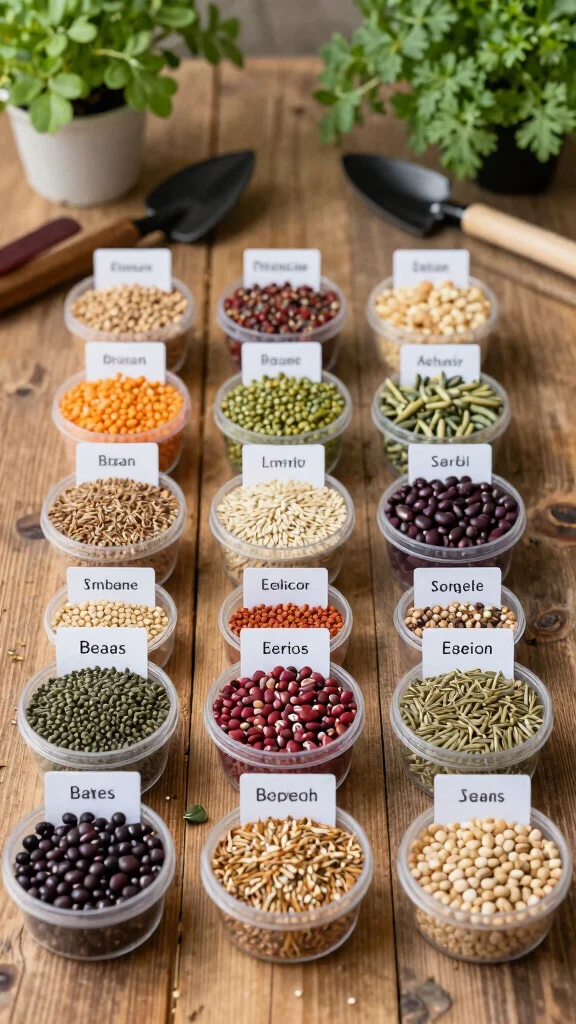
Are you ready to dive into the world of heirloom beans? The right seeds can set the stage for a bountiful garden. With choices like bush and pole beans, you can find the perfect fit for your gardening style and space. Bush beans thrive in containers, while pole beans add vertical beauty to your garden with their climbing habit.
Choosing heirloom varieties like ‘Kentucky Blue’ or ‘Borlotti’ not only brings unique colors to your plate but also offers delightful flavors and nutrition. Consider your local climate and flavor preferences to select seeds that excite you.
For Selection:
– Research local varieties that excel in your climate.
– Opt for organic seeds for a health-conscious approach.
– Choose seeds from reputable suppliers to ensure quality.
Taking the time to choose the right seeds can significantly impact your gardening success!
Recommended Products

OUTDOOR POTTING SOIL: Miracle-Gro Organic Outdoor Potting Mix contains a quick-release natural plant fertilizer and also feeds plants for up to 2 months

SUPPORTS VIBRANT GROWTH: Transform your garden with our premium indoor/outdoor potting soil! This nutrient-rich potting mix promotes robust root development for vegetables, flowers and herbs. Your plants will flourish with our balanced blend that encourages continuous blooming. The coco coir for plants improves aeration while retaining moisture, making this organic soil perfect for environmentally conscious gardeners seeking quality results. OMRI Listed.

HELPS REGULATE SOIL MOISTURE: Miracle-Gro Organic Indoor Potting Soil Mix is an organic potting soil that protects indoor plants against over and under watering
How To Choose The Right Heirloom Bean Seeds
When diving into edible gardening, selecting the right heirloom bean seeds is crucial for a fruitful experience. Heirloom beans boast unique flavors and histories, making them a fantastic choice for your garden. Here are some essential tips to guide you in your selection process.
1. Determine Your Growing Conditions
Before choosing bean seeds, assess your growing environment. Consider factors like sunlight, temperature, and available space. Beans thrive in warm conditions with plenty of sunlight, ideally 6-8 hours a day. If you’re limited on space, opt for bush varieties instead of pole beans, as they require less vertical room.
2. Consider the Growth Type
Beans come in two primary types: bush and pole. Bush beans grow compact and usually produce beans quicker, making them great for small spaces or first-time gardeners. Pole beans, on the other hand, grow taller and need support structures. They often yield more beans over the season. Choose based on your space and preferences.
3. Look for Disease Resistance
Different heirloom bean varieties have varying levels of disease resistance. It’s wise to select seeds that are resistant to common issues like rust or blight. This choice will save you time and frustration in managing pests and diseases as your beans grow. Research seed catalogs for descriptions that highlight disease resistance.
4. Explore Flavor and Use
Heirloom beans come in a variety of flavors and culinary uses. Some are perfect for soups, while others shine in salads or as side dishes. If you have specific recipes in mind, consider what flavors and textures you want. Sampling different varieties can also lead to delightful discoveries in taste.
5. Check Seed Source and Quality
Always purchase seeds from reputable suppliers. Look for organic seed vendors who sell non-GMO heirloom seeds. Quality matters, as fresh seeds generally have higher germination rates. Reading reviews and checking for certifications can help ensure you’re getting the best seeds for your garden.
6. Plan for Crop Rotation
Lastly, think about your garden’s crop rotation strategy. Beans are legumes that can fix nitrogen in the soil, so planting them in a new spot each year can improve soil health. Rotating your crops helps prevent soil depletion and minimizes pest problems. This consideration will benefit your entire gardening experience.
Pro Tip: Keep a garden journal. Document the types of beans you plant, their growth patterns, and your overall satisfaction. This will help you make informed choices in future planting seasons, leading to a more productive garden.
Choosing the right heirloom bean seeds is an engaging process that enhances your gardening journey. By considering these factors, you’ll set yourself up for a successful and rewarding harvest. Happy gardening! 🌱
Recommended Products
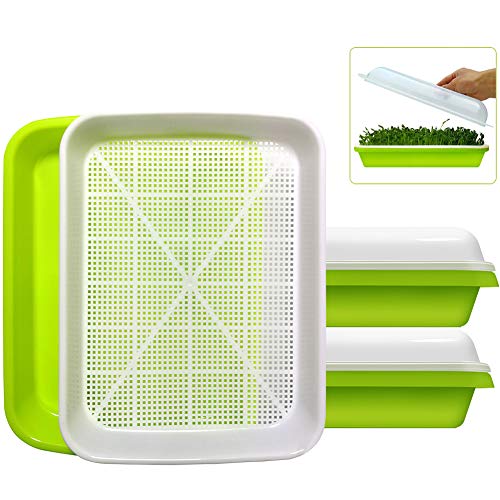
【Food-Grade & BPA-Free Material】 Sized at 13.2" x 9.84", Crafted from high-quality, solid PP material, our sprouting trays are non-toxic, odorless, and durable. Ensure your family enjoys healthy, organic sprouts for salads, sandwiches, and soups with a 100% food-safe environment.

Microgreens Planting Tray: You will receive 10 sprout planting kits and 5 planting paper; Each set includes an inner tray, and a bottom tray, the overall size is 13.07*9.85*1.46 inches, the large capacity can make the seeds grow better and faster, without soil, just water, even a garden beginner can sprout beans easily
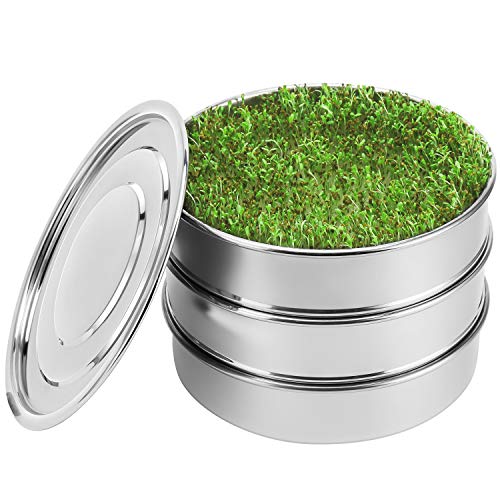
Durable And Sturdy 304 Stainless Steel - All parts of our seed sprouting trays are made of rust-resistant, high quality stainless steel.
Choosing the Right Heirloom Bean Seeds
Editor’s Choice

Kentucky Wonder Pole Bean Seeds for Planting – Heirloom Climbing Green B…


Organic Liquid Indoor Plant Food, Houseplant, Tropical & All-Purpose Ind…

Halatool 4 Pack Seed Starter Tray with 50 PCS Peat Pellets, 48 Cells Bla…
2. Preparing Your Container and Soil
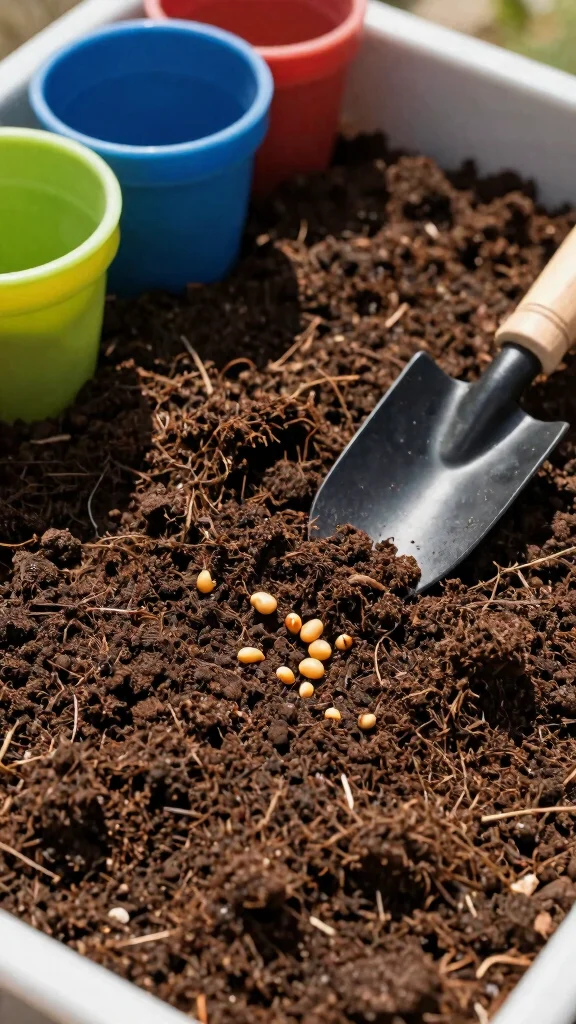
Ready to set the foundation for your bean plants? Proper soil and container preparation is key to a thriving garden. A well-draining potting mix enriched with organic matter is perfect for beans. If you’re gardening in an urban setting, select containers that are at least 12 inches deep—this gives roots the space they need to flourish.
Start by filling your containers with high-quality potting soil mixed with compost, boosting fertility and drainage. Ensure your containers have drainage holes to prevent waterlogging, which can harm your delicate beans.
Soil Preparation Tips:
– Mix in organic fertilizers to enhance nutrient content.
– Check the soil pH; beans prefer slightly acidic to neutral (6.0 – 7.0).
– Avoid using garden soil as it may compact and hinder drainage.
Investing time in your container and soil setup leads to healthy seedlings and plentiful harvests!
Recommended Products

Gardening life guardian: The large watering can is made of durable plastic, not easy to damage; the 2 gallon watering can allows watering multiple plants without repeatedly refills; it is a good helper for outdoor watering

High Quality Material: Made from high quality plastic, carrying capacity is strong, it is super durable, wear-resistant and can be used for a very long time

Built tough for big watering jobs: This watering can has thickened PP resin walls to resist crushing and bending; 2 gallon capacity waters multiple plants and saves refills in heat; ideal for gardens, patios and large indoor pots with frequent refills
Preparing Your Container and Soil
Editor’s Choice

Miracle-Gro Potting Mix – For Container Plants, Flowers, Vegetables, Shr…

Edward Tools Transplanter Trowel – Bend Proof and Rust Proof Aluminum – …

Michigan Peat Compost and Manure Blend, Garden Magic Mix with Odor-Free …
3. Germination Techniques for Bean Seeds
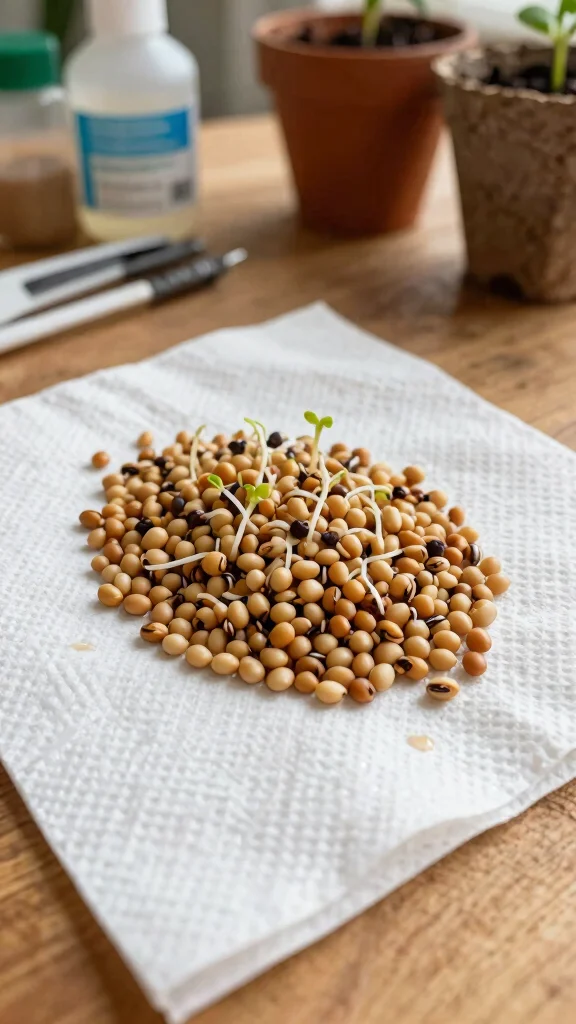
Excited to see your bean seeds sprout? Germination is a thrilling part of gardening! Bean seeds germinate quickly and can be sown directly into your containers. A few simple techniques can boost your germination success.
Begin by soaking your seeds in water for 12-24 hours before planting. This softens the seed coat and speeds up germination. Alternatively, pre-sprout seeds in a damp paper towel inside a plastic bag until you see sprouts, then transplant them into the soil.
Seed Germination Tips:
– Provide a warm environment; the ideal temperature for germination is around 70°F (21°C).
– Keep the soil consistently moist but not soggy.
– Cover seeds lightly with soil to protect them as they germinate.
These techniques will help you witness those little green shoots breaking through the soil!
Did you know bean seeds germinate faster when you soak them 12–24 hours before planting? For a quick start, you can also pre-sprout in a damp paper towel, then transplant into your container for stronger bean seeds in just days.
Recommended Products
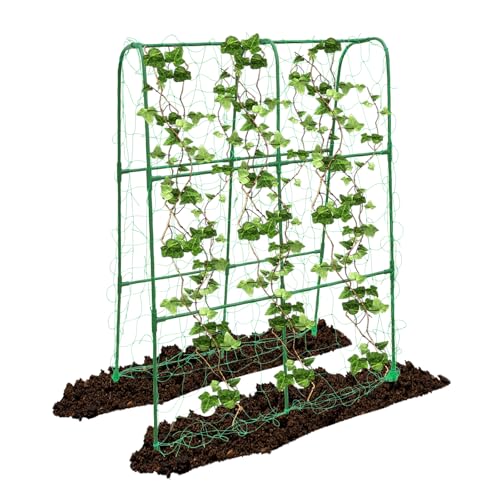
U frame Vegetable Trellis -- Dimensions (W x H):80 x 120cm / 31.5 x 47.5inches, nylon garden netting included

🌹2 in 1 Garden Trellis -- Our plant trellis can be configured into 2 types of trellising (panel trellis & plant cage), and you also can place 2 or most panels together to form a larger trellis panel or cage. Adjustable structure plant stakes can meet your different plant supports need.

🌑[Plant Growth Support]:Garden plant trellis are committed to helping your indoor for potted plants and adds to the natural beauty. As plants grow, the houseplant trellis takes the form of a ladder to help your plant climbing and growing.
Germination Techniques for Bean Seeds
Editor’s Choice

VIVOSUN Durable Waterproof Seedling Heat Mat 10″ x 20.75″ UL & MET-Certi…

Amazon Basics 2-Ply Flex-Sheets Paper Towels, 2-Pack, 150 Sheets per Rol…

Bonviee 5-Pack Seed Starter Tray Seedling Kits,Plant Starter Kit with Ad…
4. Optimal Watering Strategies
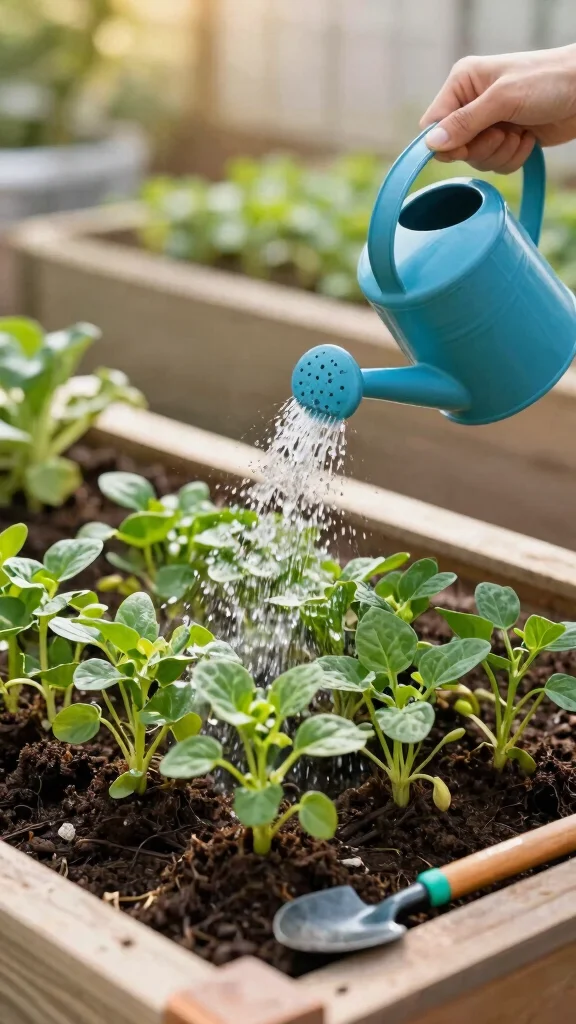
Are you watering your bean plants the right way? Consistent moisture is vital for healthy growth, especially in the early stages. However, it’s important to strike a balance to avoid waterlogged soil, which can cause root rot.
Deep, infrequent watering is the way to go. This allows the soil to dry out slightly between sessions, encouraging deep root growth and making your plants more resilient. Check the top inch of soil; if it feels dry, it’s time to water.
Watering Strategies:
– Use a watering can or gentle spray nozzle to avoid disturbing young seedlings.
– Water in the morning to reduce evaporation and fungal risks.
– Adapt your watering schedule based on weather changes.
Your beans will thrive with the right watering approach, leading to a rewarding harvest!
📹 Related Video: 5 Watering Mistakes You’re Probably Making
Optimal Watering Strategies
Editor’s Choice

4-in-1 Soil Moisture Meter Digital PH Meter/Soil Moisture/Plant Temperat…

Chapin 47998 Watering Can, 2 Gallon, Indoor and Outdoor Plants, Lawn, Ga…

Raindrip 016010T 1/4-Inch Drip Irrigation Supply Tubing, 100-Foot., for …
5. Supporting Your Bean Plants
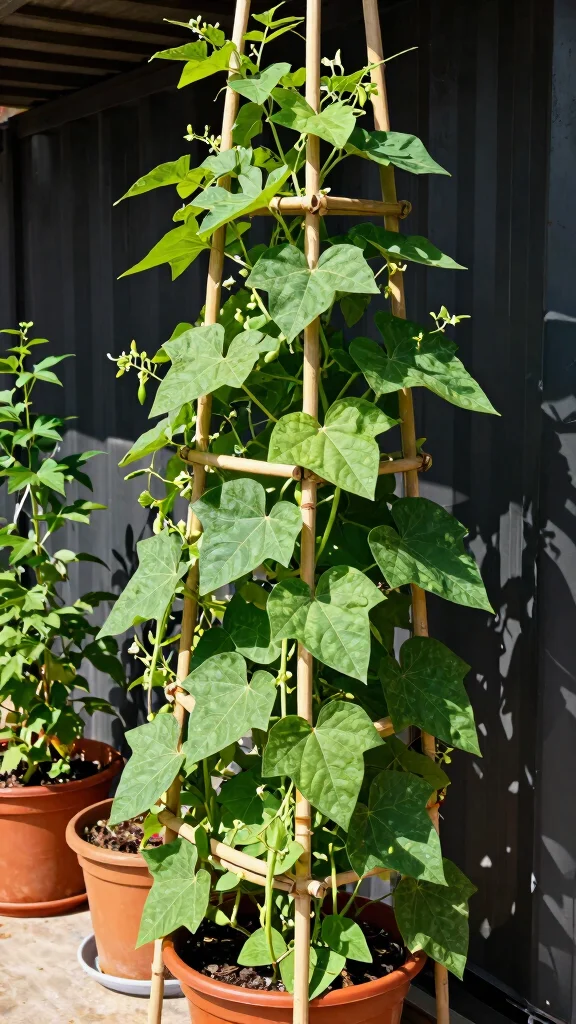
As your bean plants grow taller, they may need some support to reach their full potential. Climbing varieties benefit from trellises or stakes, helping them grow upward and maximizing space while improving air circulation.
Vertical gardening not only saves room but also helps prevent soil-borne diseases. You can use simple materials like bamboo stakes, wooden ladders, or decorative trellises to guide your beans upward.
Supporting Tips:
– Set up supports early to avoid disturbing roots later.
– Choose materials that match your garden style and are sturdy enough to hold the plants.
– Regularly check growth and add more support as needed.
By providing the right support, your beans will flourish, resulting in healthy plants and abundant yields!
Fun fact: climbing bean seeds on a trellis can double your productive space in small urban containers—2 plants per square foot becomes 4. Vertical gardening boosts air circulation, reducing disease risk and boosting yields when you keep supports early and steady.
Recommended Products

FOR USE ON: Not just an indoor potting soil, this can also be used as a potting soil for outdoor plants and is a great soil mix for vegetables, herbs & all other container plants & flowers.

Miracle-Gro Indoor Potting Mix for All Plants feeds houseplants for up to 6 months and grows healthier, more resilient plants (vs unfed when used as directed)

Supporting Your Bean Plants
Editor’s Choice

OTOSUNNY Cucumber Trellis, 50×48 inch Metal Garden Arch Trellis for Clim…

Bamboo Plant Stand – Indoor/Outdoor 3 Tier Plant Ladder, 8 Potted Flower…

Cambaverd Bamboo Stakes 4ft Natural Plant Stakes for Tomatoes, Beans, Cl…
6. Companion Planting for a Healthy Garden
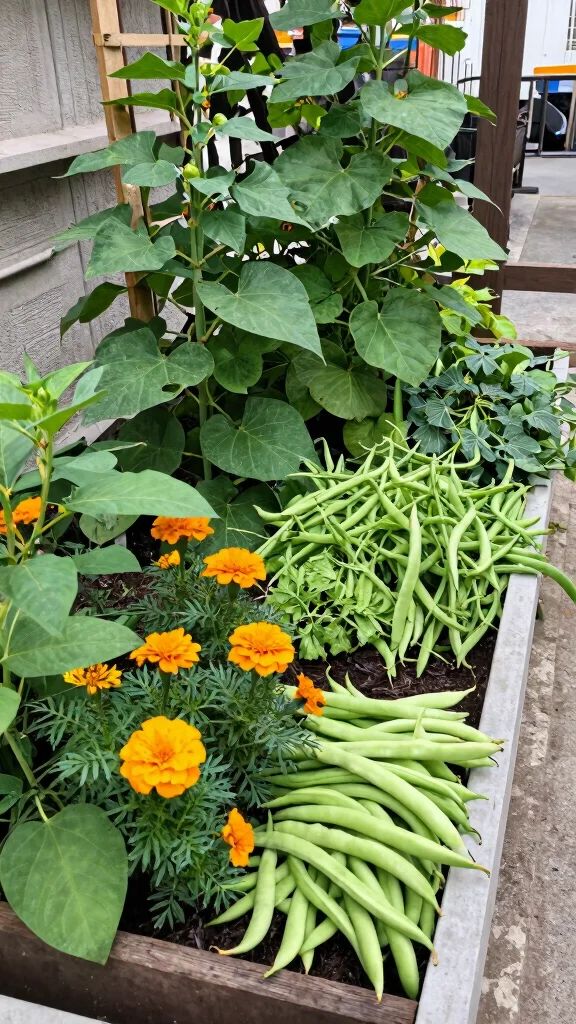
Have you heard about the benefits of companion planting? This technique pairs compatible plants together for healthier growth. Beans are excellent companions for heavy feeders like tomatoes and peppers due to their nitrogen-fixing abilities.
Incorporating companion plants can deter pests while enhancing growth and flavor. Consider planting marigolds alongside your beans; their bright blooms attract pollinators and repel harmful insects.
Companion Planting Tips:
– Rotate crops yearly to maintain soil health and reduce pests.
– Keep beans away from onions and garlic, as they can stunt growth.
– Try different pairings to find what works best in your garden.
This strategy not only boosts your garden’s health but also creates a lively, colorful environment!
Companion Planting for a Healthy Garden
Editor’s Choice

1000+ Marigold Seeds for Planting, Mixed Color Marigold Seeds Heirloom G…
Kentucky Wonder Pole Bean Seeds for Planting – Heirloom Climbing Green B…

Companion Planting for Beginners: Pair Your Plants for a Bountiful, Chem…
7. Harvesting Your Beans
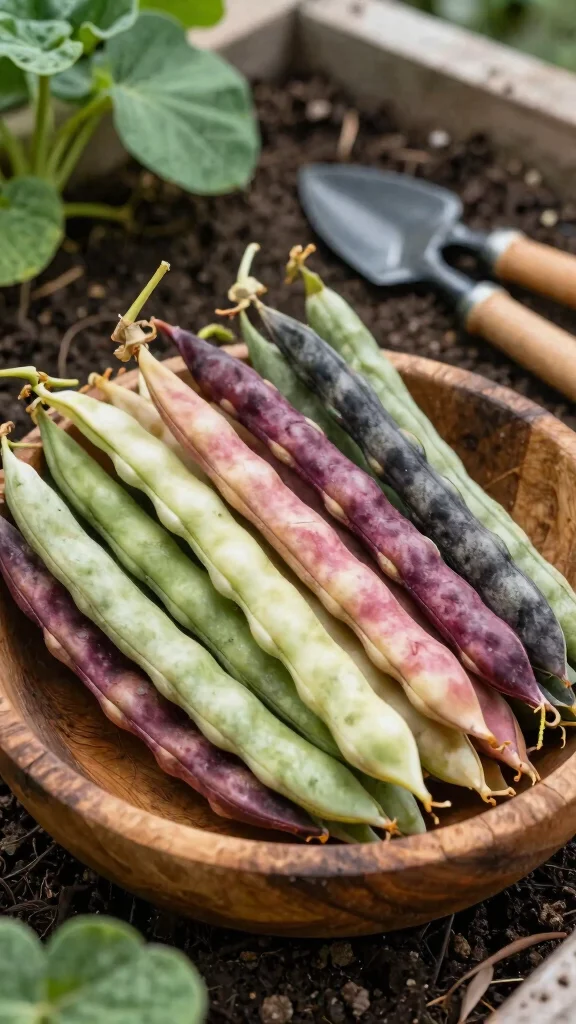
The moment you’ve been waiting for has arrived! Knowing when and how to harvest your beans is essential for enjoying their full flavor. For snap beans, wait until the pods are firm and full, but before they turn yellow. For dried beans, let the pods mature and dry on the plant before harvesting.
Use a sharp knife or scissors to cut the beans without damaging the plant. Morning is the best time to harvest since the moisture content is lower, ensuring the freshest taste. After collecting your beans, store them properly to maintain quality.
Harvesting Tips:
– Regularly check your plants to prevent overripe beans.
– Wear gloves to protect your hands from thorns or pests.
– Enjoy fresh beans immediately or preserve them for later use by freezing or canning.
Harvesting is the crowning moment of your gardening journey, so savor every bite of your delicious, homegrown beans!
Harvest day feels like a tiny victory when you see beans you grew from bean seeds shining on the vine. The simple joy of snapping them fresh in the morning, then clipping with clean scissors, keeps the flavor bright and plants thriving for the next harvest.


Harvesting Your Beans
Editor’s Choice

Cheardia 2 Pack Picnic Baskets, Metal Mesh Harvest Basket with Foldable …

PERWIN Hori Hori Garden Knife, Garden Tools with Sheath for Weeding, Pla…

Fiskars Bypass Pruning Shears, 5/8″ Cut Capacity Gardening Scissors, Sel…
Conclusion
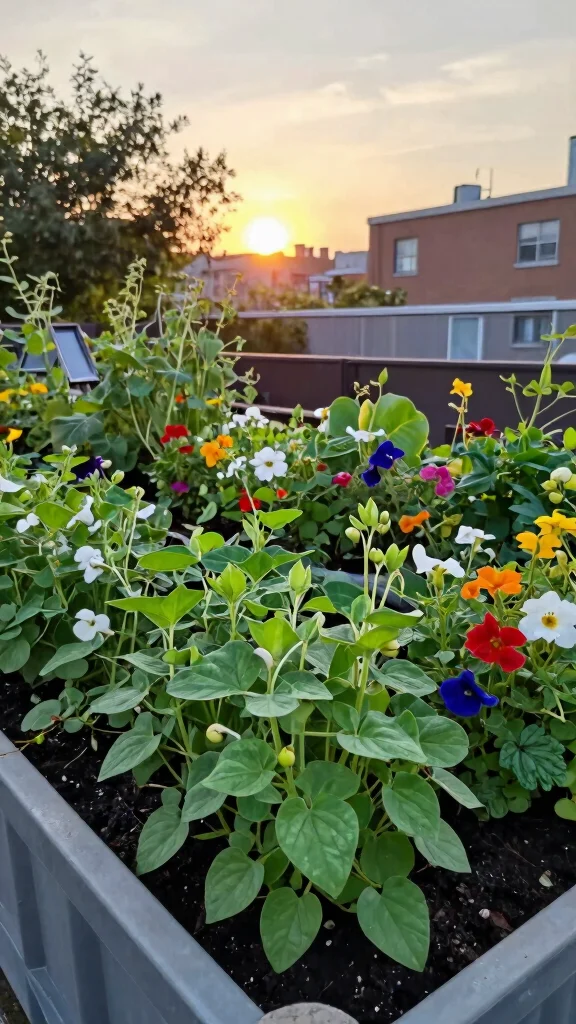
Growing your own beans in an urban container garden is not just rewarding; it’s a delightful journey filled with learning and discovery. By following these seven tips, you’ll create a flourishing garden that brings fresh flavors to your kitchen. Remember, the joy of gardening lies not only in the harvest but also in the experience of nurturing plants and connecting with nature. So, roll up your sleeves, enjoy the process, and savor the fruits of your labor!
Note: We aim to provide accurate product links, but some may occasionally expire or become unavailable. If this happens, please search directly on Amazon for the product or a suitable alternative.
This post contains Amazon affiliate links, meaning we may earn a small commission if you purchase through our links, at no extra cost to you.
Recommended Products

[Package Contents] You will receive 3 three-layers plant support cages, 3 grow bags and 1 use manual. The tomato cages are composed of 27 straight poles, 27 connecting rods and 18 connecting joints. These three complete sets will help you to train and support the upward growth of the plants.
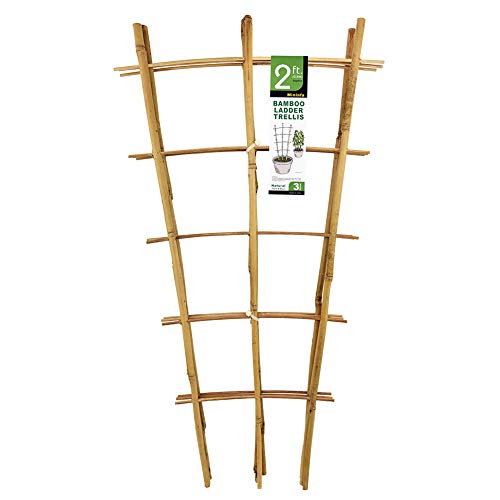
QUALITY – Our premium bamboo trellis are all handmade, using the high quality bamboo from the subtropical monsoon climate region. Very strong and flexible, durable for several seasons, so our potted plant support won’t be easily blown down by the wind, climbing trellis can help taking some weight of your plants like tomatoes or peppers. Bamboo is eco-friendly materials. All bamboo canes are hand selected and hand treated.
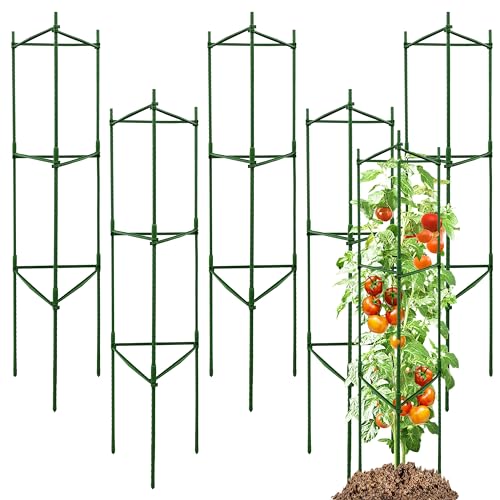
HEAVY-DUTY METAL CONSTRUCTION – Made from strong plastic-coated steel, these tomato cages provide reliable support for tall, heavy plants. Built to withstand outdoor conditions season after season without bending or collapsing.
Frequently Asked Questions
Which bean seeds are best for urban container gardening and why?
For urban container gardening, choose compact heirloom bean seeds that stay manageable in pots and on trellises. Look for bush or determinate varieties and heirloom lines that perform well in confined spaces. In vegetable gardening terms, these beans keep harvests steady without crowding your small space. Plant in a container at least 12 inches deep with drainage holes, filled with high-quality organic potting mix, and place in full sun (about 6–8 hours). A sturdy trellis helps beans climb vertically, saving space for more pots.
Tip: save seeds from your best plants for future seasons and store leftovers in a cool, dry place to maintain strong germination rates.
What are the essential seed germination tips to get beans to sprout quickly in containers?
Here are practical seed germination tips to get beans to sprout quickly in containers. Beans germinate best when soil temperatures are around 60–85°F (15–29°C). Plant seeds about 1–2 inches deep and space them according to variety, then keep the mix evenly moist but not waterlogged to avoid rot.
If you’re using older seeds, a 8–12 hour soak can speed germination, but not always required. Once sprouts appear in 7–14 days, thin or transplant as needed so each plant has room to grow. Label your pots and monitor moisture to maintain steady progress.
How should I prep garden soil for growing bean seeds in pots using organic gardening techniques?
Here’s how to prep garden soil for bean seeds using organic gardening techniques. Start with a light, well-draining organic potting mix and mix in 2–4 inches of compost for fertility. Beans hate heavy clay and soggy roots, so drainage is key.
Aim for a soil pH between 6.0 and 7.5 and inoculate with beneficial microbes or compost tea at planting. In vegetable gardening, mulch after planting to conserve moisture and suppress weeds, and rely on soil biology rather than synthetic fertilizers.
In containers, refresh soil each season or use fresh organic potting mix to maintain structure and give roots plenty of air and drainage.
What crop rotation strategies help keep beans productive in a small garden?
Crop rotation strategies are essential for long-term bean productivity. Beans are legumes that fix nitrogen, so rotate them away from high-nitrogen crops and avoid planting the same bed with beans year after year. In a typical sequence, follow beans with leafy greens or grains and then plan heavy feeders in the next cycle.
In containers, rotate by using fresh potting mix each season or spread different crops across multiple pots. This helps prevent soil-borne diseases and nutrient depletion while keeping your organic gardening techniques fresh and sustainable.
How can I maximize yield from heirloom bean seeds in limited space with urban container gardening?
Maximize yield by choosing pole or climbing heirloom bean seeds you train on a sturdy trellis, freeing floor space for more pots. Plant in successive waves every 2–3 weeks for a steady harvest and stagger your crops to extend the season.
Use several shallow containers arranged vertically, provide consistent moisture, and feed with a balanced organic fertilizer to support pod production without encouraging excessive foliage. Harvest pods when they’re tender and plump, and keep an eye on pests and disease common in container plantings. With careful soil preparation and attentive care, you can enjoy a productive, rewarding edible garden in a small urban space.
Related Topics
bean seeds
urban gardening
heirloom varieties
container gardening
organic techniques
seed germination
garden soil prep
crop rotation
beginner friendly
sustainable gardening
edible garden
vegetable gardening