
Transforming your yard into a stunning woodland escape is a dream for many garden enthusiasts. As the allure of nature grows, more people crave serene outdoor spaces that mimic the tranquility of a forest. That’s why I’ve put together this guide filled with woodland landscaping ideas that can help you create a peaceful haven right at home. These ideas will inspire you to embrace nature’s beauty while also considering the practical aspects of maintaining a garden that thrives in the shade.
If you’re passionate about eco-friendly garden ideas or you just want a cozy corner of greenery to retreat to, this post is for you. Whether you’re an experienced gardener or a curious beginner, you’ll find inspiration and tips to craft your own backyard woodland oasis. From selecting shade-loving plants to utilizing natural landscaping techniques, you’ll discover how to turn your yard into an enchanting escape that not only looks beautiful but also supports local wildlife and the environment.
Get ready to dive into nine fantastic ideas that will help you create a lush, inviting space. You’ll learn how to integrate native plants, create delightful pathways, and even include edible varieties, all while ensuring your garden flourishes in the shade. Let’s transform your yard into a peaceful refuge that feels like a walk in the woods!
Key Takeaways
– Embracing native plants enhances biodiversity and creates a more resilient garden. They are typically better suited to your local climate.
– Crafting a natural pathway adds visual interest and guides visitors through your woodland space, making it more inviting.
– Incorporating water features like ponds or small streams can create soothing sounds and attract wildlife, enhancing the overall ambiance of your yard.
– Layering your plantings adds depth and dimension, making your garden feel fuller and more vibrant throughout the seasons.
– Designing cozy seating areas within your woodland escape encourages relaxation and enjoyment of your beautiful surroundings.
1. Embrace Native Plants

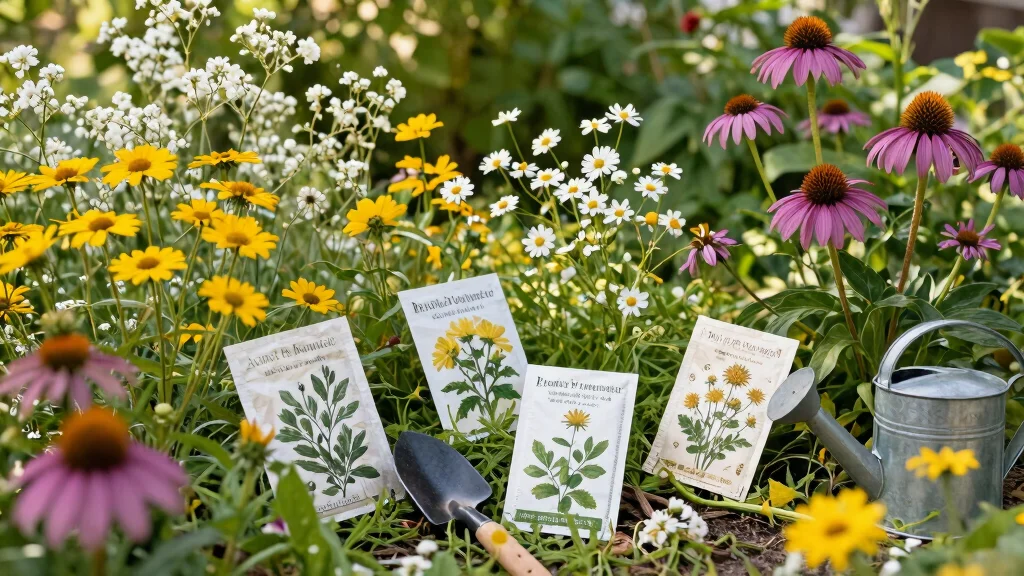
You want your woodland garden to feel alive and authentic, and embracing native plants is the perfect way to achieve that. These plants are naturally suited to your local environment, requiring less maintenance while supporting local wildlife. Imagine a vibrant setting filled with Trillium, Wild Ginger, and Solomon’s Seal, all thriving under the protective shade of taller trees. The result is a lush and harmonious landscape that feels like a natural extension of the forest.Start by exploring your local native plant societies for expert advice on the best species for your area. Group your chosen plants in clusters to mimic their natural growing patterns, and mix various heights and textures for added visual appeal.Key steps to incorporate native plants:
– Research local native plant options for your garden.
– Create plant clusters to mimic natural habitats.
– Mix heights and textures to enhance visual interest.By choosing native flora, you’re not just beautifying your space; you’re nurturing a healthy ecosystem that benefits both you and local wildlife.
Embrace Native Plants
Editor’s Choice

Wildflower Seeds Bulk Mix – 10,000+ Perennial & Annual Seeds – Texas, Ca…


Farmer’s Secret Soil Revitalizer (32oz) – Organic (OMRI Listed) Dirt H…

Back to the Roots 25.7qt (1 Cubic ft) Organic Premium Mulch
2. Create a Natural Pathway

A natural pathway is more than just a way to navigate your garden; it’s an invitation to explore. Using materials like stepping stones, gravel, or decomposed granite can create a rustic feel that complements your woodland landscape beautifully. Imagine winding paths that beckon guests to discover hidden corners filled with shade-loving plants.To make your pathway inviting, consider gentle curves that lead the eye through your garden’s unique features. Add plants along the sides to create a truly immersive experience, enhancing the sense of being surrounded by nature.Tips for designing your natural pathway:
– Choose materials that blend with your garden’s theme.
– Incorporate gentle curves for a more organic look.
– Add seating nooks with natural benches or logs.This thoughtful design not only enhances your garden’s charm but also encourages visitors to enjoy the adventure of discovery.
Create a Natural Pathway
Editor’s Choice

Spoontiques – Garden Décor – Scatter Kindness Stepping Stone – Decorati…

Grey Fines. Grey Decomposed Granite, 40 Pounds. Compactable decomposed G…
3. Add Water Features
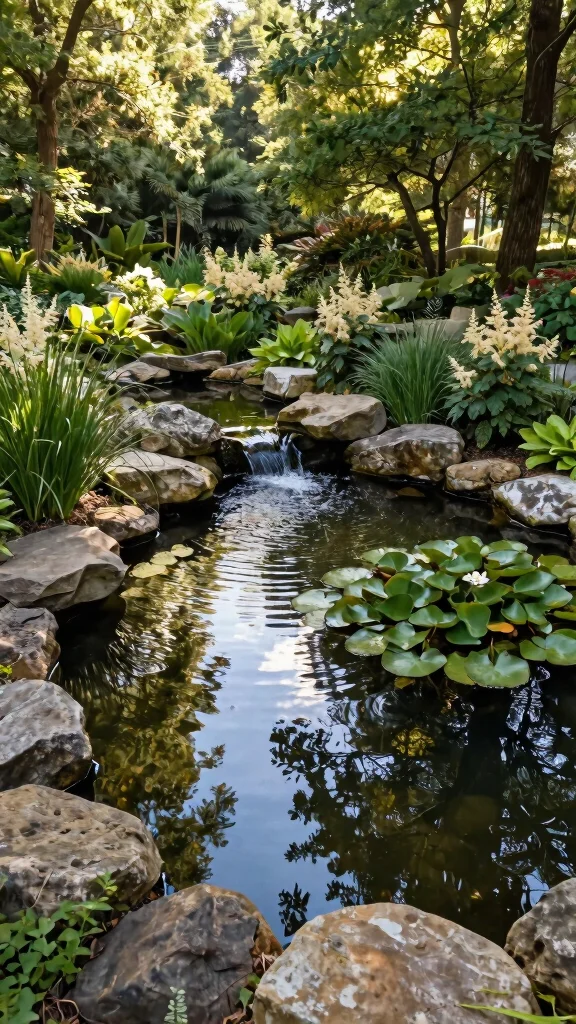
Imagine the soothing sound of water flowing through your woodland garden, creating a serene escape. Incorporating a water feature like a small pond, bubbling fountain, or dry creek bed can significantly enhance your garden’s tranquility while attracting wildlife. Surrounding your water source with shade-tolerant plants like Astilbe and Japanese Forest Grass can create a peaceful oasis.Water features not only provide visual interest but also serve as a habitat for frogs, birds, and beneficial insects. The gentle bubbling creates a calming atmosphere, making your garden feel alive.Ideas for integrating water features:
– Design a small pond bordered by natural stones.
– Use aquatic plants like Water Lilies for added beauty.
– Create a rustic fountain to blend seamlessly into your landscape.Adding a water feature transforms your garden into a lively retreat, enriching your experience with nature.
Add Water Features
Editor’s Choice

Chalily Arrow Arum, a Great Live Pond Plant for Your Water Garden. Filte…

Tankana Garden Water Fountain Outdoor Bubbler Water Feature Indoor with …

Aquagarden No Dig Nature Pool, Complete Water Feature Kit, Attract Birds…
4. Layer Your Plantings

To create a captivating woodland landscape, layering your plantings is essential. By combining tall trees, medium shrubs, and low ground covers, you can achieve depth and visual intrigue. This mimics the natural growth patterns of forests, where different plants flourish at varying heights.Consider using tall trees to create a canopy, while layering with medium shrubs like Mountain Laurel and low-growing ferns or moss. This technique not only enhances the beauty of your garden but also promotes biodiversity.Effective layering tips:
– Choose a variety of plant heights and textures for contrast.
– Ensure plants thrive in similar light and moisture conditions.
– Mix plants that bloom at different seasons for year-round interest.Thoughtful layering will create a dynamic woodland that evolves beautifully with the changing seasons.
Layering your plantings is a cornerstone of woodland landscaping ideas—making a secret forest feel within reach. Start with tall trees, add mid shrubs like Mountain Laurel, then groundcovers, and watch depth and shade transform your space.
Layer Your Plantings
Editor’s Choice

Mosser Lee ML0560 Spanish Moss, 250 Cubic Inches

Kalmia lat. ‘Carousel’ (Mountain Laurel) Evergreen, white flowers with b…

4Pcs Fake Ferns,Faux Outdoor Plants UV Resistant,3D Real Touch Fake Plan…
5. Use Natural Mulch

Natural mulch is a vital addition to your woodland garden, offering multiple benefits. It retains moisture in the soil, suppresses weeds, and enhances the overall aesthetic of your landscape. Using organic materials like wood chips, straw, or shredded leaves keeps your garden looking natural and eco-friendly.Mulch creates a polished appearance while nurturing an environment that supports your shade-loving plants. As it breaks down, it enriches the soil and promotes healthy growth.Tips for choosing mulch:
– Select materials that match your landscape’s texture and color.
– Keep mulch away from tree bases to prevent rot.
– Aim for a depth of 2-3 inches for optimal weed control.Incorporating natural mulch not only beautifies your garden but also contributes to its overall health, keeping it vibrant and lush.
Fun fact: a 2–3 inch layer of natural mulch can cut soil evaporation by up to 70% in shade-tolerant beds. It keeps roots cool, suppresses weeds, and nourishes the soil as it breaks down—perfect for enhancing woodland landscaping ideas.
You might also like
Use Natural Mulch
Editor’s Choice
Back to the Roots 25.7qt (1 Cubic ft) Organic Premium Mulch

HealthiStraw GardenStraw, 3 cu ft (20 lbs) All-Natural Mulch for Gardens…
HealthiStraw GardenStraw, 3 cu ft (20 lbs) All-Natural Mulch for Gardens…
6. Incorporate Edible Plants

Why not combine beauty with functionality in your woodland garden? Adding edible plants not only diversifies your landscape but also gives you fresh produce right from your backyard. Plants like rhubarb, ground cherries, and various berries thrive in shaded areas, making them perfect for your woodland escape.This sustainable approach creates a forest garden design that is both rewarding and practical.When choosing edibles:
– Opt for varieties that thrive in partial shade.
– Group edible plants with ornamental ones for a cohesive look.
– Include herbs like mint and chives to attract pollinators.By blending ornamental and edible plants, you will create a vibrant woodland landscape that nourishes both body and soul.
📹 Related Video: Edible Landscaping – How to Create a Foodscape
Incorporate Edible Plants
Editor’s Choice

Bonnie Plants Strawberry, Live Plant, 19.3 oz. (4-Pack)

Victoria Rhubarb Crown Ready to Plant Super Healthy. Perennial. Comes Ba…

750 Heirloom Aunt Molly Ground Cherry Seeds for Planting – Sweet Husk …
7. Design Cozy Seating Areas
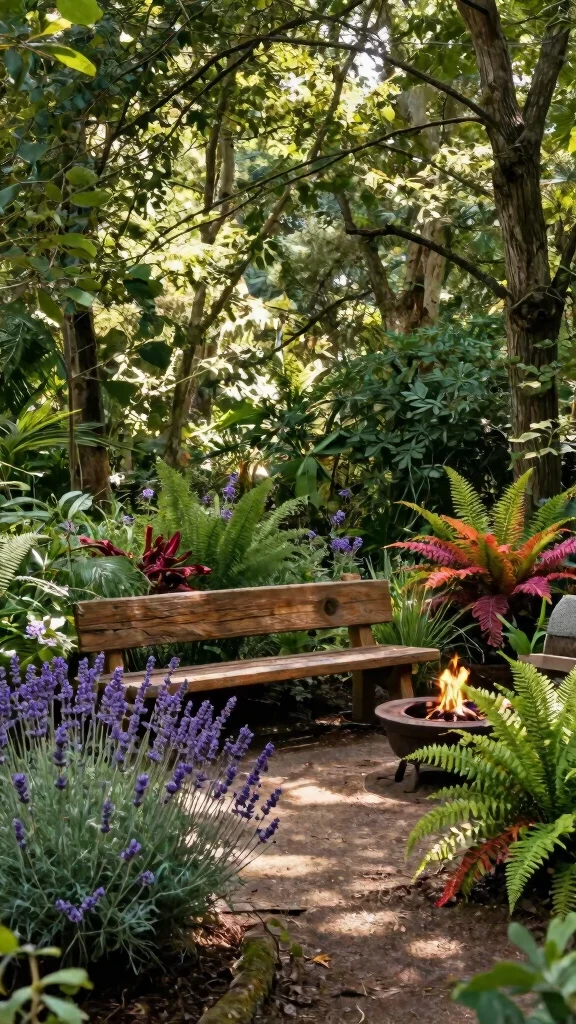
Creating cozy seating areas in your woodland garden encourages you to spend more time outdoors. Think about adding rustic benches, natural logs, or a small fire pit to foster relaxation and connection with nature. These intimate spaces can be perfect for gathering with family and friends or enjoying quiet moments alone.Position your seating to provide views of your garden, surrounded by lush plants and natural beauty. Using organic materials ensures that your seating arrangements harmonize with the environment.Tips for designing inviting seating areas:
– Choose seating that complements the natural landscape, like a simple wooden bench.
– Surround seating with fragrant plants like lavender for sensory delight.
– Create shaded areas with pergolas or trellises covered in vines.Thoughtful seating arrangements transform your woodland garden into a magical retreat where you can unwind and appreciate nature.
Design Cozy Seating Areas
Editor’s Choice

Breezz 32 Inch American Flag Fire Pit with Mesh Cover & Poker, Round Met…

ECR4Kids SoftZone Tree Stump Stool Seating Set, Classroom Furniture, Cho…

Psilvam 2-Person Outdoor Bench with 700 Lbs Weight Capacity, Poly Lumber…
8. Use Natural Stone Elements
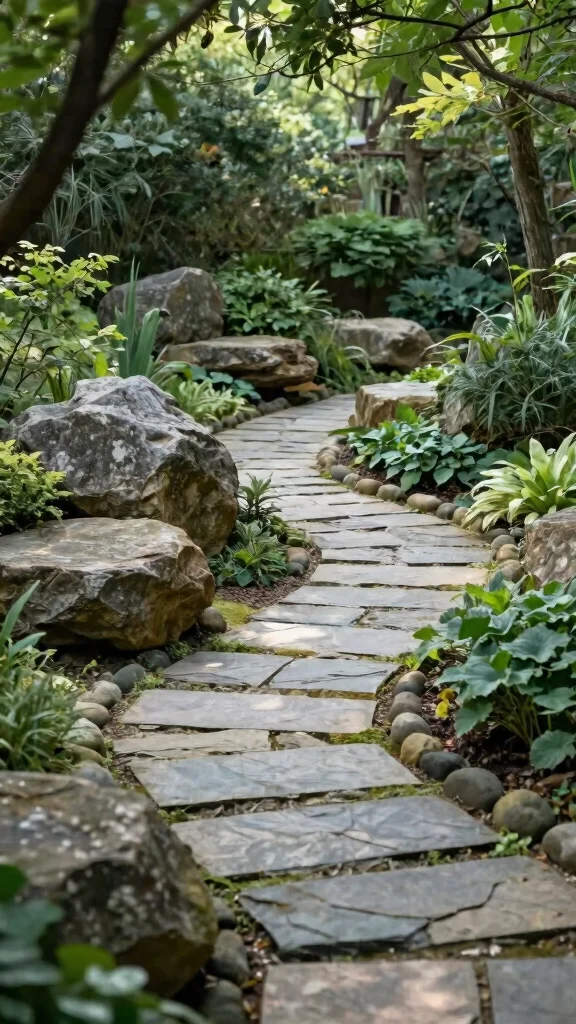
Incorporating natural stone elements can dramatically enhance the charm of your woodland landscape. Whether you choose to add a stone wall, pathway, or decorative boulders, this timeless material adds a rustic quality that complements the overall woodland theme.Natural stone can be creatively used to line garden beds or create raised planters that double as seating, offering texture and color that contrast beautifully with your shade-loving plants.Consider these ideas:
– Use flat stones for a pathway that minimizes soil compaction.
– Create a stone border around garden beds for added definition.
– Incorporate boulders as focal points or seating options.Implementing stone elements adds an organic feel to your space, making your garden not just beautiful but functional.
You Might Also Like


Use Natural Stone Elements
Editor’s Choice


Beuta Landscape Edging | Garden Edging Border | Faux Stone Bricks for La…

LEETOLLA Elevate 32″ Tall Raised Garden Bed Outdoor with Wheels & Shelf …
9. Incorporate Wildlife Habitat

Creating a habitat for local wildlife enhances your woodland landscape and supports the ecosystem. By providing food, water, and shelter, you can attract birds, butterflies, and beneficial insects to your garden. This biodiversity enriches your outdoor space, making it lively and charming.Incorporate elements that cater to wildlife needs, such as birdhouses, bee hotels, and native plants that offer nectar and seeds. A small watering hole can also draw various creatures, turning your garden into a vibrant sanctuary.To foster wildlife habitats:
– Choose native plants that support local wildlife, like Milkweed for butterflies.
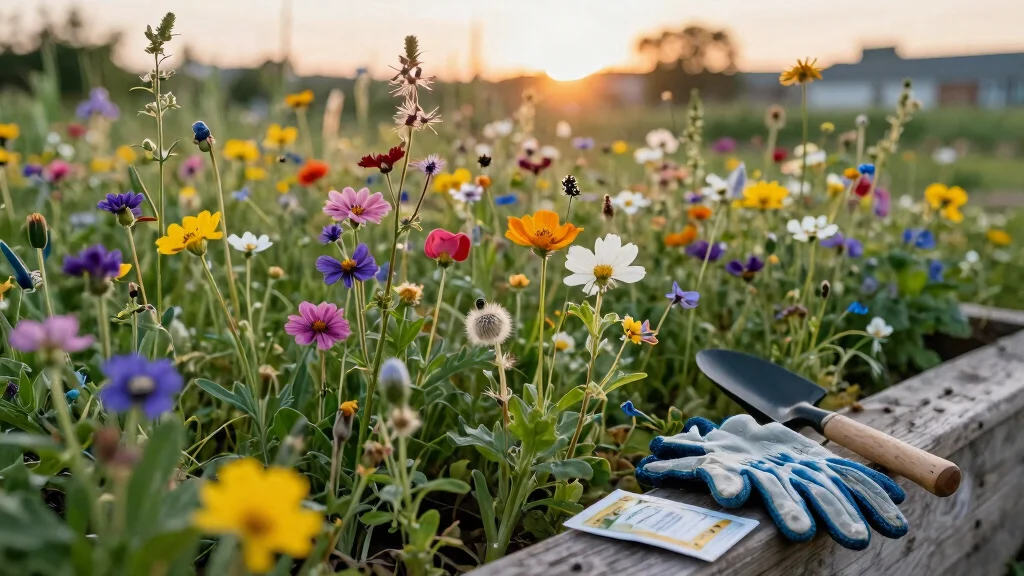
– Designate a small area for wildflowers and grasses.
– Install bird feeders and baths to attract feathered friends.By enhancing your woodland garden for wildlife, you create a thriving ecosystem that brings joy and vibrancy to your outdoor retreat.
Did you know, as part of woodland landscaping ideas, a woodland-friendly yard can attract 5–15 bird species and daily pollinators with native plants, birdhouses, and a simple watering hole? Add bee hotels and nectar-rich natives, and your space becomes a lively, wildlife-friendly hub.
How To Choose Shade-Loving Plants for Your Woodland Landscaping
Creating a woodland oasis in your backyard begins with selecting the right shade-loving plants. These plants not only thrive in lower light levels but also add beauty and life to your outdoor space. Here’s how to make the best choices for your forest garden design:
1. Understand Your Zone
Before you start choosing plants, know your USDA Hardiness Zone. This zone indicates the average minimum temperature in your area. Different plants have varied cold tolerances, so it’s essential to pick ones that will survive and thrive in your climate. Check local gardening resources to confirm your zone and specific plant recommendations.
2. Assess Soil Quality
Healthy soil is vital for plant growth. Test your soil for pH levels and nutrients. Shade-loving plants often prefer rich, well-draining soil. If your soil is too acidic or too alkaline, you might need to amend it with compost or other organic materials to create a suitable environment. A simple soil test kit can help you get started.
3. Consider Plant Height and Spread
When planning your woodland landscaping, think about how tall and wide your chosen plants will grow. Layering your plantings can create depth and visual interest. Taller plants should be placed towards the back of your garden beds, with shorter ones in the front. Make sure to check the mature size of each plant to avoid overcrowding.
4. Choose Diverse Species
A variety of plants enhances biodiversity and helps create a more resilient ecosystem. Look for a mix of shrubs, perennials, and ground covers. Incorporating different textures, colors, and bloom times will keep your woodland garden vibrant throughout the seasons. Research native plants, as they are often well-adapted to local conditions and require less maintenance.
5. Look for Wildlife Appeal
Select plants that attract beneficial wildlife. Many shade-loving plants produce flowers that attract pollinators like bees and butterflies. Others provide food and shelter for birds and small mammals. By creating a habitat that supports local wildlife, you’ll contribute to the health of your backyard woodland oasis.
6. Plan for Seasonal Interest
Choose plants that offer visual appeal year-round. Some shade-loving plants provide stunning foliage, while others bloom in spring or summer. By mixing species with various blooming seasons and colorful leaves, you’ll ensure your garden is lively throughout the year. Evergreens can also add structure and color in the winter months.
Pro Tip: When selecting your plants, visit a local nursery and ask for recommendations. Staff can often provide insights into what grows best in your area and help you discover unique varieties that may not be widely available. Take notes on the plants you like, and don’t hesitate to ask about their care needs!
Taking the time to choose the right shade-loving plants will set a strong foundation for your woodland landscaping ideas. With careful consideration of your zone, soil, and plant selection, you’ll create an enchanting forest escape right in your backyard. Embrace the beauty of nature and enjoy the serenity that a well-planned woodland can bring!
Incorporate Wildlife Habitat
Editor’s Choice

Creative Hobbies 12-Pack of Mini Wooden Bird Houses to Paint, with Hangi…
Conclusion

A woodland landscape can transform your yard into a magical retreat that resonates with tranquility and natural beauty. By integrating these woodland landscaping ideas, you not only enhance the aesthetic appeal of your garden but also promote ecological health and biodiversity.
As you ponder the designs that resonate most with you, consider how you can create a personal backyard woodland oasis where you can relax, unwind, and enjoy the beauty of nature.
Let your creativity flow and embrace the enchanting world of woodland landscaping as a way to connect with nature and cultivate a space that is uniquely yours.
Note: We aim to provide accurate product links, but some may occasionally expire or become unavailable. If this happens, please search directly on Amazon for the product or a suitable alternative.
This post contains Amazon affiliate links, meaning we may earn a small commission if you purchase through our links, at no extra cost to you.
Frequently Asked Questions
What woodland landscaping ideas work best for a shade-filled yard?
Shade-filled yards are perfect for woodland landscaping ideas that mimic a forest floor. Start with layering: groundcovers, ferns, and understory shrubs create depth and texture. Choose shade-loving plants such as hostas, ferns, epimedium, and bleeding heart to cover the ground and provide seasonal interest. Add a winding path and a few fallen-wood accents to enhance a natural look. Mulch with leaf mold and wood chips to keep moisture in and feed the soil, a key part of natural landscaping techniques. Finish with a small seating nook to enjoy your new backyard woodland oasis vibe without heavy maintenance. For eco-friendly garden ideas, keep plant choices native and compost yard waste.
How can I design a forest garden in a small backyard?
Even a tiny space can become a thriving forest garden. Start with a site survey to understand sun, shade, and soil. Plan in layers: canopy or fruit trees (dwarf or espalier), subcanopy shrubs, herbaceous perennials, groundcovers, roots, and climbers. Use a compact layout to maximize shade and microclimates. Choose edibles and ornamentals that fit shade. Use trellises and vertical space to maximize the forest garden design potential. Keep maintenance low with mulch and perennials. A dream backyard woodland oasis is possible by focusing on natives and layered plantings. This aligns with eco-friendly garden ideas.
Which shade-loving plants thrive in woodland landscaping ideas, and how should I choose them?
Some dependable shade-loving plants for woodland landscaping ideas include Hosta, ferns (like lady fern), Epimedium, Heuchera, Astilbe, Brunnera, Pulmonaria, and Tiarella. When choosing, match light levels, soil moisture, and pH, then mix evergreen textures with seasonal color. Prioritize yearly bloom overlaps and good drainage; group plants with similar needs, and incorporate leaf litter and mulch to keep soil cool and moist. This keeps your woodland look authentic and vibrant.
What natural landscaping techniques help turn a yard into a backyard woodland oasis?
Key natural landscaping techniques to turn your yard into a backyard woodland oasis include using organic mulches to conserve moisture and feed the soil as part of natural landscaping techniques; creating mossy patches, meandering paths with natural materials, and stone terraces; adding a rain garden or swale to manage runoff; incorporating driftwood, logs, and rocks for texture; planting natives to support wildlife; minimizing lawn and using groundcovers to reduce maintenance; and harvesting rainwater for irrigation. All of these are strong eco-friendly garden ideas for a woodland look.
Are there eco-friendly garden ideas to maintain a woodland look without harming the ecosystem?
Yes. Embrace eco-friendly garden ideas by prioritizing native shade-loving plants and minimizing turf. Use compost, mulch, and organic fertilizers instead of chemicals. Water wisely with natural landscaping techniques like drip irrigation and rain barrels. Create wildlife habitats—logs for invertebrates, bee hotels, and a shallow pond or birdbath—to boost biodiversity. Choose non-invasive plants and avoid over-pruning so the woodland look stays healthy year-round. This approach protects the ecosystem while keeping your woodland landscaping ideas thriving.
Related Topics
woodland landscaping
forest garden design
shade-loving plants
eco-friendly gardens
backyard oasis
natural landscaping
easy gardening
beginner friendly
seasonal plantings
sustainable landscaping
wildlife friendly
low maintenance gardens