
Creating a beautiful outdoor space can feel daunting, especially if you live in an urban area where water is scarce. If you find yourself dreaming of a garden that combines stunning aesthetics with easy maintenance, you’re in luck. I’ve put together this guide on succulent rock garden landscaping ideas that are not only drought-tolerant but also absolutely gorgeous. These ideas can help you transform your outdoor space into a lush sanctuary without the headache of constant upkeep.
If you love gardening but worry about water usage, or if you’re simply looking for ways to beautify your urban space, this article is for you. You’ll discover unique and stylish ways to incorporate succulents into your rock garden design. Succulents come in a variety of shapes and colors, making them perfect for creating stunning landscapes that require minimal care. From textured stone pathways to colorful succulent clusters, there are countless possibilities to explore.
By the end of this post, you’ll walk away with eight creative ideas that will inspire your gardening journey. Each idea is designed to make your outdoor area not just drought-tolerant but incredibly inviting. So, let’s dive into these succulent rock garden landscaping ideas that will leave you and your guests in awe!
Key Takeaways
– Drought-tolerant plants like succulents are perfect for urban gardens, as they require less water and maintenance compared to traditional plants.
– Rock garden design involves creative arrangements of stones and gravel that complement the beauty of succulents, enhancing visual appeal.
– Low-maintenance gardening is made easy with these ideas, allowing you to enjoy your space without constant upkeep.
– Succulent varieties come in countless shapes and colors, offering endless possibilities for customization in your garden design.
– Focus on landscape aesthetics by blending succulents with natural stones, creating a harmonious look that stands out in any outdoor setting.
1. Textured Stone Pathways

Picture a garden pathway crafted from textured stones, guiding you through a vibrant display of succulents. This design not only serves a purpose but also enhances the overall beauty of your rock garden. The use of various stone sizes and textures creates depth, perfectly contrasting with the sleek shapes of succulents.
Choose plants like sedum or echeveria to fill the spaces between stones, allowing them to spill over for a more natural look. This approach offers both functionality and a striking visual appeal.
Consider these ideas:
– Select stones in different colors for a dynamic effect.
– Combine succulents with varied textures for added interest.
– Ensure proper drainage by placing larger stones at the base.
This pathway will not only guide visitors but also beautifully frame your succulent displays.
Textured Stone Pathways
Editor’s Choice

4Pcs Large Stepping Stones Outdoor Garden Walkway, Durable Plastic Paver…


Miracle-Gro Succulent Potting Mix – Potting Soil Mix for Indoor Succulen…

Wood Garden Edging, Wooden Fence Border Decorative Small Picket Panels f…
2. Vertical Succulent Gardens

Revamp your flat garden space into a stunning vertical garden filled with succulents! This creative solution maximizes your available area while displaying a diverse array of succulent species. You can repurpose wooden pallets or old furniture to craft a captivating vertical garden.
Incorporate plants such as Haworthia, string of pearls, and vivid aloe vera. Arrange them in layers for depth and play with colors to create a striking visual impact.
Here are some tips:
– Ensure your structure has drainage holes for plant health.
– Water according to each plant’s needs without overdoing it.
– Secure the vertical garden to a wall for stability.
This vertical design not only optimizes space but also adds dramatic flair to your outdoor aesthetics.
Fun fact: A vertical succulent garden can add 50% more planting area in a small patio. Use repurposed pallets and driftwood to craft shelves for Haworthia, string of pearls, and aloe vera. It’s a practical, eye-catching way to elevate succulent rock garden landscaping in urban spaces.
Vertical Succulent Gardens
Editor’s Choice

3 Pack Set Wall Planters,Modern Round Glass Wall Planter Succulent Plant…

Back to the Roots 100% Organic Succulent & Cacti Mix (Value 12 Quart) | …

Sunnydaze Acacia Wood Rectangular Planter Box – 14.75″ H Wooden Raised G…
3. Rock and Gravel Ground Cover

Wave goodbye to traditional grass lawns and embrace a rock and gravel ground cover that is both beautiful and practical! This design is perfect for anyone seeking a low-maintenance garden solution. By combining decorative gravel with larger stones, you create a stylish landscape that requires minimal upkeep.
Intermingle drought-tolerant plants like agave, yucca, and various succulent types for vibrant pops of color among the neutral stones.
Consider these suggestions:
– Choose gravel colors that harmonize with your home’s exterior.
– Arrange rocks and gravel in fluid patterns for visual movement.
– Use larger stones as focal points to draw the eye.
This design minimizes water use and introduces a modern twist to your outdoor space, creating a stunning landscape showcase.
Fun fact: A rock and gravel ground cover can slash irrigation by up to 70% in desert-inspired setups. This makes succulent rock garden landscaping in urban spaces both drought-tolerant and drop-dead gorgeous.
📹 Related Video: How To Make A Gravel Pathway | DIY Gravel Walkway
Rock and Gravel Ground Cover
Editor’s Choice

Live Succulent Sedum adolphii Shooting Stars, 2 Inch Fully Rooted Potted…
Quibbay 45LB Succulent Rocks, 1/4 Inch Polished Pebbles for Indoor Plant…

FANTIAN 20 lbs Large River Rocks for Outdoor Landscaping, 3-4 Inch Decor…
4. Colorful Succulent Clusters

Bring your garden to life by grouping different succulent varieties into vibrant clusters! This approach emphasizes planting in clusters for heightened visual impact in your rock garden. Mixing colors like deep purples, bright greens, and vivid reds can inspire joy and creativity.
Excellent choices for clustering include graptoveria, sedum, and jade plants. Spacing your plants according to their growth patterns ensures a harmonious look, while grouping those with similar care needs simplifies maintenance.
Keep these points in mind:
– Space plants according to their growth habits.
– Group together those thriving in the same light and water conditions.
– Feel free to rearrange as plants grow and mature!
These colorful clusters will be the standout features of your succulent rock garden, creating a visual feast.
You might also like

How To Choose the Right Succulent Rock Garden Plants
When planning your succulent rock garden, selecting the right plants is key to creating a stunning and drought-tolerant landscape. With so many succulent varieties available, focusing on specific criteria will help you make the best choices for your space.
1. Climate Suitability
First and foremost, consider your local climate. Some succulents thrive in hot, arid conditions, while others prefer milder temperatures. Check hardiness zones to ensure the plants you choose can withstand the weather in your area. For instance, if you live in a hotter region, opt for plants like Agave or Echeveria, which love the heat and are drought-tolerant.
2. Soil Type
Next, assess your soil type. Succulents need well-draining soil to prevent root rot. If your soil retains too much moisture, you might need to amend it with sand or gravel. You can also use pre-mixed cactus soil available at gardening stores. This will help your chosen plants flourish and maintain their vibrant colors.
3. Sunlight Exposure
Understand how much sunlight your garden receives daily. Most succulents require full sun for at least six hours a day. If your garden has shaded areas, look for varieties like Aloe or Sedum that can tolerate partial shade. Proper sunlight exposure will ensure your plants remain healthy and visually appealing.
4. Plant Size and Growth Rate
Consider the size of the plants at maturity. Some succulents can spread wide or grow tall, while others remain compact. If you have limited space, smaller varieties like Haworthia or Sempervivum are ideal. Plan for the growth rate as well; some succulents grow quickly, while others are slow growers. This will help maintain a balanced design.
5. Color and Texture
The aesthetic appeal of your rock garden will largely depend on the colors and textures of your chosen succulents. Mixing various hues, such as deep greens, vibrant pinks, and striking blues, can create a visually stunning landscape. Consider pairing smooth-leaved succulents with those that have spiky or ruffled edges for added interest.
6. Maintenance Requirements
Lastly, think about how much time you want to dedicate to maintenance. While succulents are generally low-maintenance, some varieties may require more care than others. Research each plant’s needs for watering, pruning, and pest control. For the simplest upkeep, choose hardy varieties like Jade Plant or Stonecrop that thrive with minimal intervention.
Pro Tip: To create a cohesive design, try to group plants with similar care needs together. This way, you can streamline your maintenance routine while ensuring your succulent rock garden remains healthy and beautiful. Consider also using decorative rocks or gravel to enhance the overall look of your garden and provide great drainage for your plants.
Colorful Succulent Clusters
Editor’s Choice

QUOZUO Colorful Succulents Plants Artificial, 22PCS Mini Artificial Succ…
Miracle-Gro Succulent Potting Mix – Potting Soil Mix for Indoor Succulen…
5. Decorative Container Gardens

Enhance your succulent rock garden with decorative pots that add character and style! Container gardening allows for creative expression and flexibility in your design. Select pots in unique shapes, sizes, and colors to serve as engaging focal points in your landscape.
Fill these containers with drought-tolerant varieties like aeonium or colorful succulents that complement the pot’s design. This adds a playful touch and enhances the overall aesthetic.
For successful container gardening:
– Choose pots with adequate drainage to keep plants healthy.
– Combine textures by mixing smooth ceramic with rough stone.
– Arrange containers at different heights for visual interest.
With decorative containers, your rock garden becomes a canvas for personal creativity while remaining low-maintenance.
Decorative Container Gardens
Editor’s Choice

Altman Plants Deluxe Live Succulents (6 Pack), No Duplicates, Assorted V…

SupKing Plant Pots with Drainage Saucers 7.5/6.7/6/5/4/3.5 Inch Set of 6…

Melphoe 25Pcs Mini Garden Hand Transplanting Succulent Tools Set, 39.4″ …
6. Succulent and Rock Walls
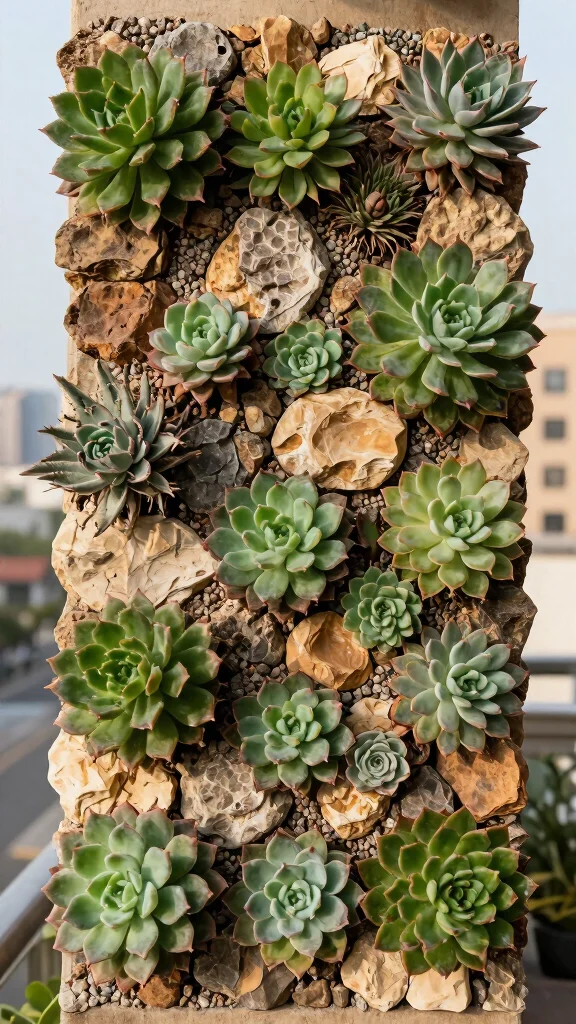
Elevate plain walls into stunning vertical gardens with succulent and rock walls! This concept incorporates wall-mounted planters filled with succulents, beautifully cascading against a backdrop of decorative stones. It’s a fantastic way to utilize space while creating a unique landscape feature.
Consider using wall-mounted grids or pocket systems filled with succulent varieties for a living wall that adds life to your outdoor area.
Essential tips include:
– Ensure the wall can support the weight of plants and soil.
– Use well-draining soil to promote healthy growth.
– Mix textures and colors for a lively appearance.
With succulent and rock walls, your gardening experience transforms into a work of art, adding dimension and excitement to your landscape.
Succulent and Rock Walls
Editor’s Choice

Ogrmar 18 Pockets Vertical Wall Garden Planter Plant Grow Bag for Flower…

Virekm River Rocks, Decorative Ornamental Pebbles,Garden Landscaping Sto…

Make Good PlantPod Luxe – Self-Watering Wall Planters (Set of 6) – Easy …
7. Seasonal Color Changes
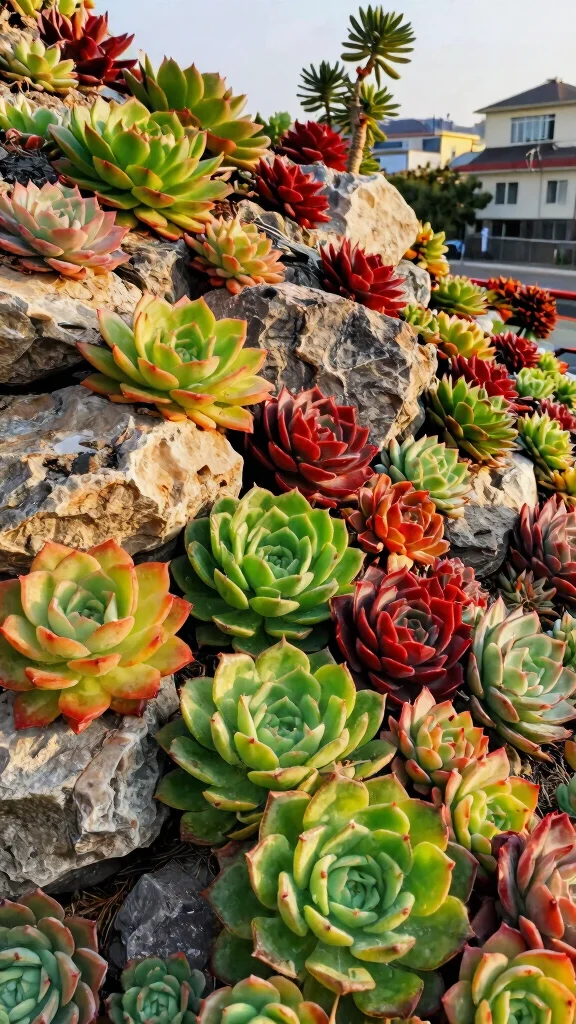
Celebrate the beauty of the seasons by choosing plants that offer color variation throughout the year. Succulents like stonecrop and sedum can change colors with the seasons, adding a dynamic touch to your rock garden. In spring, you’ll see vibrant greens, while fall brings stunning reds and oranges.
To achieve seasonal beauty, consider planting:
– Early bloomers like succulent roses for spring.
– Autumn varieties showcasing vibrant fall colors.
– A mix of textures to enhance visual appeal year-round.
By selecting seasonally changing succulents, your rock garden remains captivating all year, allowing you to enjoy nature’s artistry.
Seasonal color in succulent rock garden landscaping keeps the yard fresh all year—no repaint needed. With stonecrop and sedum shifting from greens to vibrant reds and oranges, you get curb appeal that evolves with the seasons.
You Might Also Like

Seasonal Color Changes
Editor’s Choice

DUSPRO Succulents Soil Potting Mix – 7 in 1 Ingredients Well-Draining,…
Altman Plants, Live Succulent Plants (20 Pack) Assorted Potted Succulent…
8. Low-Maintenance Succulent Swags
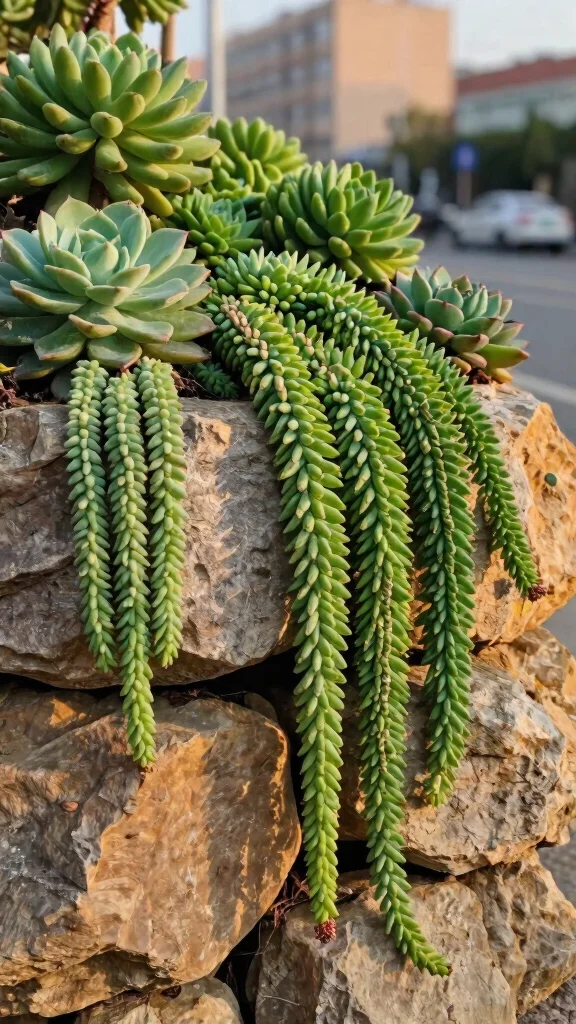
Create a relaxed atmosphere with low-maintenance succulent swags that elegantly drape over rocks or hanging structures. Using cascading varieties like string of bananas or fishhook succulent can introduce a playful element to your landscape, filling gaps in your rock garden design with minimal effort.
Consider these insights:
– Use hanging planters or wall-mounted displays for an intriguing look.
– Combine swags with upright succulents for design balance.
– Water only when the soil is completely dry to avoid rot.
With low-maintenance succulent swags, you’ll create a lush and inviting environment that’s easy to care for while being visually stunning.
Low-Maintenance Succulent Swags
Editor’s Choice
DUSPRO Succulents Soil Potting Mix – 7 in 1 Ingredients Well-Draining,…

Yesland Ceramic Hanging Mini Flower Planters, Wall or Ceiling Mount – Da…

Shop Succulents String of Bananas Hanging Succulent, Senecio Radicans, F…
Conclusion

Creating a succulent rock garden is not only about beautifying your space but also about embracing a sustainable and drought-tolerant approach to landscaping.
Each idea presented offers unique ways to incorporate stunning succulent varieties into your garden while ensuring low maintenance and water conservation. With a little creativity and planning, your outdoor area can become a lush, resilient oasis that reflects your personality and style. Consider trying out these ideas to make your gardening dreams come true!
Note: We aim to provide accurate product links, but some may occasionally expire or become unavailable. If this happens, please search directly on Amazon for the product or a suitable alternative.
This post contains Amazon affiliate links, meaning we may earn a small commission if you purchase through our links, at no extra cost to you.
Frequently Asked Questions
Which succulent varieties thrive in a desert-inspired succulent rock garden landscaping for urban spaces?
For urban, drought-prone spaces, start with iconic succulent varieties that handle heat and dry conditions. In a succulent rock garden landscaping for urban spaces, look for low-water champions like Echeveria, Sedum, Sempervivum, Crassula, Aloe, and compact Agave cultivars. Pair rosettes with upright accent plants to create vertical interest within your rock garden design. Choose color and texture contrasts to boost landscape aesthetics while keeping maintenance manageable. Finally, tailor plant choices to sun exposure and drainage, which is key for low-maintenance gardening success.
How can I design a drought-tolerant rock garden landscaping that is low-maintenance and fits small urban spaces?
Start with a simple, scalable plan: sketch the layout, allocate sunny zones for sun-loving succulents, and use raised beds or containers to maximize space. Build a gritty soil mix (70% inorganic material like pumice, perlite, coarse sand; 30% organic matter) for excellent drainage. Use a water-wise irrigation plan such as a drip line or soaker hose, delivering water directly to roots only when needed. Group plants by similar water needs and avoid over-planting, which keeps low-maintenance gardening in check. Use decor rocks and mulch to suppress weeds and improve aesthetics, a core part of rock garden design.
What soil, drainage, and watering practices ensure a healthy succulent rock garden landscaping?
Prioritize drainage over nutrients: use a well-draining cactus mix or create your own gritty mix with pumice, sand, and perlite. Ensure pots or beds have drainage holes and a slope away from foundations. Water deeply but infrequently, letting the soil dry completely between drinks; in hot months, water monthly or less, in cooler months reduce watering further. Mulch lightly with gravel to retain moisture and regulate temperature. Regularly inspect for pests and adjust watering by season to support drought-tolerant plants.
How can I choose rocks, textures, and hardscape elements to enhance landscape aesthetics in a desert-inspired succulent rock garden landscaping?
The right rocks set the stage. Mix sizes and textures—crushed gravel, smooth river stones, and jagged boulders—to create depth and contrast in your landscape aesthetics. Use a cohesive color palette inspired by the desert (warm terracotta, gray, cream) and repeat materials for unity. Place larger stones as anchors, stepping stones for accessibility, and add raised borders to define beds. Consider sun/shadow patterns during the day and place plants so they glow against the rocks in your rock garden design.
What maintenance tips help keep a desert-inspired succulent rock garden landscaping vibrant through seasons and heat waves?
Keep it simple: remove dead or stretched growth, prune leggy succulents to encourage compact form, and replace stressed plants quickly. Check irrigation lines after heavy winds or storms and repair leaks promptly. In spring, refresh with a light dusting of compost or slow-release fertilizer for succulent varieties, but avoid overfeeding. Protect tender species from frost and extreme cold by moving pots indoors or providing cover. Regularly weed and clean the rock surfaces to preserve the crisp, drought-tolerant look of your succulent rock garden landscaping.
Related Topics
succulent rock garden
drought-tolerant plants
urban landscaping
rock garden design
low-maintenance gardening
desert landscaping
succulent varieties
outdoor aesthetics
beginner friendly
sustainable gardening
landscape design ideas
seasonal gardening