
Creating a beautiful garden has always been a passion project for many. Lately, I’ve found myself craving that rich, warm look that only red mulch can bring to a landscape. It’s not just about aesthetics, though; red mulch has practical benefits too, like helping to retain moisture and suppress weeds. If you’re someone who loves gardening and wants to elevate your outdoor space, this post is perfect for you.
In this guide, I’ve gathered seven red mulch landscaping ideas that will add warmth and vibrant color to your yard. You’ll discover how to use red mulch in various settings, from edible gardens to flower beds and even pathways. Each idea is not only visually appealing but also practical, giving you tips and inspiration to transform your garden into a welcoming retreat. Let’s dig into these ideas that will surely enhance your outdoor experience!
Key Takeaways
– Aesthetic Appeal: Red mulch adds warm tones to your garden, enhancing overall visual interest and creating inviting spaces.
– Practical Benefits: It helps retain soil moisture and reduces weed growth, making gardening easier and more efficient.
– Edible Garden Borders: Use red mulch to define borders around edible plants, improving their visibility while keeping the soil healthy.
– Colorful Flower Beds: Surround your flower beds with red mulch to highlight their colors and create a striking contrast.
– Pathway Enhancement: Create inviting pathways with red mulch, making them more attractive and easier to navigate throughout your garden.
1. Edible Garden Borders with Red Mulch

Have you ever thought about how to make your edible garden stand out? Surrounding your garden with red mulch not only gives it a defined shape but also infuses warmth and color into the space. Picture a vibrant garden bursting with tomatoes, peppers, and herbs, all beautifully framed by a rich carpet of red mulch. This colorful barrier effectively suppresses weeds and retains soil moisture, allowing your plants to thrive effortlessly.
Pairing red mulch with green leafy vegetables like lettuce or bright strawberries creates a stunning visual contrast. You can also add decorative stones or wooden edging to define your garden area and elevate its aesthetic appeal.
Pro Tip: When laying down red mulch, aim for a thickness of at least three inches to ensure it effectively controls weeds and retains moisture. Regularly check the mulch and refresh it as necessary to keep your garden vibrant all year long.
Edible Garden Borders with Red Mulch
Editor’s Choice

Back to the Roots 25.7qt (1 Cubic ft) Organic Premium Mulch


2-Inch x 100 FT Landscape Edging Border with 150 Stakes, Plastic Edging …
2. Colorful Flower Beds Surrounded by Red Mulch

Are you ready to unleash your creativity in your landscaping? Flower beds surrounded by red mulch can truly elevate your outdoor space. The bright red mulch serves as a perfect backdrop that makes your flowers’ colors pop, whether you opt for sunny yellows, rich purples, or crisp whites.
Consider planting a mix of perennial and annual flowers to ensure a stunning display throughout the seasons. Not only does red mulch enhance the visual appeal, but it also benefits the soil by keeping the temperature stable and suppressing weeds.
Design Tip: To create a layered effect, position taller flowers like sunflowers or hollyhocks at the back of your flower bed, with shorter blooms like marigolds or snapdragons in the front. This setup ensures a lush, textured look, beautifully framed by the red mulch, making your flower bed a true focal point in your garden.
Colorful Flower Beds Surrounded by Red Mulch
Editor’s Choice

200,000+ Wildflower Seeds Bulk (4oz) – 16 Varieties Perennial & Annual…

Mulch Worx Red Mulch Color Concentrate – Quart – Treats 2,800 Sq. Ft. – …
3. Pathways Made Inviting with Red Mulch

Looking to enhance the beauty of your garden with inviting pathways? Red mulch is an excellent choice for this purpose. Imagine strolling through your garden, guided by paths lined with soft, warm red mulch that beautifully complements the surrounding greenery.
You can define your pathways simply with red mulch between planting beds or create specific walking trails. The rich color draws the eye and provides a striking contrast against green grass or foliage, making each step through your garden a delightful experience.
Practical Insight: As you design your pathways, consider weaving your trails for a more natural flow that invites exploration. Using landscape fabric underneath the mulch can minimize weed growth, ensuring your pathways remain beautiful and functional for years to come.
Pathways Made Inviting with Red Mulch
Editor’s Choice

VEVOR Compost Spreader, 24 in Wide Peat Moss Spreader with T Shaped Hand…
Back to the Roots 25.7qt (1 Cubic ft) Organic Premium Mulch
4. Vegetable Garden Raised Beds with Red Mulch

Do you want to elevate your gardening game? Raised garden beds topped with red mulch offer both aesthetic appeal and functional benefits. The vibrant red mulch creates a stunning contrast against your green vegetables while helping to maintain moisture levels and soil temperature, which are crucial for healthy plant growth.
Building raised beds with a wooden frame enhances their beauty against the red mulch, creating a striking visual effect. As you plant your favorites like carrots, radishes, and zucchini, the red mulch perfectly frames the beds, giving your vegetable garden a polished, organized appearance.
Maintenance Tip: Regularly check for any decomposition of the mulch and refresh it yearly to keep the colors vibrant and provide the best environment for your plants’ growth.
Raised beds topped with red mulch in a vegetable garden are a game changer. They’re a key part of red mulch landscaping ideas, adding warm color, reducing watering, and keeping soil temperatures steadier so carrots and radishes grow stronger.
📹 Related Video: Best Mulch for Vegetable Gardens – And How To Apply It Correctly.
You might also like


How To Choose the Right Red Mulch for Your Garden
When it comes to red mulch landscaping ideas, selecting the right mulch can make all the difference in your garden’s appearance and health. Here are some key factors to consider when choosing the suitable red mulch for your yard.
1. Mulch Type
There are various types of red mulch available, such as shredded wood, pine bark, and rubber mulch. Shredded wood is often more affordable and natural but may decompose quickly. Pine bark lasts longer but can be pricier. Rubber mulch is durable and colorful but may not provide the same benefits as organic options. Consider your garden’s needs when selecting the type of mulch.
2. Color Intensity
Different brands offer various shades of red. Some may appear brighter or more vibrant, while others may have a darker, earthy tone. If you want a warm garden design, pick a shade that complements your plants and flowers. The right color can enhance your garden’s overall aesthetic and create a welcoming atmosphere.
3. Size and Texture
The size of mulch pieces can also affect your garden’s look. Fine mulch can create a smooth appearance, while larger chunks provide a more rustic feel. For edible gardens, consider using larger pieces to allow water to penetrate easily. Always aim for a texture that suits your garden style, whether modern or traditional.
4. Budget
Mulch prices can vary significantly. Compare costs between different types and brands to find the best fit for your wallet. Remember that you may need to replace organic mulch every year or so, while rubber mulch may last longer but comes with a higher initial cost. Factor in longevity when making your budget.
5. Red Mulch Benefits
Red mulch can provide several benefits beyond aesthetics. It helps with moisture retention, weed suppression, and soil temperature regulation. If you’re landscaping with mulch in edible gardens, choosing an organic option can improve soil health over time. Be sure to weigh these benefits against your garden’s needs and maintenance requirements.
6. Local Availability
Check with local garden centers and landscaping suppliers to see what types of red mulch are available in your area. Some regions may have specific types that are more suitable due to climate or soil conditions. Supporting local businesses can also lead to better advice tailored to your gardening needs.
Pro Tip: Always test a small area before committing to a large purchase. Spread a little mulch and see how it looks with your plants and overall landscape design before going all in. This way, you can ensure you’re happy with the color and texture!
Vegetable Garden Raised Beds with Red Mulch
Editor’s Choice
Back to the Roots 25.7qt (1 Cubic ft) Organic Premium Mulch

Sustee Aquameter, Set of 5, Plant Soil Moisture Sensor (Green, Small)

Yaheetech 8×2ft Wooden Horticulture Raised Garden Bed Divisible Elevate…
5. Decorative Edges with Red Mulch and Stone

Want to add an elegant touch to your garden? Combining red mulch with decorative stones creates beautiful borders that enhance your garden’s charm while showcasing your plants’ striking colors. This method allows you to mix different textures and colors, adding depth to your landscaping.
Defined edges around flower beds or vegetable gardens can be accomplished effortlessly with this combination. The red mulch serves as a vibrant liner, while the stones add a rustic touch, giving your garden a polished look.
Creative Tip: Choose stones that complement the red mulch color scheme, such as light gravel or smooth river rocks. This combination creates a stunning visual contrast while maintaining a natural, pleasing aesthetic.
❝ Red mulch landscaping ideas include decorative edges with red mulch and stone that cut weeding time by up to 60%, while boosting color and texture. For edible garden landscaping with red mulch, this practical border design is both stylish and functional. ❞
Decorative Edges with Red Mulch and Stone
Editor’s Choice

Premium Mulch for Landscaping, 9 Cubic Feet Total, 6 Large Bags, 1.5 Cu …
2-Inch x 100 FT Landscape Edging Border with 150 Stakes, Plastic Edging …

FANTIAN 20 lbs Large River Rocks for Outdoor Landscaping, 3-4 Inch Decor…
6. Seasonal Interest with Red Mulch

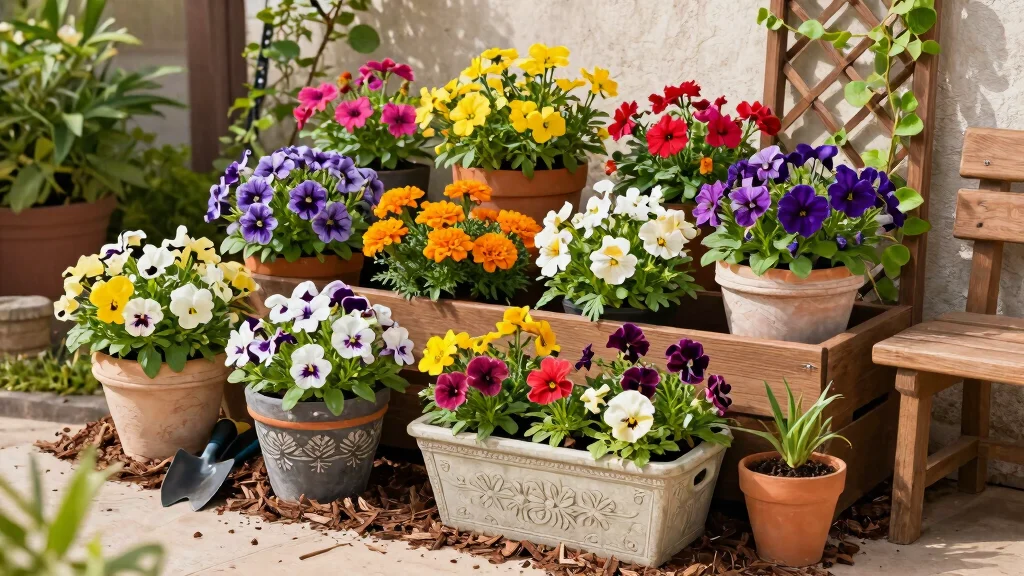
Are you looking to enhance your garden’s seasonal displays? Red mulch offers a stunning backdrop that beautifully complements the colors of various plants throughout the year. In spring, vibrant flowers bloom against the rich red mulch, while in autumn, colorful foliage contrasts beautifully with its hue.
By strategically planting seasonal flowers alongside your red mulch, you can create dynamic visual displays that change with the seasons. Consider using annuals like petunias or impatiens in spring and summer, and chrysanthemums or asters in fall for year-round color and interest.
Seasonal Tip: Refresh your mulch layer regularly to keep it bright and vibrant, enhancing your garden’s overall appeal throughout the year.
You Might Also Like

Seasonal Interest with Red Mulch
Editor’s Choice
VEVOR Compost Spreader, 24 in Wide Peat Moss Spreader with T Shaped Hand…
Back to the Roots 25.7qt (1 Cubic ft) Organic Premium Mulch

5500+ Petunia Seeds, Pack for 2026 USA Premium Non-GMO Flower Seeds Mixe…
7. Zen Garden Elements Enhanced with Red Mulch
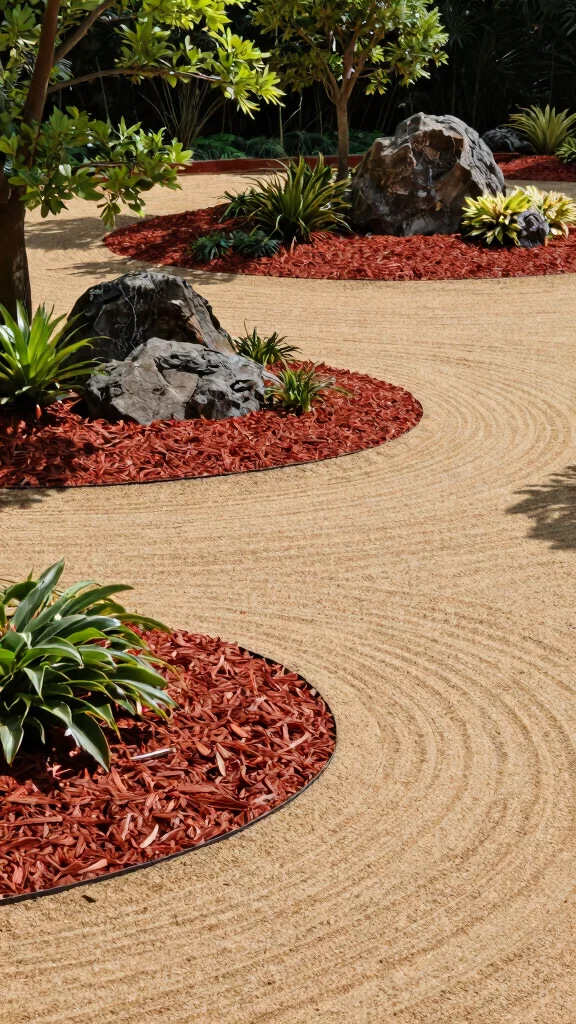
Want to create a tranquil escape in your garden? Incorporating red mulch into a Zen garden can add both warmth and visual intrigue. The deep red tones bring a comforting touch to the minimalist aesthetics of Zen gardens, enhancing the calming atmosphere.
Use red mulch to outline sand or gravel areas or to frame larger rocks and ornamental plants, creating clear distinctions between various elements. The warm hue softens the starkness typical of Zen designs, adding vibrancy that invites relaxation and contemplation.
Zen Design Tip: Choose a variety of plants that thrive in your climate, considering bamboo or ornamental grasses. Combining these elements with red mulch will create harmonious balance, promoting a peaceful garden sanctuary.
Red mulch brings warmth to a Zen garden—outlining sand paths and framing rocks creates calm, intentional contrast. Pro tip: use it sparingly to guide the eye and enhance minimalist simplicity without overpowering the scene.
Zen Garden Elements Enhanced with Red Mulch
Editor’s Choice
33ft. Stainless Stee Steel Landscape Edging (10-Pack) – 40″ Metal Edgi…
Lifetop Painting Rocks for Garden, 12PCS Drilled DIY Painting Rocks with…
Back to the Roots 25.7qt (1 Cubic ft) Organic Premium Mulch
Conclusion

Incorporating red mulch into your landscaping offers a myriad of benefits beyond aesthetics. From moisture retention to soil improvement and weed control, red mulch is a top choice for any gardener aiming to enhance their outdoor space with a touch of warmth and color.
These seven ideas highlight the versatility of red mulch, encouraging you to creatively integrate this rich material into your yard. Whether you’re planting an edible garden, designing flower beds, or creating pathways, red mulch can transform your landscape into a vibrant haven filled with life. Let your garden flourish with warmth and color!
Note: We aim to provide accurate product links, but some may occasionally expire or become unavailable. If this happens, please search directly on Amazon for the product or a suitable alternative.
This post contains Amazon affiliate links, meaning we may earn a small commission if you purchase through our links, at no extra cost to you.
Frequently Asked Questions
How can red mulch landscaping ideas be used in an edible garden to boost warmth and color?
red mulch landscaping ideas work well in edible gardens by warming the soil for early crops and adding bold color.
Apply a 2–3 inch layer around vegetable beds and herbs, keeping mulch a few inches away from stems to prevent rot.
The mulch benefits include moisture retention and weed suppression, while creating a striking contrast that complements warm garden designs and garden color schemes.
When choosing mulch types for landscaping, opt for dyed red hardwood mulch labeled safe for edible plants, or natural red-toned mulches and compost to achieve color without harsh chemicals.
Reapply as needed after heavy rain or season change.
What are the red mulch benefits for landscaping in an edible garden?
Using red mulch offers several red mulch benefits in an edible garden: it warms the soil, helps with moisture retention, and reduces weeds, which saves time and protects crops.
It also enhances aesthetics, fitting into garden color schemes and warm garden designs.
For vegetables, keep mulch a few inches away from stems and use a 2–3 inch depth around beds for best results.
As the mulch decomposes, it can improve soil health, especially when layered with compost.
Choose dyed mulch labeled safe for edible plants, or use natural red-toned mulches to minimize chemical exposure.
Which mulch types for landscaping work best with red mulch landscaping ideas in an edible garden?
Mulch types for landscaping that pair well with red mulch landscaping ideas include dyed hardwood mulch for a bold, uniform color, natural red-toned bark mulches for a subtler look, and cedar or pine bark for excellent mulch benefits around edible beds.
Avoid using fresh wood chips from treated lumber near edibles and keep a 2–3 inch layer to prevent soil smothering.
Choose sources with safe labeling for gardens and herbs, and refresh mulch seasonally or after heavy rains.
How can red mulch enhance garden color schemes and fit warm garden designs?
Red mulch naturally anchors garden color schemes by providing a bold contrast to greens and purples found in edible plants and ornamentals.
It works beautifully to highlight focal points like herbs, berries, or decorative grasses and pairs well with curved paths and stone features typical of warm garden designs.
In an edible garden, use red mulch to define borders and create cohesive color blocks around beds, while keeping a balanced mix with cooler-toned greens for visual harmony.
What maintenance tips should I follow when using red mulch in an edible landscape?
Maintain a healthy red mulch layer by inspecting for settled areas and reapplying a new top layer 1–2 inches as it decomposes, especially after rain.
Keep mulch away from plant stems and crowns to prevent rot, and aim for a 2–3 inch depth around most edibles.
Choose mulch types for landscaping labeled safe for edible plants, and monitor soil moisture since mulch helps with retention but doesn’t replace watering.
If color fades, you can refresh with a new application rather than piling on more material, preserving soil health and a tidy edible landscape.
Related Topics
red mulch landscaping
garden color schemes
edible garden design
warm garden aesthetics
mulch benefits
landscaping techniques
easy landscaping
seasonal gardening
vibrant outdoor spaces
landscaping with mulch
beginner gardening
red mulch ideas