
Creating a beautiful garden in the Pacific Northwest can be both a joy and a challenge. With its unique climate, diverse ecosystems, and stunning natural beauty, this region offers a wealth of inspiration for gardening enthusiasts. Whether you’re a seasoned gardener or just starting, the possibilities are endless. I put this post together to share some creative landscaping ideas that embrace the best of what the Pacific Northwest has to offer.
If you’re someone who appreciates native plants, sustainable gardening, and innovative garden design, you’re in the right place. Urban spaces can feel limiting, but with the right strategies, you can transform even the smallest area into a vibrant oasis. This guide will provide you with seven unique landscaping ideas that are not only practical but also enhance your outdoor living experience while respecting the local environment.
In this blog post, you’ll discover how to incorporate native plants into your garden, create cozy outdoor spaces, and design a rain garden that helps manage water runoff. Each idea is designed to help you connect with nature, boost your home’s curb appeal, and encourage sustainability in your gardening practices. Let’s explore how you can turn your outdoor area into a stunning reflection of the Pacific Northwest!
Key Takeaways
– Embrace Native Plants: Using native plants not only enhances your garden’s beauty but also supports local wildlife and requires less water and maintenance.
– Consider Vertical Gardens: Perfect for small urban spaces, vertical gardens save space and add greenery to your home while creating a unique design feature.
– Create Cozy Outdoor Living Spaces: Design your outdoor area to be inviting with comfortable seating, lighting, and elements that encourage relaxation and gatherings.
– Implement Hardy Pathways: Use natural stone or other durable materials to create beautiful and functional pathways that enhance accessibility in your garden.
– Design Rain Gardens: These eco-friendly gardens help manage excess rainwater, reduce runoff, and create a beautiful habitat for native plants and wildlife.
1. Embrace Native Plants for Authentic Beauty
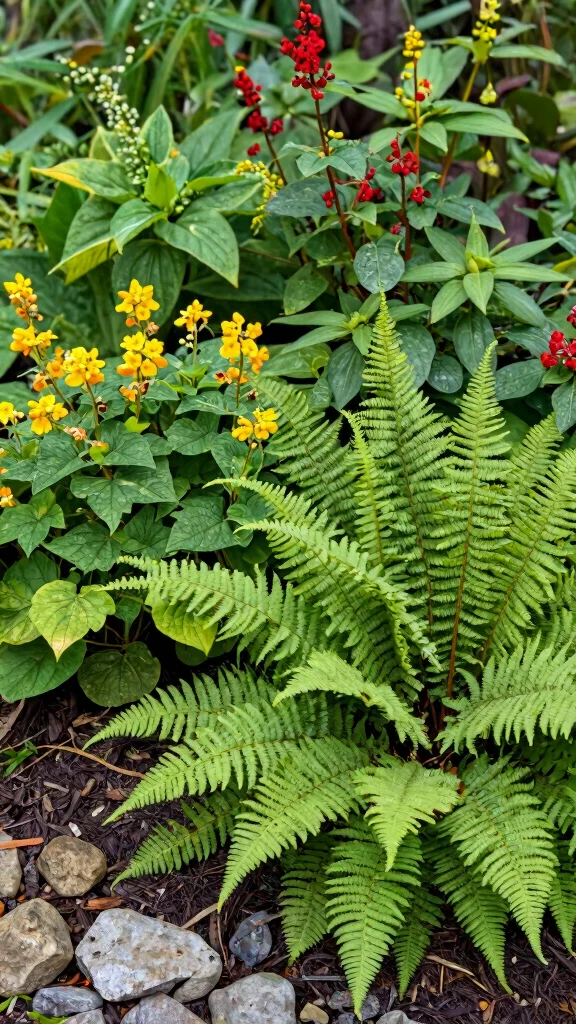
If you’re looking to create a landscape that feels truly connected to the Pacific Northwest, native plants are your best friends. These beautiful plants are not only visually appealing but also perfectly designed for the local climate. They require less water and maintenance, making them a practical choice for any gardener. Imagine lush greens and vibrant blooms that attract local wildlife and enhance your garden’s ecosystem.
Start by exploring the diverse range of native species available to you. Mix and match trees, shrubs, and perennials to create a layered look filled with texture and color. By grouping plants based on their watering needs, you can also promote efficient irrigation, which saves time and resources.
Here are some tips for using native plants in your landscaping:
– Combine various species: Use trees, shrubs, and flowers for a rich look.
– Group by water needs: This helps manage irrigation effectively.
– Visit local nurseries: Get healthy plants and expert advice.
By choosing native landscaping, you not only beautify your garden but also contribute to a healthier environment.
Embrace Native Plants for Authentic Beauty
Editor’s Choice
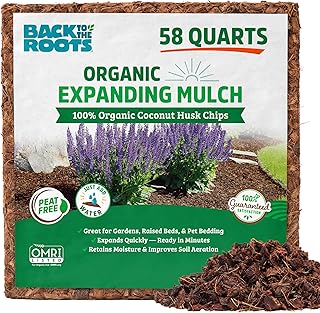
Back to the Roots 100% Organic Mulch, 58 Quart, Expanding Coconut Husk B…


The Timber Press Guide to Vegetable Gardening in the Pacific Northwest (…
2. Vertical Gardens: A Space-Saving Solution

Living in the city often limits your gardening space, but vertical gardens can transform any bare wall into a stunning green paradise. This innovative gardening style allows you to maximize limited areas while adding a touch of nature to your urban lifestyle. With the right plants and design, you can create a living work of art that enhances your outdoor experience.
To get started, select climbing plants or wall-mounted planters that suit your space. Consider using edible options like peas or vibrant flowers to create visual interest. Make sure to choose weather-resistant materials for durability in the Pacific Northwest’s climate.
Here are some points for designing your vertical garden:
– Choose sturdy materials: Use weather-resistant planters for longevity.
– Layer plants: Combine tall and trailing plants for depth.
– Assess sunlight exposure: Ensure the plants receive the right amount of light.
This space-saving solution not only maximizes your gardening potential but also adds a unique artistic flair to your home.
Vertical Gardens: A Space-Saving Solution
Editor’s Choice
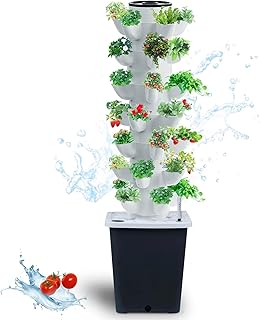
Hydroponics Tower Indoor Growing System Vertical Garden Planter Indoor S…

Make Good PlantPod Luxe – Self-Watering Wall Planters (Set of 6) – Easy …

50+ Butterfly Pea Flower Seeds for Planting, Non-GMO Flower Seeds, Blue …
3. Create Cozy Outdoor Living Spaces

Embracing the outdoor lifestyle is essential in the Pacific Northwest, and a cozy outdoor living area is the perfect way to enjoy nature. Imagine a space where you can unwind or entertain friends, complete with comfy seating and warm accents. Thoughtful design can make your outdoor area feel like an extension of your home, inviting and enjoyable at all times.
Begin by selecting comfortable furniture, such as reclaimed wood benches adorned with vibrant cushions. Incorporate elements like fire pits or string lights to create a warm, welcoming atmosphere. Consider adding colorful planters filled with native flowers to enhance the charm of your space.
Here are some ideas to consider:
– Select durable furniture: Choose weather-resistant materials for longevity.
– Add fire features: A fire pit extends outdoor enjoyment into cooler evenings.
– Use natural colors: Reflect the landscape with earthy tones in your decor.
Designing a cozy outdoor living space transforms your yard into a delightful retreat that captures the essence of life in the Pacific Northwest.
Create Cozy Outdoor Living Spaces
Editor’s Choice

Portable Outdoor Fire Pit 22 Inch – New Upgraded Camping Fire Pit Collap…
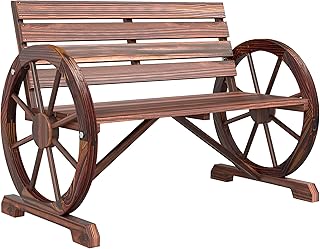
Outsunny 41″ Wooden Wagon Wheel Bench, Rustic Outdoor Patio Bench Weathe…

All Smiles Outdoor Patio Throw Pillow Covers 18×18 Set of 4 Spring Summe…
4. Hardy Pathways with Natural Stone

Paths are more than just routes through your garden; they enhance the style and structure of your outdoor area. In the Pacific Northwest, using natural stone for pathways creates a seamless blend between your garden and the surrounding nature. The unique shapes and textures of the stone add character, making your space feel more inviting.
Opt for locally sourced stones that complement the landscape’s natural beauty. Crafting pathways with irregular shapes encourages exploration and adds a touch of whimsy to your garden. Layer these paths with low-growing native plants for a cohesive look that ties everything together.
Consider these elements when designing your pathway:
– Use durable materials: Natural stone withstands weather beautifully.
– Plant greenery along edges: Softens the hardscape with color and texture.
– Incorporate curves: A winding path feels more organic and inviting.
By thoughtfully planning your pathways, you enhance both the functionality and aesthetics of your landscaping, celebrating the natural beauty of the Pacific Northwest.
Fun fact: In Pacific Northwest landscaping, locally sourced natural stone for pathways can cut transport emissions by up to 40%. Choose irregular shapes to invite exploration and blend with mossy beauty.
You might also like


Top Varieties for Different Conditions
1. Oregon Grape (Mahonia aquifolium)
– Best conditions: Thrives in shady gardens and rocky areas. It loves the Pacific Northwest climate, especially moist soil.
– Key features: This evergreen shrub showcases stunning yellow flowers in spring and produces blue berries in summer. Its spiky leaves add texture and interest year-round.
– Considerations: While hardy, it can become invasive if not managed properly. Regular pruning helps keep it in check.
2. Redtwig Dogwood (Cornus sericea)
– Best conditions: Perfect for wet areas and gardens needing some color, especially in winter.
– Key features: Its striking red stems provide bright color against the snow, making it a popular choice for seasonal interest.
– Considerations: It requires frequent pruning to maintain its vibrant color and bushy growth.
3. Kinnikinnick (Arctostaphylos uva-ursi)
– Best conditions: Ideal for sunny, dry slopes or as ground cover in smaller spaces.
– Key features: This low-growing evergreen is drought-tolerant and produces delightful pink flowers that attract pollinators.
– Considerations: It needs well-drained soil and performs poorly in heavy clay.
4. Western Sword Fern (Polystichum munitum)
– Best conditions: Grows well in shaded and moist areas, making it suitable for forest-like gardens.
– Key features: This lush fern thrives under conifers and provides a soft, green backdrop throughout the year.
– Considerations: It can spread rapidly, so consider spacing if you want to control its growth.
5. Salal (Gaultheria shallon)
– Best conditions: Thrives in moist, acidic soils and partial shade, making it perfect for coastal gardens.
– Key features: Its glossy leaves and edible berries are favorites among wildlife. Salal can also serve as a ground cover to prevent erosion.
– Considerations: Be mindful of its spreading habit, which may need to be managed to avoid overcrowding.
6. Pacific Wax Myrtle (Myrica californica)
– Best conditions: Prefers coastal areas with well-drained soil and plenty of sunlight.
– Key features: This evergreen shrub has aromatic leaves and provides a habitat for various birds. It can act as a windbreak in exposed locations.
– Considerations: It can be challenging to transplant due to its deep roots. Plan accordingly if you decide to relocate it.
7. Creeping Thyme (Thymus serpyllum)
– Best conditions: Perfect for sunny, dry spaces and serves as an excellent ground cover due to its low growth.
– Key features: This fragrant herb blooms with tiny purple flowers in summer, attracting bees and butterflies. It’s great for pathways and rock gardens.
– Considerations: It may struggle in excessively wet or heavy clay soils.
Climate/Condition Guide:
– Temperate: Use native plants that thrive in well-drained soils, like the Oregon Grape or Redtwig Dogwood.
– Coastal: Look for plants like Pacific Wax Myrtle and Salal, which tolerate salt and moisture.
– Hot/Dry: Consider drought-tolerant options like Kinnikinnick and Creeping Thyme.
– Shaded Areas: Western Sword Fern and Redtwig Dogwood flourish in these conditions.
Growing Tips:
1. Always check the soil requirements for each plant to ensure a healthy growing environment.
2. Group plants with similar water and sunlight needs to simplify maintenance.
3. Mulching around your plants can help retain moisture and suppress weeds.
Avoid:
1. Don’t overwater your native plants; many prefer drier conditions once established.
2. Avoid using non-native species that may not adapt well to your regional climate.
By selecting the right varieties suited to your specific conditions, you can create a beautiful and sustainable garden that showcases the best of Pacific Northwest landscaping.
Hardy Pathways with Natural Stone
Editor’s Choice

Arcadia Garden Products Set of 4, 16×17” Dark Gray Stepping Stone Fibe…

EasyFlex No-Dig Landscape Edging with Anchoring Spikes, 2.7 in Tall Deco…
5. Rain Gardens for Eco-Friendly Design

Given the Pacific Northwest’s rainy reputation, rain gardens offer a fantastic opportunity to manage stormwater while beautifying your yard. These specially designed gardens capture and filter rainwater, allowing it to soak into the ground rather than draining away. By embracing this concept, you can create a beautiful landscape that also supports environmental health.
Incorporate native plants that thrive in wet conditions, such as Joe Pye weed and red-twig dogwood, to ensure your rain garden is both functional and attractive. By selecting the right location and plant heights, you can create a diverse ecosystem that benefits both your garden and the environment.
Here are some tips to create an effective rain garden:
– Choose the right spot: Place it where water naturally drains.
– Mix plant heights: Layer plants for visual interest and diversity.
– Add decorative stones: Enhance aesthetics while improving drainage.
Creating a rain garden not only enhances your landscape but also promotes sustainable practices vital for our environment.
Fun fact: In pacific northwest landscaping, rain gardens can capture up to 40% of seasonal runoff, easing flood risk. Plant natives like Joe Pye weed and red-twig dogwood to soak in water and support pollinators. It’s practical, beautiful, and eco-friendly.
Rain Gardens for Eco-Friendly Design
Editor’s Choice

Native Wildflower Seeds for Planting 24 Variety Pack – Perennial & Ann…

Kynup Gardening Tools, Garden Tools Set with Garden Trowel, Hand Garden …
6. Edible Landscapes: Gardening Meets Gastronomy

Imagine growing your own food while enhancing the beauty of your garden! Edible landscapes integrate fruits, vegetables, and herbs into your outdoor space, allowing you to enjoy fresh produce while adding color and life to your garden. The Pacific Northwest provides an ideal climate for a variety of delicious plants, making this approach both practical and rewarding.
Start by incorporating plants like blueberries, kale, and vibrant herbs. These not only look great but also taste fantastic. Designing raised beds can help structure your garden while improving drainage and soil health.
Here are some suggestions for creating an edible landscape:
– Design raised beds: They provide excellent drainage and accessibility.
– Mix ornamental and edible plants: Create a visually stunning and functional garden.
– Utilize vertical space: Use trellises for climbing plants to save room.
This approach fosters sustainable practices while creating a garden that nourishes both the body and the eyes!
📹 Related Video: Edible Landscaping – How to Create a Foodscape
You Might Also Like


Edible Landscapes: Gardening Meets Gastronomy
Editor’s Choice

zunatu 10x2x1ft(2 Pack) Galvanized Raised Garden Bed,Outdoor Planter Box…

Barnyard Designs Indoor Herb Garden Planter Set with Tray, Metal Windows…

Set of 43 Assorted Vegetable & Herb Seed Packets – Over 10,000 Seeds! – …
7. Seasonal Color with Native Perennials

To keep your garden vibrant all year long, incorporating native perennials is a fantastic choice. These plants bloom at different times, providing continuous color and visual interest throughout the seasons. Imagine a landscape alive with the vibrant hues of Coneflower, Black-eyed Susan, and Huckleberry, all while supporting local pollinators.
When selecting perennials, aim for a diverse mix that blooms at different times to maintain year-round beauty. Group plants based on their sunlight needs to optimize growth and vitality. Adding mulch will help retain moisture and control weeds, enhancing the overall appearance of your garden.
Here are a few tips for selecting and caring for perennials:
– Choose diverse species: Ensure blooms throughout the seasons for ongoing interest.
– Group by sunlight needs: Position sun and shade lovers accordingly.
– Add mulch: Retain moisture and improve garden aesthetics.
By embracing seasonal color with native perennials, you craft a stunning landscape that showcases the ever-changing beauty of the Pacific Northwest.
Fun fact: A year-round native-perennial mix boosts pollinator visits by up to 40% compared with a single-bloom bed. By staggering bloom times, Coneflower, Black-eyed Susan, and Huckleberry keep color alive through spring, summer, and beyond, supporting local ecosystems in Pacific Northwest landscaping.
Seasonal Color with Native Perennials
Editor’s Choice

Earth Science Perennial Wildflower Mix—6 lb—3-in-1 Formula with Prem…

Miracle-Gro Water Soluble Bloom Booster Flower Food Fertilizer – 10-52-1…
Conclusion

Embracing the beauty of the Pacific Northwest in your landscaping allows you to create a sustainable oasis right in your urban space.
By incorporating native plants, designing cozy outdoor areas, and promoting eco-friendly practices, your garden can celebrate the lush environment while providing a personal retreat.
Get inspired by these ideas and start planning your own unique garden today!
Note: We aim to provide accurate product links, but some may occasionally expire or become unavailable. If this happens, please search directly on Amazon for the product or a suitable alternative.
This post contains Amazon affiliate links, meaning we may earn a small commission if you purchase through our links, at no extra cost to you.
Frequently Asked Questions
What are the core elements of Pacific Northwest landscaping for small urban spaces?
In Pacific Northwest landscaping for small urban spaces, success comes from a few core elements: native plants that thrive in our regional climate, smart drainage and rain capture, and planting that maximizes every square inch. Start with a simple layout that layers vertical, shrub, and groundcover plants and includes a practical outdoor living space you can enjoy year-round.
Embracing native plants and sustainable gardening keeps water use down and supports local wildlife, while a thoughtful garden design that respects microclimates ensures plants perform well from damp shade to bright sun in the Pacific Northwest.
How can I design a sustainable Pacific Northwest garden in a compact lot?
Designing a sustainable Pacific Northwest garden in a compact lot starts with a quick site read: sun, shade, and moisture patterns. Choose native plants and climate-tolerant varieties, then build up with vertical features and container beds to maximize space. Use permeable surfaces, set up a rain barrel, and mulch to keep soil moist and weed growth down. Plan for year-round interest with evergreen structure and seasonal color so your garden remains welcoming in the regional climate.
With mindful garden design and outdoor living spaces, you can create a functional, beautiful landscape that fits a small urban yard.
Which native plants thrive in the Pacific Northwest for small spaces?
Native plants that shine in small spaces include salal, Oregon grape, red flowering currant, evergreen huckleberry, Pacific dogwood, sword fern, snowberry, and vanilla leaf. Combine evergreen structure for year-round shape with seasonal bloomers for color and texture, and group plants by sun and moisture needs to keep maintenance to a minimum. Always check sun/shade and soil moisture when planning in a tight area to ensure the right fit for your Pacific Northwest landscaping goals.
How can I create outdoor living spaces that stay sustainable in the Pacific Northwest climate?
To create outdoor living spaces that stay sustainable in the Pacific Northwest climate, start with a covered seating area or pergola to extend use through rain and drizzle. Use native plant screens for privacy and a small rain garden to manage runoff, plus permeable paving and mulch to reduce irrigation needs. Add energy-efficient lighting and consider a compact dining or cooking area to maximize usability without compromising sustainability. Your outdoor living spaces should feel inviting year-round while staying low-maintenance.
What common mistakes should I avoid when planning Pacific Northwest landscaping in a small urban area?
Common mistakes include over-reliance on non-native plants that don’t handle our wet winters, neglecting drainage and soil prep, and ignoring sun/shade patterns. Another pitfall is missing year-round appeal—our region shines in spring and fall, but winter interest matters too. Don’t underestimate irrigation needs in certain spots, or the value of vertical space and proper mulch. By focusing on sustainable gardening and garden design with native plants, you can prevent these issues and create a thriving Pacific Northwest landscape.
Related Topics
pacific northwest landscaping
sustainable gardening
native plants
urban garden design
outdoor living spaces
regional climate
eco-friendly landscaping
small space gardening
beginner friendly
seasonal planting
landscaping trends
low maintenance gardens