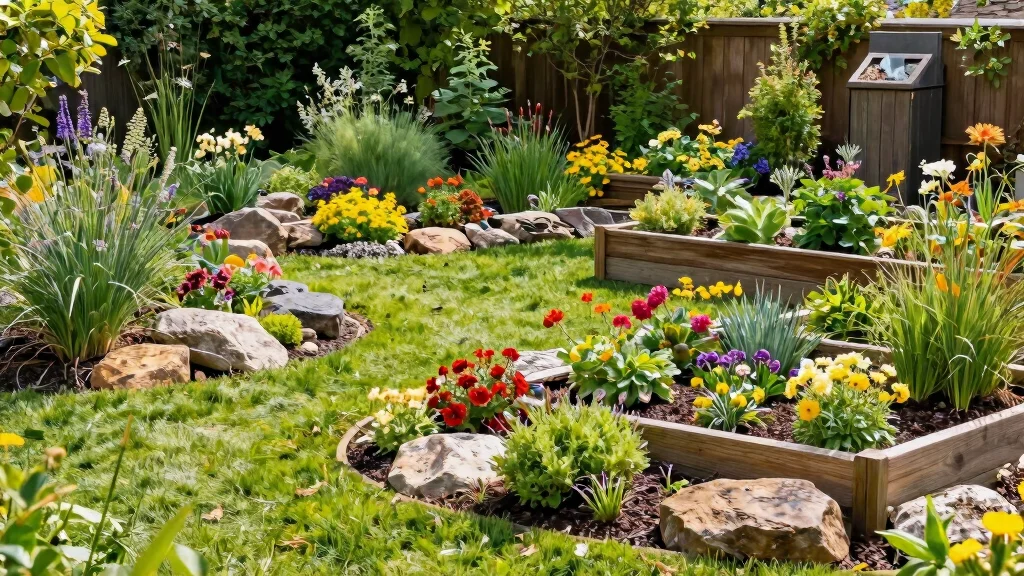
Creating a natural backyard can be a refreshing way to connect with nature. Each day, more people are seeking ways to enjoy stunning outdoor spaces that require minimal upkeep. If you find yourself yearning for a beautiful garden without the overwhelming maintenance, you’re not alone. This post is crafted especially for those who love the idea of eco-friendly landscaping but may not know where to start.
Whether you’re a seasoned gardener or just dipping your toes into the world of sustainable native plant landscaping, this guide will inspire you. You’ll discover ten fabulous ideas that embrace low maintenance landscaping while adding beauty to your backyard. These suggestions not only look great but also support local wildlife, making your garden a haven for beneficial pollinators and other native species.
Join me as we explore these easy-to-care-for plants and designs that promise to turn your outdoor space into a picturesque retreat with minimal effort. You’ll walk away with practical tips that make your backyard gorgeous and sustainable, allowing you to enjoy nature while minimizing your ecological footprint.
Key Takeaways
– Rock Gardens with Native Plants: Utilize natural stones and local flora to create a stunning yet low-maintenance design that thrives on minimal water.
– Pollinator-Friendly Flower Beds: Incorporate native flowering plants to attract bees and butterflies, promoting biodiversity in your backyard.
– Edible Landscaping with Native Plants: Combine beauty and functionality by choosing native edible plants to enhance your garden while providing fresh produce.
– Water-Saving Xeriscaping: Design your garden with drought-resistant plants to conserve water and reduce the need for constant irrigation.
– Natural Privacy Screens: Use native shrubs and trees to create a natural barrier that adds beauty and seclusion without a lot of upkeep.
1. Rock Gardens with Native Plants

Are you looking to enhance your backyard with a unique design that requires little upkeep? Rock gardens are a stunning solution that combines art and nature while promoting a sustainable environment. By using native plants that flourish in rocky terrains, you create a beautiful, low-maintenance oasis filled with colors and textures that stand out. Select plants like sedums, native grasses, and drought-resistant perennials to nestle among the stones for a striking effect.
Begin by arranging your plants based on their color and texture for a cohesive look. Larger boulders can serve as both decorative elements and habitats for beneficial insects, enhancing the garden’s eco-friendliness. Rock gardens also effectively absorb rainwater, aiding in soil conservation and reducing erosion.
Key tips for creating your rock garden:
– Choose local stones to blend with your landscape
– Pair plants with similar water needs for optimal growth
– Create varied heights for visual interest
– Use gravel paths for easy access and maintenance
Your rock garden will not only be visually appealing but also a sustainable choice that allows you to enjoy nature with minimal effort.
Rock Gardens with Native Plants
Editor’s Choice

Wildflower Seeds Bulk Mix – 10,000+ Perennial & Annual Seeds – Texas, Ca…


FANTIAN 20 lbs Natural River Rocks Mexican Beach Pebbles, 2-3 Inch Decor…
2. Pollinator-Friendly Flower Beds
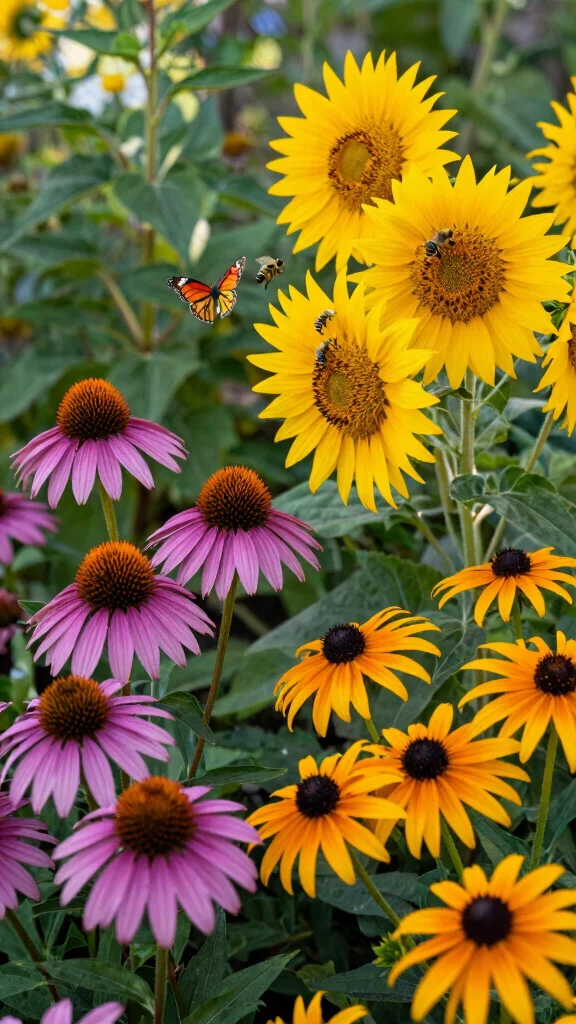
Do you want to create a vibrant space in your garden that supports local wildlife? A pollinator-friendly flower bed is both beautiful and beneficial, attracting bees, butterflies, and other essential insects. By planting a diverse selection of native flowers like coneflowers, sunflowers, and black-eyed Susans, you can create a colorful haven that thrives with minimal maintenance once established.
Arrange your flowers in clusters to create eye-catching bursts of color, making it easier for pollinators to find their food. Ensure that your garden features blooms from spring through fall for a continuous food supply. This approach not only enhances your garden’s beauty but also contributes significantly to local ecosystems.
Steps to design your pollinator-friendly bed:
– Use native flowers that require less water
– Avoid chemicals to protect pollinators
– Plant in groups for maximum impact
– Ensure variety for extended blooming periods
Your flower bed will flourish with vibrant colors and support important pollinator populations, making your garden a lively and essential habitat.
Pollinator-Friendly Flower Beds
Editor’s Choice

Burpee Wildflower 25,000 Bulk, 1 Bag, 18 Varieties of Non-GMO Flower See…

Organic Liquid Plant Food & Fertilizer – Indoor/Outdoor for Houseplant…
Farmer’s Secret Soil Revitalizer (32oz) – Organic (OMRI Listed) Dirt H…
3. Edible Landscaping with Native Plants

Why not turn your backyard into a blend of beauty and functionality? Edible landscaping allows you to cultivate fruits, vegetables, and herbs while enhancing your outdoor space. By incorporating native plants like elderberries and wild blueberries, you can enjoy stunning foliage and delicious produce with minimal effort.
Combine edible plants with ornamental varieties to create a visually appealing garden. For example, surround a flower bed with a border of chives, adding both beauty and culinary value. Consider adding fragrant herbs like lemongrass or lavender, which not only smell delightful but also attract beneficial insects.
To get started with edible landscaping:
– Plan your layout for sunlight and space
– Rotate crops annually for soil health
– Mix herbs with flowering plants for variety
– Use raised beds for easy access and maintenance
Your garden will not only provide fresh ingredients for your kitchen but also create a visually stunning landscape that thrives with minimal care.
Fun fact: native edible plants like elderberries and wild blueberries can cut maintenance time by up to 30% and reduce water use with drought-tolerant roots. Turn your natural backyard landscaping into beauty and harvest with minimal effort—edible, ornamental, and absolutely doable.
How To Choose the Right Plants for Natural Backyard Landscaping
Tools You’ll Need:
– Gardening gloves
– Trowel
– Ruler or measuring tape
– Soil testing kit
– Notepad and pen
Step 1: Assess Your Space
✔ Measure the area where you plan to plant.
✔ Consider sunlight exposure, drainage conditions, and existing vegetation.
Knowing your space helps you choose the right plants that will thrive in your unique environment. For example, if you have a sunny spot, choose sun-loving plants like lavender or coneflower.
Step 2: Determine Your Climate Zone
✔ Check the USDA Plant Hardiness Zone Map to find your local climate zone.
✔ Research plants that are suited for your particular zone.
Selecting plants that are native to your area can enhance your garden’s resilience. Native plants are adapted to local climate conditions and require less water and care.
Step 3: Consider Maintenance Levels
✔ Decide how much time you want to devote to garden care.
✔ Look for low maintenance landscaping options, such as drought-tolerant native plants.
For instance, succulents require little water and thrive in warm climates, making them an ideal choice for busy gardeners.
Step 4: Embrace Biodiversity
✔ Choose a variety of plants to support local wildlife, especially pollinators.
✔ Include flowering plants, ground covers, and shrubs to encourage a balanced ecosystem.
Diversity not only creates a beautiful garden design, but it also promotes a healthier environment. Adding plants like milkweed or bee balm can attract butterflies and bees.
Step 5: Select Colors and Textures
✔ Think about how colors and textures will look together.
✔ Choose a mix of flowering plants and foliage to create visual interest year-round.
For example, pairing soft, feathery grasses with bold, flowering perennials can add depth and beauty to your garden.
Pro Tip:
Before planting, create a layout or design on paper. This will help you visualize how different plants work together and ensure a cohesive look. Mark where taller plants will go, so they don’t overshadow shorter ones. Remember to enjoy the process! Gardening is not only about the end result but also the journey of planting and nurturing your backyard oasis.
Edible Landscaping with Native Plants
Editor’s Choice

GROWIT Plant Moisture Meter – Accurately Tells You When to Water Your Pl…

Seed Needs Herb Seeds Variety Pack Culinary Herb Collection (12 Individu…

zunatu 10x2x1ft(2 Pack) Galvanized Raised Garden Bed,Outdoor Planter Box…
4. Water-Saving Xeriscaping
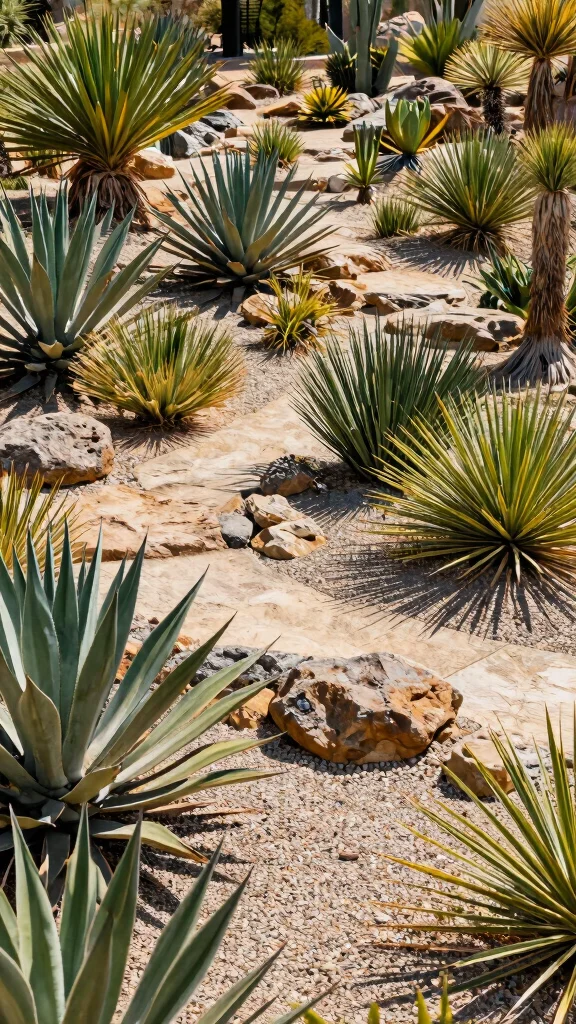
Are you seeking a gardening method that conserves water while still looking fantastic? Xeriscaping focuses on drought-tolerant plants, making it an ideal choice for low-maintenance landscapes. By selecting native plants adapted to your region, you can create a vibrant garden that thrives without constant watering.
Choose resilient plants like yucca, agave, and desert marigold for a colorful display. Group plants with similar watering needs to optimize irrigation and minimize waste. Using gravel, mulch, or stones will further reduce evaporation and enhance your garden’s aesthetics.
To design your xeriscape:
– Incorporate meandering pathways for interest
– Use seating areas to enjoy your garden
– Select varied textures and colors for visual appeal
– Plan for seasonal changes in plant growth
Your xeriscape will be both beautiful and functional, providing a unique outdoor space that requires minimal water and maintenance.
Water-Saving Xeriscaping
Editor’s Choice

10 Agave Americana Seeds for Planting – Century Plant Succulent Seeds

Rain Bird LNDDRIPKIT Drip Irrigation Landscape/Garden Watering Kit with …

XLUX Long Probe Deep Use Soil Moisture Meter, Water Monitor Indicator Se…
5. Natural Privacy Screens

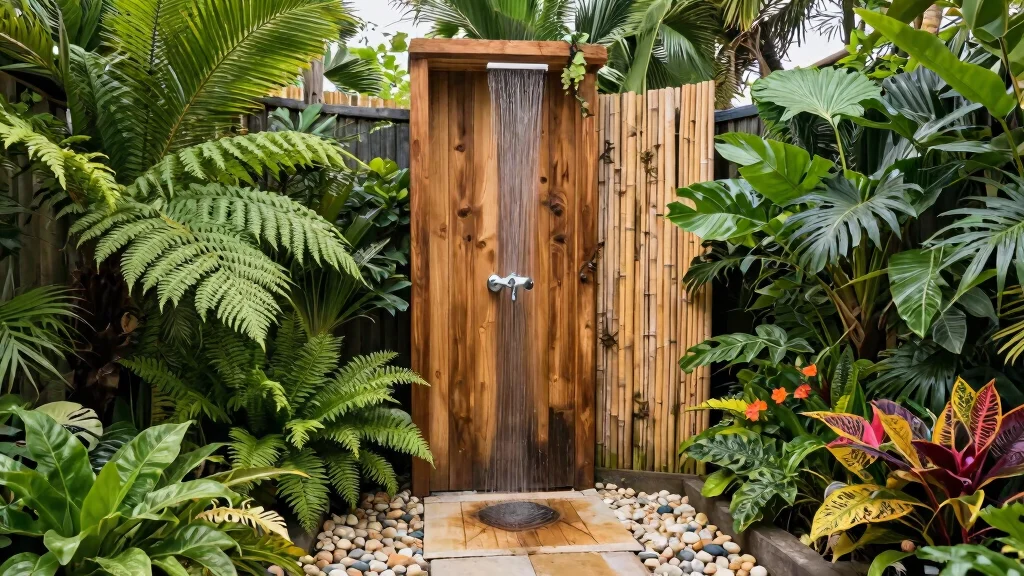
Do you crave privacy in your backyard without sacrificing beauty? Creating natural privacy screens with native plants is an eco-friendly alternative to traditional fences. Consider using tall grasses, shrubs, or trees that thrive in your area, like elderberries or serviceberries, to form a lush, secluded hedge.
This approach not only beautifies your space but also provides habitats for wildlife. Including seasonal flowering plants within your screen adds color and interest throughout the year. Space your plants adequately to ensure they develop into a dense barrier over time.
How to set up your natural privacy screen:
– Choose a mix of height and texture for diversity
– Incorporate flowering plants for seasonal appeal
– Allow ample growth space between plants
– Keep maintenance minimal with careful selection
Your natural privacy screen will create a serene oasis while supporting local wildlife, transforming your backyard into a beautiful retreat.
📹 Related Video: Backyard privacy ideas that go way beyond fencing
You might also like

Natural Privacy Screens
Editor’s Choice
Wildflower Seeds Bulk Mix – 10,000+ Perennial & Annual Seeds – Texas, Ca…
6. Mulched Flower and Vegetable Beds

Looking for a simple way to enhance your garden’s health while maintaining its beauty? Mulching is an effective technique that keeps soil moist, suppresses weeds, and enriches the ground as it breaks down. By using native materials like wood chips or straw, you support a thriving ecosystem while creating a polished look.
Create dedicated flower and vegetable beds, generously covering the soil with mulch for optimal plant health. This low-maintenance method minimizes watering and weeding, giving you more time to enjoy your garden. Regularly adding mulch throughout the growing season preserves its benefits and appearance.
Key steps for effective mulching:
– Use native materials for the best results
– Apply a thick layer to suppress weeds
– Refresh mulch regularly for aesthetic appeal
– Cultivate beds to maintain health and vitality
Your mulched garden will thrive with minimal effort, showcasing beauty and biodiversity all season long.
Mulched Flower and Vegetable Beds
Editor’s Choice

Best Choice Products Compost Spreader, 24-Inch Peat Moss Spreader, Heavy…

100% Natural Cedar Chips | Mulch | Great for Outdoors or Indoor Potted P…

55 Vegetable Seeds Variety Pack – 35,600+ Non-GMO Heirloom Seeds for Pla…
7. Raised Garden Beds for Easy Access

Want a gardening solution that combines accessibility and aesthetics? Raised garden beds offer a stylish way to garden sustainably. They improve drainage and soil quality while reducing the need for bending, making gardening accessible for everyone. Use native plants that flourish in your climate for a practical and beautiful setup.
Consider using reclaimed wood to build your beds, ensuring they are eco-friendly and visually appealing. Fill them with nutrient-rich soil and mulch for added benefits. Creating pathways between the beds adds visual interest and makes maintenance a breeze.
Tips for successful raised garden beds:
– Keep beds small for easy access
– Arrange plants for beauty and function
– Use quality soil for optimal growth
– Incorporate pathways for easy movement
Your raised beds will not only make gardening enjoyable but also create a charming and sustainable landscape.
Raised Garden Beds for Easy Access
Editor’s Choice

HealthiStraw GardenStraw, 3 cu ft (20 lbs) All-Natural Mulch for Gardens…

Yaheetech 8×2ft Wooden Horticulture Raised Garden Bed Divisible Elevate…

Burpee, 9 Quarts | Premium Organic Potting Natural Soil Mix Food Ideal f…
8. Native Plant Ground Covers
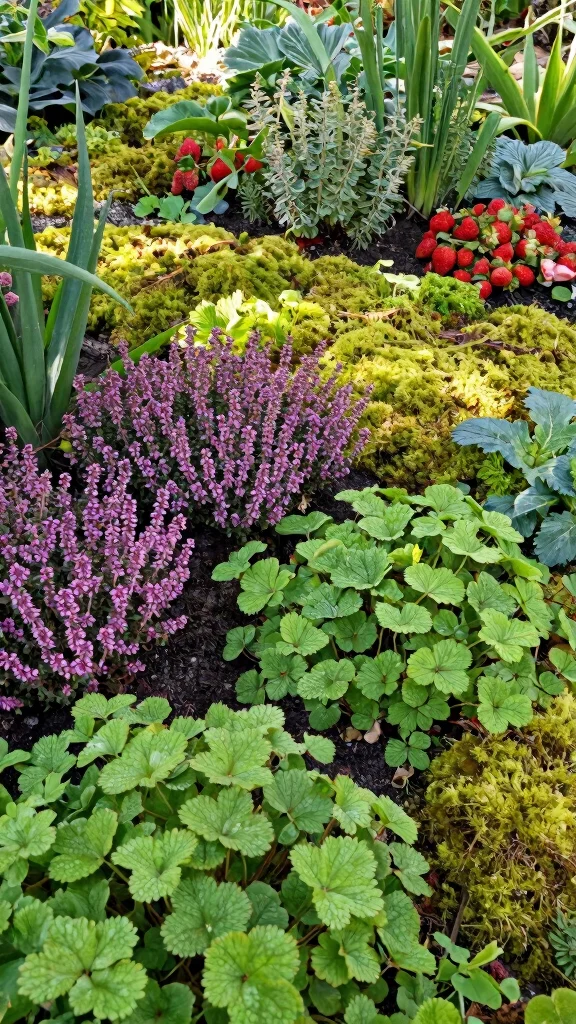
Are you tired of battling weeds in your garden? Native ground covers are an excellent solution that reduces weeds while adding beauty and texture to your landscape. Plants like creeping thyme, wild strawberries, or moss thrive in your local environment, requiring minimal care.
These lush ground covers create a stunning carpet effect that prevents soil erosion and enhances biodiversity. Pairing different types can add layers of interest to your backyard, making it visually appealing while maintaining ecological balance.
Steps to choose and plant ground covers:
– Select native varieties for low maintenance
– Mix textures and colors for depth
– Space plants appropriately for growth
– Monitor moisture levels for optimal health
Your native ground covers will create an inviting space while keeping weeds at bay, transforming your garden into a tranquil retreat.
Fun fact: native ground covers like creeping thyme and moss can reduce weed growth by up to 80% with minimal maintenance. This is natural backyard landscaping at its best—layer textures, protect soil, and boost biodiversity without constant upkeep.
You Might Also Like


Native Plant Ground Covers
Editor’s Choice

250+ Wild Strawberry Seeds Fragaria Vesca Fresh Fruits Garden Planting

21500pcs Creeping Thyme Seeds for Planting Outdoor, Hardy Perennial Grou…

Outsidepride Irish Moss Ground Cover Seeds – 10000 Pcs Perennial Low Gro…
9. Herb Spiral Gardens

Want to maximize your herb garden’s potential while adding a unique design element? Herb spiral gardens are a creative way to grow a variety of herbs in a compact space. This vertical layout creates different microclimates, catering to the diverse water and sunlight needs of various plants.
Using native herbs like basil, oregano, and mint, you can create a fragrant and functional feature in your backyard. The spiral shape not only enhances visual appeal but also encourages biodiversity by attracting beneficial insects and pollinators.
To build your herb spiral:
– Use stones or bricks for durability
– Design with varying heights for microclimates
– Include a mix of herbs for culinary variety
– Position in a sunny spot for optimal growth
Your herb spiral garden will be a stunning focal point that promotes sustainable practices while providing fresh herbs for your kitchen.
Herb Spiral Gardens
Editor’s Choice

G TALECO GEAR 5-Tier Vertical Garden Planter, 4.4Ft Vertical Raised Gard…
Burpee, 9 Quarts | Premium Organic Potting Natural Soil Mix Food Ideal f…
Seed Needs Herb Seeds Variety Pack Culinary Herb Collection (12 Individu…
10. Container Gardens with Native Plants

Limited space doesn’t have to limit your gardening dreams. Container gardens offer a flexible and beautiful way to showcase native plants in patios, balconies, or porches. Using pots of varying sizes and materials, you can create a stunning display that adds color and life to any outdoor area.
Select native plants suited for containers, like ornamental grasses or flowering perennials, to ensure a vibrant and thriving arrangement. Container gardening allows for easy mobility, making it simple to rearrange your design as needed. Coordinating colors and textures of the pots with your plants enhances the overall aesthetic.
Key tips for successful container gardening:
– Choose plants that thrive in pots
– Use drip irrigation systems for low maintenance
– Mix different plants for a layered look
– Ensure proper drainage for healthy growth
Your container gardens will beautify your outdoor space while contributing to sustainable landscaping, making every inch count.
Fun fact: a 12-inch pot can house multiple native perennials, boosting color and texture by up to 3x in a small space. Embrace containers of varying sizes and materials, and choose native grasses or flowering perennials to keep your natural backyard landscaping thriving with easy mobility.
Container Gardens with Native Plants
Editor’s Choice

Native Wildflower Seeds for Planting 24 Variety Pack – Perennial & Ann…
Burpee, 9 Quarts | Premium Organic Potting Natural Soil Mix Food Ideal f…

Emsco Group City Picker Raised Bed Grow Box – Self Watering and Improv…
Conclusion
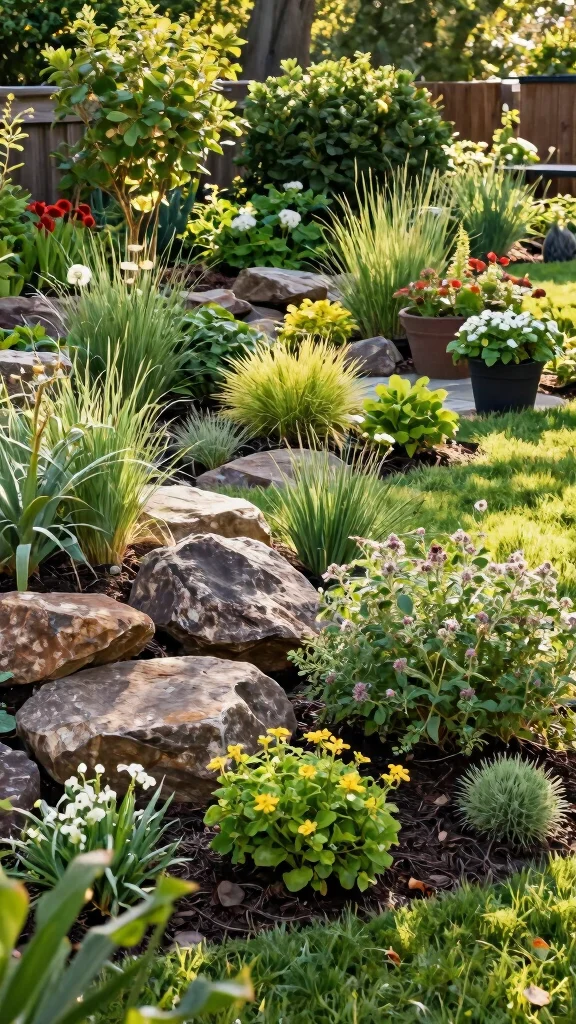
Crafting a natural backyard filled with stunning native plants and low maintenance landscaping is not only feasible but also incredibly rewarding. Each of these ideas encourages sustainability and enhances the beauty of your environment.
By embracing native plants and eco-friendly methods, you can create a delightful oasis that thrives with minimal effort. Take some time to explore these concepts and choose the ones that resonate with you to start your journey toward a gorgeous, sustainable outdoor space.
Note: We aim to provide accurate product links, but some may occasionally expire or become unavailable. If this happens, please search directly on Amazon for the product or a suitable alternative.
This post contains Amazon affiliate links, meaning we may earn a small commission if you purchase through our links, at no extra cost to you.
Frequently Asked Questions
What is natural backyard landscaping and why is it a smart choice for low maintenance and eco-friendly landscaping?
Natural backyard landscaping means designing your outdoor space with native plants and sustainable practices so your garden thrives with minimal intervention. It aligns with eco-friendly landscaping and low maintenance landscaping, while still delivering a beautiful garden design that wildlife loves. Here’s how to get started:
Start with a simple site plan noting sun, shade, and drainage.
Choose native plants and easy care plants suited to your climate, and group them by water needs.
Mulch generously to suppress weeds and retain moisture.
Incorporate permeable paths and a rain barrel or drip irrigation for efficiency.
Keep a simple maintenance routine to keep it looking stunning with minimal effort.
With these steps, you’ll create sustainable backyard ideas that stay low maintenance.
Which easy-care native plants deliver color and structure in a natural backyard landscaping?
A smart mix of easy care plants and native species that fit your sun, shade, and moisture will give you year‑round appeal. Great options include native perennials like Echinacea (coneflower) and Gaillardia (blanket flower), plus graceful native grasses such as Little Bluestem. Add a few shrubs that suit your climate for longer interest. Plant in natural drifts rather than singles, group by water needs, and mulch to reduce maintenance. This approach yields a beautiful garden design with low maintenance landscaping throughout the seasons.
How can I design a sustainable backyard landscaping plan that is both eco-friendly and stunning?
Start with a climate‑appropriate native plant palette and build layers—groundcovers, perennials, shrubs, and small trees—for year‑round interest. Include wildlife-friendly features like nectar-rich blooms and shelter. Use permeable hardscapes, a rain garden, and a rain barrel to cut water use and runoff. Plan focal points and simple paths that invite exploration without requiring a manicured lawn. This setup delivers sustainable backyard ideas that are eco-friendly landscaping and still beautiful garden design.
What maintenance tasks should I expect with natural backyard landscaping, and how can I keep it low maintenance?
Expect less ongoing work than a traditional lawn, but a few routine tasks help keep it thriving. In spring, do a light cleanup, prune dead materials, and top up mulch to about 2–3 inches. In summer, monitor irrigation, weed small bold patches early, and deadhead blooms if you like. In fall, lean into leaving some seed heads for wildlife and prepare plants for winter with a light mulch layer. Regularly check irrigation lines and adjust as weather changes. A simple schedule like this keeps your low maintenance landscaping vibe intact while preserving natural backyard landscaping beauty.
How can I start a natural backyard landscaping project on a budget and gradually scale up?
Begin with one small, high‑impact area like a border or entry bed to test ideas. Reuse materials where possible, source native plants from local nurseries, and propagate from cuttings or seeds to save costs. Install a basic drip irrigation system later, and mulch heavily to reduce weed pressure. Plan the project in phases, buying a few plants at a time, and reuse rainwater where you can. This sustainable backyard ideas approach makes natural backyard landscaping affordable and achievable.
Related Topics
natural backyard landscaping
low maintenance landscaping
sustainable gardening
eco-friendly design
native plants
beautiful garden design
easy care plants
backyard ideas
beginner friendly
landscaping trends
outdoor aesthetics
easy maintenance gardens