
Creating a minimal front yard can feel like a daunting task. Modern living often pushes us toward clutter, but this year’s focus on clean, intentional spaces has me craving simplicity. If you’re passionate about gardening, but also appreciate the beauty of simplicity, this post is for you. I’ve gathered nine landscaping ideas that embrace minimalist design while still being stunning and functional.
You might be looking for ways to enhance your home’s curb appeal without the hassle of expensive upkeep. This means prioritizing low-maintenance landscaping that fits into your lifestyle. Whether you’re a busy professional, a parent, or simply someone who enjoys a good weekend in the garden, these ideas will inspire you. You’ll discover simple outdoor spaces that not only look good but also allow for easy enjoyment.
By the end of this guide, you’ll have actionable ideas to transform your front yard into an oasis of tranquility. Each suggestion is designed to celebrate nature and simplicity, ensuring your space feels organized and inviting. Let’s dive into these minimal front yard landscaping ideas that are clean, intentional, and completely stunning.
Key Takeaways
– Succulent Paradise: Create a low-maintenance garden using various succulents. Their diverse shapes and colors add interest while requiring minimal care.
– Zen Garden: Incorporate raked gravel and strategic boulders to establish a serene environment. This design promotes relaxation and thoughtful contemplation.
– Gravel Pathways: Use gravel paths to define space and guide visitors. They are easy to maintain and can add a rustic charm to your yard.
– Vertical Gardens: Maximize small areas by installing vertical gardens. This not only saves space but also adds a lush feel to your front yard.
– Native Plants: Choose local flora to support local wildlife and ensure easy upkeep. Native plants often require less water and are well-suited to your climate.
1. Succulent Paradise: Low-Maintenance Elegance

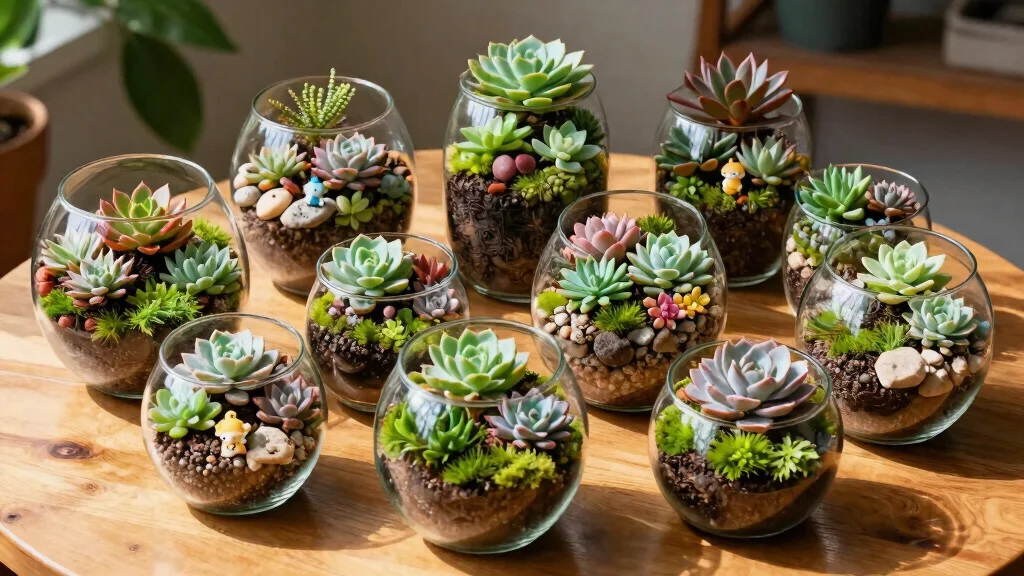
Imagine transforming your front yard into a vibrant oasis filled with diverse succulents that thrive on minimal care. This approach aligns perfectly with the low-maintenance landscaping trend, catering to your busy lifestyle. With an array of shapes, colors, and textures, succulents provide a stunning visual display that lasts year-round.
Start by arranging these plants in raised beds or stylish pots to create visual interest and depth. Pair them with pebbles or gravel for a clean, intentional look that enhances your yard’s appeal. Their drought-resistant nature makes them an excellent choice for sustainable gardening as well.
Key steps for creating a Succulent Paradise:
– Select a mix of succulents for varied aesthetics.
– Include drought-resistant varieties to ensure sustainability.
– Use decorative stones for an added texture.
– Install a drip irrigation system for efficient watering.
– Incorporate small sculptures for a unique touch.
This design approach not only saves you time and resources but also showcases the beauty of natural simplicity, turning your front yard into a captivating conversation starter.
📹 Related Video: How to Create a Succulent Pocket Garden, with Laura Eubanks
Succulent Paradise: Low-Maintenance Elegance
Editor’s Choice

Succulent Cactus Potting Soil Mix (2 qt), All-Purpose Garden Potting Mix…


YISZM 2LB Succulent and Cactus Gravel Pebbles, 1/5 Inch Natural Decorati…

MIXC 331 lb Capacity Wooden Raised Garden Bed with Legs, 48x24x31 in. El…
2. Zen Garden: A Touch of Serenity

Crafting a Zen garden fosters tranquility through simple and natural elements. This minimalist landscaping idea emphasizes clean lines and thoughtful arrangements. Picture raked gravel, carefully placed stones, and select plants like bamboo or ornamental grasses.
The charm of a Zen garden lies in its serene simplicity, inviting you to meditate and reflect. Add stepping stones leading to a cozy seating area, enhancing your front yard while promoting mindfulness in your daily life.
Key features of a Zen garden:
– Rake gravel or sand into patterns symbolizing water.
– Use large stones to represent mountains.
– Choose low-maintenance plants for an uncluttered look.
– Create a focal point with a bench or water feature.
– Consider a bamboo water fountain for soothing sounds.
A Zen garden not only pleases the eye but also nurtures relaxation, making it an ideal choice for those seeking simplicity and peace.
Zen Garden: A Touch of Serenity
Editor’s Choice

40 LBS Grey Pea Gravel – Landscape Rocks – Drainage Rock – Gardening – A…

18.9″ H Buddha Outdoor Water Fountain, Zen Style Garden Fountain with LE…

Bloomingbulb Ornamental Grass, Gracillimus Grass, Maiden for Outdoor Pla…
3. Gravel Pathways: The Art of Minimalism

Gravel pathways are essential to minimalist front yard landscaping, providing both functionality and aesthetic charm. They create an organized flow through your outdoor space while complementing various design styles, whether rustic or modern.
Consider framing your pathways with sleek stone or timber borders to keep the gravel contained. A striking contrast can be achieved by pairing darker gravel with lighter borders, adding visual interest to your yard.
Reasons to choose gravel pathways:
– Excellent drainage to prevent water pooling.
– Affordable and easy for DIY installation.
– Customizable in color and texture for your unique style.
– Attracts beneficial wildlife and insects to your garden.
– Requires minimal upkeep compared to traditional pathways.
Gravel pathways enhance your front yard’s beauty while supporting sustainable landscaping practices, allowing rainwater to naturally nourish the ground.
Fun fact: gravel pathways can cut maintenance time by up to 60% while defining a minimalist front yard landscaping look. Pair darker gravel with light borders for instant contrast, and your space will feel calm, organized, and completely charming.
Gravel Pathways: The Art of Minimalism
Editor’s Choice

TierraVerde 4-Pack 18”x22” Natural Rock Rubber Stepping Stones, Grey…
40 LBS Grey Pea Gravel – Landscape Rocks – Drainage Rock – Gardening – A…
4. Vertical Gardens: Maximizing Space with Style

If you’re looking to make a bold statement in your front yard, consider vertical gardens. These stunning green walls utilize wall-mounted planters or trellises, adding depth and flair to any outdoor space.
Not only do they boost curb appeal, but they also promote sustainability by allowing you to grow more plants in less space. Choose climbing or trailing plants to create waves of color and texture, while also serving as natural privacy screens.
Benefits of vertical gardens:
– Ideal for small spaces or urban settings.
– Enhances air quality and insulates your home.
– Reduces the need for traditional lawn, promoting eco-friendly practices.
– Easy maintenance with wall-mounted irrigation systems.
– Offers a unique aesthetic that stands out.
Adding a vertical garden transforms your front yard and aligns with sustainable living principles, allowing you to connect with nature creatively.
Vertical Gardens: Maximizing Space with Style
Editor’s Choice

OTOSUNNY Cucumber Trellis, 50×48 inch Metal Garden Arch Trellis for Clim…

6 Pack Hanging Planter Wall Planter Self Watering 5 inch Plant Pot with …
5. Minimalist Furniture: Function Meets Aesthetic

Integrating minimalist furniture into your front yard elevates your outdoor experience while keeping a sleek look. A simple bench or a few stylish chairs made from sustainable materials can create a cozy retreat.
Choose designs that are simple yet elegant, focusing on clean lines, neutral colors, and durable materials. Arrange seating to foster conversation and relaxation, ideally near a fire pit or surrounded by greenery.
Tips for selecting minimalist garden furniture:
– Look for weather-resistant materials like teak or aluminum.
– Opt for neutral colors that blend with your landscape.
– Consider multifunctional pieces like storage benches.
– Arrange seating to promote inviting spaces without clutter.
– Ensure pathways remain clear for easy access.
Minimalist furniture adds functional beauty to your front yard, inviting you and your guests to enjoy the tranquility of your surroundings.
You might also like

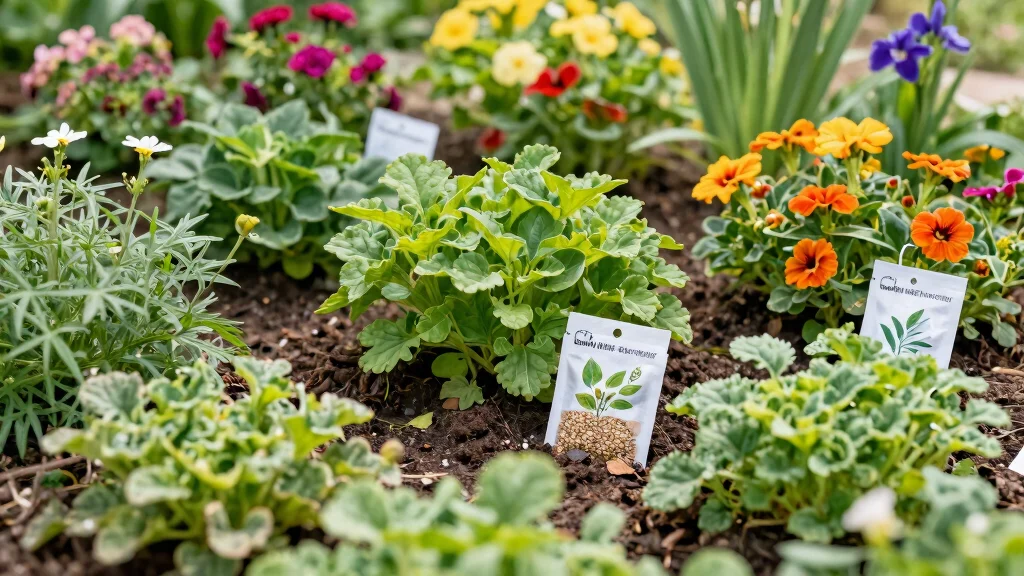
Minimalist Furniture: Function Meets Aesthetic
Editor’s Choice

Outdoor Wood Pellet Fire Pit – Decorative Glass Tube Torch with Spiral F…

Lakeland Mills CFU129 Cedar Log Tete-A-Tete Natural

Backyard Expressions Garden Kneeler & Seat – 2-in-1 Garden Stool and K…
6. Native Plants: Embrace Local Flora
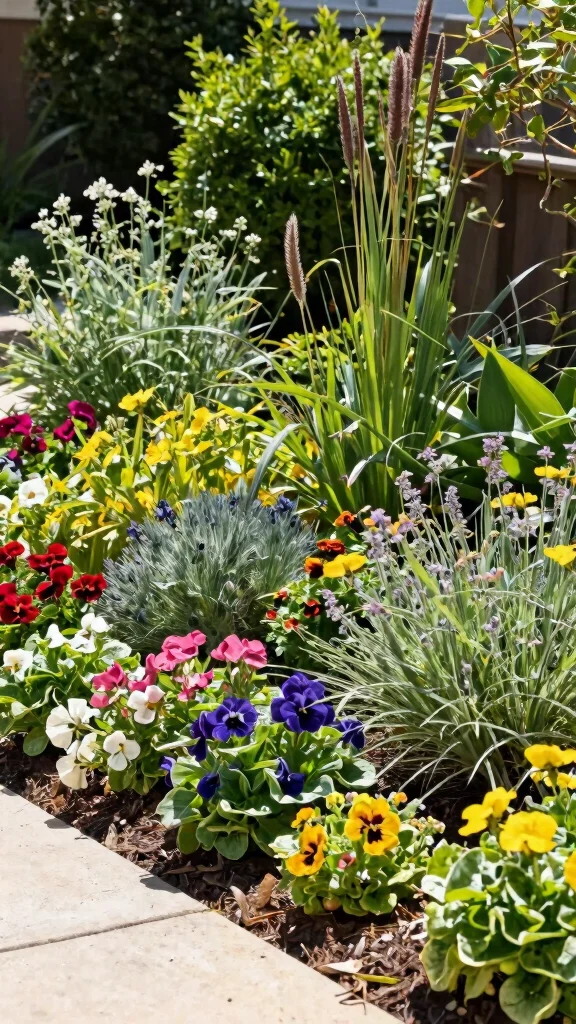
Incorporating native plants into your front yard is a fantastic way to support local ecosystems and promote sustainability. These plants are naturally adapted to your region, requiring less water and maintenance once established.
Choose a mix of colors and textures for visual interest while ensuring they thrive in your local environment. This approach offers a low-maintenance landscaping solution that benefits both you and nature.
Advantages of native plants:
– Attracts beneficial insects and pollinators.
– Reduces reliance on chemical fertilizers and pesticides.
– Provides habitats for local wildlife.
– Enhances biodiversity and improves soil health.
– Creates a beautiful, natural aesthetic that integrates with your surroundings.
Embracing native plants allows you to enjoy a stunning front yard that requires less effort while actively supporting ecological health.
Fun fact: Native plants typically cut outdoor water use by up to 30-60% once established. With minimal maintenance, your front yard can thrive seasonally while supporting local pollinators.
Native Plants: Embrace Local Flora
Editor’s Choice

Native Plants for Wildlife Habitat and Conservation Landscaping (Color P…

Soil Test Kit -140 Test- 2026 Version- Testing PH Ammonia Nitrogen Phosp…
7. Simple Outdoor Lighting: Set the Mood
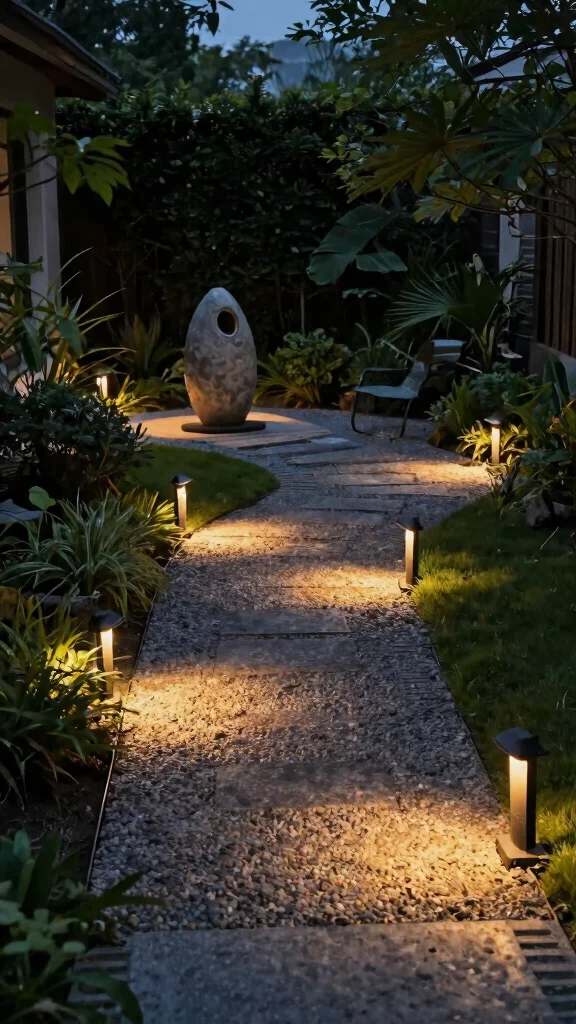
Incorporating outdoor lighting enhances your minimalist front yard while adding safety and charm. Choose simple, energy-efficient options like LED lights that blend seamlessly into the landscape.
Place lights along pathways or highlight key features like a striking tree or unique sculpture. Soft lighting creates a warm atmosphere, perfect for evening enjoyment without overwhelming your outdoor space.
Lighting tips for minimalist front yards:
– Select understated fixtures that match your design.
– Use solar-powered lights for eco-friendliness.
– Focus on accent lighting to showcase specific areas.
– Keep lighting low to enhance natural beauty without distraction.
– Ensure all pathways are well-lit for safety.
Simple outdoor lighting beautifies your front yard and extends your enjoyment into the evening, making it a vital part of any minimalist design.
Key Trade-offs & Our Top Pick
Option 1: Succulent Paradise
– Pros:
– Low-maintenance and drought-resistant, perfect for busy homeowners.
– Offers a unique, vibrant aesthetic with various colors and shapes.
– Cons:
– Limited in variety; may not suit all design preferences.
– Overwatering can cause root rot, so care is needed.
– Best for: Those seeking an easy-care, visually appealing landscape that requires minimal upkeep.
Option 2: Zen Garden
– Pros:
– Creates a peaceful, meditative space ideal for relaxation.
– Simple design elements like sand, stones, and bamboo require little maintenance.
– Cons:
– May not provide enough greenery for some homeowners.
– Can be too minimalist if not designed thoughtfully.
– Best for: Homeowners who want a serene retreat and enjoy minimalist aesthetics.
Option 3: Gravel Pathways
– Pros:
– Inexpensive and easy to install, adding texture and interest to your yard.
– Excellent drainage properties, reducing water pooling.
– Cons:
– Can shift over time, requiring occasional maintenance.
– May not be suitable for high-traffic areas as gravel can scatter.
– Best for: Individuals looking for cost-effective solutions to enhance front yard design with functionality.
Option 4: Vertical Gardens
– Pros:
– Maximizes space while adding greenery, perfect for small yards.
– Offers a stunning focal point and can improve air quality.
– Cons:
– Initial setup can be complex and costly.
– Requires regular maintenance to keep plants healthy.
– Best for: Urban dwellers with limited space who want to incorporate a lush, modern touch.
Option 5: Minimalist Furniture
– Pros:
– Provides practical seating without overwhelming the space.
– Often made from weather-resistant materials, ensuring durability.
– Cons:
– May lack the comfort and coziness of traditional outdoor furniture.
– Simple designs might not appeal to everyone’s taste.
– Best for: Those looking to create simple outdoor spaces that balance aesthetics with functionality.
Best Overall: Succulent Paradise
The succulent paradise stands out as the top choice for most homeowners. It combines beauty with low-maintenance needs, making it perfect for those with busy lifestyles. You can enjoy a stunning front yard without spending countless hours on upkeep. Plus, the vibrant colors and unique shapes of succulents add character to your outdoor space.
Why We Picked This:
While the succulent paradise is our top pick, other options suit different preferences. The Zen garden appeals to those seeking tranquility, while vertical gardens are great for compact spaces. If you prioritize cost-effectiveness, gravel pathways might be your go-to. Each choice has its strengths and weaknesses, so consider your lifestyle and design goals when making a decision.
Simple Outdoor Lighting: Set the Mood
Editor’s Choice
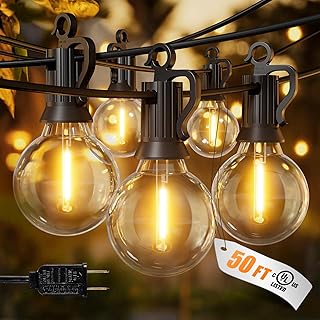
Brightown Outdoor String Lights, 50FT 25 G40 Bulbs Shatterproof Patio Li…

SUNVIE Outdoor Landscape LED Lighting 12W Waterproof Garden Lights COB L…

LEONLITE 12-Pack Low Voltage Landscape Pathway Lights 3W Landscape Light…
8. Water Features: The Sounds of Nature
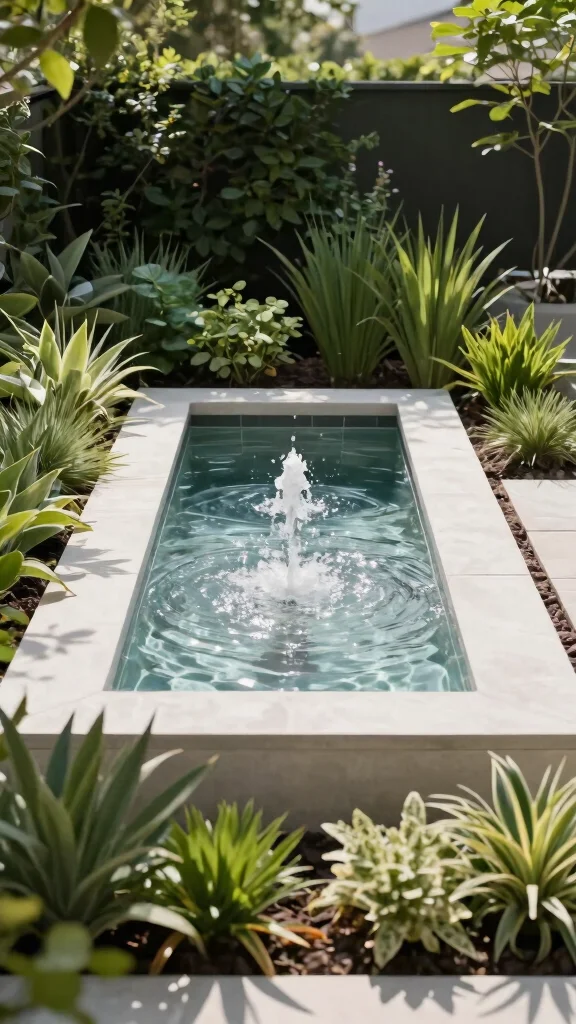
Adding a water feature to your front yard transforms it into a peaceful oasis. Consider a small pond, a fountain, or a simple birdbath to attract wildlife and cultivate a serene environment.
The gentle sound of flowing water creates a calming ambiance, adding dynamic appeal to your front yard design. Choose styles that enhance your minimalist aesthetic, like sleek fountains or natural ponds with clean lines.
Benefits of water features:
– Encourages relaxation and mindfulness.
– Attracts birds and beneficial wildlife.
– Serves as a unique focal point for visual interest.
– Helps regulate local humidity and temperature.
– Creates a habitat for aquatic plants and creatures.
Incorporating a water feature not only beautifies your front yard but also fosters a deep connection with nature, making it a valuable addition to any sustainable landscape.
You Might Also Like

Water Features: The Sounds of Nature
Editor’s Choice

Aquascape DIY Backyard Pond Kit 8 x 11 feet – Complete Water Garden Ec…

Sunlinua Modern Tabletop Water Fountain Indoor Water Fountains Desktop W…

Small Metal Bird Bath for Outdoors, 10″ Dia Bowl with Stake Birdbaths Ga…
9. Sustainable Practices: Create an Eco-Friendly Oasis

Integrating sustainable practices into your front yard design is essential for an eco-friendly oasis. Consider elements like rain gardens, compost bins, or edible landscaping that combine function with beauty.
These features reflect a lifestyle that values the environment while maintaining a clean and appealing front yard. Focus on organic gardening methods and select eco-friendly materials for your design.
Sustainable practices to implement:
– Use reclaimed materials for pathways or garden beds.
– Implement rainwater harvesting for efficient watering.
– Choose organic mulch and soil amendments for healthy growth.
– Set up composting systems to reduce waste.
– Create a wildlife-friendly space to support local ecosystems.
By prioritizing sustainability, you craft a front yard that not only looks stunning but also positively impacts our planet. It’s a true blend of beauty and responsibility.
Fun fact: A single rain garden can reduce runoff by up to 30-50% and attract pollinators to your front yard. Pair that with composting and edible landscaping to boost minimal front yard landscaping curb appeal while cutting waste.
Sustainable Practices: Create an Eco-Friendly O…
Editor’s Choice
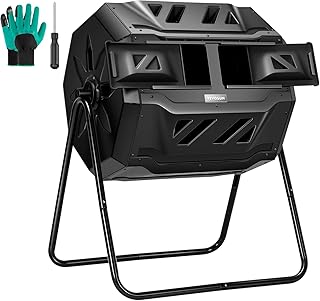
VIVOSUN Outdoor Tumbling Composter Dual Rotating Batch Compost Bin, 43 G…

FCMP Outdoor Raincatcher 4000 Rain Barrel, Flat-Back Rainwater Catcher w…

Wooden Garden Edging – 13.1ft x 11.8in Pine Landscape Border, Flexible W…
Conclusion

Minimal front yard landscaping is all about intentionality, simplicity, and beauty. By embracing these ideas, you can create a stunning outdoor space that reflects your values while requiring minimal effort to maintain. As you implement these concepts, remember that sustainability and aesthetic appeal can go hand in hand.
Take inspiration from these ideas and make your front yard a place where simplicity reigns, but vibrancy and life are ever-present.
Note: We aim to provide accurate product links, but some may occasionally expire or become unavailable. If this happens, please search directly on Amazon for the product or a suitable alternative.
This post contains Amazon affiliate links, meaning we may earn a small commission if you purchase through our links, at no extra cost to you.
Frequently Asked Questions
What exactly is minimal front yard landscaping and why is it a good fit for sustainable design?
Minimal front yard landscaping focuses on clean lines, purposeful plant selections, and limited hardscape to reduce maintenance and water use.
For sustainable design, it emphasizes drought-tolerant natives, smart irrigation, and permeable surfaces.
To get started, assess sun exposure and soil type, pick a cohesive color palette of 2–3 plant varieties, incorporate a strong focal point, use mulch and groundcovers to suppress weeds, and choose low-maintenance materials like gravel, compact pavers, or steel edging.
This approach aligns with minimal front yard landscaping and front yard design goals while keeping low-maintenance landscaping in mind.
Which plants and hardscaping are best for a low-maintenance minimalist front yard?
Choose drought-tolerant perennials and evergreens that thrive with minimal care, such as sedum, ornamental grasses, lavender, rosemary, and native shrubs.
Pair them with groundcovers like creeping thyme or vinca to suppress weeds and fill gaps.
For hardscaping, keep it simple with permeable gravel or clean paver paths, slim edging in steel or stone, and compact planting beds.
Plan by grouping plants in threes, placing taller specimens toward the back, and repeating textures for cohesion.
Add a smart irrigation timer and a layer of mulch to conserve moisture and cut back on maintenance.
How can I create a modern, clean look with simple outdoor spaces in a front yard?
Start with a clear focal point and a restrained color palette to guarantee a modern feel. Use crisp lines, geometric planting beds, and plenty of negative space to prevent clutter.
Limit textures to 2–3 quietly complementary materials (like concrete, steel, and wood) and add 1–2 sculptural features as anchors.
For lighting, choose low-profile fixtures that highlight lines without shouting.
Finally, map your plan into a concise front yard design that translates into modern garden ideas and simple outdoor spaces you can maintain easily.
What are affordable, water-efficient options for minimalist front yard design?
Affordability can align with water efficiency. Start with native or well-adapted plants that cope with your climate, add mulch to retain moisture, and install a simple drip irrigation system with a smart controller to minimize waste.
Reuse or repurpose materials you already own, like chipped wood mulch, stones or pavers, and consider inexpensive gravel for pathways.
Choose durable, low-cost hardscaping and keep the plant palette limited to 2–3 textures to reduce replacement costs over time.
This approach supports minimal front yard landscaping, front yard design, and low-maintenance landscaping goals.
How do I choose and place minimalist garden features without creating clutter?
Begin with a plan that emphasizes scale and negative space. Pick 1–2 signature features—such as a sculptural planter, a slim water feature, or a single statement tree—and repeat complementary elements for rhythm.
Position features along sightlines from the street to create a calm, intentional flow, and leave generous gaps between plants and hardscape.
Use durable materials and simple lines to keep the look cohesive, and always test your layout with a quick sketch before buying.
This keeps your minimalist garden features prominent while staying true to front yard design goals.
Related Topics
minimal front yard landscaping
low-maintenance landscaping
modern garden ideas
simple outdoor spaces
sustainable gardening
minimalist design
front yard design
easy landscaping
beginner friendly
clean garden aesthetics
intentional landscaping
trending garden styles