
Transforming your log cabin into a serene oasis can be a rewarding experience. With a desire to blend your outdoor space seamlessly into nature, this post explores log cabin landscaping ideas that require minimal effort while maximizing beauty. As we increasingly seek ways to connect with the natural world, creating a sustainable and harmonious landscape becomes both an aspiration and a necessity.
If you cherish rustic garden design or eco-friendly landscaping, you’ll find these ideas resonate deeply. Whether you’re a novice gardener or seasoned enthusiast, this guide is tailored for you. With easy-to-implement suggestions, you can create low-maintenance gardens that enhance your cabin’s outdoor aesthetics while inviting nature to thrive.
You’ll discover nine engaging landscaping ideas that celebrate simplicity and sustainability. From embracing native plants to designing cozy fire pit areas, these concepts are not just about looks; they’re also about creating spaces where you and your loved ones can connect with the environment. Let’s dive into these inspiring ideas and turn your log cabin into a natural retreat.
Key Takeaways
– Embrace Native Plants: They require less maintenance and support local wildlife, creating a thriving ecosystem around your cabin.
– Cozy Fire Pit Area: A well-designed fire pit adds warmth and invites gatherings, enhancing your outdoor living experience.
– Natural Stone Pathway: This creates a rustic appeal and is durable, blending beautifully with the natural surroundings.
– Wildlife-Friendly Garden: Incorporating features like birdhouses and butterfly gardens can enhance biodiversity and bring joy to your outdoor space.
– Vertical Gardens: Great for maximizing small spaces and adding greenery without requiring extensive ground coverage.
1. Embrace Native Plants for Low-Maintenance Beauty
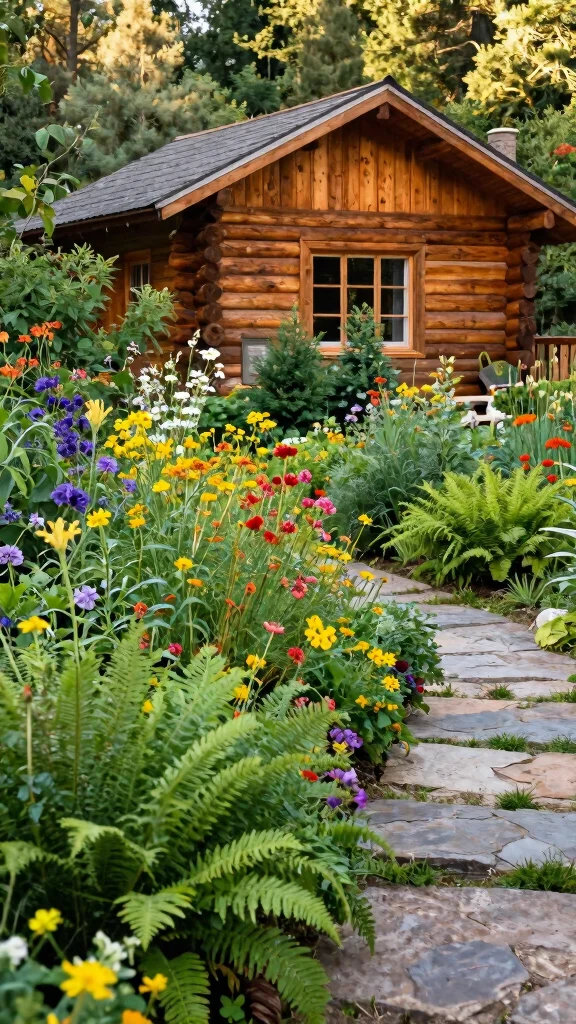
Transform your log cabin landscape effortlessly by choosing native plants. These resilient beauties naturally adapt to your local environment, requiring less water and maintenance than exotic varieties. Imagine vibrant wildflowers, lush ferns, and hardy shrubs gracing your yard while attracting delightful pollinators like bees and butterflies. Your cabin will not only look stunning but also support local biodiversity.
Start by exploring the native flora in your area and selecting species that thrive in your conditions. Mix plant heights and textures to create an eye-catching display, and choose varieties that bloom throughout the seasons for continuous color. This approach ensures a low-maintenance yet vibrant garden.
Key planting tips:
– Research local varieties that thrive in your climate.
– Create layers with tall plants at the back and shorter ones in front.
– Select plants that bloom at different times for year-round beauty.
By embracing native plants, you can cultivate an eco-friendly landscape that enhances the rustic charm of your log cabin.
Embrace Native Plants for Low-Maintenance Beauty
Editor’s Choice

HealthiStraw GardenStraw, 3 cu ft (20 lbs) All-Natural Mulch for Gardens…


Wildflower Seeds Bulk Mix – 10,000+ Perennial & Annual Seeds – Texas, Ca…

Sustee Aquameter, Set of 5, Plant Soil Moisture Sensor (Green, Small)
2. Create a Cozy Fire Pit Area

Create a welcoming fire pit area that perfectly captures the essence of cabin life. This cozy spot not only enhances your outdoor aesthetics but also becomes a gathering place for family and friends. Picture a natural stone or reclaimed wood fire pit surrounded by rustic log benches or plush cushions, ready for storytelling under the stars.
Choose a sheltered location close to your cabin to ensure comfort and convenience. Prioritize safety by keeping the fire pit clear of flammable materials. Add some string lights or lanterns to create a warm atmosphere as the sun sets.
Steps to design your fire pit area:
– Select a sheltered spot that’s easy to access.
– Ensure a safe distance around the fire pit for fire safety.
– Use lighting to enhance the ambiance at night.
A thoughtfully designed fire pit area transforms your log cabin landscaping into a stylish and inviting space for cherished moments.
Cozy fire pits turn log cabin landscaping ideas into memories—place a sheltered spot near the cabin, use natural stone or reclaimed wood, and surround with log benches. Keep safety in mind: clear flammables and have water nearby, so storytelling under the stars stays effortless.
Create a Cozy Fire Pit Area
Editor’s Choice
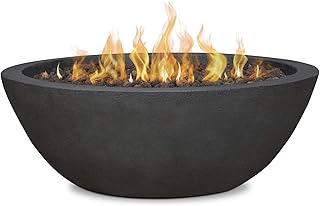
Real Flame Riverside 36″ Propane or Natural Gas Fire Pit – Stainless Ste…

Summsun Outdoor Chair Cushions Set of 4, Faux Linen Patio Furniture Cush…

Natural Edge Cedar Wood Tree Stump Indoor/Outdoor Stool, Garden Bench, N…
3. Design a Natural Stone Pathway
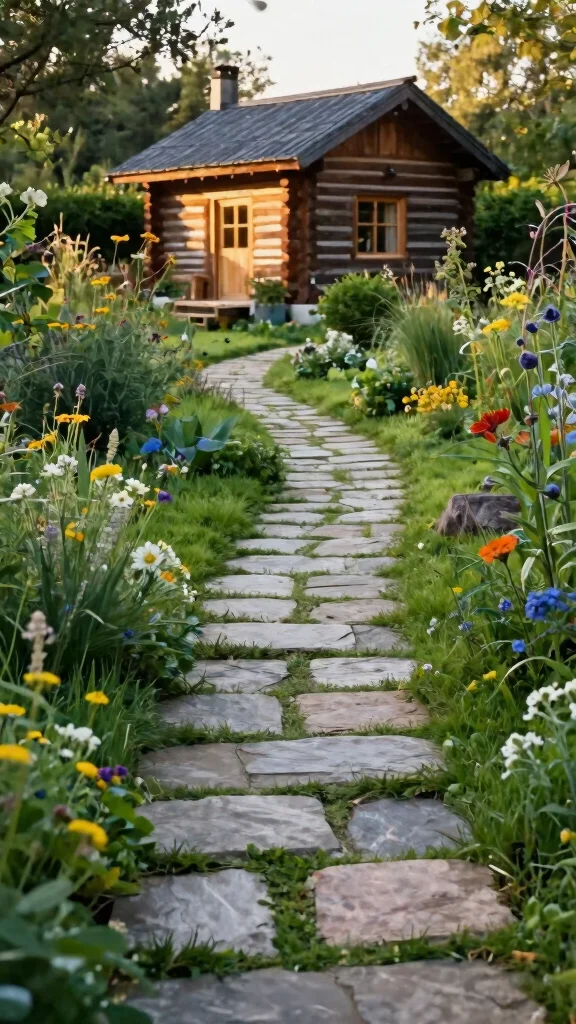
Enhance your log cabin’s charm with a beautiful natural stone pathway. This pathway not only provides practical navigation through your garden but also complements the serene beauty of your outdoor space. Imagine guiding guests to your front door, fire pit, or garden beds with stones that blend seamlessly into the landscape.
Choose natural stones like flagstone or river rocks that harmonize with your surroundings. Create gentle curves rather than straight lines for a more organic flow. Add low-growing plants along the edges for a soft, inviting look that connects the path with nature.
Tips for creating your stone pathway:
– Opt for curves that mimic natural shapes for visual appeal.
– Line the path with flowers or greenery for a softer appearance.
– Use eco-friendly stones that allow for natural drainage.
A well-crafted stone pathway elevates your cabin’s outdoor aesthetics while providing a neat and inviting space.
Designing a natural stone path isn’t about perfection; it’s about flow. Let curved lines guide guests from door to fire pit, using flagstone or river rocks that blend with your log cabin landscaping ideas. Keep it simple, sustainable, and inviting.
📹 Related Video: How To Build A Stepping Stone Path – Small Cost With Big Results!
Design a Natural Stone Pathway
Editor’s Choice

Mr. Fireglass 10lb White River Rocks, 3/8 inch Natural Decorative Polish…

FANTIAN 20 lbs Natural River Rocks Mexican Beach Pebbles, 2-3 Inch Decor…
4. Incorporate Edible Landscaping

Combine beauty and practicality by integrating edible plants into your landscape. Edible landscaping allows you to grow fresh fruits, vegetables, and herbs right in your backyard while enhancing your log cabin’s visual appeal. Imagine berry bushes, fruit trees, and aromatic herbs thriving in attractive raised beds.
Select fruit varieties that flourish in your climate, such as apple or pear trees, which offer shade and seasonal beauty. Utilize vertical gardening techniques with trellises for climbing vegetables, maximizing space while adding height to your landscape.
Ideas for edible landscaping:
– Choose fruit trees suited for your climate for added shade and beauty.
– Use trellises to grow climbing plants and save space.
– Plant aromatic herbs as borders to enhance beauty and repel pests.
An edible landscape enriches your garden and encourages sustainable living by providing fresh produce at your fingertips.
❝ Did you know edible landscaping can slash weekly grocery trips by 30–50% in a cozy cabin landscaping plan? Start with a few dwarf fruit trees, berry shrubs, and herbs in raised beds, so maintenance stays simple and meals stay fresh. ❞
Incorporate Edible Landscaping
Editor’s Choice

Yaheetech 8×2ft Wooden Horticulture Raised Garden Bed Divisible Elevate…

Apple Tree Saplings – 3 Live Dormant Apple Trees for Planting, Cold Ha…

MADHOLLY 6Pcs Vertical Hanging Planters for Outdoor Plants – Wall Plant …
5. Utilize Natural Mulching Techniques

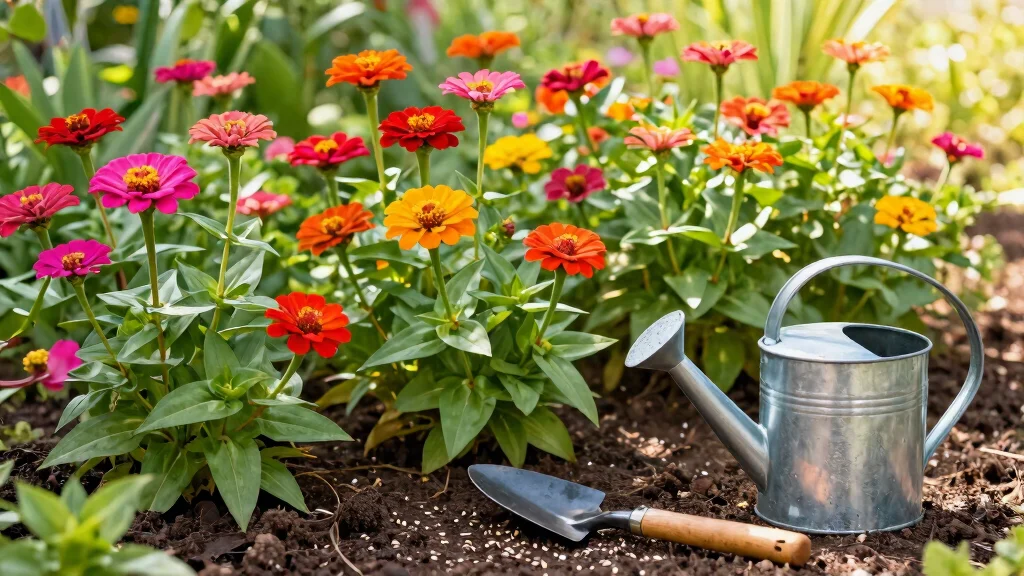
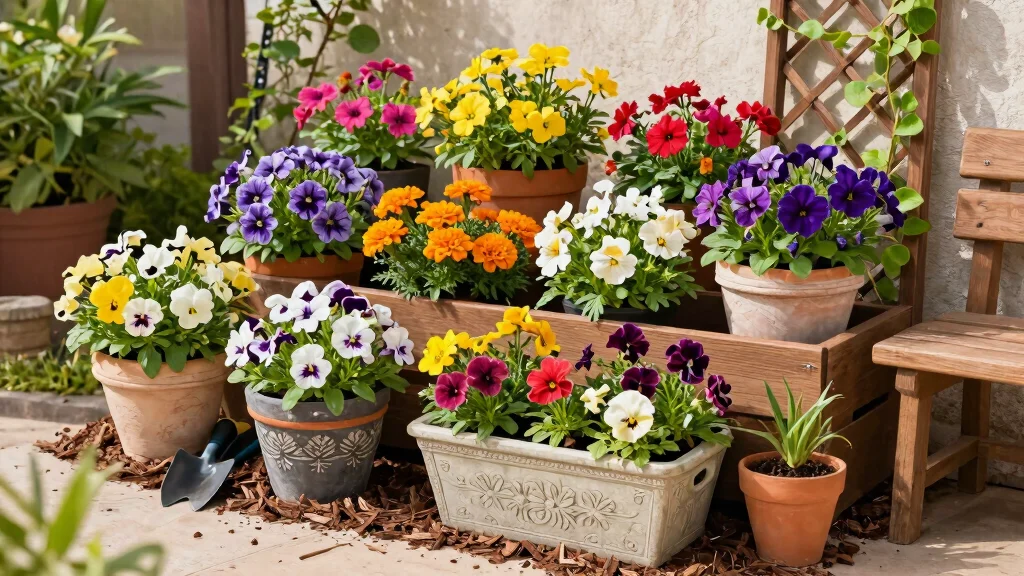
Enhance your garden’s health and reduce maintenance with natural mulching techniques. Mulch not only retains soil moisture and suppresses weeds but also adds rustic charm to your landscape. Imagine using organic materials like shredded bark, straw, or grass clippings that decompose over time, enriching your soil.
Apply a 2- to 4-inch layer of mulch around your plants, taking care not to touch the stems to prevent rot. Choose mulch that complements your garden’s natural colors for an aesthetically pleasing look while opting for locally sourced materials to support sustainability.
Effective mulching strategies:
– Apply a thick layer of mulch while avoiding contact with plant stems.
– Select mulch that matches your garden’s color scheme.
– Use locally sourced materials to minimize your ecological footprint.
Natural mulching helps create a self-sustaining garden that aligns perfectly with the principles of log cabin landscaping.
You might also like
Utilize Natural Mulching Techniques
Editor’s Choice

Back to the Roots 25.7qt (1 Cubic ft) Organic Premium Mulch

Nohovu Pitchfork for Gardening, 10 Tines Pitch Fork with Non-Slip Handle…
6. Create a Wildlife-Friendly Garden

Turn your log cabin landscape into a sanctuary for local wildlife. By designing a wildlife-friendly garden, you support the ecosystem while enjoying the beauty of nature right outside your door. Picture lush plants providing food and shelter for birds, butterflies, and beneficial insects.
Incorporate a diverse mix of flowering plants, shrubs, and trees that bloom throughout the year to ensure a constant food source. Adding a small pond or birdbath not only beautifies your garden but also provides hydration for visiting wildlife.
Ways to attract wildlife:
– Use a variety of plants that bloom at different times for continuous food.
– Add water features like ponds or bird baths for hydration.
– Install birdhouses or bee hotels to create shelter.
A wildlife-friendly garden enhances your log cabin’s charm and fosters a thriving habitat that connects you with nature.
Create a Wildlife-Friendly Garden
Editor’s Choice

SAFAVIEH Outdoor – Orian Mossy Blue Wrought Iron Bird Bath, Victorian Ga…
7. Introduce Rustic Garden Furniture

Enhance your log cabin landscape with rustic garden furniture that invites relaxation and comfort. Think about adding a cozy swing, a sturdy picnic table, or simple benches that create inviting spots to enjoy the beauty of your surroundings. Choose eco-friendly pieces made from reclaimed wood or wrought iron for an authentic touch.
Opt for materials that blend with your cabin’s style and arrange seating areas to showcase the best views, whether overlooking a garden or a scenic landscape. Soft cushions and earthy throws add comfort and make these spaces even more inviting.
Tips for selecting garden furniture:
– Use natural materials that fit with the rustic theme.
– Arrange seating to maximize scenic views.
– Add cushions in earthy tones for extra comfort.
Rustic garden furniture enhances the allure of your cabin landscape and encourages you to spend more time outdoors in nature.
Introduce Rustic Garden Furniture
Editor’s Choice

35.5″ Outdoor Garden Bench, Weatherproof 2-Person Backless Wooden Bench …

Jack and June Premium Cedar Wood Rectangular Picnic Table Easy Assembly …

VINGLI Upgraded Patio Wooden Porch Swing for Courtyard & Garden, Heavy D…
8. Implement Rain Gardens for Sustainability

Rain gardens are a smart way to manage stormwater while beautifying your log cabin landscape. This sustainable gardening option collects rainwater runoff, promoting conservation while enhancing the local ecosystem. Imagine vibrant native plants thriving in a garden designed to handle varying moisture levels.
Position your rain garden in a low-lying area where water naturally collects after rainfall. Select plants that flourish in both wet and dry conditions, ensuring your garden remains vibrant without additional irrigation.
Steps to create a rain garden:
– Locate your garden in a naturally low area for optimal water collection.
– Choose native plants that thrive in variable moisture.
– Amend the soil with compost for improved drainage.
Implementing a rain garden not only reduces your cabin’s environmental impact but also results in a lush, vibrant outdoor space.
How To Choose Low-Maintenance Plants for Your Log Cabin Landscaping
When planning your log cabin landscaping, selecting the right plants is key. You want greenery that not only enhances your outdoor space but also requires minimal upkeep. Here’s how to pick the best low-maintenance plants for your rustic garden design:
1. Consider Climate Compatibility
Choose plants that thrive in your local climate. Native plants are often the best choice since they are already adapted to the local weather, soil, and pests. Check for USDA hardiness zones to ensure the plants you select can survive your winter and flourish in your summer.
2. Evaluate Soil Type
Different plants have specific soil requirements. Test your soil to understand its pH and nutrient levels. Once you know your soil type—whether it’s sandy, clay, or loamy—you can choose plants that will grow well without needing excessive amendments.
3. Opt for Perennials Over Annuals
Perennials come back year after year, making them a low-maintenance choice. Annuals require replanting each season, which can add unnecessary work. Look for perennials that are hardy in your region to create a consistent garden appearance with less effort.
4. Choose Drought-Resistant Varieties
Watering can be time-consuming. Selecting drought-resistant plants reduces the need for frequent watering. Succulents, ornamental grasses, and native wildflowers often thrive with minimal water, making them perfect candidates for an eco-friendly landscaping approach.
5. Select Plants with Similar Needs
When grouping plants, make sure they have similar sunlight and water requirements. This helps create a harmonious look and simplifies care. For instance, plant sun-loving species together in bright areas and shade-tolerant ones in cooler, shadier spots.
6. Think About Seasonal Interest
Choosing plants that bloom or display attractive foliage at different times of the year adds visual interest throughout the seasons. Select a mix of flowering plants, evergreens, and deciduous trees to ensure your log cabin landscaping looks great all year long.
Pro Tip: Consider creating a small garden plan or layout before purchasing plants. This will help you visualize your space and ensure you don’t overcrowd your garden with too many varieties. You might also want to visit local nurseries for expert advice on the best low-maintenance options for your area. Happy planting! 🌱
Implement Rain Gardens for Sustainability
Editor’s Choice

Rain Gardens for the Pacific Northwest: Design and Build Your Own

Farmer’s Secret Soil Revitalizer (32oz) – Organic (OMRI Listed) Dirt H…
![200,000+ Wildflower Seeds [4oz] 16 Variety Perennial Mix - Heirloom Seed...](https://m.media-amazon.com/images/I/81tsPu8J2NL._AC_UL320_.jpg)
200,000+ Wildflower Seeds [4oz] 16 Variety Perennial Mix – Heirloom Seed…
9. Use Vertical Gardens to Maximize Space
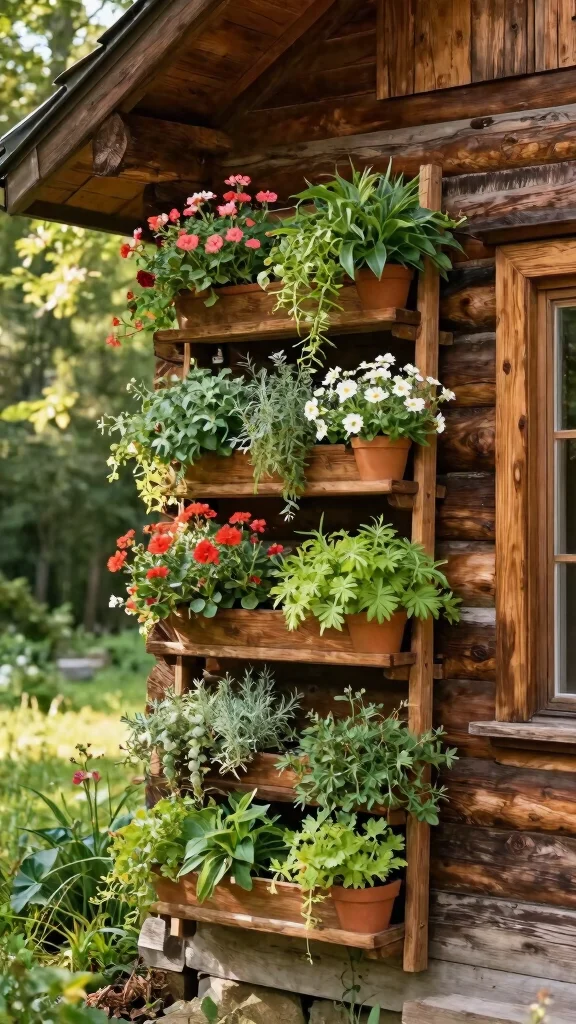
If you’re tight on space, vertical gardens are an excellent way to add greenery to your log cabin landscape without occupying much ground area. Picture walls, fences, or trellises transforming into stunning living art, filled with herbs, flowers, or even vegetables.
Choose structures like trellises or wall planters that complement your cabin’s rustic aesthetic. Opt for plants that thrive vertically, such as climbing vines or compact shrubs, and consider a drip irrigation system for easy maintenance.
How to start your vertical garden:
– Select suitable structures that enhance your cabin’s charm.
– Choose plants that grow well in vertical spaces.
– Install a drip irrigation system for hassle-free watering.
Vertical gardens add a visually striking element to your log cabin landscape while maximizing your outdoor space beautifully.
Use Vertical Gardens to Maximize Space
Editor’s Choice
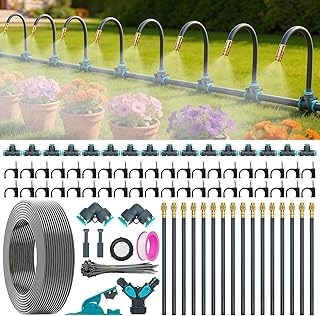
360° Adjustable Drip Irrigation System 100FT,5/16″ Garden Watering Kit …

OGIMA 4pcs Hanging Flower Pots, Metal Iron Wall Planter Indoor/Outdoor f…

65″ Cucumber Trellis for Climbing Plants Outdoor, Metal Garden Trellis f…
Conclusion

With these nine log cabin landscaping ideas, you can create an outdoor space that feels like a true extension of nature.
By embracing sustainable practices and choosing elements that require minimal maintenance, you can enjoy a beautiful cabin landscape without the stress of constant upkeep. Whether it’s introducing native plants or creating cozy spots for relaxation, each idea brings you closer to the serene environment you crave. Embrace the possibilities and let your log cabin connect seamlessly with the beauty of the surrounding landscape.
Note: We aim to provide accurate product links, but some may occasionally expire or become unavailable. If this happens, please search directly on Amazon for the product or a suitable alternative.
This post contains Amazon affiliate links, meaning we may earn a small commission if you purchase through our links, at no extra cost to you.
Frequently Asked Questions
What are easy log cabin landscaping ideas that blend into nature without much effort?
For log cabin landscaping ideas that blend into nature with minimal effort, start with native plants to reduce water use and maintenance. Create a simple stone or bark path to guide visitors and define spaces. Use drip irrigation and perennial plantings that come back year after year for low-maintenance gardens. Add a few evergreen shrubs to frame the cabin, and choose eco-friendly landscaping materials like locally sourced stone and recycled mulch. With these steps, your landscape will feel natural and effortless.
How can I design a rustic garden around my cabin using natural landscaping tips?
Start with a cohesive palette of native plants to support local wildlife. Build a simple border with rough-hewn timber or stone to achieve rustic garden design. Layer texture with grasses, groundcovers, and perennial blooms. Apply natural landscaping tips like thick mulch to suppress weeds and conserve moisture. Add a small seating area in reclaimed wood to enhance cabin outdoor aesthetics without adding upkeep. Finish with a rainwater plan to curb water use and keep the look eco-friendly.
What are the best low-maintenance, eco-friendly landscaping options for cabin exteriors?
Choose drought-tolerant native plants, groundcovers, and evergreen shrubs to reduce mowing and irrigation. Use low-maintenance gardens for main sightlines, with seasonal color in containers that are easy to swap. Pick eco-friendly landscaping materials such as local stone, recycled mulch, and rain barrels. Design with clean, simple lines to minimize upkeep while keeping your log cabin landscaping ideas practical year-round.
How can I enhance cabin outdoor aesthetics without heavy upkeep?
Create a cozy, natural look with a small seating area, a fire pit, or a water feature powered by solar. Use a stone or gravel path that stands up to weather, and plant native species along the edges for texture and color. Keep maintenance low with low-maintenance gardens and seasonal container plantings you can swap out as needed. These touches boost cabin outdoor aesthetics while staying easy to manage.
Which plants thrive in sustainable log cabin landscaping and how should I place them?
Focus on native grasses, pollinator-friendly perennials, and berry shrubs that tolerate varying light. Place taller plants toward the back to frame the cabin, mid-height perennials in front, and groundcovers at the edges for a natural transition. This aligns with natural landscaping tips and supports eco-friendly landscaping goals. Consider sun/shade and water needs to keep your log cabin landscaping ideas easy to manage.
Related Topics
log cabin landscaping
rustic garden design
natural landscaping
low-maintenance gardens
eco-friendly landscaping
outdoor aesthetics
sustainable gardening
beginner friendly
easy landscaping tips
seasonal gardening
nature-inspired design
garden decor