
Creating an inviting outdoor space is not just about the plants and flowers you choose. It’s also about how you define and enhance those spaces. That’s where landscaping edging comes into play. I made this post to share some creative ideas that can transform your garden borders and flower beds into stunning focal points. After all, a little bit of definition can go a long way in making your yard look polished and well cared for.
If you’re someone who enjoys gardening, outdoor decor, or simply wants to elevate the look of your yard, this post is for you. You’ll find ideas that cater to various styles and preferences, whether you lean towards the rustic charm of reclaimed wood or the sleek lines of metal. I pulled together eight unique landscaping edging ideas that are not only visually appealing but also eco-friendly. They’ll help you achieve that crisp, finished look you’ve been dreaming of for your outdoor spaces.
Get ready to dive into practical tips and inspiration that will make your flower bed edging and garden borders stand out this season. You’ll discover materials and designs that suit any budget and style, helping you create an outdoor environment that reflects your personality and values. Let’s transform your garden into a beautiful retreat!
Key Takeaways
– Explore unique edging materials: Discover various options like reclaimed wood, natural stone, and metal edging that fit your garden’s style and budget.
– Emphasize your garden borders: Learn how different designs can enhance your landscaping while providing a clear separation between plants and pathways.
– Incorporate eco-friendly solutions: Many edging ideas use sustainable materials, perfect for those looking to reduce their environmental impact.
– Enhance functionality: Proper edging not only beautifies your garden but also helps with weed control and soil retention, making your gardening efforts more effective.
– Choose a style that speaks to you: From classic brick borders to living edges with plants, find the perfect edging that complements your taste and brings your vision to life.
1. Reclaimed Wood for Rustic Charm

If you’re searching for a way to bring rustic charm to your garden, reclaimed wood is an excellent option. This eco-friendly material adds character with its weathered appearance, telling a story of its past. Using old barn wood or pallets can create a border that enhances your garden’s natural beauty while fitting seamlessly into various styles, from cozy cottage to sleek contemporary.
When selecting reclaimed wood, think about sustainability and ease of installation. Simply cut the wood to your desired lengths and arrange them creatively around your flower beds or pathways. Treating the wood with a natural sealant can help maintain its rustic charm while prolonging its lifespan.
Tips for Using Reclaimed Wood:
– Inspect for nails or sharp edges before use.
– Choose untreated wood to limit chemicals in your garden.
– Mix different wood types for a unique look.
Reclaimed wood brings warmth and a welcoming feel, making your outdoor space inviting and full of personality.
Reclaimed Wood for Rustic Charm
Editor’s Choice
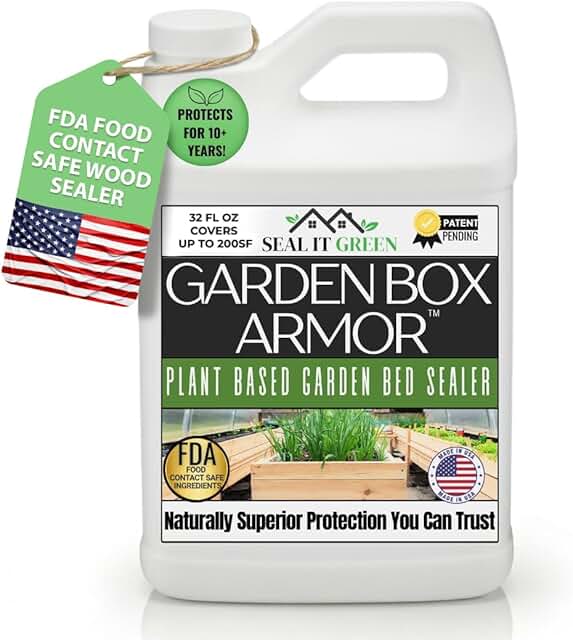
Garden Box Sealer | FDA Food Contact Safe Plant-Based Wood Sealant for R…


Rustic Pine Wood Garden Fence – 13.1ft L*12in H Easy to Install Sturdy W…
2. Natural Stone for Timeless Elegance
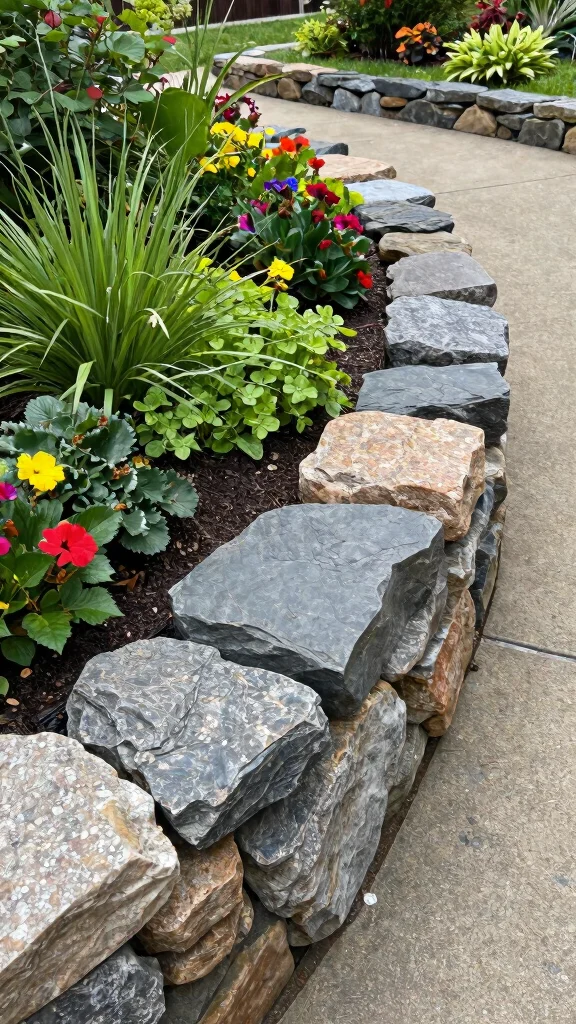
Natural stone adds a touch of timeless elegance to any garden setting. This durable material can create striking borders for your flower beds, enhancing your landscape’s overall appeal. With options like slate, granite, or river rocks, you can find the perfect fit for your outdoor design, adding a sophisticated flair.
When choosing stones, consider factors like size, shape, and color for a harmonious look. Arranging stones at varying heights can provide visual interest, making your garden more inviting. Natural stone is also eco-friendly, as it’s a renewable resource that contributes to sustainable landscaping.
Installation Tips:
– Establish a stable foundation with gravel or sand before placement.
– Fill gaps between stones with soil or gravel to inhibit weed growth.
– Use larger stones as focal points to draw the eye.
Natural stone edging enhances your outdoor decor, creating a breathtaking landscape that impresses everyone who visits.
Natural Stone for Timeless Elegance
Editor’s Choice

Southwest Boulder & Stone Landscape Decomposed Granite | 20 Pounds | Nat…

EasyFlex No-Dig Landscape Edging with Anchoring Spikes, 2.7 in Tall Deco…
EasyFlex No-Dig Landscape Edging with Anchoring Spikes, 2.7 in Tall Deco…
3. Metal Edging for a Modern Touch

For a sleek, modern look, metal edging is a fantastic choice that complements contemporary gardens. Materials like aluminum or steel provide durability and a crisp appearance, ensuring your landscape design shines without distraction. Metal edging creates clean lines that define your garden borders, giving your flower beds a polished finish.
Installation is simple, with many metal options available in pre-formed shapes for easy setup. These borders resist weather and insect damage, making them a long-lasting addition to your garden.
Pro Tips:
– Select rust-resistant metal for greater longevity.
– Ensure even installation using a level.
– Pair with minimalist plant choices for a cohesive aesthetic.
Metal edging’s contemporary vibe can transform your garden into a stylish retreat that stands out.
Did you know metal edging can last 50 years with minimal maintenance? Aluminum or steel keeps landscaping edging looking crisp and defines borders, while pre-formed shapes make installation a snap, resisting weather and insects.
Metal Edging for a Modern Touch
Editor’s Choice

33ft. Galvanized Steel Landscape Edging (10-Pack) – 40″ Metal Edging f…

50PCS Landscape Anchoring Spikes, 8 Inch Spiral Plastic Landscape Spikes…
33ft. Galvanized Steel Landscape Edging (10-Pack) – 40″ Metal Edging f…
4. Brick Borders for Classic Appeal
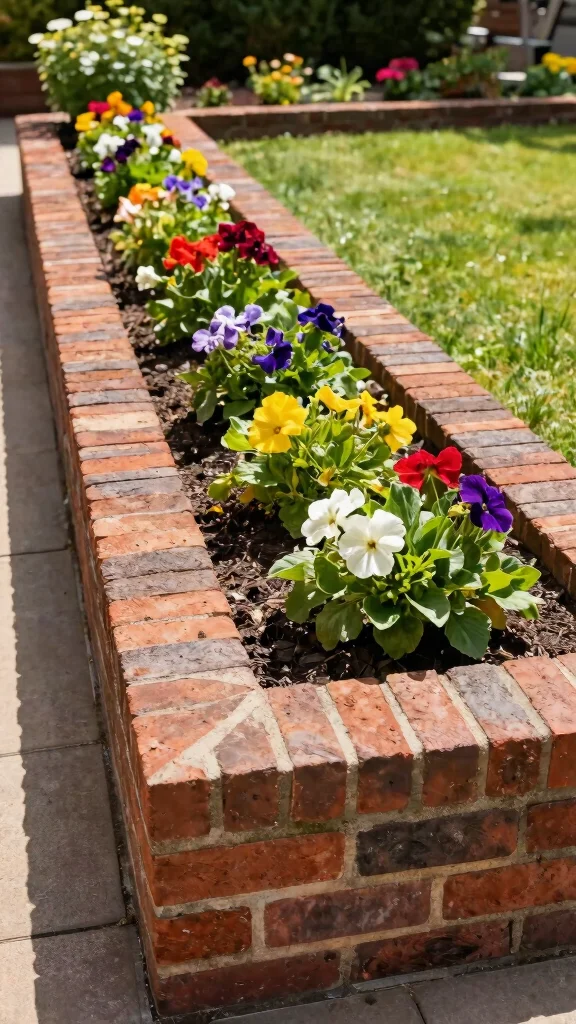
Nothing says classic landscaping quite like brick borders, providing a sturdy and attractive option for your garden. With rich colors and textures, bricks can enhance various styles, from traditional to modern. You can lay bricks flat for a subtle look or position them on their edge for a more pronounced border effect.
Bricks are a sustainable choice made from natural clay, offering longevity with minimal upkeep. Get creative by designing patterns or curves that add a unique flair to your garden space.
Installation Tips:
– Create a solid base using sand or gravel for support.
– Use a level for even brick placement.
– Mix colors for a dynamic, eye-catching design.
Brick borders lend a timeless charm, enhancing the overall beauty of your outdoor area.
📹 Related Video: How to Install Brick Edging with @ThriftDiving | The Home Depot
You might also like


Key Trade-offs & Our Top Pick
Option 1: Reclaimed Wood
– Pros:
– Eco-friendly and sustainable choice 🌱
– Adds rustic charm to garden borders 🪵
– Cons:
– May rot over time if not treated properly ⚠️
– Requires maintenance like sealing to prolong life 🔧
– Best for: Garden enthusiasts looking to add warmth and character to their outdoor spaces.
Option 2: Natural Stone
– Pros:
– Durable and long-lasting; can withstand the elements 🪨
– Offers timeless elegance, enhancing landscape design 💎
– Cons:
– Can be expensive and heavy to transport 💰
– Installation may require professional help, adding to costs 🛠
– Best for: Homeowners wanting a sophisticated touch that stands the test of time.
Option 3: Metal Edging
– Pros:
– Creates a clean and modern appearance 🖤
– Highly durable and resistant to rust and corrosion ✔️
– Cons:
– Can get hot in the sun, which may affect nearby plants ☀️
– May not blend well with natural surroundings for every garden 👎
– Best for: Those seeking a sleek, contemporary look with minimal upkeep.
Option 4: Brick Borders
– Pros:
– Offers classic appeal and can be arranged in various patterns 📏
– Provides excellent stability and structure for flower bed edging 🌼
– Cons:
– Installation can be labor-intensive and time-consuming ⏳
– May require occasional replacement or re-leveling over time 🔄
– Best for: Gardeners wanting a traditional feel without sacrificing function.
Option 5: Living Edges with Plants
– Pros:
– Eco-friendly; contributes to biodiversity and beauty 🌺
– Softens sharp edges and integrates well into garden designs 🌿
– Cons:
– Requires ongoing maintenance like watering and pruning 💦
– May not provide a rigid boundary, which can lead to plant spread 🌱
– Best for: Eco-conscious gardeners who appreciate a natural look and feel.
Expert Recommendation:
Best Overall: Natural Stone
Natural stone is our top pick for its incredible durability and timeless elegance. While it might come with a higher price tag, its longevity makes it a smart investment. You get a beautiful, low-maintenance edging solution that enhances your outdoor decor, adding significant value and appeal to your space.
Why We Picked This:
While natural stone stands out, other options also have their merits. Reclaimed wood appeals to those wanting an eco-friendly choice, while metal edging suits a modern aesthetic. If you love a classic look, brick borders are wonderful, and living edges are perfect for those who want a natural vibe. Choose based on your personal style and garden needs!
Brick Borders for Classic Appeal
Editor’s Choice
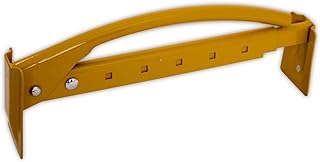
QLT By MARSHALLTOWN Brick Tongs, Metal Handle Paver Claw for Lifting, Ma…

Colwelt Saw-Tooth Edger Lawn Tool, Half Moon Lawn Edger with T-Grip, Sid…
5. Living Edges with Plants
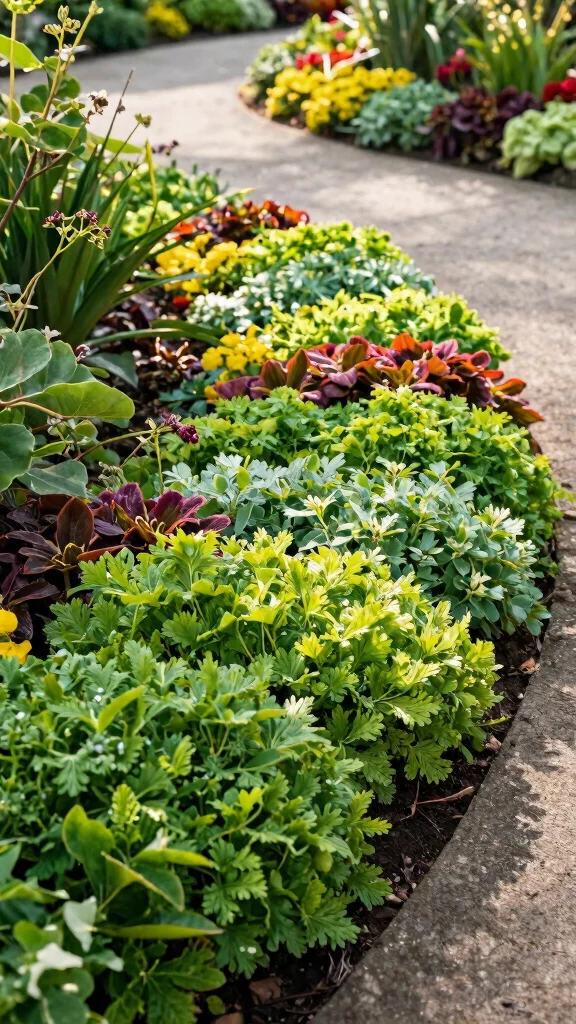
If you want to combine beauty with sustainability, living edges are an outstanding choice. This method uses low-growing plants like ground cover or herbs to form a natural border. Living edges not only look stunning but also offer benefits such as controlling erosion and attracting beneficial insects.
Choosing hardy plants is essential; select varieties that can withstand foot traffic and various weather conditions. Options like thyme, sedum, or creeping phlox thrive well in many gardens, enhancing biodiversity and creating a healthier ecosystem.
Planting Tips:
– Choose plants based on your local climate and soil.
– Space plants adequately to avoid overcrowding.
– Prune regularly to maintain shape and promote healthy growth.
Living edges not only beautify your garden but also foster a nurturing environment, making your outdoor space a sanctuary for wildlife.
Living Edges with Plants
Editor’s Choice

20000+Creeping Thyme Seeds for Planting Outdoor-Heirloom Thymus Serpyllu…
6. Concrete Edging for Durability

Concrete edging offers a strong, versatile option that stands the test of time. This material can be shaped into various designs and heights, allowing for unique borders tailored to your landscape needs. Concrete effectively creates sharp lines, ensuring defined borders that resist weather conditions.
For a more eco-friendly choice, consider using recycled concrete or permeable options that allow water to filter through, enhancing water management in your garden.
Installation Tips:
– Use forms to create shapes when pouring concrete.
– Allow enough curing time before planting nearby.
– Add decorative finishes like stamped or stained concrete for flair.
Concrete edging brings a modern touch to your garden while providing a practical solution for maintaining borders.
Concrete Edging for Durability
Editor’s Choice

Avalution Plus Size 20″x20″x1.8″ Walk Maker Reusable Concrete Pathmate S…

SvitMolds Set of 4 Plastic Concrete Curb Molds – Reusable Garden Edgin…

7. Gabion Walls for Unique Textures
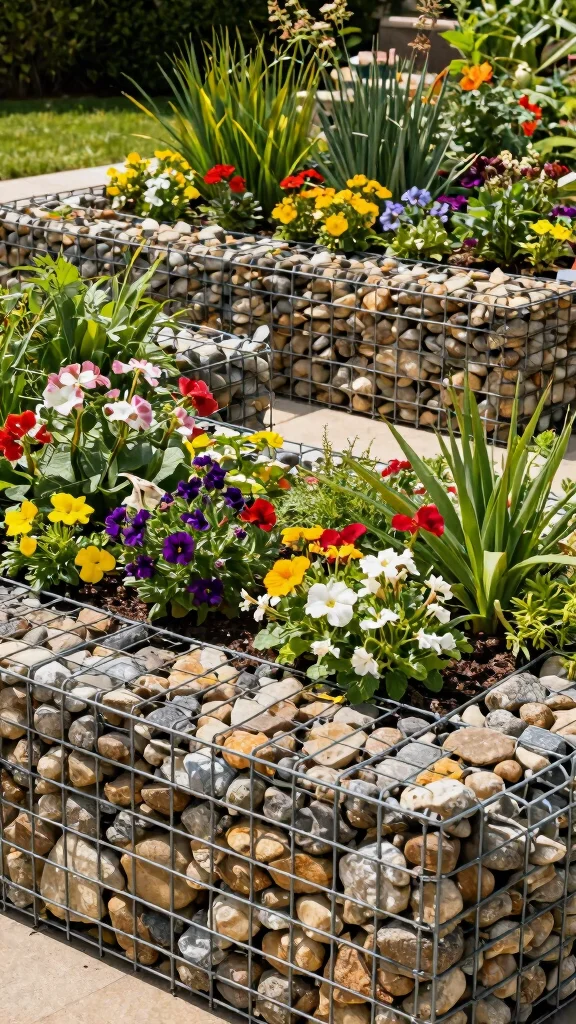
Gabion walls are a stylish and unique option for landscaping edging, made from metal cages filled with stones, gravel, or recycled materials. This edgy design adds visual interest while promoting sustainability by repurposing materials. Gabions can serve as borders or structural elements, merging modern aesthetics with natural appeal.
The versatility of gabion walls makes them suitable for various landscaping styles, from rustic to contemporary. They can create raised flower beds, seating areas, or decorative borders that enhance your outdoor space.
Installation Tips:
– Choose stones that complement your garden’s color scheme.
– Ensure cages are securely fastened to prevent movement.
– Experiment with different sizes and shapes for a dynamic look.
Gabion walls offer a fresh perspective on landscape design, beautifully blending form and function.
Gabion walls prove that edgy can be eco-friendly and chic. Fill cages with stones or recycled materials to create durable landscaping edging that doubles as seating or a raised bed. Practical tip: mix textures and heights for year-round interest.
You Might Also Like

Gabion Walls for Unique Textures
Editor’s Choice

Galvanized Steel Gabion Basket Gabion Stone Basket Cage, Galvanized Stee…

FANTIAN 20 lbs Large River Rocks for Outdoor Landscaping, 3-4 Inch Decor…
8. Paver Stones for Versatility
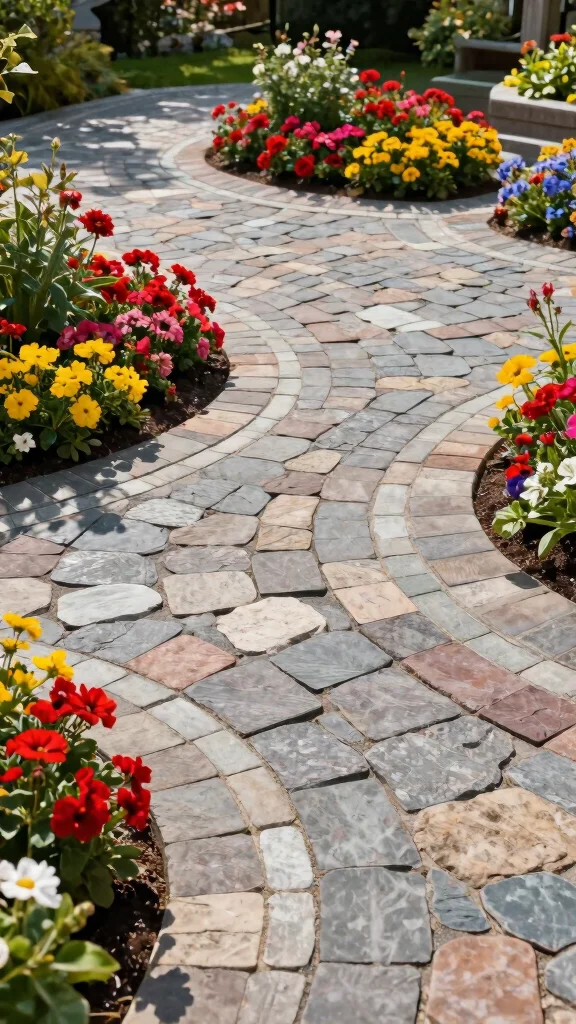
Paver stones are a remarkably versatile choice that can elevate any garden’s aesthetic. Available in various sizes, shapes, and colors, pavers allow you to customize your landscaping edging to align perfectly with your vision. Use them to create straight edges or graceful curves, depending on your design goals.
Not only are paver stones visually appealing, but they also boast excellent durability and can endure heavy foot traffic. Arranging them in patterns offers a unique, artistic appearance that many landscape designers favor.
Installation Tips:
– Prepare the ground thoroughly for stability.
– Use sand between pavers to prevent shifting.
– Mix various colored pavers for added creativity.
Paver stones provide a stunning yet practical border that enhances your outdoor decor beautifully.
Paver stones turned my messy border into a clean, yard-wide frame—it’s my favorite part of landscaping edging. With so many shapes and colors, I can switch from straight lines to graceful curves in minutes, and the pattern options keep it fresh.
Paver Stones for Versatility
Editor’s Choice

QEP 10451 1/8″ Outdoor Spacers for Tile and Pavers (20 pc/bag)

4Pcs Large Stepping Stones Outdoor Garden Walkway, Durable Plastic Paver…
Conclusion

Landscaping edging plays a crucial role in defining and enhancing your garden’s beauty. By choosing eco-friendly options, you not only elevate your outdoor space but also contribute positively to the environment. Whether you opt for rustic wood, elegant stone, or colorful pavers, each edging solution provides a unique touch that can transform your landscape into a picturesque haven. Embrace the endless possibilities of garden borders and let your creativity shine!
Note: We aim to provide accurate product links, but some may occasionally expire or become unavailable. If this happens, please search directly on Amazon for the product or a suitable alternative.
This post contains Amazon affiliate links, meaning we may earn a small commission if you purchase through our links, at no extra cost to you.
Frequently Asked Questions
What are eco-friendly landscaping edging options that give a crisp finish to beds and borders?
There are several eco-friendly options that deliver a crisp, finished look without harming the planet. For landscaping edging, consider local natural stone or reclaimed brick, which create timeless, durable borders and reduce new material demand.
Recycled plastic or composite edging is another great option; it uses post-consumer or post-industrial materials and resists weathering with minimal maintenance.
Metal edging, such as corten steel, provides clean lines and long life with relatively low maintenance.
Living edging with low-growing groundcovers or ornamental grasses can define borders while boosting biodiversity.
All of these can support garden borders and flower bed edging in a way that aligns with eco-friendly landscape design goals.
Which edging materials are best for flower bed edging and garden borders if you want sustainable, low-maintenance solutions?
For sustainable, low-maintenance options, start with locally quarried or reclaimed stone or brick for flower bed edging and garden borders. These materials require little upkeep and have a long life.
Consider recycled plastic or composite edging, which repurposes plastic waste into durable borders and resists rot.
Metal edging (like powder-coated steel or corten steel) offers sharp lines and long-term stability with minimal replacement.
Timber from certified sustainable forests can work well if treated to resist weather; choose durable species and seal to extend life.
As you plan, think about how each material fits your landscape design and outdoor decor vibe, while keeping edging materials eco-friendly.
How can edging ideas be integrated into a cohesive landscape design using eco-friendly materials?
Start with a simple plan: map each bed and border, then decide on a single or paired edging style to carry through the yard. Using the same edging material across beds helps create cohesion in landscape design. Choose colors and textures that complement your home and hardscape, whether you lean toward rustic reclaimed brick or sleek galvanized metal. Plan for drainage and soil moisture so the edging helps direct water rather than block it. Finally, pair edging materials with your path edges and garden borders to maintain a tidy, intentional look that’s also eco-friendly.
What are simple DIY tips to install landscaping edging for a neat, finished look?
Yes—many eco-friendly edging projects are doable DIY. Start by marking a clean line around the bed using string and stakes to guide a straight or curved edge. Dig a shallow trench that matches the depth of your edging, then lay the material along the line. If using rigid edging, butt the pieces tightly and secure with stakes or wall anchors. For flexible borders, connect sections with the proper joiners and gently bend to follow curves. Backfill behind the edging with soil or gravel to lock it in, then tamp down and level. Finish with a clean mulch bed and check that the edge stays visible but not overly proud of the soil. This approach keeps landscaping edging tidy and reduces weeds, while supporting flower bed edging goals.
How does proper edging help with weed control, water management, and overall plant health?
Good edging acts like a boundary that stops grass and roots from creeping into beds, making flower bed edging and garden borders easier to maintain. It also keeps mulch in place, reducing erosion and moisture loss, which helps your plants thrive. By guiding water flow to the bed rather than letting it spread onto paths, edging can improve drainage and reduce puddling. A well-chosen edging materials and a consistent line also contribute to a polished landscape design and outdoor decor that promotes healthier plants with less weed pressure.
Related Topics
landscaping edging
garden borders
eco-friendly materials
flower bed edging
landscape design
outdoor decor
DIY landscaping
beginner friendly
budget landscaping
curb appeal
seasonal gardening
easy projects