
Creating a beautiful garden can be a challenge, especially when you’re dealing with the unruly roots of trees. It’s a common dilemma for many urban gardeners. This post is here to help you tackle the unique challenge of landscaping around tree roots. You might be craving a lush garden, but tree roots can feel like a hindrance. That’s why I put together these creative, practical, and genuinely beautiful ideas for you.
If you’re someone who loves to create inviting outdoor spaces, this post is for you. Whether you’re an experienced gardener or a beginner looking to enhance your yard, you’ll find plenty of inspiration here. You’ll discover eight distinct landscaping ideas that not only work with tree roots but also turn them into a stunning feature of your garden.
By the end of this post, you’ll have actionable techniques and innovative designs to transform those tricky spots into beautiful garden spaces. From native flower beds to whimsical fairy gardens, you’ll gain practical knowledge to manage those roots while adding beauty to your surroundings. Let’s dive into the world of tree root landscaping and uncover how you can enhance your outdoor space!
Key Takeaways
– Discover eight creative landscaping ideas that work well around tree roots, ensuring your garden remains beautiful and functional.
– Learn about native flower beds, rock gardens, and ground covers to complement the tree roots in your yard.
– Explore practical landscaping solutions like decorative mulch and tree ring gardens to add charm and manageability.
– Get tips on creating unique spaces like Zen gardens and fairy gardens that can turn tree roots into focal points.
– Understand how vertical gardening can help you maximize your outdoor area while dealing with pesky root systems.
1. Plant a Native Flower Bed

Are you looking to enhance your garden while supporting local wildlife? Planting a native flower bed around tree roots is an excellent way to do just that! These plants thrive in your area, adding vibrant colors and textures that blend beautifully with your existing landscape. You’ll create a lively atmosphere, inviting butterflies and bees to your yard while maintaining the health of your trees.
Start by selecting flowers that are native to your region, ensuring they thrive without much fuss. Focus on varieties that require minimal maintenance and can tolerate the shade from the tree. This not only beautifies your garden but also fosters a healthy environment for local ecosystems.
Key benefits of planting native flowers:
– Low Maintenance: Adapted to local conditions, they need less care.
– Wildlife Friendly: Attract beneficial insects and birds.
– Soil Health: Improve soil quality, nurturing the tree’s roots.
Choose coneflowers, black-eyed Susans, and milkweed to add splashes of color while respecting the tree’s root system. This approach brings an enchanting aesthetic and promotes ecological responsibility in your garden.
📹 Related Video: Creating A New Flower Bed around a Mature Tree
Plant a Native Flower Bed
Editor’s Choice

Farmer’s Secret Soil Revitalizer (32oz) – Organic (OMRI Listed) Dirt H…


Wildflower Seeds Bulk Mix – 10,000+ Perennial & Annual Seeds – Texas, Ca…
Back to the Roots 100% Organic Mulch, 58 Quart, Expanding Coconut Husk B…
2. Create a Rock Garden

Looking for a unique way to enhance your landscape around tree roots? A rock garden might be the perfect solution! This design not only manages soil erosion but also provides a stunning visual contrast. By incorporating various sizes and colors of stones, you can create an appealing flow that accentuates the natural beauty of the tree roots.
Begin by gathering rocks of different shapes and sizes, mixing in drought-resistant plants that thrive in rocky conditions. This combination can create a sustainable garden that requires minimal watering while looking fabulous.
Key elements of a rock garden:
– Variety of Rocks: Use a mix of boulders and pebbles for depth.
– Diverse Plantings: Include hardy plants like sedums and succulents.
– Naturalistic Layout: Arrange elements to mimic nature’s design.
This approach not only reduces maintenance but also introduces an artistic touch to your landscape, blending rugged textures with delicate plants beautifully.
Create a Rock Garden
Editor’s Choice

Natural Pebble Stepping Stones for Garden & Outdoor Walkways – 9 Inch Ro…

Mix Horticultural Lava Pebbles Pumice Potting Soil Amendment Succulent C…

Drought Resistant Wildflower Seeds – 1oz, Open-Pollinated Bulk Flower Se…
3. Incorporate Ground Covers

Dealing with exposed tree roots can be tricky, but ground covers offer a fantastic solution. These plants create a lush green carpet that prevents soil erosion and suppresses weeds, enhancing the beauty of your garden. Ground covers can soften the hard edges of tree roots, making them blend seamlessly into the landscape.
Choose hardy varieties that thrive in shaded areas, allowing them to flourish while protecting the tree roots. This choice not only adds beauty but also fosters a healthy environment for the tree.
Benefits of ground covers include:
– Aesthetic Appeal: Softens the look of tree roots.
– Durability: Many can withstand foot traffic without damage.
– Varied Textures: Different shapes and colors create visual interest.
Varieties like creeping thyme or moss will thrive in shady spots, enhancing the garden’s overall charm while ensuring the tree remains healthy and vibrant.
Ground covers turn exposed tree roots into a lush carpet for landscaping around tree roots—easy on eyes and maintenance. Choose hardy, shade-loving varieties to prevent erosion, suppress weeds, and soften edges so your garden blends seamlessly with the trees.
How To Choose the Right Landscaping Around Tree Roots
When it comes to landscaping around tree roots, you may feel limited in your design options. However, with careful consideration, you can create a beautiful outdoor space that thrives alongside your trees. Here are some key factors to guide your selection process:
1. Tree Type
Understanding the type of tree you have is crucial. Different trees have various root structures and growth patterns. For instance, shallow-rooted trees like maples need different treatment than deep-rooted ones like oaks. Knowing your tree’s requirements can help you choose suitable plants that won’t compete with the roots.
2. Soil Quality
Assess the soil quality before planting. Good soil will support plant growth and drainage. You can conduct a simple test by checking the pH and nutrient levels. If the soil is compact or poor, consider amending it with compost or mulch. Healthy soil leads to thriving plants around your tree roots.
3. Plant Choices
Select plants that thrive in the specific conditions around your tree. For sunny spots, you might opt for drought-resistant plants like succulents or ornamental grasses. In shaded areas, ferns and shade-loving flowers work well. Native plants are often the best bet, as they’re adapted to local conditions and require less maintenance.
4. Ground Cover Options
Ground covers can be a great way to beautify the area without interfering with tree roots. Varieties like creeping thyme or clover can add color and texture. Additionally, these plants help suppress weeds and retain moisture in the soil. When selecting ground covers, ensure they won’t overpower the tree’s root system.
5. Mulching Materials
Using mulch can enhance the visual appeal and health of your tree’s environment. Choose organic mulches like bark chips, leaves, or straw, which decompose over time and enrich the soil. Make sure to keep the mulch a few inches away from the trunk to prevent rot. A well-mulched area retains moisture and suppresses weeds effectively.
6. Budget Considerations
Your budget will significantly influence your landscaping choices. Consider both the initial costs and ongoing maintenance. Native plants typically require less water and care, saving you money in the long run. Also, research local nurseries for affordable plants or even consider starting some from seeds.
Pro Tip: Before starting your project, sketch out a plan. This will help visualize plant placement, ensuring you don’t overcrowd the tree roots. It also allows you to make adjustments before investing in materials and plants.
By taking these factors into account, you can create a stunning space around your tree roots that is both practical and aesthetically pleasing.
Incorporate Ground Covers
Editor’s Choice

KVITER 20,000 Creeping Thyme Seeds (Thymus Serpyllum) – Wild Thyme, Ar…

Outsidepride Irish Moss Ground Cover Seeds – 5000 Pcs Perennial Low Grow…
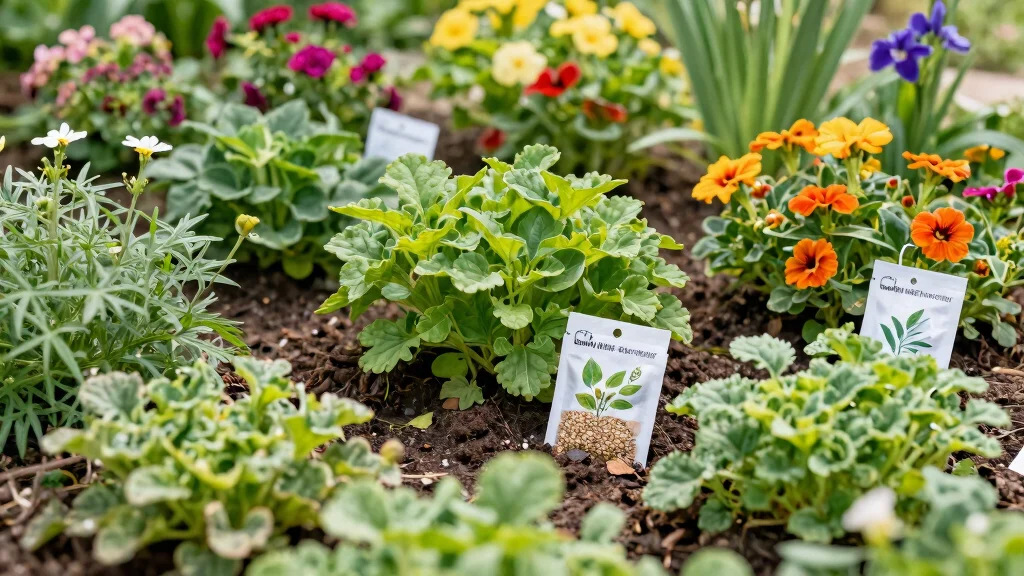
4. Use Decorative Mulch

Looking to boost the aesthetics of your garden while benefiting your tree? Decorative mulch is a stylish and functional option for landscaping around tree roots. Not only does it improve the area’s look, but it also helps retain moisture and regulates soil temperature effectively.
Spread a layer of mulch around the base of the tree, ensuring the roots remain exposed for air circulation. This practice not only enhances the visual appeal but also supports healthy growth for both the tree and surrounding plants.
Benefits of decorative mulch:
– Moisture Retention: Keeps soil hydrated around roots.
– Weed Control: Reduces competition for nutrients.
– Visual Appeal: Available in various colors and textures.
Choose organic options like bark chips or shredded leaves for a natural look. This approach will beautify your landscape and promote the health of your garden.
Fun fact: a decorative mulch layer of 2-3 inches around tree roots can cut moisture loss by up to 30% and stabilize soil temperatures. It’s a stylish, practical upgrade that protects the tree while boosting your garden’s curb appeal.
You might also like

Use Decorative Mulch
Editor’s Choice

Gerrii 90 Pcs Irregular Natural Driftwood Chips for DIY Dried Wood Strip…

Back to the Roots 25.7qt (1 Cubic ft) Organic Premium Mulch

GroundSmart Out Door Garden Fencing Rubber Mulch 0.8 Cubic Feet, Cedar Red
5. Install a Tree Ring Garden

Transforming your tree area into a flower bed can be both functional and beautiful. A tree ring garden encircles the trunk, allowing you to plant a variety of flowers or herbs that thrive alongside the roots. This design not only creates a focal point but also enhances the overall aesthetics of your garden.
Establish a defined space for planting, making maintenance easier while adding visual interest with a circular layout. Flexibility in plant selection allows you to mix flowers, herbs, or even vegetables based on your preferences.
Key benefits of a tree ring garden:
– Defined Space: Creates a clear planting area.
– Flexibility: Mix and match plants as desired.
– Visual Interest: Frames the tree beautifully.
Plant colorful annuals or perennials that contrast with the tree’s bark, creating a dynamic landscape that enhances growth and beauty in a compact area.
Install a Tree Ring Garden
Editor’s Choice
Back to the Roots 100% Organic Mulch, 58 Quart, Expanding Coconut Husk B…

Landscape Edging 33FT, 4IN Tall Garden Edging Border with 50pcs Spikes, …

Organo Republic 20 Edible Flower Seeds Variety Pack- Indoor/Outdoor. 700…
6. Create a Zen Garden

Are you seeking tranquility in your outdoor space? A Zen garden can beautifully incorporate tree roots while promoting relaxation. Using elements like sand, gravel, and stones, you can create a peaceful environment that respects the natural beauty of the roots.
Focus on simplicity with a minimalist design that incorporates natural elements. Raked patterns in the sand can evoke soothing waves, while limited planting allows tree roots to remain visible.
Features of a Zen garden:
– Minimalist Design: Emphasizes simplicity and nature.
– Raked Patterns: Create calming designs in the sand.
– Strategic Planting: Choose few plants to complement the overall theme.
Incorporating a Zen garden encourages mindfulness, transforming your outdoor space into a serene retreat that invites meditation and peace.
Fun fact: In landscaping around tree roots, a 4-by-6-foot Zen garden with 2 inches of sand and 1 inch of gravel can create a calming focal point in minutes. Keep tree roots visible, and use simple raked patterns to invite mindful breathing.
Create a Zen Garden
Editor’s Choice

40 LBS Grey Pea Gravel – Landscape Rocks – Drainage Rock – Gardening – A…

24 PCS DIY Sand Zen Garden Tools, Mini Zen Garden Rake Sets for Serenity…
Purple Daydream Loropetalum, 1 Gallon, Compact Evergreen Bush with Pink …
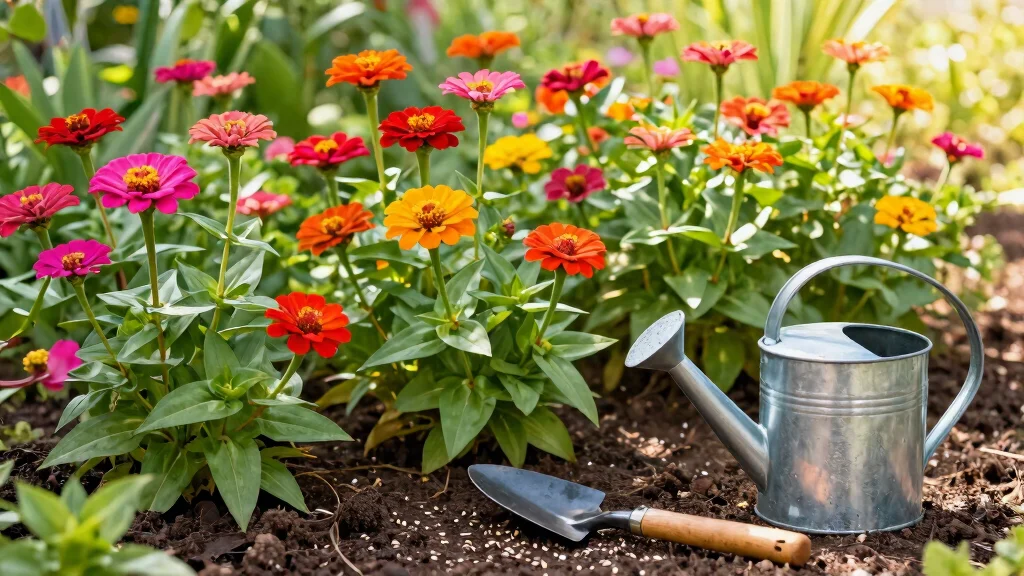
7. Incorporate a Fairy Garden

Want to add a whimsical touch to your garden? A fairy garden can magically enhance the area around tree roots, creating an enchanting atmosphere. These charming miniature landscapes can ignite imaginations, turning tree root areas into delightful realms for all ages.
Use tiny decorations like fairy houses and bridges to inspire creativity, while selecting small-scale plants that won’t overshadow the roots. Natural elements like stones and moss will further enhance the fairy tale theme.
Essentials for a fairy garden:
– Miniature Decor: Add tiny houses and figurines for charm.
– Small-Scale Plants: Use dwarf varieties to fit the theme.
– Natural Elements: Incorporate stones and twigs for authenticity.
Design the garden around the roots to embrace their natural shape while adding magical touches. This approach creates a beautiful focal point that can be enjoyed throughout the seasons.
You Might Also Like

Incorporate a Fairy Garden
Editor’s Choice

Gardening Gifts for Women, Gift for Gardeners Woman, Garden Angel Gifts …

Ancient Graffiti Eight-Stone Balancing Cairn – Indoor/Outdoor Garden Dec…

Top Collection Miniature Fairy & Terrarium Twin Garden Pixies Napping on…
8. Explore Vertical Gardening

Limited space in your garden? Vertical gardening offers a creative solution for landscaping around tree roots, especially in urban settings. By using vertical planters or trellises, you can maximize your planting area while minimizing disruption to the roots.
This method not only saves space but also adds height and dimension to your landscape. You can easily rearrange planters to optimize sunlight and growth needs.
Key benefits of vertical gardening:
– Space Saving: Ideal for compact gardens.
– Aesthetic Appeal: Adds visual height and interest.
– Mobility: Easily move planters as needed.
Incorporate climbing plants like ivy or sweet peas in lightweight containers. This approach allows for creativity while ensuring the tree remains healthy, bringing life to any urban environment.
Explore Vertical Gardening
Editor’s Choice
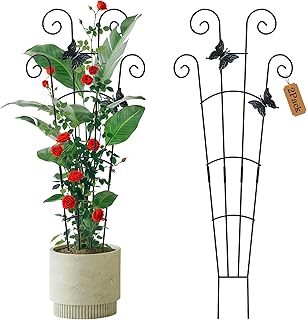
2 Pack 30 Inch Taller Plant Trellis for Potted Climbing Plants Indoor,Ex…

VIVOSUN 5 Tier Vertical Gardening Stackable Planter for Strawberries, Fl…

VIVOSUN Metal Plant Stand, 6-Tier Tall Vertical Planter Tower with Self-…
Conclusion

Landscaping around tree roots doesn’t have to be a challenge; it can be an opportunity for creativity and beauty. These innovative ideas help you transform potentially troublesome spaces into vibrant, functional parts of your garden.
Whether you opt for native plants, innovative vertical gardens, or whimsical fairy setups, there’s a solution for every style. Let your garden express your personality while nurturing the trees that enrich our environment.
Note: We aim to provide accurate product links, but some may occasionally expire or become unavailable. If this happens, please search directly on Amazon for the product or a suitable alternative.
This post contains Amazon affiliate links, meaning we may earn a small commission if you purchase through our links, at no extra cost to you.
Frequently Asked Questions
What are practical landscaping around tree roots ideas for small urban yards?
For landscaping around tree roots in tight urban spaces, start with a plan that protects the root zone. Use raised planters or edged beds that sit above the roots rather than digging into them. Create a gentle ring of mulch or shade-loving groundcovers around the trunk to suppress weeds and keep soil loose. Consider tree root landscaping ideas that keep roots near the surface, like circular herb beds, creative garden designs with stepping stones and narrow paths, and small containers tucked along the edge. Always aim for practical landscaping solutions that minimize soil compaction. If roots are growing near utilities or foundations, consult an arborist before moving soil or installing structures.
How can I create beautiful outdoor spaces around tree roots without harming the tree?
The goal is harmony between aesthetics and tree health. Keep heavy digging away from the root flare, and reserve the most disturbance-free zones for the tree itself. Use a wide mulch ring (2 to 4 inches deep) kept away from the trunk, and opt for permeable surfaces like stepping stones or gravel that let water reach the roots. Install tree root landscaping ideas in the surrounding bed rather than burying roots, and choose creative garden designs that flow around the tree rather than through it. If you need raised beds, build them to sit on the soil surface and avoid pinching or cutting into the root zone. Regular watering and a light feed will keep both tree and garden thriving and achieve beautiful outdoor spaces without compromise.
What practical landscaping solutions help manage tree root intrusion and soil compaction in urban gardens?
Start with tree root management techniques that reduce stress on roots: avoid heavy machinery on the lawn, use permeable surfaces for paths, and apply a thick yet breathable mulch layer around the tree. Raised beds or containers keep plantings away from fragile roots while still delivering color and texture. Use landscaping around tree roots ideas such as ringed planting beds, drought-tolerant groundcovers, and decorative rocks to create structure without compacting the soil. Finally, monitor soil moisture and avoid standing water, because healthy roots love well-drained soil.
Can you share creative garden designs around tree roots that are practical and stylish for urban spaces?
Absolutely. Try a circular donut bed around the trunk with a seating edge, a responsive ring of low-maintenance groundcovers, or a path weaving between stepping stones that follows the root line. Use creative garden designs that emphasize the tree as a focal point, with beautiful outdoor spaces built from materials that won’t compact the soil. Consider vertical planters on nearby walls to add greenery without touching the root zone, or a drift of decorative rocks and mulch that shows off the tree while giving you usable space for pots and small features. These approaches are practical landscaping solutions that celebrate the tree without harming it.
What plants are best for landscaping around tree roots in urban spaces, and how should I place them?
Choose shallow-rooted, shade-tolerant plants close to the outer edge of the root zone. Good options include hostas, ferns, ajuga, lamium, and pachysandra for tree root landscaping ideas, with evergreen groundcovers keeping beautiful outdoor spaces year-round. Place plants in raised beds or containers if digging near the trunk is a concern, and keep a clear root flare visible. Mulch generously (2 to 4 inches) but keep it from touching the trunk. By selecting plants that thrive in dappled shade and avoiding deep digging, you create practical landscaping solutions that look polished and support healthy roots.
Related Topics
landscaping around tree roots
tree root management
creative garden designs
urban gardening solutions
beautiful outdoor spaces
practical landscaping solutions
easy landscaping ideas
beginner friendly gardening
sustainable landscaping
garden aesthetics
DIY landscaping projects
seasonal gardening tips