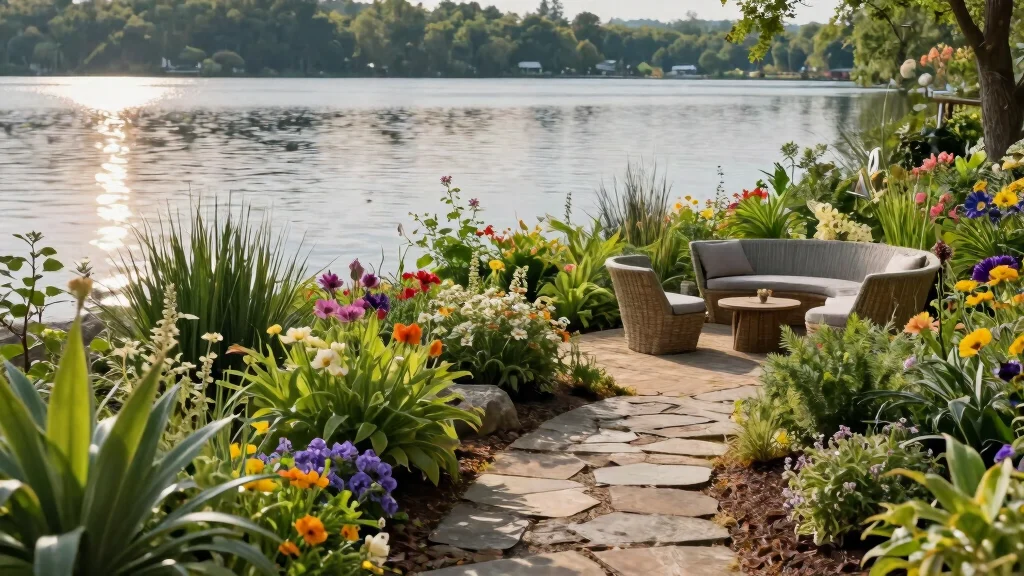
Finding the perfect way to enhance your lakefront property can be a delightful yet challenging task. With summer just around the corner, you might be craving a fresh, inviting outdoor space that maximizes your waterfront views. This post dives into lake house landscaping ideas that not only beautify your surroundings but also embrace sustainability and nature. If you’re passionate about gardening and want to create a space that feels harmonious with the environment, you’re in the right place.
This guide is designed for lake homeowners who appreciate the beauty of their natural surroundings and want to make the most of their outdoor living spaces. Whether you’re a seasoned gardener or just starting, this post will provide you with practical tips and ideas to transform your waterfront property. You’ll discover how to integrate native plants, design eco-friendly pathways, and create areas for relaxation and enjoyment. Let’s explore nine innovative ideas that will not only enhance your lake house but also nurture the local ecosystem.
Your outdoor space can become a personal paradise where you reconnect with nature while enjoying the fresh air. By the end of this article, you’ll have a clear understanding of how to implement effective landscaping ideas that cater to your unique lakeside environment.
Key Takeaways
– Native Plant Gardens: Incorporate local plants to promote biodiversity and reduce water usage.
– Eco-Friendly Walkways: Use natural materials that blend with the surroundings and minimize environmental impact.
– Lakeside Seating Areas: Create comfortable spots to relax and enjoy the views, using sustainable materials.
– Water Features: Add ponds or fountains that support local wildlife and enhance your garden’s beauty.
– Outdoor Living Spaces: Design areas for gatherings that encourage connection with nature and each other.
1. Create Native Plant Gardens

Elevate your lake property with vibrant native plant gardens that flourish in your local climate. These plants not only require minimal upkeep but also attract local wildlife, creating a lively ecosystem right in your backyard. Imagine a colorful display of wildflowers, shrubs, and grasses that invite butterflies and bees to your garden, enhancing both beauty and biodiversity.
Start by selecting plants that naturally thrive in your area, ensuring they are well-suited to your soil and climate. Arrange them by height and blooming periods to maintain visual interest throughout the seasons. A well-planned garden can save you time on maintenance while making a positive environmental impact.
Key benefits of native plants:
– Low Maintenance: Established plants need little care and water.
– Biodiversity Boost: Attracts beneficial insects and birds.
– Soil Health: Enhances soil fertility for better growth.
With regular care like deadheading and pruning, your native garden will thrive, providing a sanctuary for wildlife and a stunning visual display for you to enjoy.
📹 Related Video: How to Create a Verge Garden Using Native Plants | GARDEN | Great Home Ideas
How To Choose the Right Plants for Your Lake House Landscaping
To create a stunning waterfront garden design, selecting the right plants is crucial. This choice will enhance both the beauty and sustainability of your landscape. Here’s how to choose the best lakeside plant selection for your property.
1. Consider Native Plants
Native plants are adapted to your local climate and soil, making them easier to maintain. They require less water and are more resistant to pests. Look for plants that thrive in your specific region and can tolerate the conditions near the water. Research local nurseries or consult with gardening experts to find the best options.
2. Evaluate Sunlight Exposure
Assess how much sunlight the areas of your garden receive throughout the day. Some plants thrive in full sun, while others prefer partial shade. Keep in mind that lakeside properties can have unique microclimates. Pay attention to nearby structures or trees that may block sunlight at different times of the day.
3. Assess Soil Type and Drainage
The soil near water can vary in texture and drainage capabilities. Test your soil to determine its type, from sandy to clay. Some plants prefer well-drained soil, while others can thrive in moist conditions. Choose plants that will flourish in the specific type of soil you have, ensuring they won’t succumb to root rot or drought.
4. Plan for Seasonal Interest
To keep your garden visually appealing throughout the year, choose plants that offer different colors and textures in each season. Select flowering plants for spring, colorful foliage for fall, and evergreens for winter. This variety will create a dynamic landscape and enhance the view from your lake house at any time of year.
5. Prioritize Eco-Friendly Options
Selecting eco-friendly plants helps support local wildlife and minimizes environmental impact. Look for species that attract pollinators, such as bees and butterflies. Avoid invasive species that can disrupt the local ecosystem. By choosing sustainable native plants, you’ll create a beautiful, thriving environment that benefits both your home and its surroundings.
6. Think About Maintenance
Consider how much time and effort you can dedicate to maintaining your garden. Some plants require regular pruning, watering, or special care, while others are more low-maintenance. If you prefer a simpler setup, focus on drought-resistant or self-sustaining plants that will thrive without constant attention.
Pro Tip: Get to know your local gardening community! They can provide valuable insights and recommendations for the best plants suited to your lakefront property. Don’t hesitate to visit local gardens or attend workshops to gather ideas and inspiration.
Choosing the right plants for your lake house landscaping not only enhances the aesthetic appeal but also contributes to the overall health of your waterfront property. Consider these tips as you select the perfect plants to create an inviting and sustainable lakeside oasis.
Create Native Plant Gardens
Editor’s Choice

Native Wildflower Seeds for Planting 24 Variety Pack – Perennial & Ann…


Grenebo Gardening Tools 9-Piece Heavy Duty Garden Hand Tools with Fashio…
Rapitest Soil Test Kit for Gardens, Vegetables, Flowers and Lawns. USA d…
2. Design Eco-Friendly Walkways
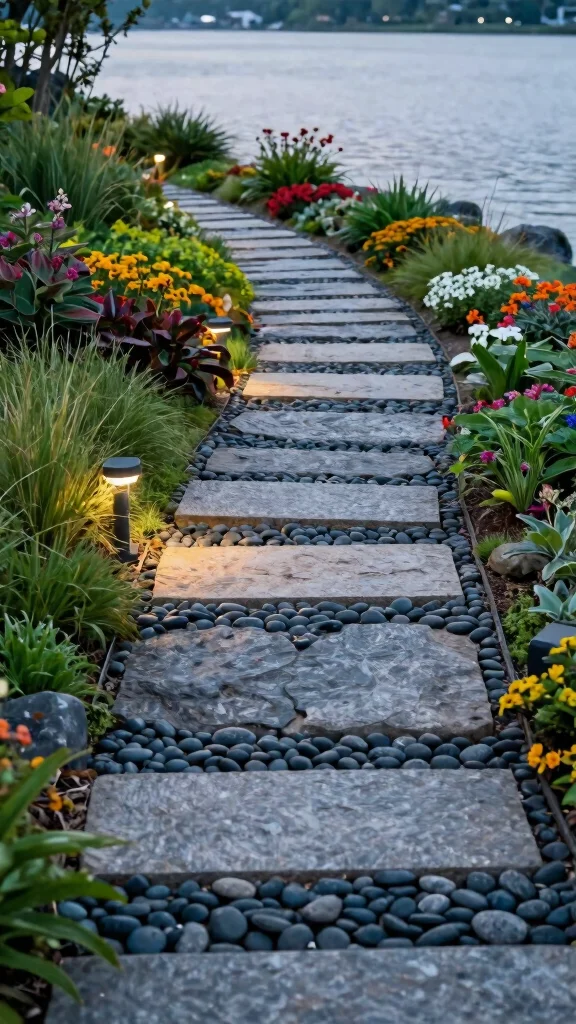
Walkways are essential for guiding visitors through your garden while adding structure to your landscape. Choose eco-friendly materials like reclaimed stones or permeable pavers, which allow water to filter through, reducing runoff and supporting groundwater replenishment. This approach not only enhances aesthetics but contributes to environmental sustainability.
Consider designing meandering paths that mimic natural shapes, creating an inviting atmosphere. Adding native plants along the edges softens the walkway, integrating it beautifully into your garden. Using solar-powered lights can provide safety and ambiance without electricity, enhancing evening strolls by the lake.
Walkway design ideas:
– Natural Shapes: Create winding paths for an organic feel.
– Plant Borders: Line paths with native plants for a seamless look.
– Low Lighting: Use solar lights for evening safety and beauty.
A thoughtfully designed walkway enhances the charm of your landscape, encouraging leisurely exploration of your lakeside haven.
Design Eco-Friendly Walkways
Editor’s Choice
VANCASTLE 9 Pack Interlocking Deck Tiles, 12″x12″ Patio Pavers, Heavy Du…

Vodaland Permeable HexPave System – Grass & Gravel Pavers – 100% Recycle…

We Grow Native Plants To Feed Wildlife Garden Flag, Funny Native Plant P…
3. Establish a Lakeside Seating Area
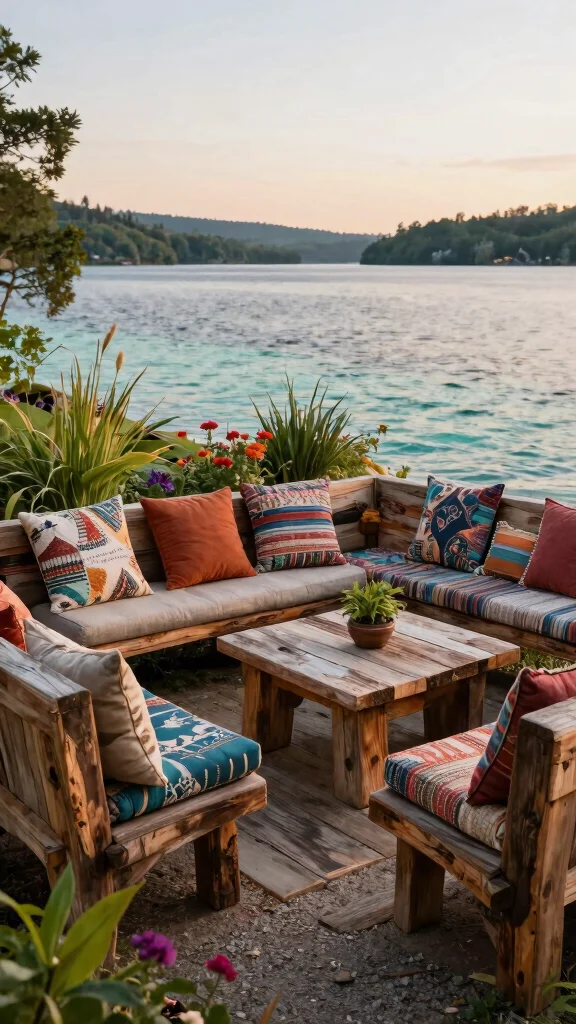
Transform your outdoor space into a relaxing lakeside seating area, perfect for unwinding and enjoying nature. Choose durable, sustainable materials for your furniture that stand up to the weather while being environmentally friendly. This creates a welcoming spot for both you and your guests.
Selecting natural materials like reclaimed wood or bamboo adds warmth to the area. Incorporate cozy cushions made from recycled fabrics for comfort. Don’t forget shade options, such as umbrellas or nearby trees, to keep the area cool during hot summer days.
Seating area essentials:
– Natural Materials: Opt for furniture made from reclaimed wood.
– Comfortable Accents: Add cushions made from recycled materials.
– Shade Options: Use umbrellas or trees for relief from the sun.
Your lakeside seating area can become a favorite gathering spot, offering breathtaking views and a peaceful ambiance for morning coffee or evening chats.
Establish a Lakeside Seating Area
Editor’s Choice

5-Piece Acacia Wood Outdoor Furniture Set, All-Weather Conversational Ch…
Blissun 9′ Outdoor Patio Umbrella, Outdoor Table Umbrella, Yard Umbrella…

Arden 4-Pack earthFIBER Outdoor Patio Dining Chair Cushion, 20×44, Rain-…
4. Incorporate Water Features

Adding water features like ponds or fountains can elevate the tranquility of your lakeside landscape while supporting local wildlife. By integrating native aquatic plants, you create a balanced ecosystem that enhances both the environment and your enjoyment of the space.
Consider establishing a small pond surrounded by native plants such as cattails and water lilies, which provide habitats for frogs and fish. A simple, eco-friendly fountain adds soothing sounds and attracts birds, while a rain garden can help manage runoff effectively.
Water feature options:
– Pond with Native Flora: Create a habitat with native plants.
– Fountains: Add a recirculating fountain for tranquility.
– Rain Gardens: Design for natural runoff management.
Water features not only beautify your property but also create a serene atmosphere, deepening your connection to nature and making your lake house a restful retreat.
Incorporate Water Features
Editor’s Choice

Aquascape DIY Backyard Pond Kit 8 x 11 feet – Complete Water Garden Ec…

Alpine Corporation 27″ Tall Rustic Outdoor 2-Tier Barrel Pump Water Foun…

Chalily Water Lily Aquatic Plants Live Lilies Real Small or Big Pond Pla…
5. Create Vertical Gardens

If your outdoor space is limited, vertical gardens are an excellent way to maximize your area while adding dimension and height to your landscaping. These gardens not only save valuable ground space but also create stunning visual interest.
Utilize wall-mounted planters filled with native vines and flowers to enhance your vertical garden. Install trellises for climbing plants like morning glories or clematis, and consider tiered structures for herbs to combine beauty with functionality.
Vertical gardening strategies:
– Wall Planters: Fill with native vines for added texture.
– Trellises and Arbors: Support climbing plants for vertical appeal.
– Herb Towers: Create tiered gardens for culinary herbs.
Vertical gardens can serve as eye-catching focal points in your outdoor space, showcasing a variety of plants while boosting biodiversity and charm.
❝ Fun fact: vertical gardens can add up to 2 extra feet of usable space on a wall with native vines. It’s a simple, lake-friendly upgrade that fits tight yards and elevates your lake house landscaping ideas. ❞
You might also like


Create Vertical Gardens
Editor’s Choice

Bamworld Tall Plant Stand Indoor Outdoor, Corner Metal Flower Pot Stands…
2 Pack 30” Large Metal Plant Trellis for Climbing Plants, Tall Plant Su…

TOREVSIOR 5-Tier Vertical Raised Garden Bed, Vertical Garden Planter wit…
6. Implement a Pollinator Garden

Creating a pollinator garden is a beautiful way to support essential bees, butterflies, and other pollinators. By selecting native flowering plants, you help sustain local wildlife and enhance the beauty of your landscape.
Focus on planting flowers that attract pollinators, such as butterfly bush, milkweed, and echinacea. Grouping flowers by color or blooming periods can create a dynamic display that delights the eye throughout the seasons, providing a habitat for pollinators.
Key plants for your pollinator garden:
– Butterfly Bush: Attracts butterflies with fragrant blooms.
– Milkweed: Essential for monarchs to lay eggs.
– Echinacea: Adds color and attracts various pollinators.
Your pollinator garden not only enhances the aesthetics of your landscape but also contributes positively to the environment, allowing you to enjoy the beauty of nature while supporting vital conservation efforts.
Implement a Pollinator Garden
Editor’s Choice

Wildflower Seeds Bulk Mix – 10,000+ Perennial & Annual Seeds – Texas, Ca…

Farmer’s Secret Soil Revitalizer (32oz) – Organic (OMRI Listed) Dirt H…

Stainless Steel 304 Butterfly Plant Labels, Weatherproof Tall Metal Gard…
7. Use Edible Landscaping

Combine beauty with practicality by incorporating edible plants into your landscaping. Edible landscaping allows you to enjoy a visually appealing garden while having fresh produce at your fingertips, promoting sustainability.
Consider planting native berry bushes, such as blueberries or blackberries, for delicious fruits and seasonal beauty. Herbs like lavender, mint, or rosemary can enhance your garden with culinary and aromatic delights, while small fruit trees can provide shade and harvest.
Edible landscaping ideas:
– Berry Bushes: Grow native berries for beauty and flavor.
– Herbs: Incorporate culinary herbs for fresh flavors.
– Fruit Trees: Plant small trees for shade and harvest.
Edible landscaping enriches your outdoor space, encouraging healthy eating while seamlessly merging beauty and functionality in your garden.
Edible landscaping makes lake house landscaping ideas feel practical: plant blueberries, lavender, and rosemary and you double your curb appeal while harvesting fresh herbs and fruit. Your waterfront garden becomes a pantry you can enjoy all season—without sacrificing beauty.
Use Edible Landscaping
Editor’s Choice

Perfect Plants Premier Blueberry Bush 1 Gallon | Live Plant for Outdoor …

Grow a Little Fruit Tree: Simple Pruning Techniques for Small-Space, Eas…
Gift for Women, Mom, Her – 9 Herb Indoor Window Garden Kit | Complete …
8. Foster Outdoor Living Spaces
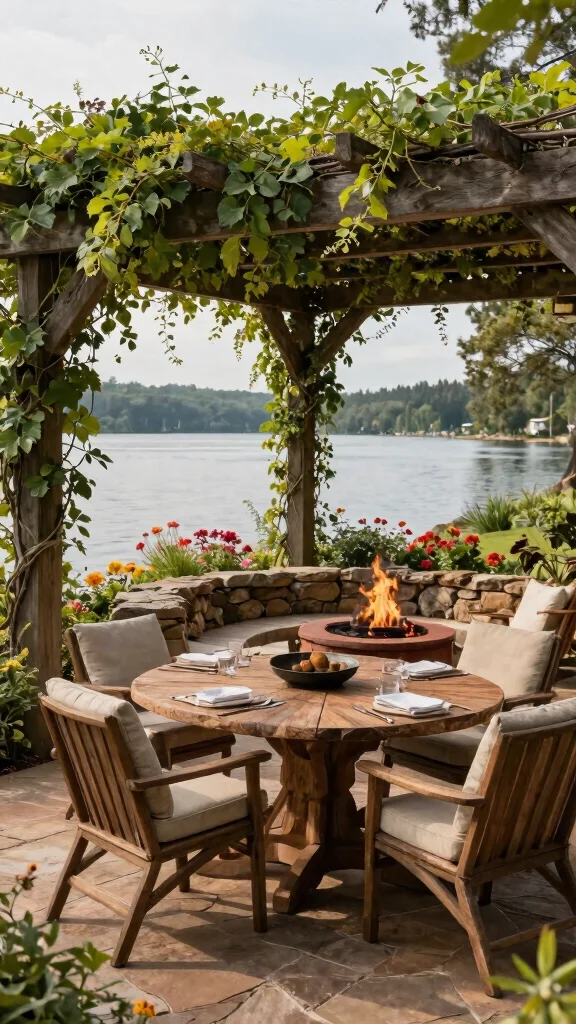
Enhancing your lake house with inviting outdoor living spaces can greatly extend your enjoyment of the natural surroundings. Areas designed for dining, lounging, or cooking can transform your property into an extension of your home, perfect for gatherings and relaxation.
Create a shaded dining area with a table under a pergola adorned with climbing plants, or design a cozy fire pit surrounded by comfortable seating for evening chats. An outdoor kitchen built with sustainable materials can complete your entertaining space.
Outdoor living space inspirations:
– Dining Area: Set up a table under a pergola for shade.
– Fire Pit: Create a gathering spot with comfortable seating.
– Outdoor Kitchen: Build a kitchen with eco-friendly materials.
These spaces foster relaxation and socialization while enhancing your landscape’s overall aesthetic, creating a harmonious connection with nature.
You Might Also Like
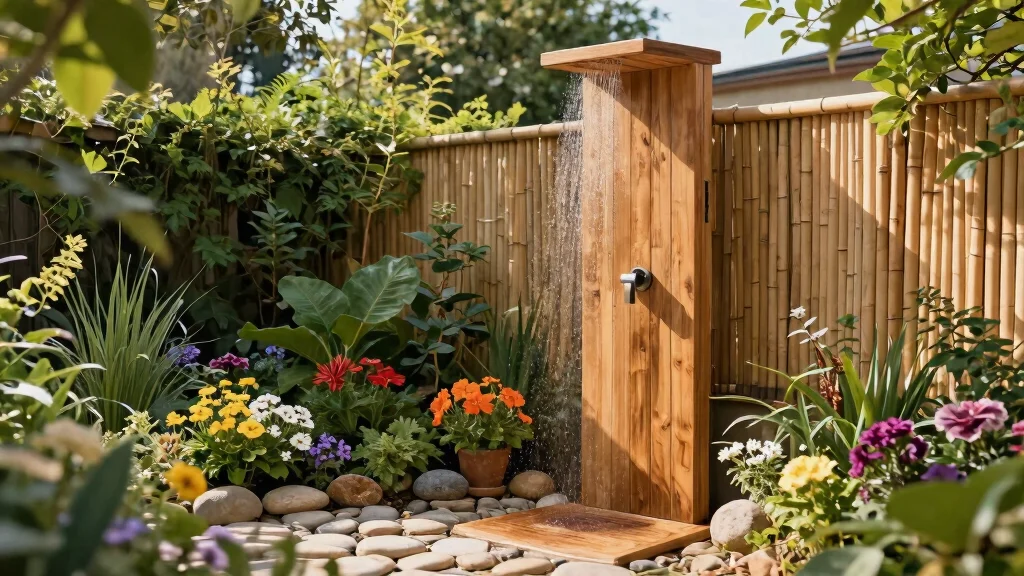

Foster Outdoor Living Spaces
Editor’s Choice

Aoxun 8’x10’ Gazebo, Wall Mounted Gazebos Pergola on Clearance, Outd…

SERWALL Outdoor HDPE Dining Table Set, 7-Piece Outdoor Dining Table Sets…

Rattaner 6 Pcs Outdoor Furniture Sets Patio Furniture Set with 45″ Fire …
9. Practice Sustainable Maintenance

Sustainable maintenance practices are vital for maintaining the beauty and health of your lake house landscaping. Regularly evaluating your garden helps you adapt to changes in the environment and ensure lasting vitality.
Implementing water conservation techniques, such as drip irrigation or rain barrels, can keep your plants healthy while using less water. Applying organic mulch preserves moisture and suppresses weeds, while composting garden waste creates nutrient-rich soil for your plants.
Maintenance strategies to consider:
– Watering Wisely: Use drip systems for efficient watering.
– Mulching: Apply organic mulch to enhance soil health.
– Composting: Recycle waste into nutrient-rich soil.
By adopting these sustainable practices, you can keep your lakeside garden flourishing while minimizing your environmental footprint, ensuring your property remains a beautiful sanctuary for years to come.
Did you know drip irrigation can cut water use by up to 50% in lake house landscapes? When paired with rain barrels, your native plants stay healthy through dry spells without overspending on irrigation. Sustainable maintenance is your best friend in lake house landscaping ideas.
Practice Sustainable Maintenance
Editor’s Choice
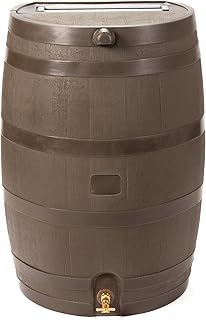
RTS Home Accents 50-Gallon Rain Barrel with Brass Spigot, Flat Back Rain…

Rain Bird LNDDRIPKIT Drip Irrigation Landscape/Garden Watering Kit with …

HealthiStraw GardenStraw, 3 cu ft (20 lbs) All-Natural Mulch for Gardens…
Conclusion

Each of these nine landscaping ideas offers a way to embrace nature while enhancing your lake house experience. By focusing on sustainable native plant landscaping, your waterfront property can thrive and attract wildlife while providing a beautiful backdrop for relaxation and enjoyment. Whether you implement one or all of these ideas, your lakeside oasis will not only be a source of pride but also a sanctuary for both you and the environment.
Note: We aim to provide accurate product links, but some may occasionally expire or become unavailable. If this happens, please search directly on Amazon for the product or a suitable alternative.
This post contains Amazon affiliate links, meaning we may earn a small commission if you purchase through our links, at no extra cost to you.
Frequently Asked Questions
What are the best lake house landscaping ideas to maximize waterfront space?
Start with a plan that prioritizes waterfront garden design and lakeside plant selection that thrive in your climate. These lake house landscaping ideas help you maximize waterfront space while staying sustainable. Choose native, drought-tolerant varieties to reduce irrigation and support local wildlife.
Create a gentle buffer along the shore with grasses and low shrubs to control erosion and filter runoff. For small space gardening, think verticals, compact cultivars, and multi-use planting beds. Finally, weave in eco-friendly landscaping practices like rainwater harvesting and organic mulch to keep the lake healthy.
How should I choose lakeside plant selection that is beautiful, low maintenance, and lake-friendly?
Begin with native, water-conscious species that thrive in lakefront conditions. Map the moisture gradient from water’s edge inward: plant wet-tolerant species right at the shore, and reserve drier-loving plants a few feet back. Always favor lakeside plant selection that are non-invasive and suited to your climate. Create a natural buffer of grasses and low shrubs (3–6 feet wide) to filter runoff and reduce erosion.
Space plants for healthy growth and group them by light and moisture needs to simplify care. Finally, source from local native plant lists to support pollinators and wildlife while keeping maintenance manageable.
What eco-friendly landscaping practices work best for lakefront properties?
Eco-friendly landscaping here means water-smart design and low-maintenance plantings. Start with a shoreline-friendly plan using native species (wetland grasses, shrubs, and perennials). Use a waterfront garden design approach to reduce runoff and soil erosion. Install a rain garden to capture stormwater, and collect rainwater with eco-friendly rain barrels for irrigation. Choose permeable pathways and limit lawn areas, avoiding chemical fertilizers in favor of organic compost and mulch. This keeps your lake healthier and your maintenance simpler.
How can I design small outdoor living spaces along the lakefront without blocking views?
Think vertical and modular. Use container gardens and rail planters for flexible color and height adjustments, keeping sightlines open toward the water. Create a compact seating area with weatherproof furniture and built-in or corner seating that doesn’t overwhelm the space. Follow waterfront garden design principles by selecting low-profile plants and using reflective surfaces or a small water feature to enhance the view. Connect zones with a simple path and subtle lighting to extend outdoor living spaces into evenings.
What maintenance tips keep a lakeside garden healthy year-round?
Consistency is key for a resilient lakeside landscape. In spring, prune and tidy plantings, check for and reinforce any shoreline erosion, and renew mulch. Throughout the year, monitor for invasive species and remove them early. Keep up with small space gardening demands by rotating containers and refreshing mulch every season. Use native, drought-tolerant plants where possible to reduce irrigation needs, and consider rainwater harvesting to irrigate efficiently. Prepare for storms by securing loose items and reinforcing exposed slopes to protect your design.
Related Topics
lake house landscaping
waterfront garden design
sustainable landscaping
native plants
outdoor living spaces
eco-friendly gardening
small space gardening
lakeside plant selection
beginner friendly
seasonal landscaping
DIY lakefront
garden maintenance