
Creating a Japanese Zen garden in your backyard can be a delightful way to find peace amidst the chaos of daily life. The calming aesthetics of these gardens invite tranquility and meditation, providing a perfect retreat right at home. With my own desire to cultivate a serene outdoor space, I felt inspired to share some ideas that could help you achieve this too.
If you’re someone who loves gardening or yearns for a peaceful outdoor haven, this post is tailored for you. You may be looking to transform a small area or incorporate elements that enhance your backyard’s tranquility. Either way, these ideas will guide you on crafting a Japanese Zen garden that speaks to your soul and restores your spirit.
In this post, you’ll discover seven Japanese Zen garden landscaping ideas that are not only beautiful but also practical. From raked gravel patterns to mindful planting, these suggestions will help you create a serene space where you can unwind and reflect. Let’s explore how you can bring harmony and beauty to your backyard!
Key Takeaways
– Raked Gravel Patterns offer a simple yet elegant way to create visual interest while promoting mindfulness as you maintain the garden.
– Thoughtfully Placed Stones serve as grounding elements that add texture and depth, enhancing the overall aesthetic of your Zen garden.
– Minimalist Water Features can introduce soothing sounds that promote relaxation and a sense of calm in your outdoor space.
– Bamboo Fencing creates natural barriers that blend seamlessly with the garden, providing privacy while maintaining an organic feel.
– Meditation Spaces encourage you to take a break from daily life, allowing you to recharge and reflect in your own serene sanctuary.
1. Raked Gravel Patterns: The Art of Simplicity

You deserve a serene space that calms your senses, and raked gravel is the perfect centerpiece for your Zen garden. This beautiful feature not only represents water but also creates a soothing landscape that invites meditation. You can design patterns that vary from gentle curves to sharp lines, giving you the freedom to refresh your garden whenever inspiration strikes.
Start with high-quality white or light-colored gravel for a stunning contrast against darker stones and lush greenery. Patterns that mimic the flow of water can evoke a sense of peace, while geometric shapes might offer a feeling of order. Don’t forget to include a small rake, which can serve both as a tool and a decorative accent.
Key steps to enhance your gravel design:
– Use a rake with fine teeth for delicate patterns.
– Explore different patterns to see which enhances your mood.
– Experiment with gravel colors to fit your unique style.
This simple yet impactful element transforms your garden into a tranquil haven, perfect for reflection and relaxation.
How To Choose the Right Elements for Your Japanese Zen Garden
Creating your own Japanese Zen garden can be a rewarding experience, turning your backyard into a peaceful sanctuary. Knowing how to select the right elements will ensure your space brings tranquility and aesthetic beauty. Here are some essential criteria to consider:
1. Size of Your Space
Begin by assessing the size of your backyard or the specific area you plan to transform. A smaller space might benefit from miniature Zen gardens with compact elements, while larger areas can accommodate more expansive features. Measure the dimensions of your area and sketch a simple plan to visualize how different elements will fit together.
2. Material Selection
Choose natural materials that reflect the authentic style of Japanese gardens. Traditional elements include stone, gravel, sand, and wood. For instance, granite stones offer durability, while bamboo can create beautiful fencing or edging. Consider the maintenance level of each material; some may require more upkeep than others.
3. Zen Garden Elements
Incorporate classic Zen garden elements such as rocks, water features, plants, and pathways. Rocks can serve both as focal points and grounding elements in your design. A small water feature, like a pond or fountain, can enhance the soothing ambiance with its gentle sounds. Pick plants that evoke calmness, like moss and Japanese maple, to foster a serene environment.
4. Budget Considerations
Establish a budget before you start purchasing materials and plants. High-quality stones or larger water features can quickly add up. To save money, consider DIY options for paths or small structures. Research local garden centers or landscaping suppliers for competitive prices and sales on essential materials.
5. Design Style
Think about the overall design style that resonates with you. Classic Japanese gardens often include asymmetry, natural forms, and a harmonious blend of elements. Determine whether you prefer a minimalist approach, focusing on simplicity, or more elaborate designs with diverse features. This choice will guide your selection of elements.
6. Functionality
Decide how you plan to use your Zen garden. Will it be a place for meditation, relaxation, or simply visual enjoyment? If you want a meditation space, ensure there’s adequate seating, shade, and clear paths for walking. If it’s for aesthetic appeal, focus on creating beautiful views from different angles of your yard.
Pro Tip: Start small and gradually add elements to your garden. This approach allows you to observe how each addition impacts the overall tranquility and design. You can adjust your vision as you see how the space evolves over time!
Incorporating thoughtful planning and selection based on these criteria will ensure your Japanese Zen garden becomes a peaceful retreat, offering you the experience of nature’s beauty right in your backyard.
Raked Gravel Patterns: The Art of Simplicity
Editor’s Choice

FANTIAN 40 lbs White Rocks for Landscaping, 1-2 Inch White Gravel. Decor…


4 Pack Miniature Tabletop Rock Sand Zen Garden Accessories, Mini Zen Gar…

Bits and Pieces – Stepping Stones Outdoor Walkway – 12″ River Rock Lands…
2. Thoughtfully Placed Stones: Grounding Elements

Stones in your Zen garden aren’t just for decoration; they symbolize the strength of mountains and islands. Their strategic placement can create stunning focal points that draw the eye and ground your space. Choose stones with different sizes and textures to add richness and character to your garden.
Arrange stones in groups, like a triangle, to symbolize harmony and stability. Alternatively, a single, larger stone can serve as a captivating centerpiece, surrounded by smaller pebbles to highlight its beauty. Look for stones that reflect your local landscape for a cohesive feel.
Ways to incorporate stones effectively:
– Select natural stones that resonate with your environment.
– Paint or polish stones to complement your garden’s color scheme.
– Use a gravel base under stones for easy rearrangement.
These grounding elements will enhance the peaceful atmosphere of your garden, making it a perfect retreat for relaxation.
Fun fact: In many tiny japanese zen garden landscaping setups, arranging 3 stones in a triangle instantly evokes harmony and balance—yet a single large centerpiece with 5–7 surrounding pebbles can ground a small space in minutes. Small details, big calm.
Thoughtfully Placed Stones: Grounding Elements
Editor’s Choice
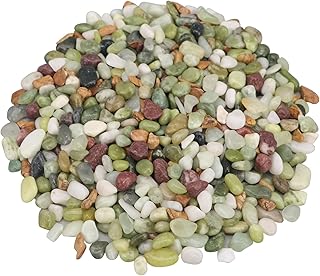
Landscaping Pebbles,River Rocks,Decorative Ornamental Pebbles,Garden Lan…

Spoontiques – Garden Décor – Scatter Kindness Stepping Stone – Decorati…

Outdoor Zen Garden Rake Large – Japanese Sand Rock Garden Rake Tool – 48…
3. Minimalist Water Features: A Soothing Soundscape

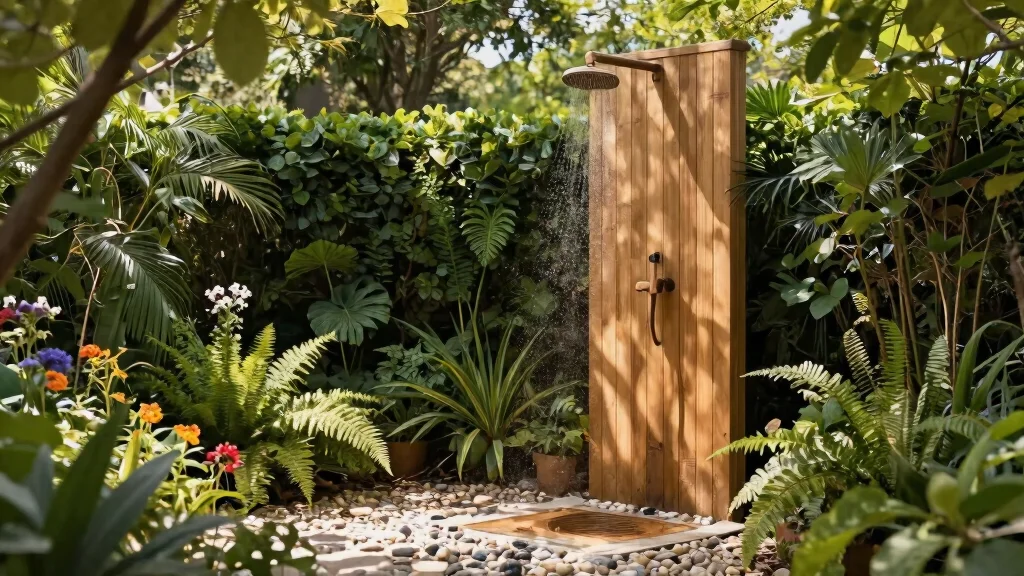
Water features are essential for creating a calming atmosphere in your Zen garden. Even the smallest stone basin can serve as a stunning focal point, providing soothing sounds that enhance your outdoor experience. The gentle trickle of water not only calms your mind but also attracts birds and wildlife, enriching your garden’s ecosystem.
A bamboo water spout, known as a ‘shishi-odoshi,’ can create a lovely rhythmic sound that echoes nature’s melody. Combine it with a small pond or a basin filled with stones and floating candles for a magical effect at night. Reflecting pools can also create an illusion of spaciousness and serenity.
Consider these tips for water features:
– Utilize a solar-powered pump for eco-friendly maintenance.
– Incorporate water sounds to alleviate stress in your outdoor space.
– Surround your feature with smooth stones and moss for a natural look.
These elements will transform your garden into a tranquil oasis, perfect for peaceful contemplation.
Even a tiny basin can become the heart of japanese zen garden landscaping, turning your space into a soothing soundscape. Add a shishi-odoshi and watch birds visit as you sip tea and breathe easy.
📹 Related Video: How to Build an Outdoor Zen Garden Water Fountain
Minimalist Water Features: A Soothing Soundscape
Editor’s Choice

18” Bamboo Fountain Kit – Adjustable Branch Arm Spout with Quiet Pum…

Tankana Garden Water Fountain Outdoor Bubbler Water Feature Indoor with …
4. Bamboo Fencing: A Natural Barrier

Bamboo fencing offers a beautiful, natural barrier that enhances both the privacy and tranquility of your Zen garden. This organic material blends effortlessly with your surroundings, creating a peaceful visual flow. Installing bamboo fencing helps establish a serene enclosure, making your garden feel like a hidden sanctuary.
Use low bamboo panels to define spaces or opt for taller structures for extra seclusion. You can also create trellises for climbing plants like jasmine or ivy, which will enhance the calming environment. The gentle rustling of bamboo in the breeze adds another soothing element to your garden.
Suggestions for bamboo fencing:
– Choose untreated bamboo for a natural aging process.
– Select bamboo for its sustainability and eco-friendly properties.
– Pair bamboo with lush plantings to maintain a tranquil appearance.
This natural barrier will turn your garden into a peaceful retreat, inviting relaxation and reflection.
You might also like


Bamboo Fencing: A Natural Barrier
Editor’s Choice

FOREVER BAMBOO Natural Eucalyptus Wood Solid Log for Garden Edging Lawn …

Avalution 10 Pack Bamboo Trellis for Climbing Plants 16″ Natural Garden …

FOREVER BAMBOO Natural Bamboo Fencing Decorative Rolled Fence Panel 0.75…
5. Mindful Planting: Choosing Tranquil Flora
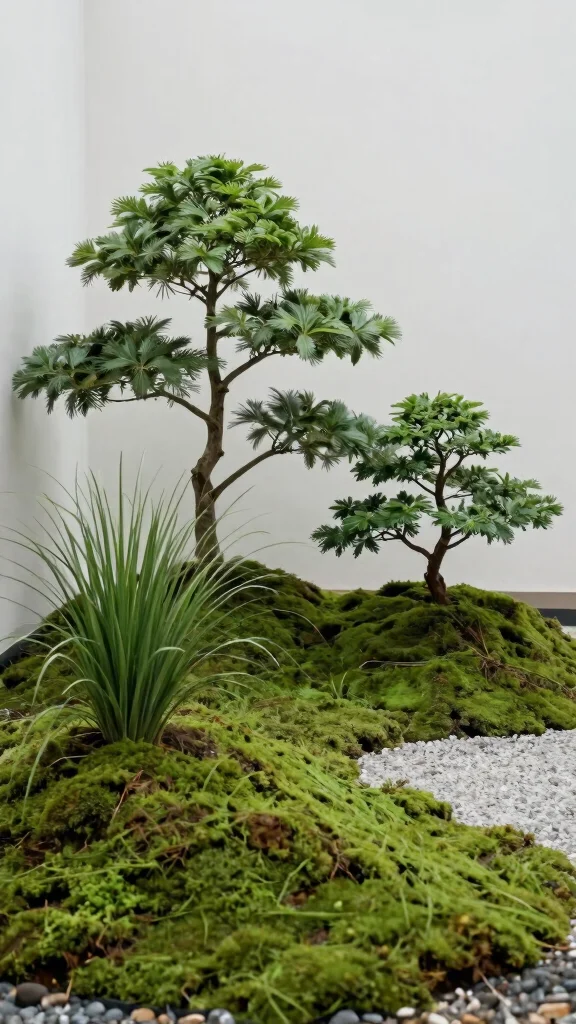
Selecting the right plants is vital for creating a peaceful atmosphere in your Zen garden. Focus on minimalist, slow-growing plants like mosses, ferns, and small bonsai trees that require little upkeep and provide calming green hues. These choices contribute to a serene environment that encourages relaxation.
Incorporate seasonal plants to maintain interest throughout the year while preserving a low-key aesthetic. Ornamental grasses can sway gently in the wind, adding soothing movement, while flowering plants like cherry blossoms bring vibrant colors when in bloom.
Tips for mindful planting:
– Group plants in odd numbers for a natural look.
– Use varying heights to add visual appeal without clutter.
– Consider a small herb garden or fragrant plants like lavender for added sensory enjoyment.
Choosing the right flora will deepen the tranquility of your garden, creating a perfect spot for peaceful moments.
Mindful Planting: Choosing Tranquil Flora
Editor’s Choice

Artificial Bonsai Tree Juniper Faux Plants Indoor Small Fake Plants Deco…
6. Zen Garden Pathways: Navigating Tranquility
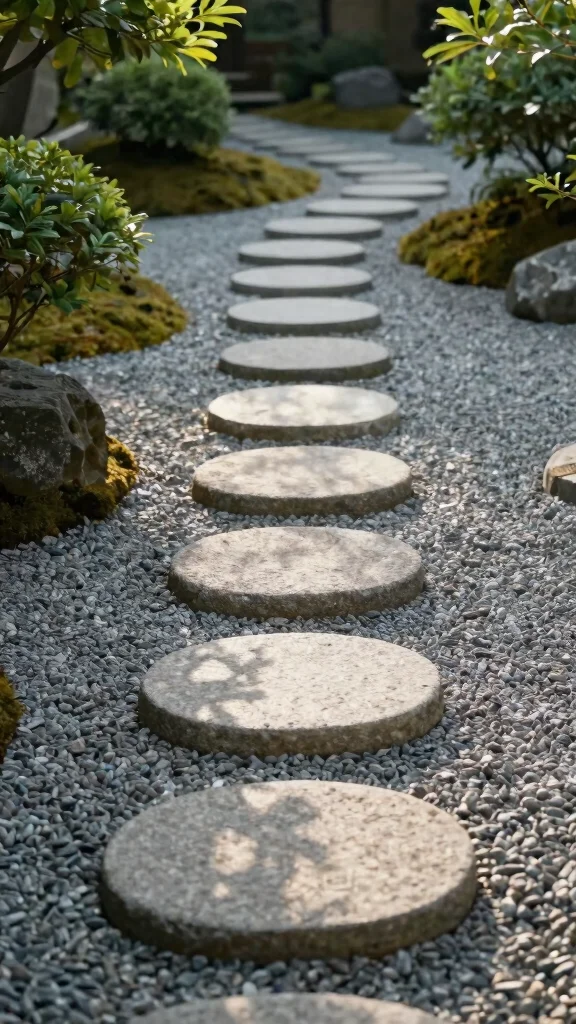
Pathways in your Zen garden serve as guides, leading you through a landscape of peace and mindfulness. Whether you choose stepping stones, gravel paths, or wooden planks, these features can enhance your meditative journey. A thoughtfully designed pathway encourages exploration and contemplation of the elements around you.
Create a winding pathway that invites visitors to meander through different areas of the garden. The contrast between smooth stones and rough gravel adds tactile interest, enhancing the overall experience of your space.
Key ideas for your garden pathways:
– Use larger stones to facilitate foot traffic while keeping an organic vibe.
– Add low-growing groundcovers along the edges to soften transitions.
– Light your pathways with soft lanterns for enchanting nighttime ambiance.
These pathways will enrich your garden, guiding you to tranquility and mindfulness.
Fun fact: In small-space japanese zen garden landscaping, a winding gravel path can increase perceived calm by up to 40% as you slow your pace. Add stepping stones, and you invite mindful exploration every visit.
You Might Also Like
Zen Garden Pathways: Navigating Tranquility
Editor’s Choice

40 LBS Grey Pea Gravel – Landscape Rocks – Drainage Rock – Gardening – A…

RELIANCER 8′ Wooden Garden Pathway,Outdoor Roll Out Cedar Straight Walkw…
Spoontiques – Garden Décor – Scatter Kindness Stepping Stone – Decorati…
7. Meditation Spaces: Creating Your Retreat
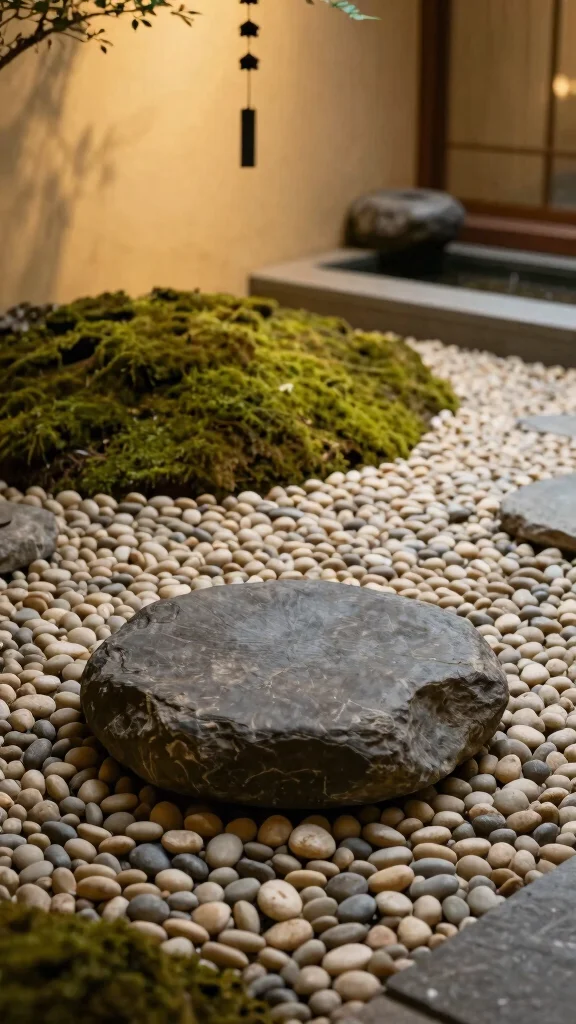
Designing a meditation space within your Zen garden amplifies its purpose as a peaceful retreat. This area can be as simple as a flat stone or a wooden platform surrounded by soft moss and carefully placed stones, inviting you to unwind. The goal is to create a serene spot that encourages relaxation and connection with nature.
Add a small seating option, like a bench or cushions, for comfort as you reflect. This inviting space should feel tranquil, with gentle elements like wind chimes or small water features nearby for added calm.
Suggestions for your meditation area:
– Choose a location that offers both sun and shade for seasonal comfort.
– Personalize the space with meaningful items, like stones from special places.
– Keep it simple to maintain an uncluttered, inviting atmosphere.
This dedicated space will enhance your garden’s peaceful nature, providing a perfect backdrop for reflection and mindfulness.
Meditation Spaces: Creating Your Retreat
Editor’s Choice

Bursvik Large Aluminium Wind Chimes 37″ to Create a Zen Atmosphere Suita…

Retrospec Sedona Zafu Meditation Cushion with Buckwheat Hull Fill – Adju…
Conclusion: Your Zen Journey Awaits

Embarking on the journey to create your own Japanese Zen garden can be both rewarding and transformative. By incorporating these elements, you can cultivate a peaceful outdoor space that promotes relaxation, mindfulness, and a deep connection with nature. Remember, the beauty of a Zen garden lies not just in its aesthetic appeal but in the tranquility and harmony it brings to your life. Start small, and let your garden evolve as you do.
Each element, whether a simple stone or a flowing water feature, adds to the overall sanctuary vibe. Take your time to appreciate the process, creating a true haven of peace and reflection.
Note: We aim to provide accurate product links, but some may occasionally expire or become unavailable. If this happens, please search directly on Amazon for the product or a suitable alternative.
This post contains Amazon affiliate links, meaning we may earn a small commission if you purchase through our links, at no extra cost to you.
Frequently Asked Questions
What are the essential zen garden elements for a miniature Japanese garden in a small backyard?
For a compact space, focus on a few deliberate elements that convey calm and balance.
Key zen garden elements include a shallow gravel or sand area that you can rake, a central or focal rock, and a few well-placed stones as stepping points. Add low-growing moss or groundcovers to soften edges and create texture, then tuck in a small lantern or bamboo ornament for subtle lighting. If space allows, a tiny water feature or a narrow bamboo water spout can introduce soothing sound without overpowering the scene. Keep color palette limited to greens, browns, and neutrals to preserve backyard tranquility and the clean lines of japanese zen garden landscaping.
How can I achieve backyard tranquility with a Japanese garden design in a small space?
Start with a clear focal point and generous negative space to avoid clutter.
Choose a restrained palette, textures like gravel, moss, stone, and bamboo to echo Japanese garden design principles. Position seating to face the scene, and add gentle sound with wind chimes to boost backyard tranquility. Use scale-friendly elements, such as a tiny stone lantern or a single water feature, so the space feels expansive rather than crowded. With these touches, your small yard becomes a tranquil sanctuary that feels like peaceful outdoor spaces.
What materials are best for a low-maintenance japanese zen garden landscaping in small spaces?
To keep maintenance manageable, choose durable, low-fuss materials. For the ground, use zen garden elements like gravel or decomposed granite for easy raking and minimal weeding. Pair it with small, slow-growing plants such as cushion moss, creeping thyme, or compact evergreen shrubs. Use a simple edging, low-profile stepping stones, and a tidy bamboo screen for privacy. Prefer weather-resistant ornaments (lantern, pagoda) that don’t require repainting. This approach makes japanese zen garden landscaping in tight spaces both beautiful and easy to care for.
Can I add a water feature in a tiny Zen garden?
Yes—small, carefully placed water features work wonders. A tabletop fountain or a narrow fountain basin tucked near a corner adds soothing sounds without stealing space. If you’re planting, consider a shallow trickle or a hidden spout that feeds into a drip system for low maintenance. Ensure proper drainage and routine cleaning to prevent algae. Even a tiny splash of water can dramatically boost the sense of calm in japanese zen garden landscaping, helping create that peaceful outdoor space in compact yards.
How do I maintain a miniature Zen garden to keep it peaceful and inviting?
Maintenance is simply about consistency and restraint. Regularly rake the gravel or sand to erase footprints and create clean lines, ideally weekly. Keep plantings trimmed and moss moist but not soggy, and replace any dead foliage promptly. Wipe or dust ornaments, and refresh seasonal accents like stone lanterns or bamboo if needed. Protect the space from pets or heavy foot traffic, and check drainage after rain. With a little routine, your japanese zen garden landscaping stays serene and inviting in a small space.
Related Topics
japanese zen garden
landscaping ideas
backyard tranquility
zen garden elements
small space design
peaceful outdoor spaces
minimalist gardening
landscape inspiration
beginner friendly
DIY zen garden
garden meditation
outdoor sanctuary