
Creating an inviting outdoor space is something many of us crave, especially when every inch counts. You might be wondering how to breathe life into your small urban garden or how to make your yard feel more intentional. That’s why I put together this guide on fence border landscaping ideas. With the right approach, your garden can transform from chaotic to cozy, making it a welcoming retreat right outside your door.
If you’re someone who loves gardening and is passionate about enhancing your outdoor space, this post is for you. Whether you live in a compact apartment or have a modest backyard, these creative fence border landscaping ideas will bring beauty and function to your yard. You’ll discover how to utilize vertical space, incorporate unique materials, and design borders that elevate the look of your garden.
In this article, I offer you eight inspiring ideas that are practical, stylish, and ideal for small spaces. From vertical gardens that act as living fences to rustic charm created with recycled materials, these suggestions will help you redefine your outdoor area. Get ready for a journey through creative fencing solutions that easily turn your yard into a purposeful haven.
Key Takeaways
– Maximize vertical space: Vertical gardens can act as stunning living fences, allowing you to grow plants without taking up precious ground space.
– Use recycled materials: Repurposing wood or metal can add rustic charm to your garden while being eco-friendly and budget-conscious.
– Incorporate modern fencing: Metal fencing offers a sleek look that works beautifully in urban settings, complementing modern architecture and design.
– Blend art with utility: Trellis fencing can serve as both a decorative element and a support structure for climbing plants, enhancing your garden’s aesthetics.
– Integrate functional elements: Elevated beds with fencing not only enhance your garden’s layout but also make gardening easier by reducing bending and kneeling.
1. Vertical Gardens: A Living Fence
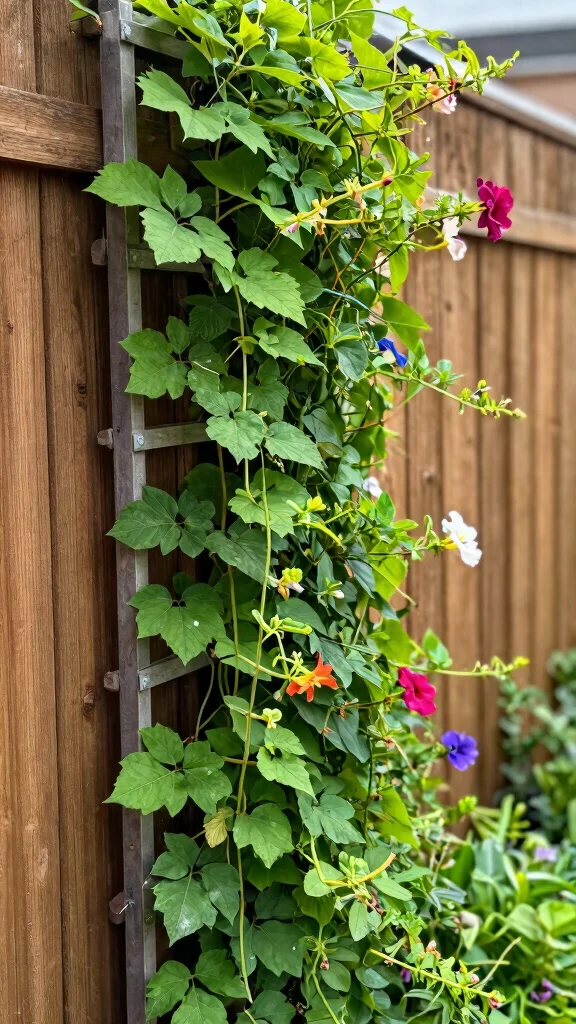
Imagine turning your plain fence into a vibrant vertical garden that offers both privacy and breathtaking beauty. With wall planters or trellises, you can create a lush green wall that features climbing plants like fragrant jasmine or hearty ivy. This living fence not only enhances your outdoor aesthetics but also contributes to a healthier environment by filtering the air around you.
To begin your vertical garden journey, select a durable planter or trellis, and choose plants suited to your local climate. Incorporating cascading flowers will add an extra burst of color and charm to your space.
Key benefits of vertical gardens:
– Maximize limited space in smaller yards
– Promote eco-friendliness by supporting wildlife
– Serve as a stunning focal point in your landscape
By focusing on regular maintenance like watering and pruning, your vertical garden will thrive, bringing life and vibrancy to your yard.
Fact: Vertical gardens can double your planting space, boosting fence border landscaping impact by up to 40% in a small yard. Pro tip: pair wall planters with a sturdy trellis and choose compact climbers for easier maintenance and year-round privacy.
Key Trade-offs & Our Top Pick
Option Comparison
1. Vertical Gardens: A Living Fence
– Pros:
– Provides a natural look and improves air quality.
– Maximizes vertical space, ideal for small urban gardens.
– Cons:
– Requires regular maintenance and watering.
– Initial setup can be costly due to materials and plants.
– Best for: Urban gardeners looking for a green aesthetic and air-purifying benefits.
2. Recycled Materials: Rustic Charm
– Pros:
– Eco-friendly option that saves costs on materials.
– Adds unique character and charm to your yard.
– Cons:
– May not be as durable as new materials.
– Requires creativity and effort to source and assemble.
– Best for: Gardeners who enjoy DIY projects and want to promote sustainability.
3. Metal Fencing: Modern Edge
– Pros:
– Durable and long-lasting, requiring little maintenance.
Offers a sleek, contemporary look for urban spaces.
– Cons:
– Can be more expensive than wood or vinyl.
May not provide as much privacy depending on design.
– Best for: Homeowners seeking a modern aesthetic with low upkeep.
4. Trellis Fencing: Garden Art
– Pros:
– Can support climbing plants for a lush look.
Functions as a decorative feature while providing some privacy.
– Cons:
– May not be sturdy enough for high winds without reinforcement.
Requires maintenance of both the trellis and plants.
– Best for: Those wanting a blend of decoration and functionality in their garden.
5. Living Fences: Nature’s Barrier
– Pros:
– Offers natural beauty and wildlife habitat.
Grows thicker over time, enhancing privacy.
– Cons:
– Takes time to grow to full size.
Requires ongoing care and maintenance to shape and control growth.
– Best for: Gardeners looking for an organic solution to privacy and aesthetics.
Expert Recommendation:
Best Overall: Vertical Gardens: A Living Fence
This option stands out because it effectively uses limited space while adding beauty and air quality benefits. You get a stylish way to create a fence that doesn’t just separate areas but also enhances your outdoor experience. With a variety of plants available, you can customize it to your taste, making it a versatile choice that lasts for years with proper care.
Why We Picked This:
While vertical gardens are our top pick, your preferences may lean towards alternatives like recycled materials for charm or metal fencing for durability. It’s crucial to consider your lifestyle, budget, and maintenance willingness when choosing the best fence border landscaping idea for your urban garden. Each option has its strengths and weaknesses, so weigh them carefully to find the right fit for your unique space.
Vertical Gardens: A Living Fence
Editor’s Choice

Make Good PlantPod Luxe – Self-Watering Wall Planters (Set of 6) – Easy …


2 Star Jasmine Plants in 3.5” Cubes | Live Fragrant Evergreen Climbing…

2 Pack Garden Trellis for Climbing Plants Outdoor, Metal Arched Fence Tr…
2. Recycled Materials: Rustic Charm

Why settle for ordinary fencing when you can use recycled materials to add unique character to your garden? Old pallets or reclaimed wood can create a charming rustic fence that tells a story while being environmentally friendly. These materials can also serve as clever vertical gardens with some creative planning.
Start by brainstorming how to best utilize items like painted pallets or vintage doors. Repurposed materials not only offer a creative fencing option but also promote sustainability. The distinct look they provide adds unmatched personality to your outdoor space.
Ideas for using recycled materials:
– Design a horizontal pallet fence for a trendy look
– Paint pallets in vibrant colors for added flair
– Use old windows or doors for whimsical borders
By incorporating these elements, you can craft a garden that reflects your personality while helping the planet.
Recycled Materials: Rustic Charm
Editor’s Choice

TOREVSIOR 5-Tier Vertical Raised Garden Bed, Vertical Garden Planter wit…

Rust-Oleum 1993502 Painter’s Touch Ultra Cover Multi-Purpose Brush-On Pa…

6ft Dog-Ear Fence Picket 5.9 inch x 0.5 inch Fir Wood Fence Boards 15-Pa…
3. Metal Fencing: Modern Edge

For those seeking a contemporary flair, metal fencing offers a sleek and stylish alternative. Materials such as aluminum or steel can form clean lines that enhance the architectural feel of your urban garden. These fences provide a polished look while maintaining a sense of openness.
Consider pairing your metal fencing with low-maintenance plants like hardy succulents or graceful ornamental grasses. This combination creates an eye-catching contrast between the modern fence and the soft foliage, making your outdoor space truly inviting.
Advantages of metal fencing:
– Long-lasting durability with minimal upkeep
– Variety of designs available, from minimalistic to decorative
– Provides boundary without sacrificing openness
By choosing metal fencing, your garden will benefit from both style and function, giving it a modern edge.
Metal Fencing: Modern Edge
Editor’s Choice

Jonathan Green (10323) Black Beauty Ultra Grass Seed – Cool Season Lawn …

FXW Garden Fence Outdoor for the Yard – 50in(H) x 83.5ft(L) Heavy Duty…

NWFashion Special Design Fun Garden 6INCH Flower Planter Succulent Pot I…
4. Trellis Fencing: Garden Art

Transform your outdoor area with trellis fencing that doubles as both a boundary and an artistic statement. Climbing plants and decorative accents can turn a simple trellis into a stunning focal point that captures attention. This design element invites personal expression through your choice of plants and decorations.
Add unique touches like wind chimes or lanterns to enhance the visual appeal both during the day and at night. A trellis can easily blend into your garden, enriching the overall aesthetic of your outdoor space.
Benefits of trellis fencing:
– Enables artistic expression with plant and decor choices
– Perfect for displaying vibrant flowering vines
– Customizable designs to fit your garden’s style
With a little creativity, your trellis can become a beloved part of your landscape, making your outdoor area feel more inviting.
Turning trellis fencing into garden art makes every inch feel intentional. Pick climbing plants that suit sun and wind, then add wind chimes or lanterns for day to night charm—an easy, actionable way to master fence border landscaping.
You might also like


Trellis Fencing: Garden Art
Editor’s Choice

RUBFAC 7.8ft Garden Arch Trellis for Climbing Plants Outdoor, Metal Arch…

Solar Lantern Outdoor Indoor Use – Hanging Solar Lights with Realistic…
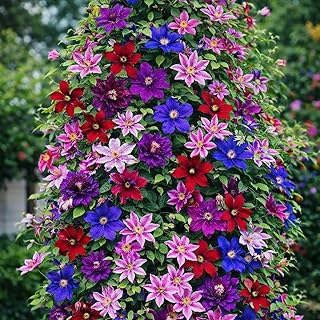
320+ Mixed Color Clematis Vine Plant Seeds, Clematis Seed for Planting L…
5. Elevated Beds with Fencing
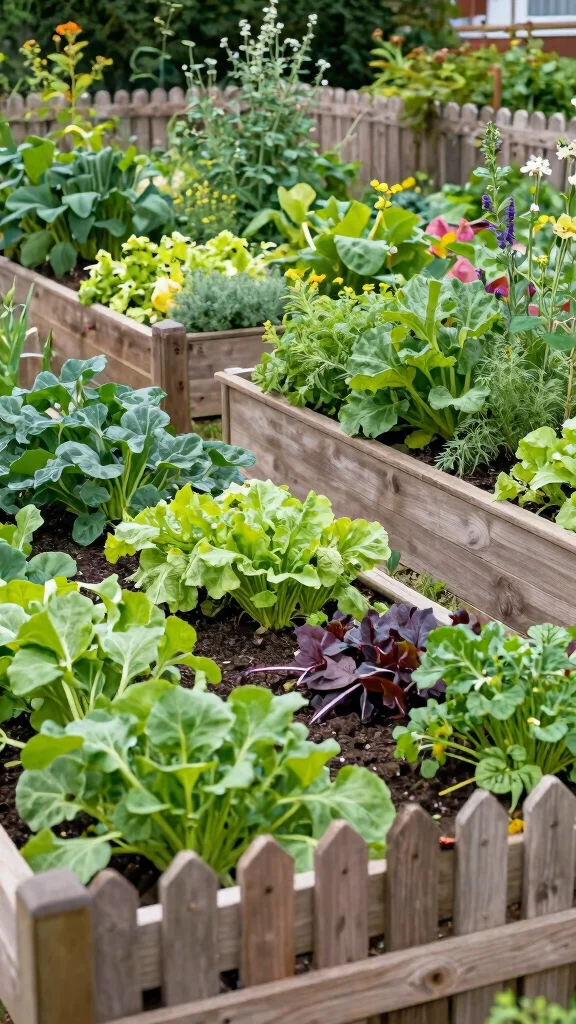
Elevated garden beds serve a dual purpose, acting as both plant containers and unique fencing solutions. These structures not only provide a place for your favorite herbs and veggies to flourish but also create a barrier that enhances your garden’s layout.
Using materials like treated wood or interlocking stones, you can design raised beds that match your garden’s aesthetic. Adding decorative fencing around the top can keep pests away while creating a visually pleasing border.
Benefits of elevated beds:
– Accessibility for easier planting and maintenance
– Improved drainage to prevent waterlogging
– Customizable designs to fit your garden style
This practical setup enhances your outdoor space while offering a functional and attractive gardening solution.
Fun fact: Elevated beds with a fencing top can increase usable space by up to 20% in small yards. For fence border landscaping, choose treated wood or interlocking stones to match your garden’s style, then seal the top to deter pests while keeping herbs within reach.
Elevated Beds with Fencing
Editor’s Choice

EasyFlex No-Dig Landscape Edging with Anchoring Spikes, 2.7 in Tall Deco…

Greenes Fence Classic Cedar Raised Garden Bed, 2′ x 4′ x 10.5″ (1/2″ Thi…

Decorative Garden Fence 17in x10ft, 10 Pack Rustproof Metal No Dig Fence…
6. Living Fences: Nature’s Barrier
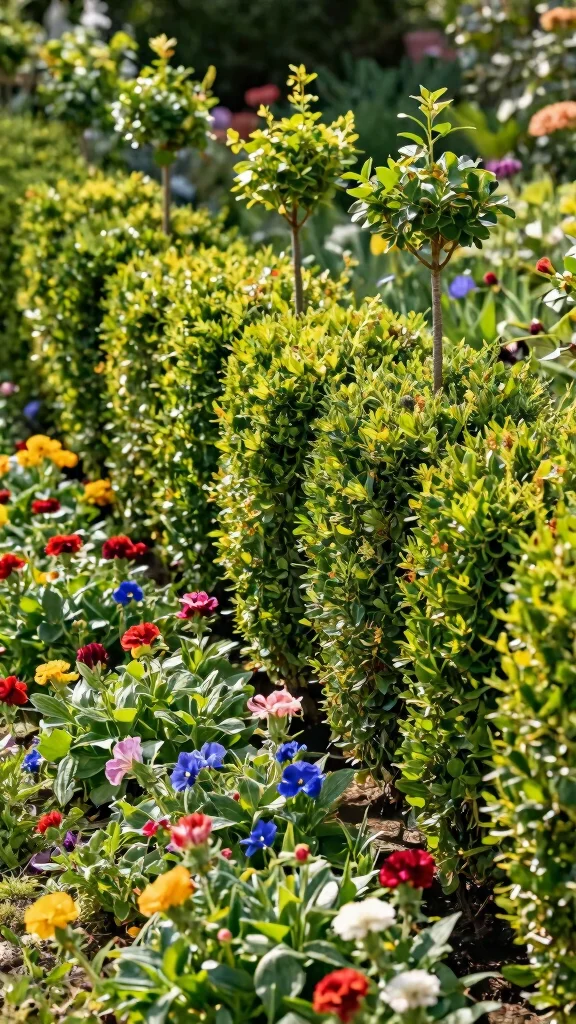
Consider creating a natural fence with living plants to define your space beautifully. This option not only provides privacy but also serves as a vibrant backdrop filled with life. Select shrubs or small trees that thrive in your area, ensuring that your living fence remains effective and aesthetically pleasing.
Pay attention to growth patterns and choose plants that won’t overwhelm your garden’s design. Regular trimming will keep your living fence neat and manageable while offering seasonal beauty.
Key considerations for living fences:
– Choose plants with appropriate growth habits
– Maintain regular care for a tidy look
– Opt for varieties that bloom at different times
Creating a living fence enriches your yard’s beauty and supports local wildlife, turning your garden into a thriving ecosystem.
📹 Related Video: Top 10 Living Fence Ideas for Privacy and Style 🌲🔒 // GARDEN PRIVACY HACKS
Living Fences: Nature’s Barrier
Editor’s Choice

Fiskars Bypass Pruning Shears, 5/8″ Cut Capacity Gardening Scissors, Sel…

Miracle-Gro Tree and Shrub Plant Food Spikes – Deciduous, Flowering & Ev…
7. Decorative Gravel Borders

Decorative gravel is an elegant and practical choice for defining your garden boundaries. Not only does it enhance aesthetics, but it also promotes proper drainage, keeping your plants healthy. The versatility of gravel allows you to choose colors and sizes that suit your overall design theme.
By pairing gravel with low-growing plants or ornamental stones, you can achieve a polished and cohesive look. Decorative gravel borders can seamlessly integrate into your landscape while providing visual interest and texture.
Advantages of gravel borders:
– Requires minimal maintenance, saving you time
– Available in diverse styles to fit your garden
– Eco-friendly option that encourages healthy plant growth
This stylish approach creates a beautiful outline for your garden, making every inch feel intentional.
You Might Also Like


Decorative Gravel Borders
Editor’s Choice

Virekm Landscaping Pebbles, River Rocks Decorative Ornamental Pebbles Ga…

GASPRO 15lb Natural River Rocks Decorative Rocks for Plants and Garden L…
8. Functional Fencing: Integrating Features
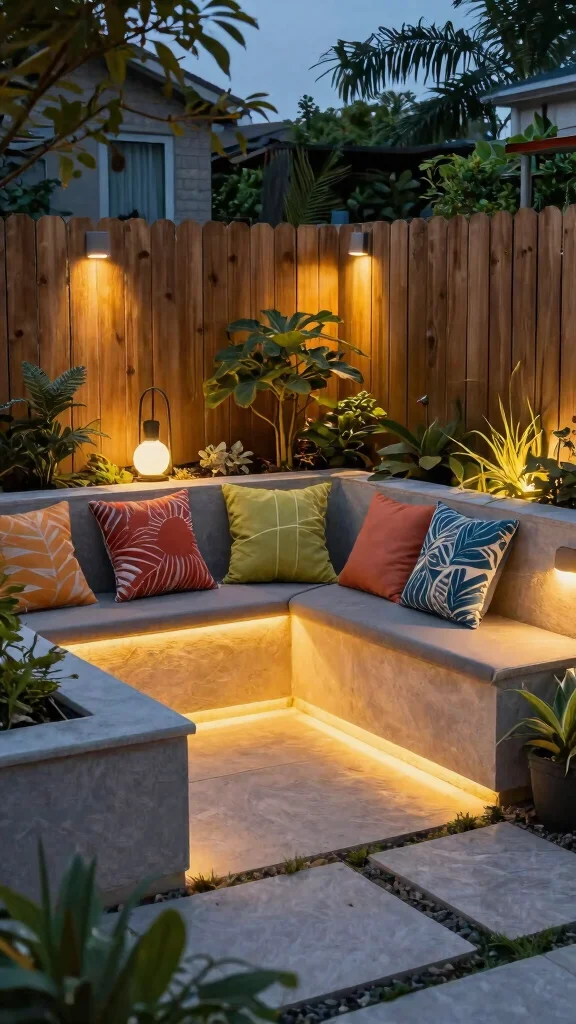
Think about incorporating functional fencing that offers additional features like seating, lighting, or storage. This creative approach maximizes your garden’s potential while providing practical advantages. By integrating these elements, your fence can serve multiple purposes, enhancing both usability and design.
Consider adding built-in seating with cozy cushions or string lights for nighttime charm. Including planters or shelves in your fence design can provide extra storage and functionality.
Ideas for functional fencing:
– Create a cozy nook with built-in seating
– Illuminate your space with decorative lighting
– Add storage solutions like shelves for gardening tools
Functional fencing can transform your garden into a multi-use area, ensuring every inch is utilized intentionally while still looking fabulous.
Functional Fencing: Integrating Features
Editor’s Choice

Keter 150 Gallon Resin Large Deck Box Organization and Storage Box for P…
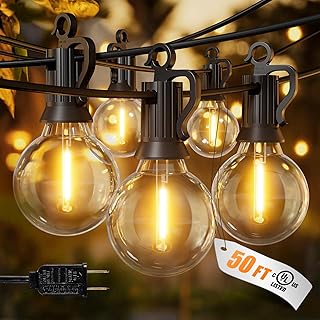
Brightown Outdoor String Lights, 50FT 25 G40 Bulbs Shatterproof Patio Li…
TOREVSIOR 5-Tier Vertical Raised Garden Bed, Vertical Garden Planter wit…
Conclusion

Creating a thoughtfully designed fence border can elevate your urban garden, making every inch feel intentional. By blending creativity with practicality, you can craft a space that reflects your personality and enhances your outdoor experience.
What’s your favorite idea from these suggestions? Try incorporating one or two into your own garden and watch how it transforms into a personal oasis that you love to spend time in.
Note: We aim to provide accurate product links, but some may occasionally expire or become unavailable. If this happens, please search directly on Amazon for the product or a suitable alternative.
This post contains Amazon affiliate links, meaning we may earn a small commission if you purchase through our links, at no extra cost to you.
Frequently Asked Questions
What is fence border landscaping and how can it transform a small urban garden?
Fence border landscaping is the art of designing and planting right along your fence line to define edges, add vertical interest, and make every inch of a small yard feel intentional. In a small urban garden, it can create privacy, frame focal points, and visually extend space.
How to get started: assess sun exposure and wind along the fence; map zones for groundcover, mid-height plants, and vertical elements; use layered planting with climbing vines, trellises, and hanging planters; choose compact, low-maintenance varieties suited to your climate; and add lighting or reflective surfaces to brighten the border.
By focusing on fence border landscaping and yard border landscaping, you can turn an unused edge into a cohesive, usable part of your outdoor space.
What are some practical garden fence ideas that maximize vertical space in a small yard?
Maxing vertical space starts with simple, scalable ideas. Here are practical garden fence ideas that suit a compact yard:
• Install trellis panels and train climbing plants like clematis or ivy to create a living green wall.
• Hang pots and baskets from fence rails to add color without crowding the ground.
• Use vertical planter towers or pocket planters for herbs and small vegetables.
• Add lattice screens or green screens as backdrop to create depth.
• Mount slim shelves for compact containers along the fence line.
These approaches are all part of yard border landscaping and creative fencing solutions that boost an outdoor space without taking up square footage.
How can I choose materials and plants for durable fence border landscaping in a small yard?
Durability starts with smart material choices and plant selection. For materials, consider weather-resistant options like cedar or other rot-resistant woods, metal panels, or composite boards, with proper sealing and fasteners to withstand urban conditions.
For plants, pick compact varieties that suit your sun exposure and climate—evergreen foundations for structure, with seasonal color bands to keep interest year-round. Use dwarf or trained varieties for maximum impact with minimal space, and group plants with similar water needs to simplify maintenance.
Pair durable materials with thoughtful irrigation and mulch to extend life and reduce upkeep, and don’t be afraid to use creative fencing solutions such as lattice inserts or living screens to add personality.
What landscape design tips help create an intentional outdoor space along a fence line?
Think of the fence line as a boundary that can guide the entire yard. Here are landscape design tips to create an intentional outdoor space along a fence:
• Define a clear rhythm by repeating a few plant types, colors, and textures along the border for cohesion.
• Layer height from groundcover to mid-height plants to vertical accents, so the border reads as depth rather than a flat wall.
• Choose a unifying color palette and mix textures (soft leaves, architectural stems) to add interest.
• Add lighting to highlight features and extend usability after dark, improving outdoor space enhancement.
• Include a small functional element, like a slim seating niche or a narrow path, to make the border feel intentional and approachable.
How do I maintain and refresh yard border landscaping year-round along a fence?
A simple maintenance plan helps your fence border landscaping stay fresh. Start with a seasonal calendar: spring cleanup and pruning, summer watering checks, fall tidying, and winter protection for delicate plants and wooden elements.
Refresh the border by rotating seasonal color in planters, renewing mulch, and tidying up any tired lattice or trellises. Regularly prune to maintain shape, monitor for pests, and adjust irrigation for rainfall. With a little routine, your fence border landscaping remains a vibrant outdoor space enhancement that keeps your small yard feeling intentional.
Related Topics
fence border landscaping
urban gardening
small space design
creative fencing solutions
landscape design tips
outdoor space enhancement
beginner friendly
budget landscaping
vertical gardens
yard border landscaping
seasonal decor
easy garden projects