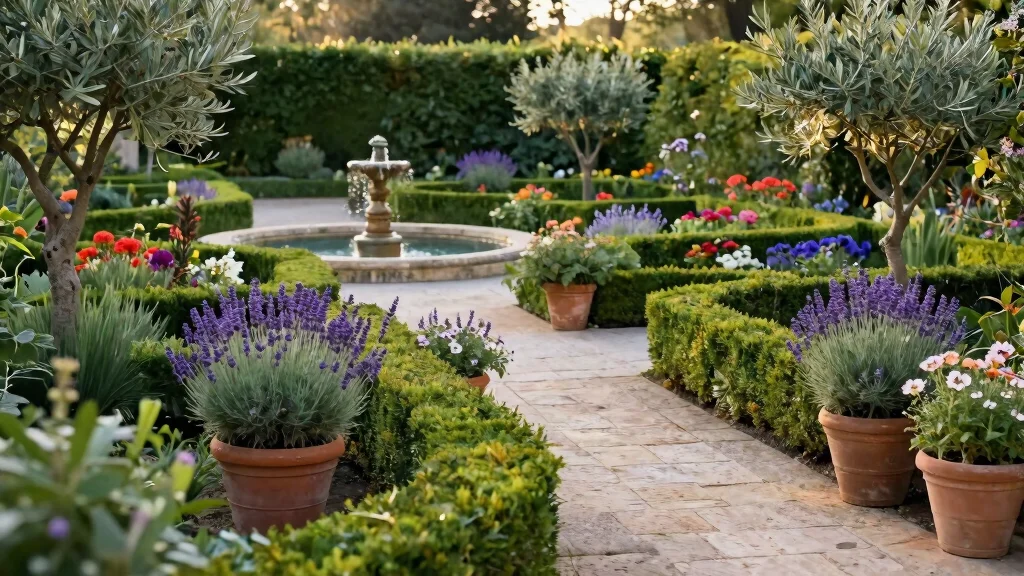
Transforming your yard into a stunning European-style garden can feel like a distant dream. However, with the right inspiration and ideas, you can create an oasis that rivals the grand estates of Europe. This post aims to share some beautiful European garden landscaping ideas that can breathe life and elegance into your outdoor space. Whether you long for the formal allure of a classic garden or the relaxed charm of a Mediterranean setting, we’ve got you covered.
If you’re someone who appreciates garden aesthetics and loves spending time outdoors, this guide is for you. You might be searching for ways to enhance your yard or simply want to elevate your outdoor living spaces. By exploring these eight distinct styles, you’ll discover practical tips and ideas that will help you achieve a breathtaking garden. Get ready to be inspired by European plants, intricate garden architecture, and landscaping techniques that can turn your yard into a picturesque retreat.
Within this post, you’ll find not just beautiful ideas but also actionable insights on how to bring these designs to life. From selecting the right plants to understanding the nuances of garden architecture, you’ll gain valuable knowledge. Let’s dive into these European garden landscaping ideas, and soon enough, your yard will feel like it belongs to a grand estate.
Key Takeaways
– Discover eight unique European garden styles that can enhance your outdoor space, each with its own charm and features.
– Learn how to create a classic formal garden, using symmetry and structured layouts to achieve a refined look.
– Explore the Mediterranean oasis concept, emphasizing drought-resistant plants and vibrant colors for a relaxed atmosphere.
– Get inspired by the rustic cottage garden, perfect for those who enjoy a more casual, natural approach with a mix of wildflowers and herbs.
– Understand the importance of choosing the right European plants and architectural elements to bring your vision to life.
1. The Classic Formal Garden

If you dream of a garden that radiates elegance and order, the classic formal garden is your answer. This European style is marked by precise symmetry, with pathways that guide you through beautifully manicured spaces. Picture striking hedges, geometric flower beds, and eye-catching features like fountains or statues that create a regal atmosphere. The combination of vibrant blooms and fragrant herbs enhances your outdoor experience, making every stroll feel special.
To achieve this look, start by selecting evergreen plants to provide structure throughout the year. Limit your flower colors for a cohesive and harmonious palette. Incorporating boxwood hedges or symmetrical arrangements of flowers will further emphasize the garden’s classic charm.
Key features:
– Embrace geometric designs with straight paths and symmetrical borders
– Add central focal points like elegant water features or sculptures
– Incorporate seasonal flowers for a dynamic display
This garden style not only impresses the eye but also creates a peaceful retreat for contemplation and relaxation.
📹 Related Video: 5 Key Elements of Traditional Garden Style & How to Create a Formal Garden at Home
Key Trade-offs & Our Top Pick
Option 1: The Classic Formal Garden
– Pros:
– Offers a structured layout that is visually appealing.
– Features symmetrical designs that bring a sense of order.
– Cons:
– Can be high maintenance due to precision in plant placements.
– May require professional help for installation and upkeep.
– Best for: Homeowners who appreciate traditional aesthetics and have time for upkeep.
Option 2: The Mediterranean Oasis
– Pros:
– Utilizes drought-resistant plants, saving on water costs.
– Creates a relaxing environment with warm colors and textured materials.
– Cons:
– Limited plant variety may not suit all tastes.
– Requires adequate sunlight, which could be a concern for shaded yards.
– Best for: Those seeking a low-water garden that transports them to a sunny locale.
Option 3: The English Country Garden
– Pros:
– Provides a lush, informal look that promotes biodiversity.
– Features a mix of colorful flowers and paths, enhancing visual depth.
– Cons:
– Can become overgrown if not regularly maintained.
– May attract pests due to the diversity of plants.
– Best for: Gardeners who enjoy a relaxed, cottage-style aesthetic with a wide variety of plants.
Option 4: The Modern European Landscape
– Pros:
– Focuses on minimalism and clean lines, making it easy to maintain.
– Often integrates hardscaping, allowing for functional outdoor living spaces.
– Cons:
– Might feel too stark or sterile for those who prefer lush gardens.
– Could require more upfront investment in materials.
– Best for: Homeowners looking for a contemporary design that emphasizes outdoor living.
Expert Recommendation:
Best Overall: The Mediterranean Oasis
This option stands out as the top choice for most people due to its combination of beauty and practicality. You’ll enjoy vibrant aesthetics while also keeping water usage low. It’s versatile and adaptable to various yard sizes, making it suitable for many homeowners. Its long-term durability with drought-resistant plants offers value, especially in regions prone to dry spells.
Why We Picked This:
While the Mediterranean Oasis is great for many, you might prefer the Classic Formal Garden if you love symmetry and structure. If you want a diverse plant life, go for the English Country Garden. The Modern European Landscape is perfect for those who prefer a sleek and modern look. Each option has unique qualities that cater to different tastes and lifestyles. Choose based on what best fits your vision and the time you can commit to maintenance.
The Classic Formal Garden
Editor’s Choice

Italian Outdoor Water Fountains Garden Decor – 48.4”H Fountains and Wat…


Xiaan Jiaju Flower Pots, Vintage Ceramic Planters for Indoor Plants, 6.2…

2. The Mediterranean Oasis

Transform your outdoor space into a sun-kissed Mediterranean oasis that invites warmth and relaxation. This style captures the essence of the Southern European coastline with its earthy hues, lush foliage, and varied textures. Imagine terracotta pots brimming with vibrant bougainvillea and fragrant rosemary, creating a sensory feast for the senses. Incorporating rustic elements like stone walls and cozy seating areas can enhance your garden’s charm while providing a perfect backdrop for gatherings.
To amplify this look, think about adding climbing vines to pergolas and integrating open seating for social interactions. The contrast between deep greens and bright floral colors adds excitement, making your garden feel alive.
Key elements:
– Use terracotta pots for an authentic Mediterranean vibe
– Incorporate stone features like pathways or walls for rustic appeal
– Design open seating areas to encourage social gatherings
This approach not only enhances outdoor living but also allows you to enjoy delightful summer evenings with loved ones.
Fact: A Mediterranean oasis uses drought-tolerant plants and terracotta accents to slash outdoor water use by up to 50%. With bougainvillea, rosemary, and stone seating, European garden landscaping feels like a sun-soaked escape.
The Mediterranean Oasis
Editor’s Choice

All-in-One 10in Stepping Stone Kit – Includes Cement Mix, Concrete & Let…
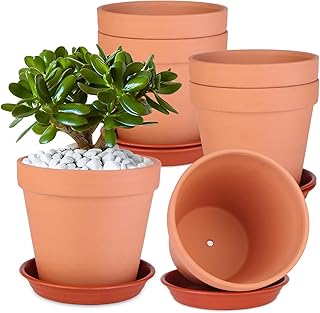
6 Pack 6 Inch Terracotta & Clay Pots with Saucer for Plants, Large Terra…

16″ Tall Pink Bougainvillea Live Well Established Plant in 6″ Pot with W…
3. The Rustic Cottage Garden
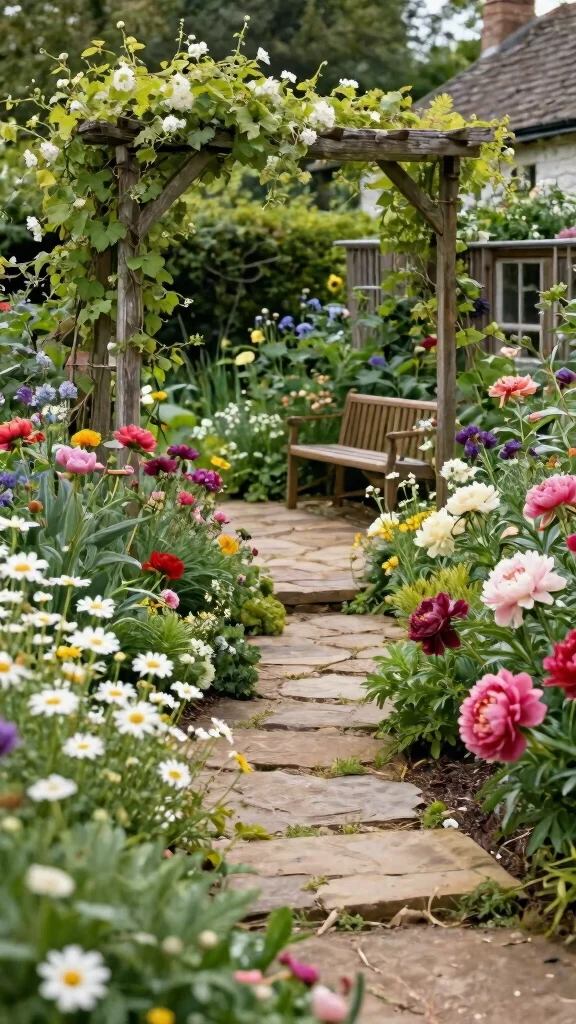
If you cherish a laid-back, whimsical atmosphere, a rustic cottage garden is just what you need. This style embraces a casual, overflowing look with a riot of colorful flowers, especially perennials and self-seeders. Picture a delightful mix of daisies, peonies, and lavender creating a fragrant and vibrant scene. Incorporate charming pathways and wooden trellises to make exploration feel inviting and natural.
To enhance this enchanting garden, consider adding curved paths and cozy benches that encourage relaxation. This less formal approach fosters a connection with nature, making it the perfect retreat for unwinding.
Key features:
– Create abundant flower beds with a casual blend of species
– Design meandering paths that flow naturally
– Use rustic materials like wood and stone for authenticity
This garden style fosters comfort and nostalgia, turning your outdoor space into a delightful escape.
The Rustic Cottage Garden
Editor’s Choice

KVR Upgraded Garden Kneeler and Seat with Thicken & Widen Soft Kneeling …

Grenebo Gardening Tools 9-Piece Heavy Duty Garden Hand Tools with Fashio…

COOLJOB 2 Pairs Gardening Gloves for Women Ladies, Breathable Rubber Coa…
4. The English Country Garden

Step into the romantic charm of an English country garden, where enchantment awaits at every turn. This style combines colorful blooms, soft grasses, and meandering pathways, creating an inviting atmosphere. Use classic European flowers like roses, foxgloves, and hydrangeas to add beauty and fragrance to your space.
Focus on informal plantings that allow flowers to flourish freely, promoting a relaxed vibe. Incorporate features like climbing roses over arbors and cozy nooks for enjoying the garden’s beauty.
Key aspects:
– Opt for informal plantings that showcase seasonal blooms
– Create cozy seating nooks to enjoy the outdoors
– Include a variety of textures and heights for visual appeal
This garden style encourages you to pause and appreciate the tranquility of nature.
You might also like


The English Country Garden
Editor’s Choice
COOLJOB 2 Pairs Gardening Gloves for Women Ladies, Breathable Rubber Coa…
KVR Upgraded Garden Kneeler and Seat with Thicken & Widen Soft Kneeling …

Gardening Gifts for Women, Gardening Tools for Mom Grandma Wife, Garden …
5. The Modern European Landscape
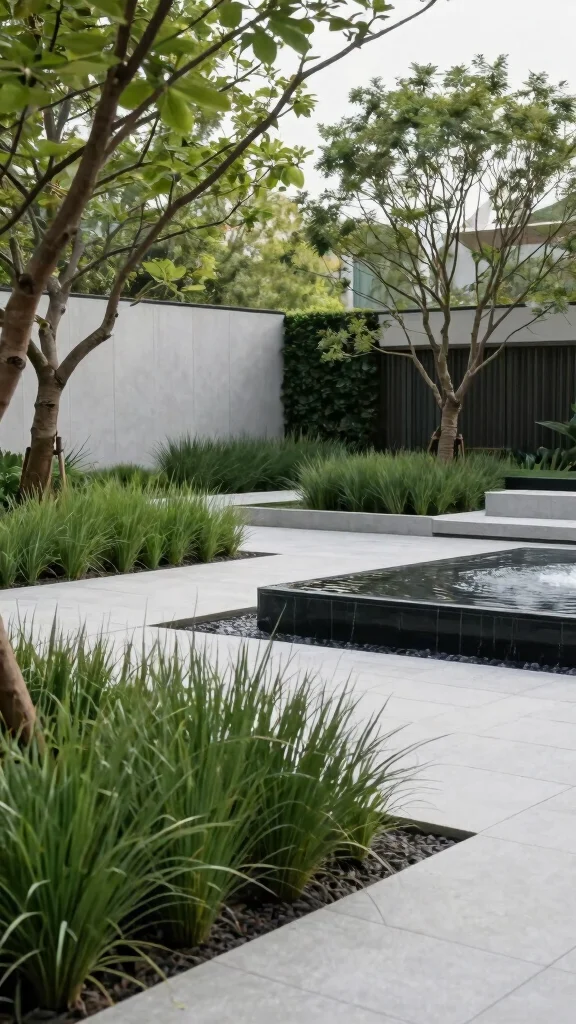
For those who appreciate contemporary design, the modern European garden offers a sleek and stylish approach. This style highlights clean lines, minimalist elements, and lush greenery to create an inviting environment. Imagine geometric plant beds and a limited color palette that come together for a refined aesthetic.
Use structural plants like ornamental grasses and boxwood to maintain visual interest while keeping it simple. Adding sleek water features or modern sculptures can serve as striking focal points, enhancing the garden’s overall appeal.
Key features:
– Emphasize clean lines and minimalist design for simplicity
– Limit your color palette for a cohesive appearance
– Design functional outdoor spaces with contemporary furniture
This style merges beauty and practicality, making it ideal for today’s lifestyle.
The Modern European Landscape
Editor’s Choice

Teamson Home 38.58 in. Modern Curved Faux Slate Waterfall Fountain for I…
6. The Vintage Kitchen Garden

Combining beauty with functionality, the vintage kitchen garden is perfect for those who love both aesthetics and homegrown produce. This charming style allows you to grow herbs, vegetables, and colorful flowers alongside each other, creating a vibrant display. Raised beds made from wood or brick not only look lovely but also simplify maintenance.
Enhance the garden with trellises for climbing plants and pathways of gravel or stepping stones that add character. This garden serves as a source of fresh ingredients while providing a peaceful space to relax and connect with nature.
Key aspects:
– Combine edible and ornamental plants for variety
– Use raised garden beds for ease of access
– Incorporate whimsical features like trellises and decorative signs
This style is ideal for garden lovers who appreciate nature’s beauty and enjoy cultivating their own food.
The Vintage Kitchen Garden
Editor’s Choice

River Rock Stepping Stones Outdoor for Garden Walkway, 10 inch Diameter …

SUNNYPARK Antique Garden Iron Trellis with Decorative Hummingbirds Detac…

Raised Garden Bed Tan/Brown Ledgestones Composite Polyurethane Natural L…
7. The Italian Renaissance Garden

Inspired by the majesty of Italian architecture, the Renaissance garden is a celebration of balance and beauty. Incorporate geometric designs, stunning water features like fountains, and carefully placed statues to capture this timeless style. Use a variety of European plants, such as fragrant citrus trees and tall cypress hedges, to create a lush, inviting atmosphere.
Design pathways that meander through the garden, leading to cozy spots perfect for reading or sipping coffee. This layout encourages relaxation while enjoying the elegance of your surroundings.
Key features:
– Utilize geometric layouts with symmetrical plantings
– Add elegant water features for a luxurious touch
– Include classical sculptures for artistic flair
This garden style embodies the grace of European landscapes, promoting a serene outdoor experience.
Fun fact: european garden landscaping in the Italian Renaissance style centers on 3 core axes—symmetry, water features, and statuary. Plant fragrant citrus trees and tall cypress hedges, guiding guests along 4 meandering paths to cozy reading nooks and coffee breaks.
You Might Also Like


8. The French Potager Garden
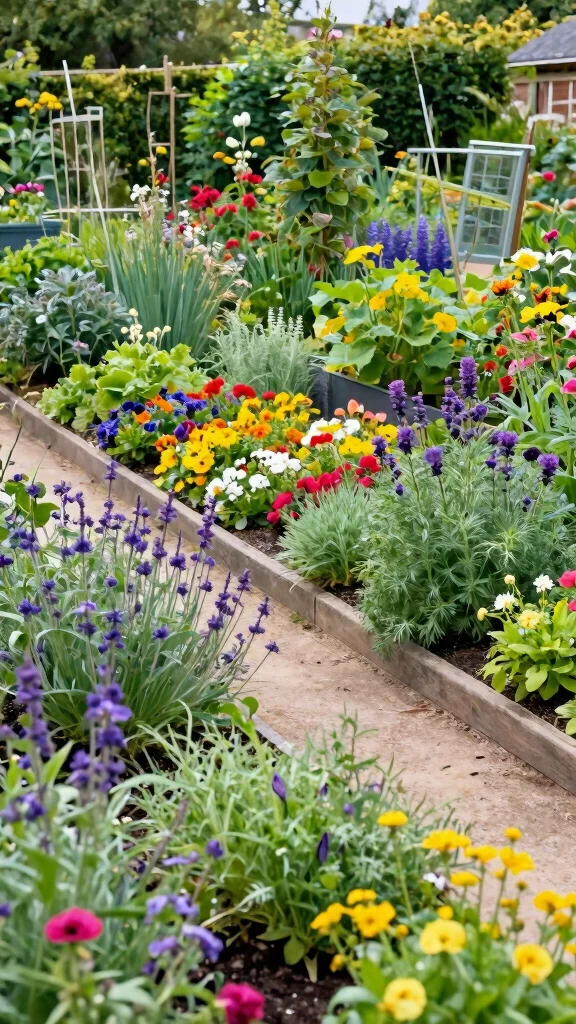
The potager garden beautifully blends aesthetics with productivity, embodying the French gardening philosophy. This lively style features a mix of edible plants, flowers, and ornamental touches, creating a colorful and functional display. Imagine raised beds filled with herbs and vibrant blooms, designed to be both practical and visually appealing.
Employ vertical gardening techniques with trellises for climbing vegetables or flowering plants, maximizing your space creatively. This style promotes variety and abundance, ensuring your garden remains engaging throughout the seasons.
Key aspects:
– Combine edible and ornamental plants for a vibrant look
– Design clever layouts with raised beds and vertical features
– Line pathways with fragrant herbs and colorful flowers
This garden type transforms your yard into a delightful sanctuary full of color and flavor.
European garden landscaping shines when a French potager blends herbs, blooms, and veggies in raised beds, with trellises turning space into vertical, productive art. It proves beauty and practicality can share the same bed. Grow with intention—and watch your yard feel like a grand estate.
The French Potager Garden
Editor’s Choice

Ahopegarden Indoor Garden Hydroponics Growing System: 10 Pods Plant Germ…

LEETOLLA Elevate 32″ Tall Raised Garden Bed Outdoor with Wheels & Shelf …

1 Pack Garden Obelisk Trellis for Climbing Plants Outdoor, 6FT Adjustabl…
Conclusion
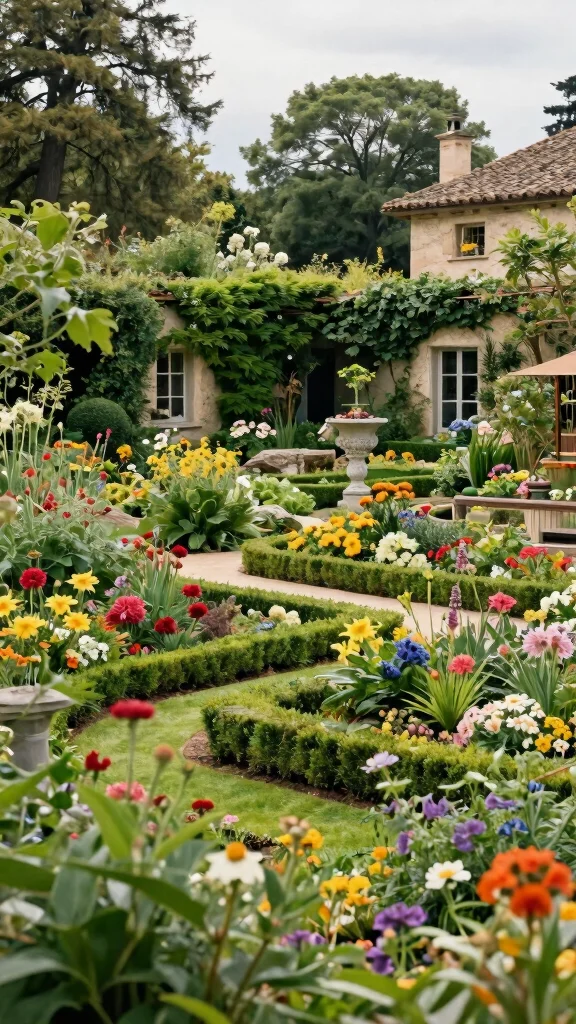
Creating a European-inspired garden can transport you to another world, where beauty and serenity reign.
From formal layouts to lush cottage gardens, the diversity of European garden landscaping styles offers something for everyone. Whether you’re looking to entertain, cultivate fresh produce, or simply relax in nature, these ideas provide an exciting starting point.
So, grab your gardening gloves and get ready to transform your outdoor space into a grand estate that reflects your personal touch.
Note: We aim to provide accurate product links, but some may occasionally expire or become unavailable. If this happens, please search directly on Amazon for the product or a suitable alternative.
This post contains Amazon affiliate links, meaning we may earn a small commission if you purchase through our links, at no extra cost to you.
Frequently Asked Questions
What are the signature features of European garden landscaping that make a yard feel like a grand estate?
European garden landscaping leans on symmetry, formal sightlines, and durable materials to create timeless grandeur.
Think clipped hedges, straight gravel paths, stone terraces, and a central axis that guides the eye toward a water feature or statue. Incorporate garden architecture elements such as a pergola, balustrades, or a fountain to anchor the design, while a restrained color palette keeps it elegant. Use classic European plants and fragrant herbs to boost garden aesthetics and curb appeal.
Practical steps: start with a simple plan, map your space on a grid, and sketch your main sightlines. Choose durable materials like limestone or gravel, then layer in evergreen structure with seasonal color. With thoughtful landscape design choices, your yard can embody the refined feel of european garden landscaping.
How can I blend Mediterranean garden landscaping styles into a small yard?
Even a compact space can exude Mediterranean charm with smart layout and plant choices. Use vertical elements, simple stone or gravel surfaces, and a cohesive warm color palette to create a sense of depth.
Practical steps: select sun-loving European plants like lavender, rosemary, thyme, and olive in containers; add a small seating nook with weathered furniture; use terracotta pots and a single focal point to guide the eye. Keep lines clean to support garden aesthetics and maintain a strong sense of outdoor living spaces.
With careful planning and the right containers, you can achieve a sophisticated look that feels expansive even in a small yard.
Which European plants work best for a Mediterranean-inspired garden?
Great choices include drought-tolerant and sun-loving options like lavender, rosemary, thyme, olive trees (in pots or grown where hardy), fig trees, and citrus varieties where climate allows. Consider Bougainvillea, Cistus, and ornamental grasses to add color and texture.
Plant in well-drained soil and group by sun exposure to maximize impact. Pair with fragrant herbs near seating areas to enhance garden aesthetics and create inviting outdoor living spaces. Always match plant selections to your climate to sustain European plants throughout the seasons.
How can I design outdoor living spaces that evoke a European estate on a budget?
Start with a clear plan that emphasizes scale and cohesion. Use affordable materials like gravel, pavers, and simple stone edges to mimic estate landscaping without the price tag.
Practical steps: create a central axis with a focal point (fountain, statue, or a pair of urns), cluster seating to form intimate conversation areas, and light the space to extend usability after dark. Reuse existing features, repurpose containers, and choose a restrained color palette to strengthen garden architecture and landscape design.
By focusing on smart layout and durable, classic materials, you can achieve a grand European feel without overspending.
What common mistakes should I avoid in european garden landscaping?
Common pitfalls include overcomplicating the layout, ignoring climate and drainage, and neglecting maintenance. Avoid mixing too many styles, which can dilute the European feel.
Also be careful not to underuse garden architecture or to rely on high-water-demand plants where drought is an issue. Plan for seasonality and ensure your plant choices support outdoor living spaces all year round.
Focus on cohesive landscape design and a clear axis to keep the look timeless, elegant, and truly representative of european garden landscaping.
Related Topics
European garden landscaping
Mediterranean style
outdoor living spaces
landscape design
garden aesthetics
European plants
luxury gardens
garden architecture
sustainable gardening
beginner friendly
seasonal blooms
backyard retreats