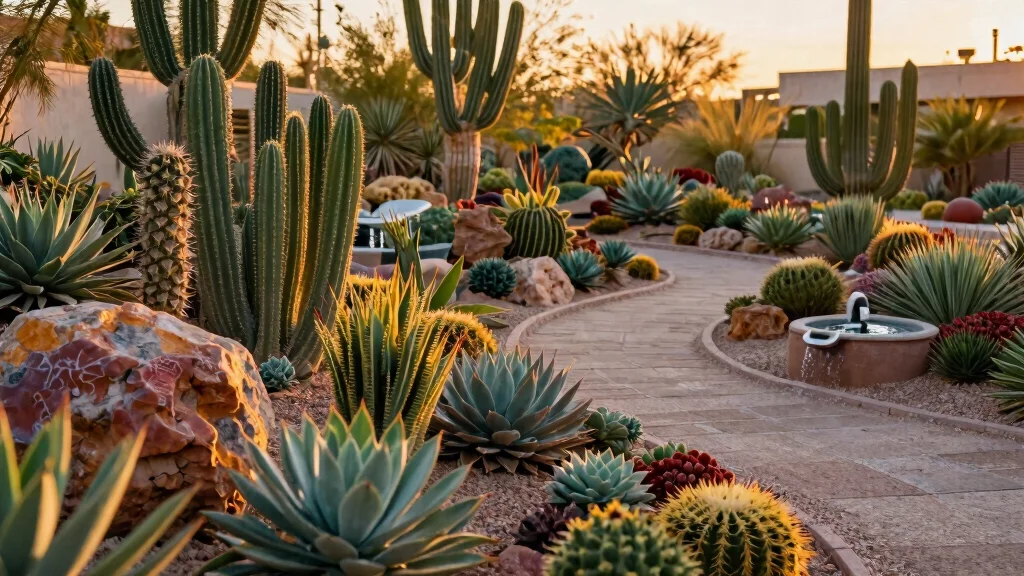
Creating a beautiful garden in a dry climate might seem like a challenge, but I’m here to show you that it’s not only possible but can be breathtaking. This post was born out of a love for the unique beauty that desert landscapes offer. I want to inspire you to embrace the natural charm of your environment, proving that you can have a stunning garden even in arid conditions.
If you’re a garden enthusiast, a homeowner in a dry area, or just someone who appreciates the elegance of xeriscaping, this guide is for you. You’ll discover how to incorporate drought-resistant plants, striking rock formations, and creative design elements into your garden. Each idea is crafted to fix the common problem of maintaining beauty while respecting water limitations.
Get ready to explore eight desert garden landscaping ideas that are practical, inspiring, and designed to help you create a space that feels alive and inviting. Whether you’re looking to add texture with succulents or design pathways that guide visitors through your outdoor oasis, these tips will transform your garden into a visual delight.
Key Takeaways
– Drought-Resistant Plants: Choosing dry climate plants is essential for maintaining a sustainable garden that flourishes with minimal water.
– Creating Rock Gardens: Incorporate a rock garden for an aesthetic appeal that mimics natural desert environments while requiring less maintenance.
– Pathways for Functionality: Utilize pathways not only to enhance the design but also to guide visitors through your garden in a practical way.
– Water Features: Adding a water feature can bring serenity to your garden, providing a focal point that balances the surrounding dry landscape.
– Vertical Gardening: Implement vertical gardening techniques to maximize space and add dimension to your garden without requiring extensive ground area.
1. Utilize Succulents for Textural Variety

If you’re searching for an eye-catching addition to your garden, consider succulents. These resilient plants come in various shapes and colors, making them perfect for creating stunning arrangements. Picture vibrant clusters of aloe, jade, and agave nestled among decorative gravel and colorful stones, all basking in warm sunlight. This unique texture and visual appeal can transform any landscape into a breathtaking oasis.
Start by selecting a mix of succulents that complement each other in color and size. Position them in clusters to create depth, and add contrasting materials like pebbles or driftwood for a cohesive look. This approach not only saves water but also minimizes maintenance, allowing you to enjoy your beautiful garden with ease.
Key tips for designing with succulents:
– Choose a variety of shapes and sizes for interest.
– Use decorative stones to enhance the overall aesthetic.
– Ensure proper drainage by using sandy or gravelly soil.
With the right arrangement, succulents can create a stunning focal point in your garden, inviting admiration and appreciation from all who visit.
Fun fact: Succulents store water, making desert garden landscaping surprisingly low-maintenance. Mix aloe, jade, and agave for texture, then add gravel and warm sun—your colorful oasis is ready with minimal effort.
Utilize Succulents for Textural Variety
Editor’s Choice

YISZM 2LB Succulent and Cactus Gravel Pebbles, 1/5 Inch Natural Decorati…


Altman Plants Specialty Live Succulent Plant (6 Pack), No Duplicates, As…

Cute Ceramic Succulent Garden Pots, Planter with Drainage and Attached S…
2. Create a Rock Garden for Natural Aesthetics
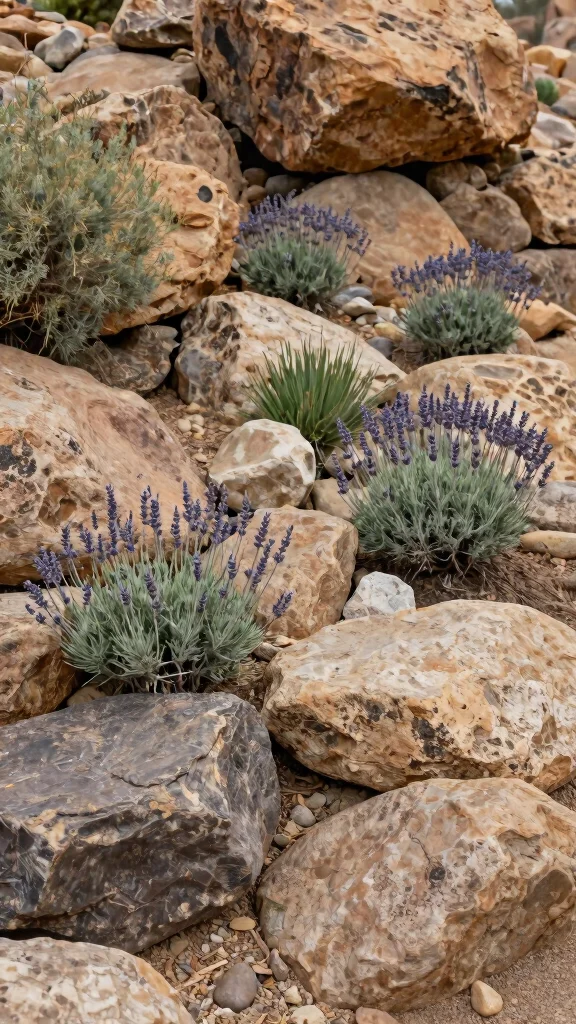
Rock gardens offer a fantastic way to blend nature with your landscaping while ensuring minimal upkeep. By strategically placing stones and boulders of different sizes, you can create a layered look that draws the eye. Adding drought-tolerant plants like lavender and yarrows among the rocks not only softens the hard edges but also creates beautiful contrasts that enhance the garden’s appeal.
This design is not only visually stunning but also aids in effective drainage, which is vital in dry climates. Additionally, rock gardens can attract beneficial wildlife, such as butterflies and bees, enriching the natural ecosystem around your home.
Suggestions for a successful rock garden:
– Mix large boulders with smaller pebbles for a harmonious look.
– Include native plants that thrive in rocky environments.
– Use varied colors and textures in your stones to boost visual interest.
By implementing these ideas, you can create a rock garden that not only looks great but also supports local wildlife and contributes to a sustainable environment.
Create a Rock Garden for Natural Aesthetics
Editor’s Choice

Park Seed Salvia & Yarrow Seed Bundle – Blue Queen Salvia Seeds (50ct)…

Succulent Cactus Potting Soil Mix (2 qt), All-Purpose Garden Potting Mix…

FANTIAN 20 lbs Natural River Rocks Mexican Beach Pebbles, 2-3 Inch Decor…
3. Incorporate Pathways for Function and Style

A well-designed pathway can enhance the charm of your desert garden while providing a practical route for visitors. Imagine a pathway made of natural stones and decomposed granite, winding gracefully through a vibrant landscape. This inviting design is bordered by low-growing plants and decorative rocks, creating a seamless blend of function and beauty.
To make the most of your pathways, ensure they are wide enough for comfort and add curves for visual appeal. Surround them with colorful plants to create a lively atmosphere that draws the eye and encourages exploration.
Pathway ideas to consider:
– Use natural stones for a rustic feel.
– Incorporate decomposed granite for easy maintenance.
– Add lighting along the pathway for nighttime ambiance.
With thoughtfully designed pathways, you can create inviting spaces that welcome guests and encourage them to enjoy every corner of your garden.
📹 Related Video: How to Install Decomposed Granite (DG) Step by Step.
Incorporate Pathways for Function and Style
Editor’s Choice

40 LBS Grey Pea Gravel – Landscape Rocks – Drainage Rock – Gardening – A…

Virekm River Rocks, Decorative Ornamental Pebbles,Garden Landscaping Sto…
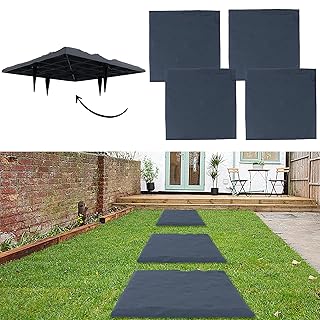
4Pcs Large Stepping Stones Outdoor Garden Walkway, Durable Plastic Paver…
4. Add Water Features for Serenity
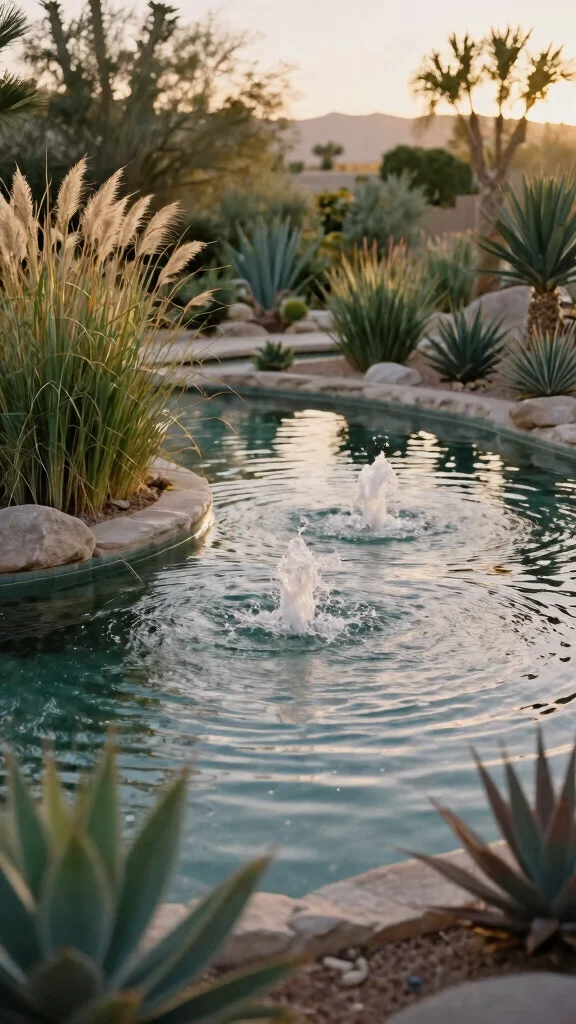
Introducing a water feature into your desert garden can bring a refreshing touch and foster a peaceful retreat. Imagine a small pond or a gently bubbling fountain that recirculates water, creating soothing sounds that enhance the atmosphere. Surrounding this tranquil feature with drought-resistant plants like reeds and succulents can create a natural oasis that attracts birds and beneficial insects.
When planning your water feature, consider its size in relation to your garden to ensure it feels balanced. It’s also essential to choose plants that thrive in dry conditions, allowing them to flourish harmoniously with the water feature.
Practical tips for adding water features:
– Select a design that complements your garden’s style.
– Surround it with native plants that can thrive in arid conditions.
– Consider using a solar pump for an eco-friendly option.
Ultimately, a carefully designed water feature can transform your garden into a serene haven, offering a space for relaxation and connection with nature.
You might also like


How To Choose Drought-Resistant Plants for Your Desert Garden
Choosing the right plants for your desert garden is crucial for creating a stunning landscape. With dry climates, you need to focus on drought-resistant plants that thrive in limited water conditions. Here’s a guide to help you select the perfect plants for your xeriscape garden.
1. Assess Your Soil Type
The first step is to understand your soil. Desert soils can be sandy, rocky, or clay-like. Each type affects how much water is retained. Test your soil to see how well it drains. This will guide your choice of plants. For sandy soils, choose plants that love quick drainage. Clay soils hold moisture better, so select plants that can manage occasional wet feet.
2. Consider Plant Size
Think about the mature size of the plants you want. Some desert plants can grow quite large, while others stay small and compact. Determine how much space you have and choose plants accordingly. For instance, agaves and yuccas can take up significant space, while smaller succulents like sedum can fill in gaps beautifully.
3. Choose Native Plants
Native plants are adapted to your local climate. They require less water and maintenance. Look for local native species that thrive in your region. Examples include desert marigolds or penstemons. These plants not only save you time and resources but also support local wildlife.
4. Check Sunlight Requirements
Different plants have varying sunlight needs. Some thrive in full sun, while others prefer partial shade. Assess the sun exposure in your garden throughout the day. If you have areas that get intense sun, select sun-loving plants like cacti and succulents. For shadier spots, consider plants like the desert willow or agave varieties.
5. Look for Drought-Resistant Features
When choosing plants, look for specific characteristics that indicate drought resistance. Thick leaves and waxy surfaces help retain moisture. Deep root systems allow plants to access water below the surface. Plants like lavender and rosemary are great options as they offer both beauty and resilience.
6. Factor in Maintenance Level
Consider how much time and effort you want to invest in your garden. Some drought-resistant plants require minimal care, while others may need occasional pruning or care. If you want a low-maintenance garden, stick with hardy varieties like barrel cactus or agave. If you enjoy gardening tasks, feel free to include some that may require extra attention.
Pro Tip: Always verify that the plants are suited for your specific growing zone. Check local gardening resources to find plants that are not only drought-resistant but also thrive in your area’s climate conditions. This ensures a flourishing and sustainable desert garden that will amaze you for years to come. 🌵
Add Water Features for Serenity
Editor’s Choice
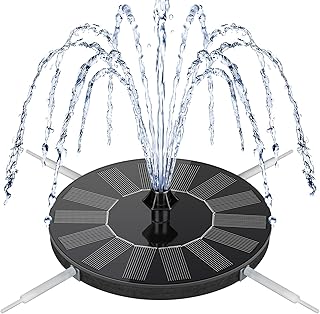
Mademax Solar Bird Bath Fountains, Upgrade 1.4W Solar Fountain Pump with…

5 Pcs 12 x 12 Inches Large Pond Liner Repair Patch Self-Adhesive EPDM Li…
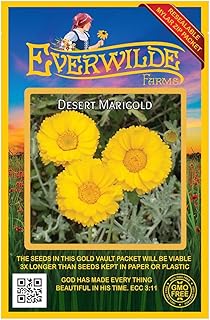
Everwilde Farms – 1000 Desert Marigold Native Wildflower Seeds – Gold Va…
5. Implement Vertical Gardening Techniques

Vertical gardening is a clever way to maximize space while adding visual intrigue to your desert landscape. Using trellises, wall planters, or vertical frames, you can cultivate a variety of drought-resistant plants and herbs, making the most of limited areas. This technique not only conserves space but also introduces height and dimension, enhancing your garden’s overall look.
Consider incorporating climbing plants like desert honeysuckle or star jasmine, which thrive in low-water settings. Creating privacy screens or focal points with vertical gardens can make your outdoor space feel more inviting and unique.
Vertical gardening ideas to explore:
– Mix edibles and ornamental plants for variety.
– Use recycled materials like pallets for an eco-friendly touch.
– Ensure sturdy support for heavier climbing plants.
By embracing vertical gardening, you can elevate your desert garden while making it more functional and visually appealing.
Implement Vertical Gardening Techniques
Editor’s Choice

ShopLaLa Wall Planter for Climbing Plants Outdoor – Wooden Hanging Livin…

Drought Tolerant Wildflower Mix – 20,000+ Seeds – 1 oz Bulk Extra La…

Obelisk Trellis for Climbing Plants Outdoor, 6.2 FT Plant Support for To…
6. Embrace Native Plants for Sustainability

Choosing native plants is a smart approach to ensure your desert garden thrives with minimal effort. These plants are naturally adapted to the local climate, requiring less water and maintenance than non-native varieties. By selecting local flora, you not only enhance your garden’s aesthetics but also contribute to the surrounding ecosystem and support biodiversity.
Look for colorful options like desert marigolds, prickly pear cacti, or agave, which can add variety and vibrancy to your landscaping. Native plants typically flourish even in harsh conditions, making them a practical choice for sustainable gardening.
Suggestions for incorporating native plants:
– Visit local nurseries for native species.
– Group plants with similar watering needs for efficiency.
– Incorporate seasonal bloomers for year-round interest.
By focusing on native plants, you can create a beautiful garden that thrives naturally while conserving valuable resources.
Embrace Native Plants for Sustainability
Editor’s Choice
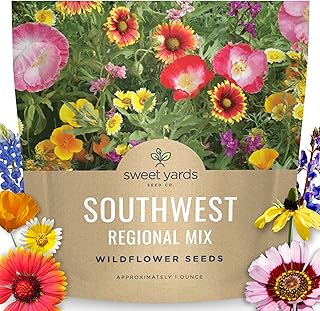
Southwest Regional Mix – Large 1 Ounce Packet – 15,000 Flower Seeds for …

Altman Plants, Assorted Cactus Plants Live Cactus Decor (4PK), Cactus Pl…

Agave Americana – Blue Agave – 2 Plants in Big Size
7. Create Shade Structures for Comfort

Adding shade structures to your desert garden is essential for enhancing both plant health and comfort for visitors. Consider features like pergolas, shade sails, or large umbrellas to create cool spaces where you can relax and enjoy the outdoors. These structures not only shield plants from intense sunlight but also provide inviting areas for gatherings.
Choose materials that complement the overall style of your garden, whether it’s rustic wood or sleek metal. You can also train climbing plants to grow over these structures, adding greenery and a natural feel to your shaded spots.
Design ideas for shade structures:
– Incorporate seating for a cozy relaxation area.
– Use durable materials that withstand the elements.
– Experiment with different heights and shapes for added interest.
With well-designed shade structures, you can create comfortable spaces that enhance your outdoor experience and promote plant health.
Fun fact: Shade structures can drop surface temperatures by up to 20–25°F, turning harsh desert sun into inviting spaces. In desert garden landscaping, pergolas, shade sails, and umbrellas invite gatherings while protecting plants.
You Might Also Like


Create Shade Structures for Comfort
Editor’s Choice

Backyard Discovery Beaumont 12′ x 10′ Traditional Cedar Wood Pergola Kit…

JEAREY 9FT Outdoor Patio Umbrella Outdoor Table Umbrella with Push Butto…

SUNNY GUARD Sun Shade Sail 10′ x 13′ Rectangle Sand UV Block Sunshade fo…
8. Choose Colorful Hardscapes for Visual Impact

Hardscaping refers to all the non-plant elements in your garden, such as stones, patios, and walls. By incorporating colorful hardscapes, you can create stunning contrasts that highlight the beauty of your desert landscape. Brightly colored tiles for pathways or decorative stones can serve as accents that complement your plantings beautifully.
Arranging pavers in creative patterns not only adds interest but also creates functional areas for relaxation and entertainment. Mixing different textures and colors in your hardscape can emphasize the vibrant greens and browns of drought-resistant plants, enhancing the overall design of your garden.
Accent ideas for hardscaping:
– Use contrasting colors to draw attention to focal points.
– Include decorative boulders or sculptures for visual interest.
– Experiment with pathway patterns for extra dynamics.
Thoughtfully integrating colorful hardscapes can elevate your garden’s design while promoting better drainage and reducing water loss.
Fun fact: In desert garden landscaping, colorful hardscapes can boost perceived space by up to 30%. They also reduce maintenance by 20-25% by clearly defining zones for plants and viewers.
Choose Colorful Hardscapes for Visual Impact
Editor’s Choice

THYOI Premium Deck Tiles, Patio Flooring – Outdoor Waterproof Acacia Woo…

Sekcen 3 Pack Rubber Stepping Stones Outdoor Garden Rubber Pavers Pathwa…

Bits and Pieces – Stepping Stones Outdoor Walkway – 12″ River Rock Lands…
Conclusion

Creating a breathtaking desert garden is not only achievable but can also lead to a stunning oasis in your outdoor space.
With a variety of xeriscaping ideas and drought-resistant plants at your disposal, you can personalize your garden to reflect your style while conserving water. Embrace native flora, explore creative hardscaping, and enjoy the beauty of low-maintenance landscaping that thrives in dry climates.
Don’t hesitate to mix and match these ideas to create a unique oasis that inspires awe and appreciation.
Note: We aim to provide accurate product links, but some may occasionally expire or become unavailable. If this happens, please search directly on Amazon for the product or a suitable alternative.
This post contains Amazon affiliate links, meaning we may earn a small commission if you purchase through our links, at no extra cost to you.
Frequently Asked Questions
What are some practical desert garden landscaping ideas for a small urban yard?
For small urban spaces, design with layered, low-water elements. Start with dry climate plants and a desert garden design that minimizes turf. Group plants by water needs to apply xeriscaping tips and keep maintenance low. Use rocks, gravel, and shade structures to add texture while keeping roots cool, and install a simple drip irrigation system for efficient watering. This approach ensures desert garden landscaping remains breathtaking in tight city lots.
Which dry climate plants are the most drought-resistant and easy to care for in an urban desert setting?
Look for plants that thrive on minimal water and full sun, like agave, yucca, desert lavender, and desert marigold. Choose hardy species adapted to hot summers and well-drained soil. Group them by water needs and add a thick mulch to retain soil moisture. Pair these dry climate plants with a smart xeriscaping tips plan and a drip system to keep color year-round without wasting water. This helps create durable desert garden landscaping that shines in apartments or small yards.
How can I implement succulent garden ideas to create a water-smart desert landscape?
Start with a mix of drought-tolerant succulents that thrive in heat and poor soil, arranged in clusters to create bold focal points.
Choose high-drain soil or amended beds, and consider raised planters if drainage is uneven.
Color and texture come from a variety of rosettes, columnar varieties, and blooming succulents, plus decorative rocks for a classic desert look.
Install a simple drip irrigation line aimed at root zones to minimize evaporation and keep foliage dry.
This is a perfect example of succulent garden ideas that stay vibrant with minimal water.
What are some xeriscaping tips to reduce water use without sacrificing beauty in a desert garden?
Replace turf with native, drought-tolerant groundcovers and mulch. Group plants by water needs to guide irrigation—this is a core xeriscaping tips approach. Install a reliable drip irrigation system with a smart controller and mulch heavily to cut evaporation. Use desert garden design elements like rocks, gravel, and shade structures to maintain visual appeal while staying water-smart.
How do I choose soil, mulch, and irrigation for a desert garden design that endures hot summers?
Start with well-draining soil; add grit, pumice, or sand to improve drainage. Use thick mulch such as shredded wood or pea gravel to reduce surface evaporation. Install a drip irrigation system with zoned lines to deliver water directly to root zones; schedule deep but infrequent watering to mimic natural rainfall. Choose plants with known drought tolerance and adjust your plan as seasons change to keep your desert garden design thriving in extreme heat.
Related Topics
desert garden landscaping
xeriscaping tips
drought-resistant plants
succulent garden design
dry climate gardening
urban desert landscapes
low maintenance gardens
beginner-friendly xeriscaping
colorful desert flora
sustainable landscaping
seasonal desert plants
outdoor oasis