
If you’ve been daydreaming about turning your small urban garden into a lush retreat, you’re not alone. The beauty of decorative grass landscaping has been calling many of us to explore how it can transform our spaces. With its ability to add texture, movement, and a touch of elegance, ornamental grasses are becoming an essential element in garden design. They sway gently in the breeze, creating a dynamic visual that holds your interest all year round. This post is dedicated to inspiring you with ten innovative ways to use decorative grasses for your garden while keeping maintenance low and aesthetics high.
This guide is perfect for urban gardeners who might think they don’t have enough space. Whether you are a beginner or an experienced gardener looking for fresh ideas, you’ll find something here that resonates with your vision. You’ll learn how to create stunning focal points, layer textures, and incorporate grasses with other low-maintenance plants. No matter the season, these grasses will bring life and character to your garden, ensuring it always looks gorgeous and inviting.
You’ll walk away with ten actionable ideas that are not only visually appealing but also practical for small spaces. From creating serene zen gardens to framing your yard with expressive grasses, these tips will help you embrace the beauty of nature right outside your door. Let’s dive in and explore how decorative grass landscaping can make your garden the envy of the neighborhood!
Key Takeaways
– Discover how to use tall grasses as focal points to draw attention and create height in your garden design.
– Learn about layering grasses to add depth and textural contrast, enhancing the overall visual appeal.
– Find out how flowing grasses can introduce movement and soften the edges of your garden space.
– Explore the concept of a zen garden, incorporating grasses to create a peaceful retreat in your urban environment.
– Get practical tips on mixing grasses with other low-maintenance plants to ensure your garden remains vibrant and easy to care for throughout the year.
1. Create a Focal Point with Tall Grasses

If you’re looking to add a striking element to your garden, tall ornamental grasses are a fantastic choice. Varieties like Miscanthus sinensis or Panicum virgatum tower impressively, providing both height and drama. When planted at the back or center of garden beds, they draw the eye upward, creating a captivating focal point.
These grasses catch sunlight beautifully and sway gently in the breeze, bringing your outdoor space to life. For added impact, plant them in clusters alongside shorter flowering plants for a layered effect. They also act as natural screens for privacy while maintaining an open feel.
Key benefits of tall grasses:
– Create stunning vertical accents in your garden
– Pair with shorter plants for a layered look
– Require minimal maintenance for easy care
With their resilience and low upkeep, tall grasses not only enhance your garden’s beauty but also provide a sense of sanctuary.
Create a Focal Point with Tall Grasses
Editor’s Choice

Elephant Grass Seeds – Tallest Grass in the World – Ships from Iowa, Mad…


Perennial Farm Marketplace Panicum v. ‘Shenandoah’ (Red Switchgrass) Orn…
2. Layering Grasses for Textural Contrast

Looking to create a visually interesting garden? Layering different heights and textures of ornamental grasses is a great way to achieve that. By mixing shorter varieties like Blue Fescue with taller grasses, you can craft a vibrant tapestry of color and texture that evolves with the seasons.
This contrast in foliage helps define different areas of your garden, providing year-round appeal. For example, the soft texture of Blue Fescue beautifully complements the feathery plumes of Tall Fountain Grass, creating a stunning visual contrast.
Here’s how to layer grasses effectively:
– Combine various heights for dynamic visuals
– Experiment with colors like green, blue, and variegated varieties
– Ensure seasonal interest by choosing grasses with different bloom times
Layering not only enhances depth but also keeps your garden lively, even during winter dormancy.
Did you know decorative grass landscaping with layered grasses can trim garden chaos by up to 40%? Pair short Blue Fescue with taller varieties to define spaces and add year-round texture in small urban gardens.
Layering Grasses for Textural Contrast
Editor’s Choice

29000+ Magic Creeping Thyme Seeds for Planting Perennial Ground Cover Pl…
3. Add Movement with Flowing Grasses
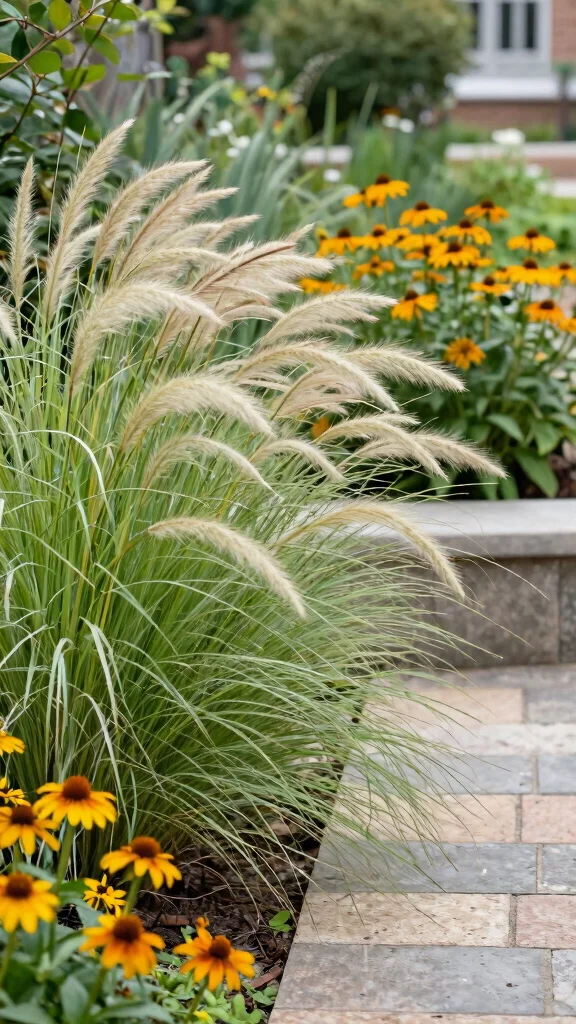
Want to bring a sense of movement to your garden? Planting flowing grasses that sway in the wind can create a serene atmosphere. Varieties like Calamagrostis acutiflora (Feather Reed Grass) ripple beautifully, enhancing visual interest.
These grasses also serve as a natural privacy screen, making them ideal for garden perimeters or seating areas. The gentle sound of swaying grasses adds to the tranquil ambiance, turning your garden into a peaceful retreat.
Ways to incorporate movement:
– Place flowing grasses along borders for privacy
– Pair with colorful perennials for dynamic contrast
– Choose grasses that attract birds and butterflies
By adding these grasses, you’ll invite nature into your space, creating an engaging and lively garden.
Add Movement with Flowing Grasses
Editor’s Choice

Feather Reed Grass Plug – Calamagrostis x acutiflora ‘Karl Foerster�…
4. Frame Your Garden with Grasses

Using ornamental grasses to frame your garden can create a polished and defined look. This technique is especially effective in small urban gardens where every inch counts. Consider planting taller grasses in the back or center and shorter varieties at the front to guide the eye through your space.
Grasses like Blue Oat Grass and Dwarf Japanese Blood Grass can serve as natural borders, enhancing clarity and design. They require minimal maintenance, making them perfect for busy gardeners.
Benefits of framing with grasses:
– Define spaces and create visual interest
– Require little upkeep and thrive in various conditions
– Foster a sense of enclosure in your garden
By framing your garden with these grasses, you’ll create a cozy green haven in the midst of the city.
📹 Related Video: Why Ornamental Grasses Are the Secret to a Beautiful Border Now
Frame Your Garden with Grasses
Editor’s Choice


Perennial Farm Marketplace (Blue Oat) Ornamental Grass, Size-#1 Containe…
5. Create a Zen Garden with Grasses
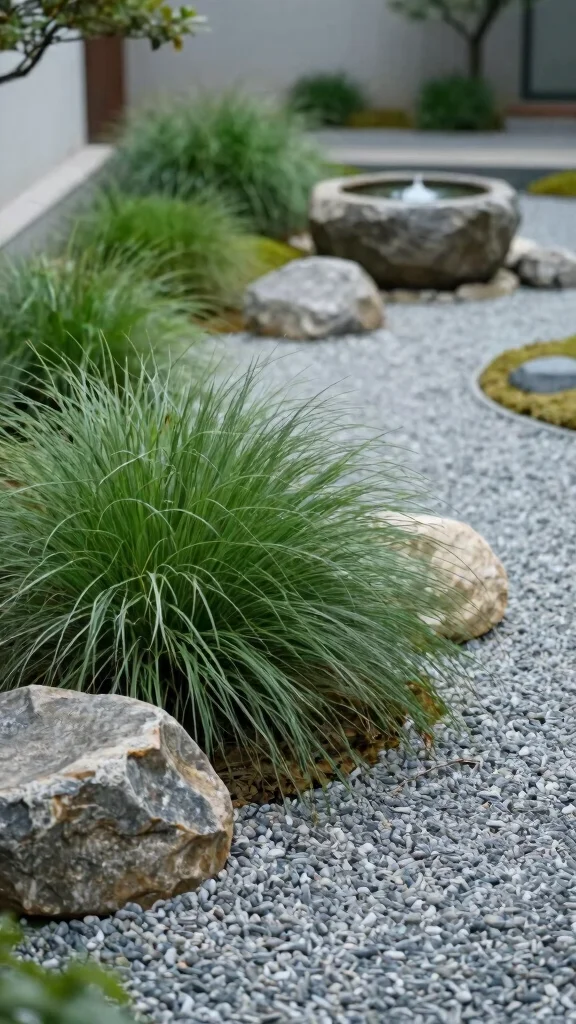
Ornamental grasses are ideal for crafting a Zen-inspired garden, offering tranquility and elegance. Grasses like Hakonechloa macra (Japanese Forest Grass) provide calming green tones that dance gently with the breeze.
Incorporating these grasses alongside stones and gravel creates a peaceful retreat. The soft movement of the grasses contrasts beautifully with solid stone elements, promoting a sense of balance and harmony.
For a serene atmosphere:
– Add a small water feature for soothing sounds
– Focus on simplicity and minimalism in design
– Let grasses be the stars of your garden
With ornamental grasses, you’ll create a restorative space that invites relaxation and reflection.
You might also like


Create a Zen Garden with Grasses
Editor’s Choice

40 LBS Grey Pea Gravel – Landscape Rocks – Drainage Rock – Gardening – A…

Alpine Corporation 27″ Tall Rustic Outdoor 2-Tier Barrel Pump Water Foun…

All Gold Japanese Forest Grass – Hakonechloa – Shade Lover – 2.5″ Pot
6. Mix Grasses with Other Low-Maintenance Plants

Combining ornamental grasses with other low-maintenance plants creates a visually diverse landscape. Consider adding plants like Sedum, Echinacea, or succulents to complement the textures of your grasses and introduce vibrant colors.
Selecting plants that thrive in similar conditions ensures your garden remains lush with minimal care. Mixing heights and textures transforms your space into a dynamic environment that changes beautifully with the seasons.
Tips for successful combinations:
– Pair tall grasses with colorful perennials for layered effects
– Plan for staggered bloom times for continuous interest
– Choose drought-tolerant varieties for sustainability
This approach not only enhances your garden’s beauty but also attracts wildlife, creating a lively habitat.
Fun fact: Mixing decorative grass landscaping with low-maintenance companions like Sedum and Echinacea can reduce lawn mowing by up to 60% in dense urban plots. You’ll gain year-round texture and color with less effort.
Mix Grasses with Other Low-Maintenance Plants
Editor’s Choice

Pink Ornamental Grass Seeds Mix for Planting – 250+ Seeds: Pink Muhly, P…
1200+ Mixed Color Echinacea Seeds – Perennial Multi-Color Coneflower, No…

10 in. x 20 in. Sedum Groundcover Mat, Non-toxic Hardy Stonecrop for Lan…
7. Embrace Seasonal Changes with Grasses

One of the best features of ornamental grasses is their ability to provide beauty throughout the seasons. As they grow, grasses change in height, color, and texture, offering year-round appeal. Many grasses transform to warm golden or bronze hues in fall, contrasting beautifully with winter scenery.
In spring, fresh green shoots herald the return of life, setting the stage for summer splendor. Mixing grasses with perennial flowers that bloom at different times can ensure your garden remains lively all year long.
Ways to make the most of seasonal changes:
– Combine grasses with perennials for continuous color
– Choose varieties that transition beautifully through seasons
– Plan your garden layout to showcase these changes
This strategy keeps your garden engaging, no matter the time of year.
Top Varieties for Different Conditions
1. Miscanthus sinensis (Chinese Silver Grass)
– Best conditions: Thrives in full sun to partial shade and well-drained soil. Ideal for coastal areas.
– Key features: This grass can grow up to 6 feet tall, creating a stunning focal point. Its feathery plumes add texture and interest throughout the year.
– Considerations: It can spread quickly, so regular maintenance is needed to control its size.
2. Panicum virgatum (Switchgrass)
– Best conditions: Prefers full sun and adapts well to various soil types, including dry and wet conditions.
– Key features: This hardy grass can reach heights of 4 to 5 feet. Its vibrant fall color is a showstopper, transitioning from green to golden hues.
– Considerations: It may require cutting back in late winter to promote healthy new growth.
3. Calamagrostis acutiflora (Feather Reed Grass)
– Best conditions: Grows well in full sun and tolerates a range of soil conditions, making it perfect for urban gardens.
– Key features: This grass can reach heights of 3 to 5 feet and has narrow, upright growth. Its feathery flower spikes sway beautifully in the wind.
– Considerations: It may need staking if planted in exposed areas to prevent bending.
4. Pennisetum alopecuroides (Fountain Grass)
– Best conditions: Thrives in full sun and well-drained soil; great for hot, dry areas.
– Key features: With a height of 2 to 3 feet, this grass has fluffy flower spikes that add a soft touch to your garden. It offers year-round interest, changing from green in summer to golden in fall.
– Considerations: It can be invasive in some areas, so check local guidelines before planting.
5. Eragrostis elliottii (Elliott’s Love Grass)
– Best conditions: Perfect for sunny areas and tolerates drought conditions well, making it ideal for low-maintenance gardens.
– Key features: This grass grows about 3 feet tall and features delicate, airy flower heads that move gracefully with the breeze.
– Considerations: It may require regular watering until established but is very resilient once rooted.
6. Festuca glauca (Blue Fescue)
– Best conditions: Prefers full sun to partial shade and well-drained soil, ideal for compact spaces.
– Key features: This ornamental grass only grows about 12 to 18 inches tall, making it perfect for borders. Its unique blue-green foliage adds a pop of color to any garden.
– Considerations: While low-maintenance, it may need division every few years to maintain vigor.
7. Carex oshimensis (Japanese Sedge)
– Best conditions: Thrives in partial to full shade, making it fantastic for shaded garden areas.
– Key features: This grass grows 12 to 18 inches tall and has lush green foliage with a fine texture. It provides year-round greenery even in low-light conditions.
– Considerations: It prefers moist soil, so regular watering is essential, especially during dry spells.
Climate/Condition Guide:
– For temperate climates, choose drought-tolerant varieties like Switchgrass and Feather Reed Grass.
– In coastal areas, opt for Miscanthus sinensis for its salt tolerance.
– For hot, dry regions, Fountain Grass and Elliott’s Love Grass will thrive with minimal care.
– Humid areas work well with Japanese Sedge, which appreciates moisture without direct sun.
Growing Tips:
1. Mix different grass varieties to create texture and visual interest.
2. Regularly prune and maintain your grasses to keep them looking their best.
3. Use mulch to retain moisture and suppress weeds, especially in new plantings.
Avoid:
1. Don’t plant aggressive varieties without space or containment measures; they can quickly take over your garden.
2. Avoid overwatering, which can lead to root rot, especially for grasses preferring dry conditions.
Embrace Seasonal Changes with Grasses
Editor’s Choice

1500 Big Bluestem Grass Seeds for Planting 4.5+ Grams of Seeds Beard Gra…
8. Use Grasses for Edging and Borders
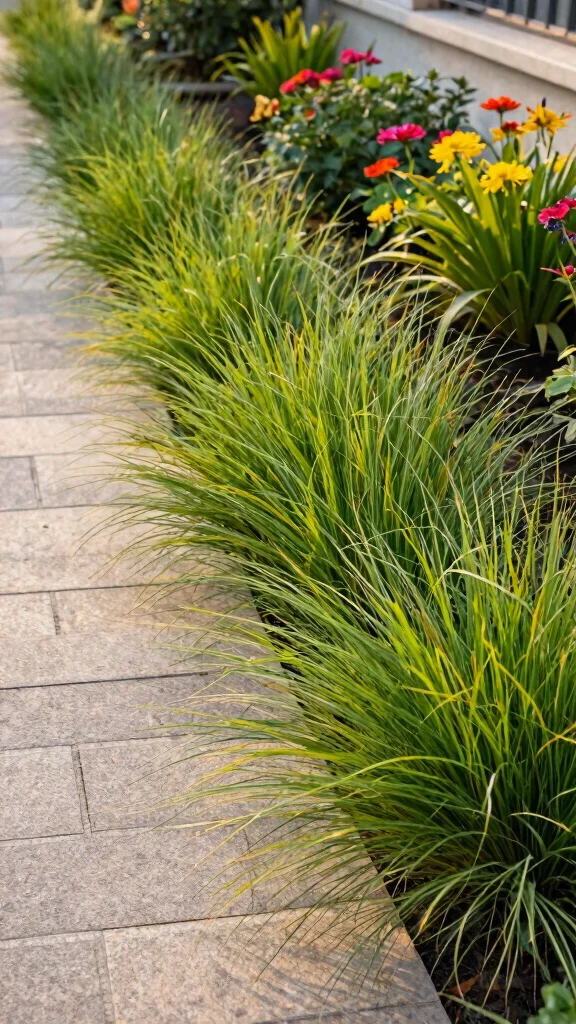
Ornamental grasses can elegantly define garden borders and pathways, adding structure to your outdoor space. Plants like Liriope muscari or Dwarf Blue Fescue work beautifully as edging, creating a soft transition that enhances your garden’s aesthetics.
Their fine textures contrast wonderfully with hard surfaces, providing a crisp boundary. Plus, these grasses thrive in various conditions, making them a reliable choice for edging without demanding much attention.
Advantages of using grasses for borders:
– Softly define spaces while adding beauty
– Help keep weeds at bay for easier maintenance
– Vary heights and colors for a more dynamic look
With ornamental grasses as borders, you’ll achieve a polished and inviting garden.
Fun fact: Edging with decorative grass landscaping creates a crisp border at just 2–3 inches high. Grasses like Liriope muscari and Dwarf Blue Fescue thrive with minimal care, reducing weed intrusion along paths and keeping your garden polished year-round.
You Might Also Like

Use Grasses for Edging and Borders
Editor’s Choice

50+ Blue Fescue Ornamental Grass/Perennial Festuca/Drought Tolerant/Sun …
2 Purple Fountain Grass Live Plants, Perennial Grass Clumps for Outdoor …
9. Incorporate Ornamental Grasses in Containers

For those with limited space, container gardening is a fantastic option, and ornamental grasses fit right in. Using pots allows you to introduce movement and texture without taking up too much ground space. Grasses like Medusa Grass or Carex Evergold look stunning in containers, adding height and elegance to patios or balconies.
Mixing grasses with trailing plants or colorful flowers creates captivating arrangements that draw the eye from every angle. Container gardening also offers easy maintenance; simply rearranging pots can refresh your space.
Tips for successful container arrangements:
– Vary heights and shapes for visual interest
– Combine grasses with complementary plants for balance
– Consider seasonal changes for dynamic displays
This approach not only beautifies your garden but also enhances your gardening experience with creativity.
Incorporate Ornamental Grasses in Containers
Editor’s Choice
Perennial Farm Carex o. ‘Evergold’ (Variegated Japanese Sedge) – Live …

Scotts Professional Turfgrass Seed Sun and Shade Mix – Uncoated, 99.9% W…

Qunclay 4 Pcs Woven Seagrass Baskets Belly Basket Folding Boho Natural P…
10. Create a Wildflower and Grass Meadow

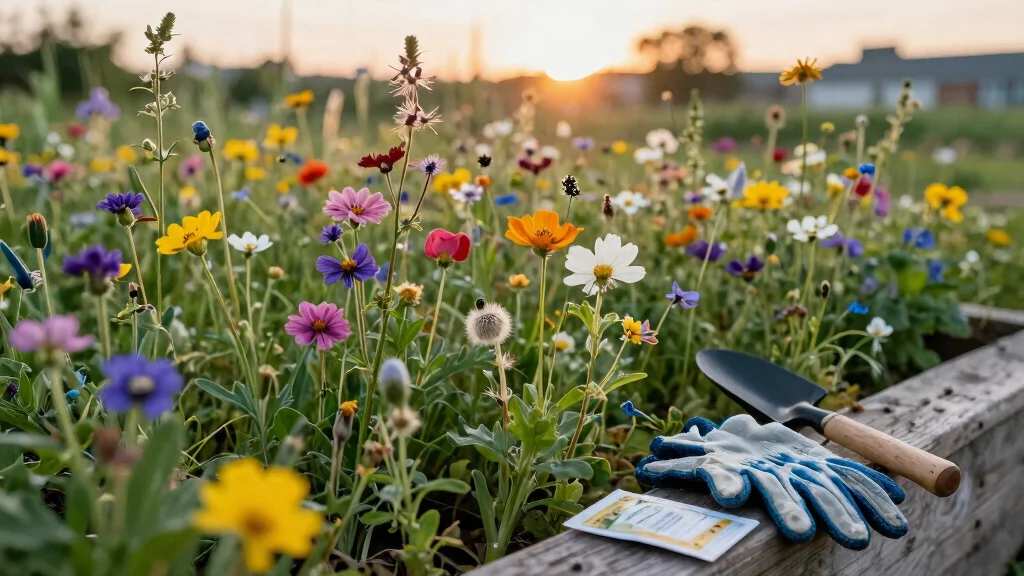
Embrace a naturalistic style by mixing ornamental grasses with wildflowers to form a meadow-like setting. This relaxed approach brings a charming vibe to your urban garden, allowing grasses and flowers to mingle freely. Plants like Prairie Dropseed alongside colorful native wildflowers attract butterflies and bees, enhancing biodiversity right in your backyard.
Meadows require less maintenance than traditional gardens, thriving on a more passive approach. By selecting drought-tolerant varieties, you can cultivate a beautiful, low-maintenance garden that evolves beautifully with the seasons.
Ways to enhance your wildflower meadow:
– Allow some grasses to grow taller for a whimsical look
– Create natural flows without strict boundaries
– Celebrate the beauty of seasonal changes
This design not only looks stunning but also nurtures local wildlife, helping you connect with nature in your urban space.
Create a Wildflower and Grass Meadow
Editor’s Choice

Wildflower Seeds Bulk Mix – 10,000+ Perennial & Annual Seeds – Texas, Ca…
Pink Ornamental Grass Seeds Mix for Planting – 250+ Seeds: Pink Muhly, P…
Conclusion

Ornamental grasses truly offer something special for garden spaces, especially in urban settings where every square inch matters. With their versatility, low-maintenance requirements, and year-round appeal, they are a wonderful choice for anyone looking to brighten their garden design.
No matter how you choose to incorporate these beautiful plants, whether through layering, framing, or mixing with other species, you’ll find that they enhance not just the aesthetics but also the joy of your gardening experience. Get out there, get creative, and let your garden tell your story!
Note: We aim to provide accurate product links, but some may occasionally expire or become unavailable. If this happens, please search directly on Amazon for the product or a suitable alternative.
This post contains Amazon affiliate links, meaning we may earn a small commission if you purchase through our links, at no extra cost to you.
Frequently Asked Questions
What makes decorative grass landscaping ideal for small urban gardens?
Decorative grass landscaping uses compact, upright, and sculptural grasses to add texture and gentle motion without overpowering a small yard. In small urban spaces, ornamental grasses deliver year-round greenery with minimal care, and they work well in containers or tight borders with ease.
Choose compact or dwarf varieties to keep scale, and mix cool and warm tones to create visual depth throughout the seasons.
Which ornamental grasses are best for year-round color and low maintenance in containers?
For containers, look for compact, hardy grasses that stay manageable and bring color all year. Options like Festuca glauca (blue fescue) offer cool tones, Pennisetum alopecuroides varieties provide soft plumes, and smaller muhly grasses add delicate texture.
These ornamental grasses are generally low maintenance plants—just ensure good drainage, sun exposure, and occasional pruning. In winter, protect pots from extreme freezes and water during dry spells to keep them thriving.
How can I design a cohesive garden using decorative grasses in a small space?
Start by grouping grasses in odd numbers (3–5) and layering heights to create depth. Repeat a few key textures or colors to build landscaping ideas into a unified look, and pair grasses with evergreen plants for year-round greenery and consistent structure.
Place taller grasses toward the back or at focal sightlines, then flank paths or seating areas with mid-height clumps to guide the eye and keep the design feeling spacious.
What maintenance tasks help decorative grasses look great through the seasons?
Most decorative grasses are low maintenance plants, but a few tasks keep them looking sharp. Prune back dead foliage and spent flowers in late winter or early spring, and divide clumps every 3–5 years to maintain vigor.
Water deeply during prolonged dry periods, mulch to conserve moisture, and avoid heavy pruning in fall. With a simple routine, your garden stays vibrant and ready for every season.
How can decorative grasses create movement and focal points in an urban garden?
In a light breeze, grasses wave and sway, bringing dynamic movement that catches the eye and softens hardscapes. Use tall clumps as background anchors or place a dramatic specimen where sightlines lead, creating a natural focal point.
Mix variegated or silvery foliage with bold textures to amplify contrast, and plant in groups of three to five for a strong garden design statement. This approach delivers landscaping ideas that feel effortless and elegant in small urban spaces.
Related Topics
decorative grass landscaping
ornamental grasses
urban garden design
low maintenance plants
year-round greenery
small garden ideas
easy landscaping
sustainable gardening
landscape aesthetics
garden styling
beginner friendly
trending plants