
The beauty of a cabin retreat often lies in its natural surroundings, but that doesn’t mean your outdoor space has to blend into the background. This post was created because enhancing your cabin with thoughtful landscaping can make it feel like it’s always been part of the landscape. A well-designed outdoor area adds charm and character, turning a simple getaway into a serene sanctuary.
If you cherish the rustic vibe of cabins and want to create a harmonious relationship between your home and nature, this guide is for you. You’ll find a curated list of eight landscaping ideas that embrace eco-friendly practices while celebrating the beauty of your surroundings. Whether you’re a seasoned gardener or just starting, these ideas will help you cultivate a space that feels both welcoming and timeless.
Get ready to transform your retreat into a picturesque escape that reflects the beauty of nature. From incorporating native plants to creating cozy seating areas, you’ll discover practical tips to enhance your cabin’s charm. This guide promises to inspire you to bring the great outdoors right into your backyard, making it a true extension of your cozy cabin.
Key Takeaways
– Start with native plants that not only thrive in local conditions but also support the local ecosystem, creating a seamless look that feels naturally integrated.
– Natural stone pathways enhance the rustic charm of your cabin while providing practical routes through your landscape, guiding visitors with style and ease.
– Incorporate cozy outdoor seating areas to encourage relaxation and enjoyment of your beautiful surroundings, making your retreat a perfect spot for gatherings.
– Consider edible landscaping by mixing fruits, vegetables, and herbs into your garden design to create a functional yet aesthetically pleasing outdoor space.
– Design with natural fencing to maintain privacy while adding to the rustic appeal, and enhance your outdoor experience with serene water features that invite tranquility.
1. Embrace Native Plants for a Seamless Look

Native plants are a brilliant choice for your cabin landscape, effortlessly thriving in local conditions while benefiting the ecosystem. By selecting these plants, you minimize watering, fertilizing, and maintenance, making your garden both sustainable and beautiful. Look for indigenous options like wildflowers, shrubs, and grasses that harmonize with your surroundings. Not only do these plants enhance the natural beauty, but they also provide crucial habitats for birds and pollinators in your area.
Start by researching the native species that flourish in your region. Create a colorful tapestry of blooms and foliage, ensuring that your garden is both visually appealing and ecologically responsible. This choice not only beautifies your space but also supports local wildlife, creating a vibrant ecosystem.
Key native plant selections:
– Wildflowers such as coneflowers and black-eyed Susans bring vibrant hues.
– Grasses like blue fescue or Indian grass add texture and movement.
– Fruiting shrubs such as serviceberry or elderberry attract local wildlife.
Incorporating these plants will result in a lush, inviting atmosphere that feels naturally connected to the landscape around your cabin.
Embrace Native Plants for a Seamless Look
Editor’s Choice

Rapitest Soil Test Kit for Gardens, Vegetables, Flowers and Lawns. USA d…


Northeast Wildflower Seeds – Extra Large 1 Ounce Packet – Over 7,500 Nat…
2. Create Natural Stone Pathways

Nothing showcases rustic charm like natural stone pathways winding through your landscape. These paths not only guide you through lush gardens but also add elegance and a touch of nature. By using locally sourced stones, you can create winding paths that mimic the organic flow of the environment.
When designing your stone path, think about how it interacts with your garden. Opt for stones that complement your cabin’s style and the natural scenery. Adding curves instead of straight lines creates a more inviting feel, enhancing the overall experience of wandering through your space.
Tips for creating your stone pathway:
– Select stones that match your cabin’s architecture and landscape.
– Fill gaps with gravel or soil for a natural look.
– Incorporate gentle curves to enhance visual interest.
The crunch of stones beneath your feet adds to the ambiance, making every stroll feel like a peaceful journey through the woods.
Natural stone pathways are the quiet backbone of cabin landscaping. Use locally sourced stones and gentle curves to guide your garden, blending eco-friendly function with rustic charm.
Create Natural Stone Pathways
Editor’s Choice

ZOOFOX 10lb Natural Rocks Stones, Small Washed Gravel for Terrariums, Su…
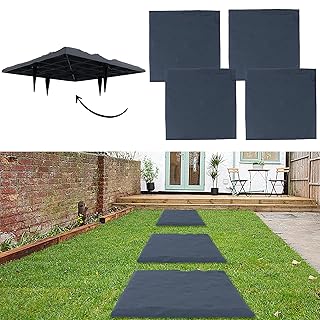
4Pcs Large Stepping Stones Outdoor Garden Walkway, Durable Plastic Paver…
3. Add Cozy Outdoor Seating Areas
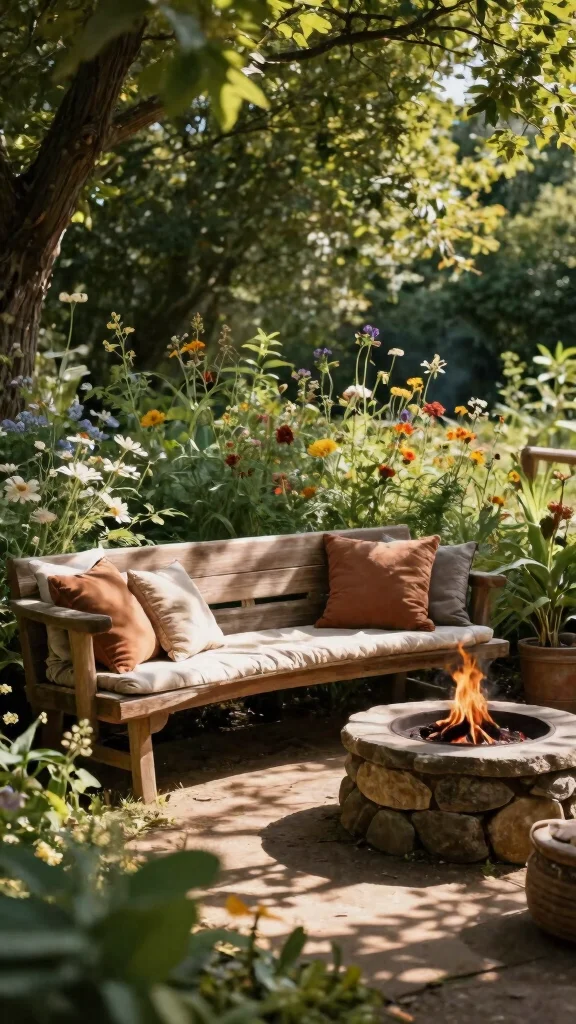
Designing outdoor seating areas elevates the charm of your cabin landscape and encourages relaxation. Imagine rustic wooden benches, stone seating, or a simple picnic table nestled under the trees, perfect for enjoying meals or reading a good book. These spaces create ideal spots for savoring the beauty of nature.
Think about how to make your seating areas inviting and comfortable. Use reclaimed wood for environmentally friendly options and add cushions or throws for extra coziness. Consider placing a fire pit nearby for those enjoyable evenings spent outdoors.
Ideas for your outdoor seating area:
– Choose reclaimed wood for a rustic and sustainable touch.
– Add cushions and throw blankets for comfort and style.
– Create a fire pit area nearby for warmth and ambiance.
Well-placed seating can transform your cabin retreat into a welcoming haven, where memories are made and cherished.
Add Cozy Outdoor Seating Areas
Editor’s Choice

Portable Outdoor Fire Pit 22 Inch – New Upgraded Camping Fire Pit Collap…
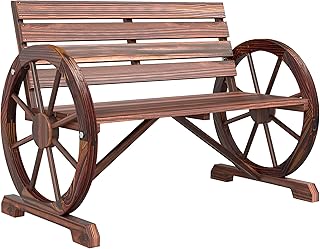
Outsunny 41″ Wooden Wagon Wheel Bench, Rustic Outdoor Patio Bench Weathe…

Outdoor Chair Cushions Set of 4: Waterproof & Fade Resistant Seat Cushio…
4. Incorporate Edible Landscaping

Edible landscaping beautifully merges aesthetics with functionality in your cabin garden. Picture fruit trees, berry bushes, and herb gardens that not only beautify your space but also provide fresh produce. This approach enhances the overall landscape while allowing you to enjoy the benefits of homegrown flavors.
When planning your edible garden, ensure that the plants are suitable for your local climate. Using raised beds or containers can simplify maintenance and maximize your space. Mixing ornamental plants with edibles creates a visually appealing garden that’s both practical and lovely.
Consider these tips for planning your edible garden:
– Select plants that thrive in your specific climate.
– Use raised beds or containers for easier upkeep.
– Combine ornamental and edible plants for visual diversity.
Integrating edible plants fosters a deeper connection to nature, enhancing your retreat experience while promoting sustainability.
❝ Did you know edible landscaping can slash weekly grocery trips by 30–50% in a cozy cabin landscaping plan? Start with a few dwarf fruit trees, berry shrubs, and herbs in raised beds, so maintenance stays simple and meals stay fresh. ❞
📹 Related Video: Edible Landscaping – How to Create a Foodscape
You might also like


Incorporate Edible Landscaping
Editor’s Choice

Ahopegarden Indoor Garden Hydroponics Growing System: 10 Pods Plant Germ…

Apple, Plum & Pear Trees (3-Pack) – Dwarf Fruit Trees, Easy Grow Backy…
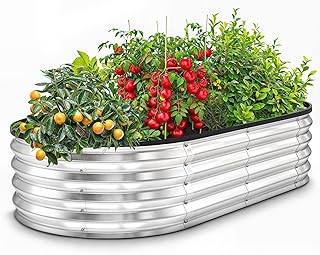
Utopia Home Galvanized Raised Garden Bed Kit 4x2x1ft, Planter Box Raised…
5. Enhance with Decorative Mulch
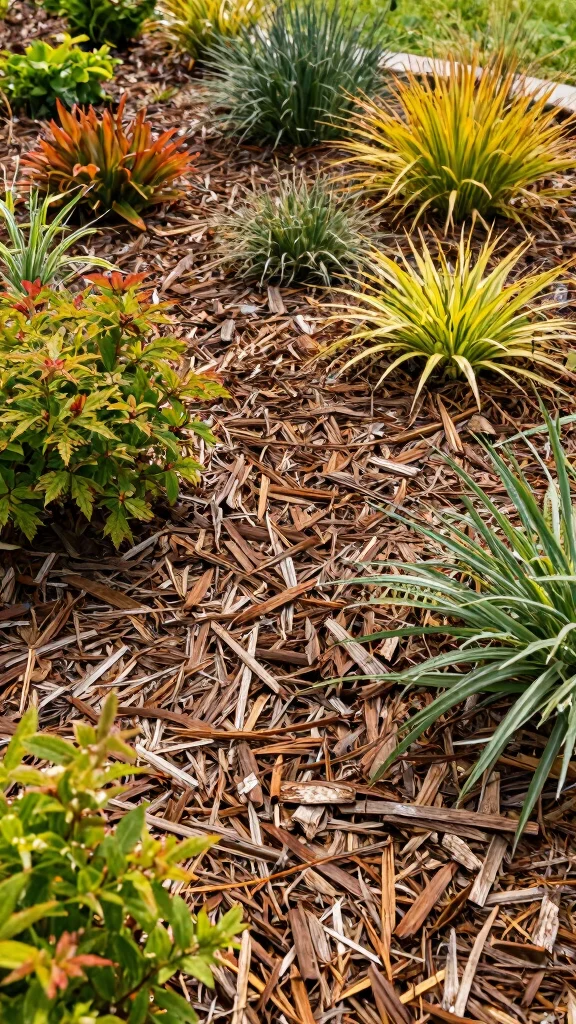
Applying decorative mulch not only beautifies your garden but also provides practical benefits like moisture retention and weed control. Choose materials such as shredded bark, stones, or pine needles that complement your cabin’s rustic vibe. Decorative mulch creates clean lines and adds depth and texture to your garden beds.
When selecting and applying mulch, consider how it fits with your overall landscape. Aim for a layer of 2-3 inches to effectively suppress weeds. Refreshing the mulch annually keeps it looking vibrant and inviting.
Guidelines for choosing and applying mulch:
– Pick mulch that harmonizes with your plants and surrounding structures.
– Use a 2-3 inch layer for effective weed suppression.
– Refresh the mulch yearly to maintain its appealing look.
The right mulch can significantly enhance your garden’s appearance, creating a polished, cohesive landscape that invites you to explore.
Enhance with Decorative Mulch
Editor’s Choice
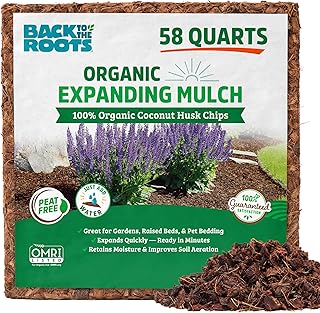
Back to the Roots 100% Organic Mulch, 58 Quart, Expanding Coconut Husk B…

FANTIAN 20 lbs Large River Rocks for Outdoor Landscaping, 3-4 Inch Decor…

Green Plants Pine Needles Artificial Pine Needles Branches Fake Pine Pic…
6. Design a Wildlife-Friendly Landscape

Crafting a wildlife-friendly landscape makes your cabin retreat a sanctuary for both you and local wildlife. By adding features like birdhouses, bee hotels, and native plants, you can attract a variety of creatures that enrich your outdoor environment. This eco-friendly approach fosters a closer connection with nature.
To create a vibrant wildlife habitat, focus on planting diverse flowers that attract pollinators. Installing bird feeders and baths invites feathered friends into your space. Leaving some areas wild or creating brush piles provides natural habitats for smaller creatures.
Ways to enhance your landscape for wildlife:
– Plant diverse flowers that attract various pollinators.
– Set up bird feeders or baths to invite local birds.
– Leave areas wild for natural habitats.
This not only enhances your cabin landscaping but also fosters a thriving ecosystem right at your doorstep.
Did you know that native plants attract 4–7 times more pollinators than ornamental non-natives? By adding birdhouses, bee hotels, and diverse blooms, your cabin landscaping becomes a wildlife-friendly sanctuary you can watch from the porch.
How To Choose the Right Native Plants for Your Cabin Landscape
Choosing the right native plants for your cabin landscaping can make a huge difference in creating a natural and inviting space. Native plants are adapted to your local climate and soil, which means they thrive with less maintenance. Here’s how to effectively select the best native plants for your eco-friendly retreat:
1. Understand Your Climate Zone
Before selecting plants, you need to know your climate zone. Check your USDA Plant Hardiness Zone to see which plants are suitable for your area. Native plants thrive best when they match your local conditions, including temperature and rainfall. This knowledge will help you avoid planting species that might struggle to survive.
2. Assess Soil Type and Drainage
Different plants require different soil types, so assess your soil before making choices. Is it sandy, clayey, or loamy? Also, check how well your soil drains. For example, some native plants prefer wet conditions, while others thrive in dry soil. Conduct a soil test if needed to get a clear understanding of your garden’s needs.
3. Choose Plants for Sun Exposure
Observe how much sun your potential planting areas receive during the day. Some native plants do well in full sun, while others prefer partial shade. Create a list of plants that correspond with the light conditions in your garden. This will ensure your plants grow to their full potential without wilting or becoming leggy.
4. Consider Plant Height and Spread
Think about how tall and wide you want your plants to grow. Taller plants can serve as natural privacy screens, while groundcovers can help prevent soil erosion. Be mindful of spacing so that each plant has room to grow without overcrowding. Check the mature size of each species to plan accordingly.
5. Think About Seasonal Interest
Choose a variety of plants that bloom at different times of the year. This adds visual interest to your landscape throughout the seasons. Consider evergreens for winter beauty, flowering plants for spring and summer, and plants with colorful foliage in the fall. A diverse array will make your cabin feel alive year-round.
6. Attract Local Wildlife
Select native plants that support local wildlife, such as birds and butterflies. Many native plants provide food and habitat for these creatures. Research which plants are best for attracting pollinators like bees and butterflies. This not only enhances your landscape but also supports the local ecosystem.
Pro Tip: Before making a final decision, visit local nurseries or gardening clubs. They can provide insights into which native plants perform best in your area. You can also ask for recommendations based on the conditions you have in your garden.
Taking the time to carefully choose native plants will help your cabin landscape blend harmoniously with its surroundings. By ensuring these plants fit your unique environment, you’ll create a beautiful and sustainable space that feels like it has always belonged there.
Design a Wildlife-Friendly Landscape
Editor’s Choice

Wildflower Seeds Bulk Mix – 10,000+ Perennial & Annual Seeds – Texas, Ca…
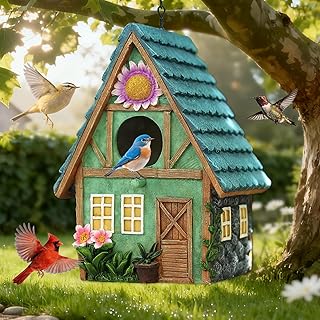
Bird Houses for Outside Cottage-Style Hanging Birdhouse with Flower Acce…

Lulu Home Wooden Insect House, Hanging Insect Hotel for Bee, Butterfly, …
7. Use Natural Fencing for a Rustic Appeal

Natural fencing adds a unique charm to your cabin landscape while defining boundaries without disrupting the natural flow. Consider using materials like split-rail fences, bamboo, or even living fences made from shrubs that blend seamlessly with the environment. These options enhance the rustic appeal and complement your cabin’s aesthetic.
When choosing fencing materials, prioritize sustainability and local sourcing. Design the fence to follow the contours of your landscape, and consider incorporating climbing plants or flowers to soften the overall look.
Ideas for creating natural fencing:
– Select locally sourced, sustainable materials.
– Design the fence to harmonize with the landscape’s flow.
– Add climbing plants or flowers for a softer appearance.
A well-designed natural fence can beautifully frame your garden, enhancing the rustic charm and guiding visitors through your outdoor space.
You Might Also Like

Use Natural Fencing for a Rustic Appeal
Editor’s Choice
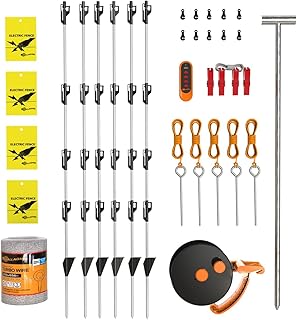
Gallagher Portable Bear Fence Kit | Electric Fence for Campsites, RVs, G…

Natural Reed Fencing Rolls: Privacy Bamboo Fence 3/4/5/6ft High Roll Ree…

DearHouse Artificial Ivy Privacy Fence, 118x59in Artificial Hedges Fence…
8. Incorporate Water Features for Serenity

Integrating water features like ponds, small waterfalls, or birdbaths can vastly enhance the tranquility of your cabin landscape. The soothing sounds of flowing water paired with the visual beauty create a peaceful retreat. Water features serve as focal points and attract wildlife, enriching your garden’s ecosystem.
When planning your water feature, consider its size in relation to your garden. Use natural materials to ensure a seamless blend with your surroundings, and think about adding native aquatic plants to promote biodiversity.
Things to keep in mind for your water feature:
– Ensure the size fits well within your garden’s scale.
– Use natural materials that blend with the landscape.
– Add native aquatic plants to encourage biodiversity.
The right water feature transforms your outdoor space into a serene oasis, providing an ideal backdrop for relaxation and reflection.
Incorporate Water Features for Serenity
Editor’s Choice

Aquascape DIY Backyard Pond Kit 8 x 11 feet – Complete Water Garden Ec…
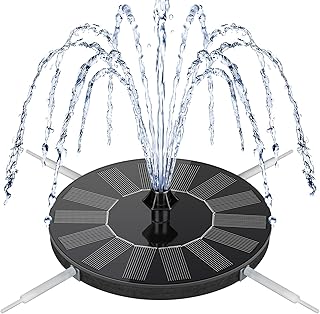
Mademax Solar Bird Bath Fountains, Upgrade 1.4W Solar Fountain Pump with…

Small Metal Bird Bath for Outdoors, 10″ Dia Bowl with Stake Birdbaths Ga…
Conclusion

Creating a beautifully landscaped cabin retreat that feels like it has always been part of the environment is entirely possible with these thoughtful ideas. From native plants to rustic stone pathways, each element you incorporate tells a story of harmony with nature and sustainability. By embracing the beauty of your surroundings, you not only enhance the visual appeal of your cabin but also create a welcoming space for yourself and wildlife alike.
Take inspiration from these ideas and start planning your outdoor oasis today. The journey of transforming your cabin landscape can be just as rewarding as the destination.
Note: We aim to provide accurate product links, but some may occasionally expire or become unavailable. If this happens, please search directly on Amazon for the product or a suitable alternative.
This post contains Amazon affiliate links, meaning we may earn a small commission if you purchase through our links, at no extra cost to you.
Frequently Asked Questions
What cabin landscaping ideas best create an eco-friendly, rustic retreat?
For a timeless, eco-friendly cabin retreat, start with a cohesive rustic garden design and practical cabin landscaping plan.
Choose native plants for cabins that fit your site’s sun and moisture, and group them in layered borders to create depth.
Build natural stone pathways that guide foot traffic and reduce erosion, then pair them with permeable groundcovers to keep the area green.
Enhance with outdoor seating ideas using reclaimed wood and weather-resistant cushions, positioned for views and shade.
Finish with eco-friendly landscaping basics like rain barrels, compost, drought-tolerant grasses, and solar lighting to reduce upkeep.
How can I incorporate native plants for cabins to enhance rustic garden design?
Native plants are the heart of a cabin landscape. Start with a mix of grasses, wildflowers, and shrubs that thrive with your climate.
In rustic garden design, group them in drifts and naturalistic curves to recreate a wild, unmanicured look.
Choose species that support local pollinators and require minimal irrigation; place taller natives at the back and lower ones in front for depth.
Mulch well to retain moisture and reduce weeds.
With eco-friendly landscaping practices, you’ll enjoy lush color with less effort.
What are the best materials for natural stone pathways in cabin landscaping?
Natural stone pathways are a cornerstone of cabin landscaping. Opt for flagstone or slate slabs that fit your rustic aesthetic; set them on a compacted gravel base with proper compaction to prevent shifting.
Plan a permeable drainage slope away from the cabin and use eco-friendly landscaping principles by avoiding cement when possible.
Keep the paths narrow to feel intimate, and add rounded edges for safety and natural look.
Use native groundcovers or pine straw between stones to reduce weed growth and preserve the rustic vibe.
What outdoor seating ideas fit a cabin aesthetic and are eco-friendly?
Create cozy, sustainable seating zones with outdoor seating ideas that match a cabin vibe. Use reclaimed wood benches or log seating to echo the surrounding forest, and build a low stone seat wall around a fire pit for warmth and conversation. Integrate a simple pergola or shade sails for sun protection, and opt for weather-resistant cushions made from recycled or plant-based fabrics. Arrange seating to overlook a focal point like a meadow or eco-friendly landscaping plantings, and keep the footprint low with compact lawn alternatives.
How can I start a simple plan to make my cabin landscape look like it was always there?
Start with a simple, phased plan to make your cabin landscape feel timeless. Begin by evaluating sun, wind, drainage, and soil on your site, then settle on a rustic garden design theme and a palette of native plants for cabins. Sketch curved borders and a few focal points, such as a natural stone pathway and a small seating area with outdoor seating ideas. Choose permeable materials and mulch to boost eco-friendly landscaping, and implement the plan in stages so the landscape gradually blends with its surroundings.
Related Topics
cabin landscaping
rustic garden design
eco-friendly landscaping
natural stone pathways
native plants for cabins
outdoor seating ideas
sustainable gardening
DIY cabin decor
seasonal landscaping
beginner friendly
landscaping tips
nature-inspired design