
Creating a butterfly garden has been on my mind lately. Nothing beats the joy of watching these delicate creatures flutter from flower to flower. If you’ve been craving a splash of color and a touch of magic in your yard, you’re not alone. Designing a butterfly garden can bring happiness and serenity to your outdoor space while also supporting local ecosystems.
This guide is for anyone who loves nature and wants to attract butterflies to their yard. Whether you’re a seasoned gardener or just starting out, these butterfly garden ideas will inspire you. You’ll learn how to choose butterfly-friendly plants, create vibrant flower combinations, and design spaces that attract pollinators. Together, we can transform your yard into a colorful oasis!
Get ready to explore seven fantastic butterfly garden landscaping ideas. These tips are practical, visually stunning, and perfect for creating that magical atmosphere in your outdoor space. Let’s dive in and discover how to make your garden a paradise for butterflies!
Key Takeaways
– Colorful Borders: Start by creating a vibrant flower border to attract butterflies. Use a mix of bright colors and blooming times for continuous interest.
– Nectar-Heavy Plants: Incorporate plants that are rich in nectar. This ensures butterflies have plenty of food sources throughout the season.
– Butterfly Feeders: Adding a butterfly feeder can provide a direct source of food. Fill it with sugar water to entice these lovely insects to visit regularly.
– Native Shrubs for Windbreaks: Use native shrubs to create natural windbreaks. This protects butterflies from strong winds and provides them a safe haven.
– Decorative Butterfly Houses: Installing butterfly houses can offer shelter. These charming structures not only look great but also provide a cozy spot for butterflies to rest.
1. Create a Colorful Flower Border

You can easily draw butterflies into your yard by planting a colorful flower border. This lively arrangement enhances your garden’s charm while offering a delightful feast for butterflies. Consider using a combination of plants like lantana, marigolds, and asters for their vibrant colors and appealing scents. Each bloom not only attracts butterflies but also creates a stunning visual experience for you and your visitors.
Start by grouping flowers together, as butterflies are more attracted to clusters than scattered blooms. Aim for a layered look by placing taller plants at the back and shorter ones in front. Additionally, choose varieties that bloom at different times to ensure a constant array of colors throughout the season. Your garden will be alive with movement and beauty.
Key steps to create your flower border:
– Select plants with flat flowers for easy landings.
– Use complementary colors for a striking visual effect.
– Incorporate decorative stones for added interest.
Did you know a color-rich border with lantana, marigolds, and asters can attract 20–40 butterflies on sunny days? Group blooms by color to boost visits and turn your butterfly garden ideas landscaping into a nonstop, buzzing color show.
Create a Colorful Flower Border
Editor’s Choice

Wildflower Seeds Butterfly and Humming Bird Mix – Large 1 Ounce Packet 7…


Burpee Natural Purpose Granular 4-Lb Organic Food for Growing Strong Pla…
2. Incorporate Nectar-Heavy Plants

To attract butterflies effectively, focus on planting nectar-rich varieties in your garden. Plants like butterfly bush, purple coneflower, and zinnias are irresistible to these lovely creatures, providing them with essential nourishment. By ensuring you have a mix of blooming plants throughout the seasons, you’ll create a haven for butterflies and other pollinators.
Grouping these nectar-heavy plants together will enhance their appeal and create a beautiful focal point in your garden. Consider adding native plants that butterflies in your area are naturally drawn to, ensuring your garden is both functional and visually appealing. This strategy will make your garden a vibrant ecosystem.
Essential tips for selecting plants:
– Choose native flowers to attract local butterfly species.
– Create a planting schedule for continuous blooms.
– Layer plants by height for an attractive display.
📹 Related Video: 11 Plants To Attract Butterflies To Your Garden | Best Plants For Butterflies
Incorporate Nectar-Heavy Plants
Editor’s Choice

Seed Needs Zinnia Seeds California Giants Variety | 5,000+ Heirloom Seed…

RUDBECKIA laciniata (Cutleaf Coneflower) Flower Seeds, Showy, Delicate F…

TEATRICAL Facial Moisturizer with Buddleja Davidii Stem Cells, 3.5 Ounce…
3. Add a Butterfly Feeder

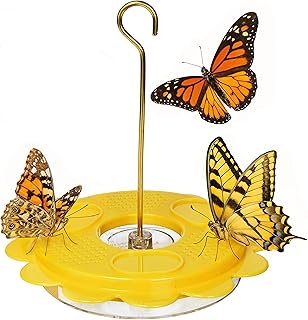
Enhance your butterfly garden by adding a charming butterfly feeder. A simple dish filled with sugar water or fruit can attract these delicate visitors and provide them with a vital food source. Place the feeder in a sunny area to encourage butterflies to linger and enjoy their treat.
You can also offer ripe fruits like oranges or bananas to provide additional nourishment and color. Make sure the dish is shallow to avoid any drowning accidents, ensuring butterflies can safely sip from it. A well-placed feeder will invite vibrant activity to your garden.
Tips for your butterfly feeder:
– Choose decorative feeders that match your garden’s style.
– Experiment with different locations to find the best butterfly traffic.
– Surround the feeder with colorful stones for a beautiful focal point.
Add a Butterfly Feeder
Editor’s Choice

Venom Pheromone Perfume Collection, Phero Perfumes, Long Lasting Portabl…

sweet-seed Butterfly Nectar (8oz / 250mL), Ready to Use – Extends The Li…

Decorative Garden Stakes, Fairy Garden Stakes, Butterfly Fairy Stakes …
4. Create Windbreaks with Native Shrubs

Planting windbreaks is a fantastic way to create a comfortable environment for butterflies. By introducing native shrubs like serviceberry or wild currant, you can provide shelter from harsh winds while attracting various wildlife. These plants not only protect butterflies but also serve as a habitat for caterpillars, enriching your garden’s ecosystem.
Strategically place your windbreaks to maximize shelter and sunlight, ensuring butterflies feel safe while basking in the sun. This thoughtful positioning will enhance the beauty and functionality of your garden.
Consider these design tips:
– Position windbreaks on the north or west to shield from cold winds.
– Use the natural height of shrubs to create depth.
– Plant flower beds nearby for a smooth transition between areas.
Fun fact: A windbreak of native shrubs can cut gusts by up to 40%, giving butterflies a calmer sunny spot to bask. Plant serviceberry or wild currant and watch caterpillars find shelter and feeding in butterfly garden ideas landscaping.
You might also like

Top Varieties for Different Conditions
1. Butterfly Bush (Buddleja davidii)
– Best conditions: Thrives in sunny, temperate climates with well-drained soil.
– Key features: This plant produces long spikes of colorful flowers that attract a variety of butterflies throughout the summer. It can grow quite tall, making it a stunning focal point.
– Considerations: Butterfly bush can be invasive in some areas, so check local guidelines before planting.
2. Milkweed (Asclepias spp.)
– Best conditions: Grows well in dry to moderately moist soils and sunny spots, especially in hot or dry climates.
– Key features: Milkweed is essential for monarch butterflies, serving as a host plant for their larvae. Its unique flowers can be a beautiful addition to your garden.
– Considerations: While easy to grow, it can spread vigorously, so consider using it in a designated area.
3. Coneflower (Echinacea purpurea)
– Best conditions: Prefers full sun and is adaptable to various soil types, thriving in many climates.
– Key features: Coneflowers are not only stunning with their bright purple petals, but they also provide nectar for butterflies and bees. They are drought-tolerant once established.
– Considerations: Deadheading may be needed to encourage extended blooming.
4. Lantana (Lantana camara)
– Best conditions: Ideal for hot and humid coastal regions, thriving in full sun and well-drained soil.
– Key features: Lantana produces clusters of small, colorful flowers that attract butterflies. It blooms heavily and can tolerate dry conditions.
– Considerations: This plant can be invasive in some areas, so check local regulations before planting.
5. Black-eyed Susan (Rudbeckia hirta)
– Best conditions: Grows well in full sun and is adaptable to various soil conditions, making it great for temperate climates.
– Key features: This hardy perennial features bright yellow petals and attracts butterflies and other pollinators. It blooms from summer to fall, providing long-lasting color.
– Considerations: It may require some staking if planted in very windy areas.
6. Aster (Aster spp.)
– Best conditions: Thrives in full sun to partial shade and prefers moist, well-drained soils, making it suitable for temperate and humid climates.
– Key features: Asters bloom late in the season, providing a crucial nectar source for butterflies in autumn. They come in various colors, adding diversity to your garden.
– Considerations: Some species can be prone to powdery mildew, so ensure good air circulation.
7. Zinnias (Zinnia elegans)
– Best conditions: Enjoy sunny locations with well-drained soil, thriving in warm and dry climates.
– Key features: Zinnias are easy to grow and provide a riot of colors that attract butterflies. They bloom continuously from late spring to frost, ensuring vibrant garden color.
– Considerations: Regular deadheading will keep them blooming longer.
Climate/Condition Guide:
– Temperate: Most varieties like coneflowers and asters thrive well here. Choose perennials for long-lasting blooms.
– Coastal: Lantanas and butterfly bushes can withstand salty air and grow beautifully.
– Hot/Dry: Milkweed and zinnias are perfect for these conditions, as they tolerate heat and drought.
– Humid: Tropical plants like lantana will flourish, provided they have good drainage.
Growing Tips:
– Choose a mix of nectar-rich and host plants to attract various butterflies throughout the season. ✔
– Group plants in clusters to create a more inviting habitat for pollinators. 🌼
– Water newly planted species regularly until established, then reduce frequency to encourage deep root growth. 💧
Avoid:
– Don’t overcrowd your garden. Proper spacing allows for air circulation and reduces disease risk.
– Avoid using pesticides, as they can harm beneficial insects like butterflies. 🦋
Create Windbreaks with Native Shrubs
Editor’s Choice

Pollinator Garden Live Plant Collection – 8 Perennial Live Plants | Bu…

44″ Butterfly Garden Wind Spinners – Metal Outdoor Stake Spinner Windmil…

Songbird Essentials Butterfly Nectar Concentrate, 5 oz, Makes 104 oz of …
5. Design a Water Feature

Adding a water feature can introduce whimsy while serving as a valuable resource for butterflies. A shallow birdbath or a small fountain creates a drinking spot that invites butterflies to visit your garden. Choose a design that aligns with your garden’s style, whether it’s a rustic stone birdbath or a modern fountain.
Ensure the water is shallow enough for butterflies to sip safely but deep enough for them to refresh themselves. Surround the water feature with stones or plants to provide resting areas for butterflies, enhancing the overall experience.
Tips for your water feature:
– Add decorative stones around the base for visual appeal.
– Use colorful plants nearby to attract butterflies.
– Place the feature in full sun to maximize butterfly activity.
Water features turn DIY weekends into butterfly-friendly magic. In butterfly garden ideas landscaping, a shallow birdbath becomes a social hub for visitors—keep it shallow, surround it with stones and plants, and your yard rewards you with color and calm.
Design a Water Feature
Editor’s Choice
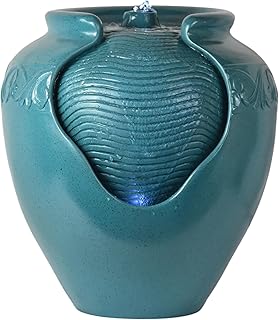
Teamson Home Floor Glazed Pot Water Fountain with Built-in LED Light and…

Glass Bird Bath Outdoor with Metal Stand for Lawn Yard Garden Decor Butt…
6. Install Butterfly Houses
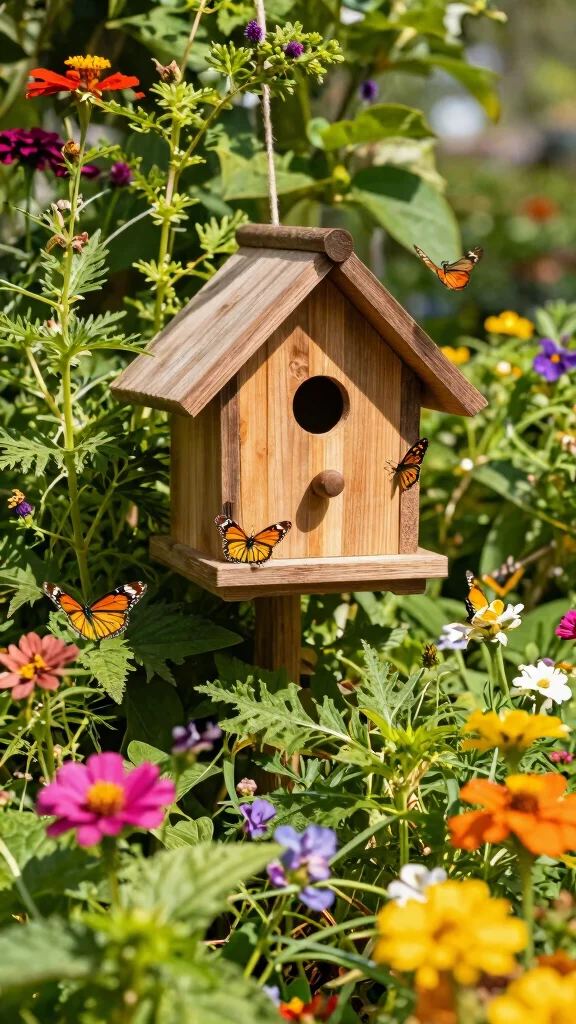
Butterfly houses offer a unique shelter option, providing butterflies with a safe haven in your garden. These charming structures allow butterflies to rest and hide from harsh weather conditions. Place them in shady areas near flowering plants to create an inviting environment.
Choose designs that blend seamlessly with your garden’s aesthetic, making them an attractive feature. Surrounding the butterfly house with native plants will create a cozy microhabitat that encourages butterflies to linger.
Essential tips for your butterfly house:
– Use natural materials that fit with your garden’s surroundings.
– Ensure the entrance faces away from prevailing winds for added protection.
– Incorporate bright colors around the house to invite butterflies.
You Might Also Like
Install Butterfly Houses
Editor’s Choice
Birds Choice Flutterby Butterfly Feeder – Outdoor Feeder with 12 oz. N…

HOME GROWN Premium Monarch Butterfly Wildflower Seeds Mix (2oz) – 20000+…

New Butterfly House and Feeder for Outside, Wooden Butterfly House with …
7. Use Colorful Ground Covers

Ground covers are often underestimated but play a crucial role in your butterfly garden. Plants like creeping thyme or sweet alyssum create a vibrant carpet that not only attracts butterflies but also enhances the garden’s beauty. These low-growing varieties help suppress weeds and provide a lush backdrop for taller plants.
Use them around flower beds, pathways, or garden edges to create a seamless flow in your design. Select a variety of colors and textures to add visual interest while ensuring they bloom in sync with your other flowers. Your garden will be a stunning sight.
Tips for using ground covers:
– Create pathways that guide visitors through your garden.
– Combine different textures for a unique appearance.
– Ensure ground covers fill in bare spots for a complete look.
Use Colorful Ground Covers
Editor’s Choice

KVITER 20,000 Creeping Thyme Seeds (Thymus Serpyllum) – Wild Thyme, Ar…

Alyssum Seeds for Planting – 2 Varieties | Purple Royal Carpet & White…
Conclusion

Designing a butterfly garden is not only a delightful endeavor but also a meaningful contribution to the ecosystem.
By incorporating these seven landscaping ideas, you can create a vibrant sanctuary that will attract butterflies and other pollinators throughout the seasons.
Embrace the magic of your butterfly garden, and let it inspire your gardening journey as you watch nature flourish in your own backyard.
Note: We aim to provide accurate product links, but some may occasionally expire or become unavailable. If this happens, please search directly on Amazon for the product or a suitable alternative.
This post contains Amazon affiliate links, meaning we may earn a small commission if you purchase through our links, at no extra cost to you.
Frequently Asked Questions
What are the most effective butterfly garden ideas landscaping to fill your yard with color and attract pollinators?
Kick off your butterfly garden ideas landscaping with a sunny, sheltered spot and a plan for color all season.
Choose a mix of native butterfly-friendly plants for both nectar and larval food, and arrange them in layered drifts so blooms are easy for butterflies to find.
Add 1–2 garden design tips like a tall backdrop, mid-height flowering perennials, and low groundcovers to create structure.
Make sure to include a few colorful flower combinations that bloom at different times, so nectar is available from spring through fall.
Provide a shallow water source and a few flat stones for butterflies to land on, and avoid pesticides that harm pollinators.
Finish with outdoor garden decor such as a sunlit bench or a decorative birdbath to invite butterflies to linger.
With these steps, your yard becomes a magical haven for butterflies and pollinators.
Which butterfly-friendly plants should I include for a native butterfly garden landscaping?
Focus on two plant groups: nectar sources and host plants. For nectar, choose hardy, sun-loving butterfly-friendly plants like coneflower, asters, ironweed, blazing star, and goldenrod.
Add milkweed and other monarch host plants to support lifecycle needs.
Native species often perform better with less water and better disease resistance, so check your region’s natives and pair them with complementary colors for colorful flower combinations.
Group plants by bloom time so there’s always something in bloom, and mix tall varieties at the back with shorter groundcovers in front to create a lush, inviting landscape for pollinators.
How can I design a butterfly-friendly landscape that stays colorful year-round?
Start with a color plan that covers spring, summer, and fall.
Use a palette of complementary colors and repeat key hues in drifts to create visual impact.
Layer plants by height: tall in back, mid-height, and low groundcovers.
Include both nectar-rich perennials and seasonal annuals to fill gaps.
Incorporate outdoor garden decor like a small fountain or colored stones to add sparkle without attracting pests.
Choose colorful flower combinations that bloom at different times, and keep maintenance light with mulching and drought-tolerant natives.
This approach makes a vibrant, butterfly-friendly landscape with less work.
What practical steps can I take to attract pollinators quickly in a new butterfly garden landscaping project?
Start with a sunny site and ready soil, then install a core group of nectar plants that bloom in the weeks after planting.
Water bowls or shallow dishes with stones help butterflies sip water.
Add a host plant (like milkweed for monarchs) so caterpillars have something to munch.
Avoid chemical pesticides and maintain consistent moisture.
Mulch to conserve moisture and feed with compost.
After 4–6 weeks, check for bare spots and fill with more nectar-rich plants to sustain activity.
With these quick-start steps, your garden will begin to attract pollinators almost immediately and become a lively sanctuary.
How do I maintain a low-maintenance but vibrant butterfly garden landscaping?
Choose native perennials that are well adapted to your climate and require less water and fewer inputs.
Plant in groups for drama and easier care, mulch to suppress weeds, and irrigate with drip lines to minimize waste.
Deadhead regularly to encourage continued blooming, but leave some seedheads for winter interest.
Keep pesticides out of the garden to protect butterflies and pollinators.
Finally, prune lightly after flowering to maintain shape and health.
With the right mix of butterfly-friendly plants and garden design tips, you get color and activity with minimal effort.
Related Topics
butterfly garden
native plants
pollinator-friendly
colorful landscaping
garden design tips
attracting butterflies
outdoor decor
beginner friendly
seasonal blooms
easy gardening
flower combinations
eco-friendly gardens