
Creating a stunning yard can feel overwhelming at times, especially if you’re unsure where to begin. That’s why I made this post! I wanted to share ideas that can transform simple spaces into breathtaking outdoor havens using one of nature’s most beautiful elements: boulders. There’s something incredibly captivating about the rugged texture and natural presence of rocks in a garden. They not only add depth but also provide a sense of tranquility that can elevate your entire outdoor space.
If you’re someone who loves gardening, outdoor decor, or simply appreciates a well-designed yard, this blog post is for you. Whether you’re experienced or just starting out, the ideas presented here will speak to your creative side. You’ll discover practical and sustainable methods to incorporate boulders into your landscaping, allowing you to design a garden that reflects your personal style.
Get ready to explore eight unique ideas that will inspire you to use boulders in landscaping. These concepts are not just functional; they are artistic and can turn your yard into a work of art. By the end of this post, you’ll have a treasure trove of information to help you create a stunning outdoor oasis that’s both beautiful and eco-friendly.
Key Takeaways
– Boulders in landscaping provide texture and visual interest, making them a striking focal point in any garden.
– Rock gardens are a low-maintenance option that can flourish with native plants, creating a natural wonder in your yard.
– Boulder borders can define pathways and garden beds, adding structure and guiding visitors through your space.
– Incorporating water features with boulders enhances the natural feel, promoting relaxation and wildlife in your garden.
– Sustainable rock gardens not only look great but also require less maintenance and conserve water, benefiting the environment.
1. Rock Gardens: A Natural Wonderland

If you’re looking to create a serene space at home, rock gardens can be your answer. They beautifully combine natural stones with vibrant plants, crafting a picturesque landscape that is both eye-catching and easy to maintain. The right mix of rocks and flora can mimic nature’s beauty, giving you a peaceful retreat without the hassle of constant upkeep.
To begin your rock garden journey, think about how to integrate different elements. Use hardy plants that thrive in rocky soil, and explore various stone sizes to create visual interest. This approach not only saves time but also enhances your outdoor space with natural beauty.
Key features to include:
– Strategic Boulder Placement: Position stones to create unique heights and textures.
– Drought-Resistant Plants: Opt for succulents and alpine flowers to minimize water usage.
– Visual Transitions: Use gravel or smaller rocks to fill in gaps and enhance aesthetics.
By combining these elements, you’ll achieve a stunning rock garden that’s easy to care for and visually appealing, creating a natural haven in your yard.
Fun fact: A well-planned rock garden using native boulders and drought-tolerant plants can cut irrigation by up to 50%. Start with hardy groundcovers, group rocks for microclimates, and let your boulders in landscaping create a serene, eco-friendly retreat.
How To Choose Boulders for Landscaping
When it comes to enhancing your garden with boulders, making the right choice is essential. Boulders can transform a simple yard into a stunning outdoor space. Here are some key factors to consider when choosing the best boulders for your landscaping project.
1. Size Matters
Think about the size of the boulders you want. Large boulders can be stunning focal points, while smaller stones can create texture in garden beds. Consider the scale of your yard. For a larger yard, go for bigger boulders to make a statement. In contrast, smaller boulders work better in compact spaces.
2. Material Type
Boulders come in various materials, including granite, limestone, and river rocks. Each type has its unique look and durability. Granite boulders are sturdy and can withstand harsh weather. Limestone offers a softer appearance, blending well in gardens. Choose materials that complement your existing garden design. This ensures a cohesive look throughout your outdoor space.
3. Color Palette
Color plays a big role in the overall aesthetic of your garden. Think about the colors of your existing plants and structures. Light-colored boulders can brighten up dark areas, while darker stones can add depth to lush gardens. You can also mix and match colors for a more dynamic look. Just ensure the colors work harmoniously with your outdoor decor.
4. Shape and Texture
Boulders come in various shapes, from round to angular. The shape can significantly affect the vibe of your garden. Rounded stones often create a softer, natural look, while angular stones can be more modern and structured. Think about how the shape will interact with your plants and other decorations. Mixing different textures can also add visual interest to your garden design.
5. Purpose of the Boulders
Determine how you plan to use the boulders. Are they simply decorative, or will they serve functional purposes like borders or seating? If you need boulders for pathways, ensure they are flat and stable. For seating areas, choose larger, flatter boulders that provide comfort. Knowing their purpose will guide your selection.
6. Budget Considerations
Boulders can range in price based on size, material, and local availability. Set a budget before you start shopping. It’s wise to compare prices from different suppliers. Don’t forget to account for transportation costs, especially for larger boulders. Sometimes, local quarries offer better prices than commercial retailers.
Pro Tip: Before purchasing, check for local regulations regarding boulder placement and size. Some areas have restrictions that could affect your landscaping plans. It’s always best to be informed beforehand to avoid any issues down the line!
Selecting the right boulders for your landscaping can make a world of difference in transforming your yard. Take your time to consider the size, material, color, shape, purpose, and budget to create a beautiful, cohesive outdoor space. Happy gardening!
Rock Gardens: A Natural Wonderland
Editor’s Choice

MSI Decorative Polished Multicolor Pebbles, 1 inch – 2.5 inch, 40 lb. Bag


Drought Resistant Wildflower Seeds – 1oz, Open-Pollinated Bulk Flower Se…
2. Boulder Borders for Pathways

Boulders can transform ordinary pathways into captivating trails in your garden. They not only outline your walkways but also add character and guide your guests through your outdoor space. This stylish touch enhances visual appeal while maintaining practicality.
When designing your boulder borders, consider how they flow with your garden’s layout. Varying the sizes can create a dynamic look, and adding plants can soften the hard edges for a more inviting atmosphere.
Effective strategies include:
– Mix Boulder Sizes: Combine large and small stones for depth.
– Follow Natural Lines: Arrange boulders to complement the garden’s organic shapes.
– Integrate Ground Cover: Fill gaps with low-growing plants for added color.
This method not only beautifies your pathways but also improves drainage, making your garden more sustainable while embracing a rustic charm.
Boulder Borders for Pathways
Editor’s Choice

Deckorators 17 in. x 10-1/2 in. x 8 in. Tan Small Landscape Rock

20000+Creeping Thyme Seeds for Planting Outdoor-Heirloom Thymus Serpyllu…
3. Water Features with Boulder Accents

Imagine a peaceful pond framed by carefully placed boulders, creating a stunning focal point in your yard. Integrating boulders into water features not only enhances the visual appeal but also fosters a tranquil environment where wildlife can thrive. It’s a beautiful way to bring nature closer to home.
While planning your water feature, think about how boulders can blend with your overall design. Choosing stones that match your garden style ensures a cohesive look, and placing them strategically can create a natural flow.
Consider these tips:
– Cohesive Stone Selection: Match boulders with your existing landscape theme.
– Layer Large Stones: Position bigger rocks at the base of features for depth.
– Wildlife Access: Design shallow areas for birds and beneficial insects.
This combination not only enriches your space with beauty but also encourages local wildlife, providing a peaceful retreat that benefits both you and the environment.
Water Features with Boulder Accents
Editor’s Choice

Floating Flowering Plant – Live Aquatic Plants for Ponds & Aquariums (…

FANTIAN 20 lbs Large River Rocks for Outdoor Landscaping, 3-4 Inch Decor…

VIVOHOME Electric 100W 1600GPH Submersible Water Pump for Koi Pond Pool …
4. Creating Focal Points with Statement Boulders

A bold boulder can become a captivating centerpiece in your garden. With its unique shape and size, it can stand out like a natural sculpture, adding artistic flair to your landscape. This approach elevates your outdoor space, making it feel curated and intentional.
To highlight a boulder, think about its placement and surrounding elements. Position it where it can be appreciated from various angles, and use plants that complement, rather than overshadow, its beauty.
Here are some ideas to get started:
– Prominent Positioning: Place the boulder for maximum visibility.
– Surround with Native Plants: Choose flowers that enhance and highlight its features.
– Add Lighting: Use soft lights to illuminate the boulder at night.
This strategy not only adds visual interest but also reduces the need for excessive decor, embracing the natural beauty of the stone.
You might also like
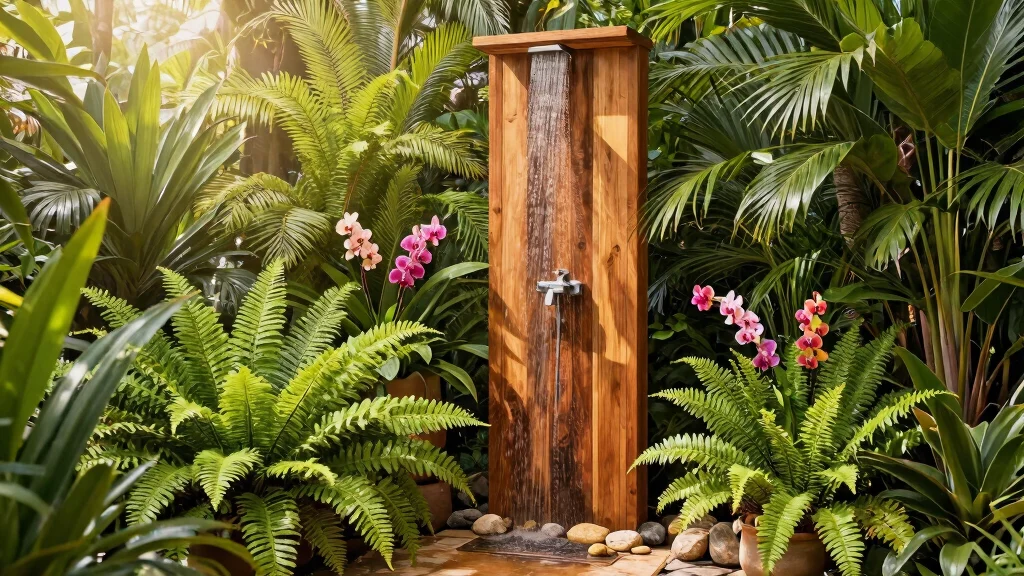

Creating Focal Points with Statement Boulders
Editor’s Choice

EMSCO Group 2372-1 Natural Sandstone Appearance – Extra Large Lightwei…
5. Boulder Seating Areas

Create an inviting gathering spot with natural boulder seating. Instead of traditional benches, large, flat stones provide a rustic touch that blends beautifully with the outdoors. This unique seating option enhances your garden while offering a comfortable place to relax.
To set up a boulder seating area, think about how you arrange the stones. Group them into a circle or semi-circle to foster conversation, and surround them with plants for a cozy atmosphere.
Here’s how to design your space:
– Create Comfortable Arrangements: Position boulders for easy access and comfort.
– Incorporate Low-Maintenance Plants: Select greenery that offers shade and beauty.
– Functional Combinations: Pair with reclaimed wood tables or additional boulders.
This design not only provides a relaxing area but also encourages a deeper connection with your garden, allowing you to enjoy the outdoors in style.
📹 Related Video: How to Build Seat walls & Columns for Landscaping, Ultimate DIY Guide for Backyard landscaping ideas
Boulder Seating Areas
Editor’s Choice

Black Mountain Products Balancing Exercise Stability Pods – Extra Firm f…
6. Raised Beds with Boulder Edging

Boulders make excellent edgers for raised garden beds, offering both functionality and beauty. They help define boundaries while allowing for effective drainage and temperature control, ensuring your plants thrive in a healthy environment.
When using boulders for raised beds, focus on stability and accessibility. Choose large stones that can effectively hold back soil and create comfortable heights for planting.
Consider these points:
– Choose Sturdy Boulders: Ensure they are large enough to prevent erosion.
– Optimize Height: Select stones that facilitate easy access for gardening.
– Use Diverse Plants: Combine with perennials for a rich, biodiverse garden.
This approach looks beautiful and supports your gardening efforts, creating a thriving environment for your plants.
Fun fact: When used as raised bed edgers, boulders in landscaping can improve soil retention by up to 40% and enhance drainage for healthier plants. Pro tip: pick sturdy, large stones for stable height and easy access when planting.
Raised Beds with Boulder Edging
Editor’s Choice

EasyFlex No-Dig Landscape Edging with Anchoring Spikes, 2.7 in Tall Deco…
EMSCO Group 2372-1 Natural Sandstone Appearance – Extra Large Lightwei…

Espoma Organic Raised Bed Mix – All Natural and Organic Potting Soil Mix…
7. Boulder Pathway Accents

Integrating boulders along pathways can significantly enhance your garden’s charm while creating a cohesive flow. These accents add texture and interest, guiding visitors through your outdoor haven.
To make the most of boulders in your pathways, consider how they interact with other materials. Mixing them with gravel or mulch can create a seamless look, while varied sizes add dynamic appeal.
Effective techniques include:
– Combine Materials: Use boulders alongside gravel for a unified design.
– Vary Boulder Sizes: Incorporate different sizes for visual intrigue.
– Embrace Natural Growth: Allow plants to grow around stones for a soft, natural edge.
This design not only beautifies your paths but also creates an inviting journey through your garden, captivating anyone who visits.
Ever notice how a row of boulders along a path makes your garden feel deliberate? Mix them with gravel or mulch, vary the sizes, and suddenly your outdoor space tells a calm, eco-friendly story.
You Might Also Like

Boulder Pathway Accents
Editor’s Choice

SOUTHWEST BOULDER & STONE Landscape Rock and Pebble | 20 Pounds | Natura…

40 LBS Grey Pea Gravel – Landscape Rocks – Drainage Rock – Gardening – A…
Back to the Roots 100% Organic Mulch, 58 Quart, Expanding Coconut Husk B…
8. Sustainable Rock Gardens: A Low-Maintenance Wonder

Sustainable rock gardens showcase how boulders can create a low-maintenance, water-efficient landscape. Filled with drought-resistant plants, these gardens let you enjoy stunning beauty without constant care or resource drain.
When designing your sustainable rock garden, focus on selecting the right plants and arranging boulders thoughtfully. This can create a natural environment that thrives while conserving water.
Key considerations include:
– Opt for Native Plants: Choose flora suited to your region for minimal care.
– Create Natural Slopes: Arrange boulders to promote water runoff.
– Layer Wisely: Use gravel to fill spaces and retain moisture.
This type of garden not only enhances your property but also supports local ecosystems, making it an excellent choice for environmentally-conscious homeowners.
Sustainable Rock Gardens: A Low-Maintenance Wonder
Editor’s Choice
XLUX Long Probe Deep Use Soil Moisture Meter Sensor, Water Monitor Indic…
Deckorators 17 in. x 10-1/2 in. x 8 in. Tan Small Landscape Rock
Drought Tolerant Wildflowers Mix – Extra Large Packet – Over 7,500 O…
Conclusion

Boulders in landscaping bring a unique charm to any garden, serving as stunning focal points, intricate borders, and natural seating. These natural stones can transform your space into an eco-friendly paradise, enhancing sustainability while adding depth and beauty. By incorporating these ideas, you can easily create a garden that feels both artistic and welcoming.
Which of these boulder designs will inspire your next landscaping project? Dive into the world of sustainable landscaping and let your garden flourish!
Note: We aim to provide accurate product links, but some may occasionally expire or become unavailable. If this happens, please search directly on Amazon for the product or a suitable alternative.
This post contains Amazon affiliate links, meaning we may earn a small commission if you purchase through our links, at no extra cost to you.
Frequently Asked Questions
Question: How can boulders in landscaping create dramatic focal points in a sustainable garden?
Start by picking the right sizes and textures; use large focal boulders paired with smaller rocks. With boulders in landscaping, placement matters: set a big rock on a slight grade near a seating area or along a path to draw the eye. Use natural stone landscaping from local sources to lower footprint. Create contrast with low-water plants like sedums or ornamental grasses. Ensure drainage around the base to prevent erosion. Rock garden concepts such as cascading tiers or a curved, natural cluster can boost visual interest. This is all part of landscape enhancement techniques for eco-friendly gardens.
Question: What should I consider when selecting and placing boulders for an eco-friendly yard?
Proportion is key: the largest boulder should feel grounded, with smaller stones placed to create a natural composition. Check that you can place it safely and avoid interfering with roots; plan for drainage by setting the rock on a shallow bed of gravel. Choose stones from sustainable sources of natural stone landscaping, and look for shapes and textures that feel organic. Arrange in curves or crescent patterns to guide movement, and use simple edging or terracing as part of landscape enhancement techniques to keep maintenance manageable. This approach also ties into garden design ideas and outdoor decor inspiration for a cohesive look.
Question: How can I pair boulders with plants to save water and support sustainable landscaping?
Pair large rocks with drought-tolerant plants and groundcovers to reduce irrigation needs. Plant in pockets and along rock edges, then mulch generously to retain soil moisture. Choose natives or Mediterranean-style species such as thyme, sedum, or blue fescue that thrive in sun with minimal watering. This approach ties into garden design ideas for sustainable landscaping and helps you create a striking, low-water landscape using natural stone landscaping.
Question: Are there simple DIY ideas to implement rock garden concepts with 8 boulders without heavy equipment?
Definitely. Start by sketching a layout that fits your space, then map the position of each boulder on the ground. Clear the area, create a shallow base of gravel for drainage, and move stones using a lever, a wheelbarrow, or basic rollers. Place rocks gradually, adjusting height and tilt to look natural, then backfill with soil and mulch. Finish with low-water plantings and a simple border to disguise the base—this is a practical way to realize rock garden concepts with ordinary tools and minimal effort.
Question: What maintenance and safety tips help keep boulders looking good and stable over time?
Regularly inspect for movement after heavy rain or freeze-thaw cycles and reset as needed. Keep the base clean of soil buildup and weeds, and refresh mulch to maintain moisture balance. Check drainage around each boulder to prevent pooling and erosion, and wipe off moss or algae to keep surfaces slip-free. Finally, pair with easy-care companion plants and smart edging as part of landscape enhancement techniques to preserve drama and safety.
Related Topics
boulders in landscaping
natural stone landscaping
garden design ideas
rock garden concepts
outdoor decor inspiration
sustainable gardening
landscape enhancement
eco-friendly gardens
beginner friendly
creative yard design
dramatic landscaping
seasonal landscaping