
Gardening is a joyful way to connect with nature and brighten up your outdoor space. Recently, I’ve been captivated by the power of black mulch. This stylish addition not only enhances the look of any garden but also brings out the vibrant colors of your plants and flowers. If you’re someone who loves making your garden pop, this post is just for you!
In this guide, you’ll discover 10 black mulch gardening ideas that will transform your space. Each idea is designed to highlight the beauty of your plants while promoting sustainability in your garden. Whether you’re eyeing bold flower beds or charming pollinator gardens, I’ve gathered creative solutions that are both practical and visually stunning. Let’s dive into how black mulch can elevate your green thumb game!
Key Takeaways
– Bold contrasts: Black mulch enhances plant colors, making flowers and foliage stand out beautifully.
– Sustainability focus: Incorporating black mulch not only improves aesthetics but supports pollinator health and garden sustainability.
– Versatile applications: Use black mulch in various settings, from vegetable gardens to decorative pathways, to create inviting spaces.
– Seasonal adaptability: Black mulch works in all seasons, helping to retain moisture and regulate soil temperature for your plants.
– Easy maintenance: This mulch type can reduce weed growth, making it easier for you to maintain a stunning and healthy garden.
1. Bold Flower Beds with Color Contrasts

Are you ready to make your garden pop? Using black mulch can create stunning flower beds that highlight vibrant colors beautifully. Picture bright marigolds, soft petunias, and sunny sunflowers against that dark backdrop. This striking contrast not only elevates your garden’s appeal but also draws the eye to specific areas, adding a touch of drama to your landscape.
To achieve this effect, focus on high-contrast colors that truly stand out. Layer your plants by positioning taller flowers in the back and shorter ones in front to create depth. Arranging clusters in odd numbers, like three or five, can enhance the natural look of your flower beds.
Key steps to achieve vibrant flower beds:
– Choose bright flowers like yellow, orange, or pink for contrast.
– Layer taller plants in the back for depth.
– Group flowers in odd numbers for a natural appearance.
This simple yet effective strategy can significantly enhance your garden’s visual interest, making it a true focal point.
Bold Flower Beds with Color Contrasts
Editor’s Choice

Back to the Roots 25.7qt (1 Cubic ft) Organic Premium Mulch


Floret Farm’s Cut Flower Garden: Grow, Harvest, and Arrange Stunning Sea…
2. Sustainable Pollinator Gardens
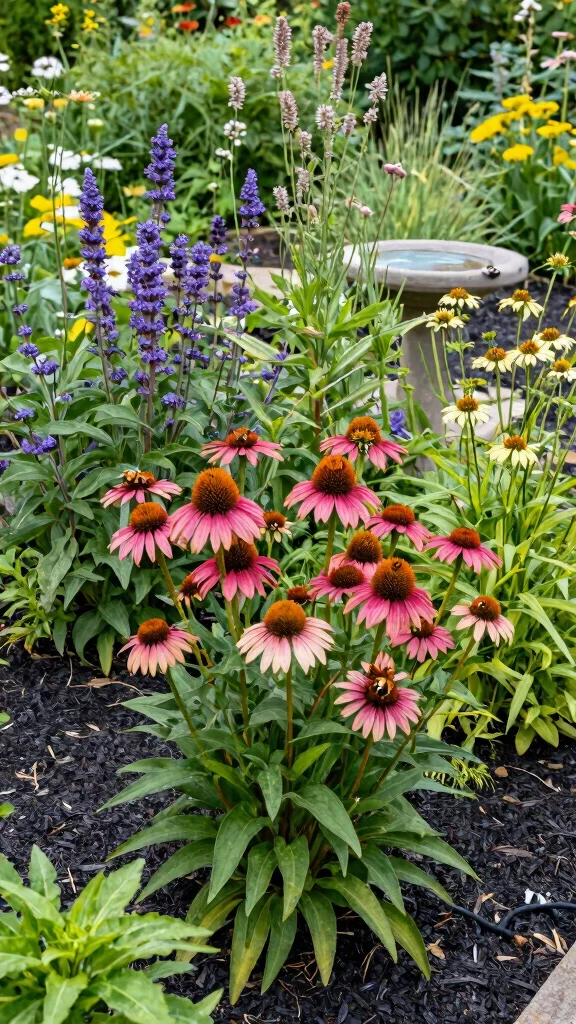
Do you want to support local ecosystems while beautifying your garden? A pollinator garden with black mulch is the perfect solution. The dark mulch not only retains moisture and suppresses weeds but also creates an ideal environment for nurturing plants that attract bees and butterflies.
Start by incorporating native plants that thrive in your area, such as coneflowers and bee balm. Mixing different plant heights creates habitat layers that appeal to various pollinators. Adding a small birdbath can enhance the ambiance and draw even more pollinators to your garden.
Steps to create a thriving pollinator garden:
– Use native plants like coneflowers and asters to attract wildlife.
– Mix tall and short plants for diverse habitats.
– Add a water source for additional pollinator attraction.
Your garden will not only look vibrant but also buzz with life, creating a delightful space for both plants and pollinators.
Fun fact: dark mulch can retain up to 30% more soil moisture and suppress weeds, giving pollinator-friendly beds a longer bloom window. Try black mulch landscaping ideas that mix coneflowers and bee balm for a thriving, butterfly-friendly garden.
Sustainable Pollinator Gardens
Editor’s Choice

VIVOHOME Bird Bath for Outside, Polyresin Pedestal Bird Baths for Outdoo…

Seed Needs Panorama Mixed Bee Balm Seeds for Planting – Heirloom & Open …
Back to the Roots 25.7qt (1 Cubic ft) Organic Premium Mulch
3. Vegetable Gardens Enhanced with Black Mulch

Want to maximize your vegetable garden’s potential? Black mulch can do wonders for your plants. It offers a tidy appearance while trapping heat in the soil, helping to extend your growing season. This dark mulch regulates soil temperature and suppresses weeds, giving your veggies the best chance to thrive.
When planning your layout, think about pairing bold leafy greens like kale with deep purple eggplants for a striking look. Arrange your plants in raised beds bordered by black mulch to create clear sections. Regularly refreshing the mulch keeps your garden looking neat and healthy.
Key considerations for a successful vegetable garden:
– Pair vibrant veggies with black mulch for contrast.
– Use raised beds for defined planting areas.
– Keep mulch fresh for a tidy garden appearance.
This approach not only enhances your garden’s beauty but also promotes healthier, more productive plants.
Fun fact: Black mulch landscaping ideas can raise soil temperatures by 4–6°F (2–3°C) in early spring, extending your growing season. This helps weeds stay down and veggies like kale and purple eggplants thrive in raised beds.
📹 Related Video: Best Mulch for Vegetable Gardens – And How To Apply It Correctly.
Vegetable Gardens Enhanced with Black Mulch
Editor’s Choice

Winisok Weed Barrier Landscape Fabric Heavy Duty, 3FT x 100FT Thicken Ga…

Yaheetech 8×2ft Wooden Horticulture Raised Garden Bed Divisible Elevate…
4. Accent Pathways with Black Mulch

Looking to elevate your garden pathways? Incorporating black mulch can create a stunning visual effect that enhances your overall design. It provides a clean, polished look while also making maintenance easier. Plus, the dark mulch helps define your space, drawing attention to the flowers and plants alongside.
For a sophisticated design, consider combining black mulch with stones or pavers. Crafting gently curved paths can soften the overall appearance and invite exploration. Using edging materials will help keep the mulch neatly contained within the pathway.
Design ideas for beautiful pathways:
– Combine black mulch with stones or pavers for elegance.
– Create gentle curves in your pathways for a welcoming feel.
– Use edging to keep mulch from spilling into flower beds.
This strategy not only enhances your landscape but also makes your garden more inviting and enjoyable.
Accent Pathways with Black Mulch
Editor’s Choice
Back to the Roots 25.7qt (1 Cubic ft) Organic Premium Mulch

EasyFlex No-Dig Landscape Edging with Anchoring Spikes, 2.7 in Tall Deco…

Virekm River Rocks, Decorative Ornamental Pebbles,Garden Landscaping Sto…
5. Create a Colorful Container Garden

Want to brighten up your patio or deck? Container gardening with black mulch is a fantastic way to introduce color and vibrancy to your outdoor spaces. Using pots filled with bright flowers against the dark mulch creates a lively contrast that instantly attracts the eye.
Start by selecting pots of various sizes to create a visually appealing arrangement. Opt for colorful flowers like geraniums or petunias to fill the containers. Adding a layer of black mulch on top of the soil not only retains moisture but also provides a cohesive look throughout your garden.
Steps to create a colorful container garden:
– Mix pot sizes for visual interest.
– Choose vibrant flowers like geraniums and lobelias.
– Top with black mulch to retain moisture and unify the look.
This method enhances the beauty of your spaces while giving you the flexibility to rearrange plants as needed.
You might also like


Create a Colorful Container Garden
Editor’s Choice

15″ Large Flower Pots, Set of 2 Plastic Planters for Outdoor Indoor Plan…
Scotts Nature Scapes Color Enhanced Mulch Classic Black – Wood Shredded …
6. Edible Flower Gardens with Black Mulch

Do you want a garden that’s as functional as it is beautiful? Edible flower gardens thrive with black mulch, creating an attractive space that offers delicious blooms for your culinary creations. Flowers like nasturtiums and pansies bring vibrant colors that pop against the dark mulch, making your garden visually appealing.
When planning your edible garden, focus on choosing blooms that are safe to eat. Arrange plants in rows or clusters for easy access when harvesting. Adding herbs like basil can enhance both the visual appeal and flavor of your dishes.
Tips for a thriving edible flower garden:
– Select edible flowers such as calendula and nasturtiums.
– Arrange plants for easy harvesting access.
– Pair with herbs like basil for added beauty and flavor.
This unique gardening style creates an inviting space that enhances your meals with fresh flavors.
How To Choose The Right Black Mulch For Your Garden
When it comes to enhancing your garden with black mulch, selecting the right type is crucial. The right mulch can improve your plant’s health while making colors pop. Here are some essential criteria to consider when choosing black mulch for your landscaping project.
1. Material Type
Different materials serve various purposes. You can find black mulch made from wood chips, rubber, or even recycled materials. Wood chips are organic and decompose over time, enriching your soil. Rubber mulch, on the other hand, is long-lasting and doesn’t break down, making it ideal for low-maintenance gardens. Choose based on whether you prefer a natural or synthetic option.
2. Size and Texture
The size of mulch pieces can affect water retention and aesthetics. Finer mulch pieces can hold more moisture but may break down faster. Larger chunks provide good coverage and last longer but may let weeds through. Consider how you want your garden to look and how much maintenance you’re ready for.
3. Thickness
Applying the right thickness is vital for effectiveness. A layer of about 2 to 4 inches is usually recommended. Thicker layers may prevent water from reaching the soil, while thinner layers won’t suppress weeds effectively. Measure carefully to ensure you apply enough but not too much.
4. Color Consistency
Not all black mulch looks the same. Some may have a more matte finish, while others shine. Check the color consistency in-person, as some products can fade over time. A rich, deep black will make flowers and plants stand out beautifully.
5. Price
Cost can vary widely depending on material and brand. Set a budget before you start shopping. Remember to factor in the area you need to cover; a larger garden will require more mulch. Don’t forget to compare prices from local suppliers or online retailers to find the best deal.
6. Organic vs. Non-Organic
If you’re gardening sustainably, consider organic mulch. Organic options, like shredded bark, are better for the environment and improve soil quality as they decompose. Non-organic options like rubber may be durable but won’t contribute to soil health. Think about the long-term impact on your garden.
Pro Tip: Always consider your garden’s specific needs. If you have young plants or sensitive flowers, opt for softer, organic mulches to avoid potential damage. Take time to research and choose wisely for a thriving garden!
Edible Flower Gardens with Black Mulch
Editor’s Choice

Organo Republic 20 Edible Flower Seeds Variety Pack- Indoor/Outdoor. 700…

7. Ground Cover Plants on Black Mulch

Want to create a lush, green look in your garden? Ground cover plants combined with black mulch offer a beautiful carpet-like effect. These low-growing plants not only suppress weeds but also thrive in the shade of taller plants, resulting in a harmonious garden appearance.
Select a variety of ground covers like creeping thyme or ajuga to mix textures and colors. Be mindful of sunlight when placing taller plants to ensure your ground covers receive the right amount of shade. Maintaining spacing between plants is crucial for healthy growth and preventing overcrowding.
Implementation tips for ground cover gardens:
– Choose diverse ground covers for variety.
– Plan plant placements based on sunlight needs.
– Maintain spacing for healthy growth.
This technique transforms your garden’s depth and visual interest while promoting a sustainable environment.
Ground Cover Plants on Black Mulch
Editor’s Choice

Clovers Garden Ajuga Burgundy Glow (Bugleweed) Plants – Two (2) Live P…

HealthiStraw GardenStraw, 3 cu ft (20 lbs) All-Natural Mulch for Gardens…

Alyssum Seeds for Planting – Sweet Royal Carpet Purple Variety – Fragran…
8. Seasonal Gardens with Black Mulch

Do you want a garden that changes with the seasons? Using black mulch as a base allows for seamless transitions between spring blooms and autumn foliage. It provides a consistent backdrop that highlights seasonal plants beautifully.
Plan your garden by selecting flowers that bloom at different times of the year to maintain continual interest. Layering black mulch beneath bulbs and perennials adds a polished look throughout the seasons. Don’t forget to incorporate seasonal decorations like pumpkins or fairy lights for extra flair.
Key strategies for a dynamic seasonal garden:
– Plan for seasonal rotations with diverse plants.
– Layer black mulch for year-round elegance.
– Incorporate seasonal decorations for added charm.
This approach keeps your garden visually engaging and fresh all year long.
You Might Also Like

Seasonal Gardens with Black Mulch
Editor’s Choice

Complete Flower Bulb Garden – 75 Bulbs for 50 Days of Continuous Blooms …

Rose Seeds for Planting, 100 Piece Heirloom Garden Perennial Flower Coll…
Scotts Nature Scapes Color Enhanced Mulch Classic Black – Wood Shredded …
9. Xeriscaping with Black Mulch

Living in a dry area? Xeriscaping is a sustainable landscaping option that pairs beautifully with black mulch. This method conserves water while creating a striking visual impact. Black mulch helps retain moisture and reduce evaporation, making it perfect for drought-resistant gardens.
Select drought-resistant plants like succulents and ornamental grasses to thrive in arid conditions. Create interesting shapes and arrangements to enhance visual appeal. Incorporating natural stones alongside black mulch adds texture and depth to your landscape.
Elements to consider for successful xeriscaping:
– Choose drought-resistant plants for resilience.
– Design with curves and shapes for interest.
– Add rocks for texture alongside black mulch.
This approach not only looks stunning but also promotes responsible water conservation.
Xeriscaping with Black Mulch
Editor’s Choice

Bits and Pieces – Stepping Stones Outdoor Walkway – 12″ River Rock Lands…

Dry Climate Gardening: Growing beautiful, sustainable gardens in low-wat…

Dewitt Garden Weed Barrier Natural Paper Mulch, Black, 3 x 300 Feet – …
10. Decorative Borders with Black Mulch

Looking to add sophistication to your garden? Decorative borders featuring black mulch can enhance your overall landscape design. Borders help define spaces and create a cohesive look, elevating your garden’s aesthetic.
Consider using natural stones or wood for your borders, filling them with black mulch for a clean finish. Opt for rounded edges instead of sharp lines to create a more organic feel. Layering flowers or plants alongside the borders adds vertical interest and beauty.
Design ideas for stunning borders:
– Use natural materials for an elegant touch.
– Incorporate curves for a softer appearance.
– Layer plants for added visual interest.
This technique creates a polished and well-thought-out garden, drawing the eye while framing the beauty of your plants.
Decorative borders with black mulch are the secret to a cohesive garden. Start with natural stones or wood edging, use rounded edges, and tuck a few layered blooms alongside for instant depth and pollinator-friendly appeal. It’s a simple, high-impact move in black mulch landscaping ideas.
Decorative Borders with Black Mulch
Editor’s Choice
Back to the Roots 25.7qt (1 Cubic ft) Organic Premium Mulch

Wooden Garden Edging – 13.1ft x 11.8in Pine Landscape Border, Flexible W…
EasyFlex No-Dig Landscape Edging with Anchoring Spikes, 2.7 in Tall Deco…
Conclusion

Incorporating black mulch into your gardening projects not only enhances the visual appeal of your plants and flowers but also promotes healthier growth and sustainability. By using these ten ideas, you can create stunning environments that support both beauty and biodiversity.
As you plan your garden, remember that the right balance of design, color, and thoughtful layout will create a space that invites admiration. Start experimenting with these black mulch landscaping ideas today!
Note: We aim to provide accurate product links, but some may occasionally expire or become unavailable. If this happens, please search directly on Amazon for the product or a suitable alternative.
This post contains Amazon affiliate links, meaning we may earn a small commission if you purchase through our links, at no extra cost to you.
Frequently Asked Questions
What are the key black mulch benefits for landscaping with black mulch in pollinator gardens?
Black mulch helps suppress weeds, retain soil moisture, and moderate soil temperature, which supports healthier plants and fuller blooms in pollinator gardens.
It also creates a dramatic color contrast that makes flowers pop and helps pollinators locate nectar sources more easily. For sustainability, choose mulch that’s locally sourced or natural (avoid harsh, toxic dyes when possible), apply a 2-3 inch layer, and keep mulch several inches away from stems to prevent rot. Refresh mulch annually to maintain its benefits and curb weed growth.
In short, these black mulch benefits translate into less weeding, better soil health, and more vibrant beds.
How can I use black mulch landscaping ideas to enhance flower bed design and plant color contrast?
Treat black mulch as a dark canvas. Start with a 2-3 inch mulch depth to keep roots cool and moisture steady.
Choose a color palette that makes blooms stand out—warm colors (yellow, orange, pink) glow against black, while cool purples and blues gain depth. Create repeated color blocks or curved bed outlines to guide the eye, and edge the borders for a polished look. Pair flowering perennials like coreopsis, salvia, and echinacea with dark mulch to maximize flower bed enhancement and pollinator appeal. Remember to avoid piling mulch against stems and to adjust colors seasonally for ongoing impact.
Is black mulch sustainable for pollinator gardens, and are there safer options than dyed mulch?
Yes, you can keep it sustainable. If you’re concerned about dyes, choose natural dark mulch such as aged hardwood or pine bark that looks black without synthetic pigments. If you opt for dyed mulch, pick non-toxic, low-odor dyes and apply only as needed. In pollinator gardens, the color of mulch itself doesn’t attract bees or butterflies—it’s the nectar-rich blooms that matter, so focus on plant selection, not mulch color. Practical tips: source mulch locally to reduce transport emissions, apply a 2-3 inch layer, and refresh yearly to prevent weed intrusion while keeping soil healthy and hydrated for thirsty pollinator plants.
What are practical guidelines for landscaping with black mulch around a pollinator-friendly garden?
Start with a clean bed and plan your layout to use black mulch as a backstage backdrop for bright blooms. Keep mulch 2-3 inches deep and away from crown of plants to prevent rot. Use edging to contain mulch and define paths, then refresh color and texture annually. Mulch helps conserve soil moisture and reduce weeds, which means less maintenance for a busy pollinator garden. For accessibility, lay paths around beds so you can easily check moisture and plant health. Finally, pair mulch with a mix of nectar-rich flowers and native perennials to boost pollinator visits and garden design ideas.
Which plant color combos work best with black mulch landscaping ideas to make flowers pop?
Think of black mulch as a stage for color. Warm-toned blooms like yellow coreopsis, orange daylilies, or red salvias pop brilliantly against dark mulch, while cool tones like purple coneflower, blue salvia, and white phlox create striking contrasts. For pollinator gardens, group blooms in clusters to guide butterflies and bees, then repeat color accents along borders for cohesive design ideas. Pair high-contrast combos with a few evergreen accents to keep the bed lively year-round, and remember to maintain a 2-3 inch mulch layer to keep that color pop consistent.
Related Topics
black mulch gardening
sustainable landscaping
pollinator gardens
plant color contrast
flower bed enhancement
garden design ideas
landscaping techniques
easy gardening tips
beginner friendly
seasonal gardening
black mulch benefits