
Transforming your backyard can feel overwhelming, especially with so many options available. This summer, I found myself daydreaming about creating a stunning outdoor space that feels like a slice of paradise. If you’re like many who yearn for a cozy retreat right outside your door, this post is just for you. I want to share some incredible ideas that can breathe new life into your yard and make it the perfect spot for relaxation, gardening, and gathering with loved ones.
Whether you’re an experienced gardener or just starting out, these ideas focus on sustainable edible landscaping. You’ll discover how to turn any outdoor space into your favorite place to be. With just a few creative touches, you can create a backyard that’s not only beautiful but also practical and edible. Let’s dive into these eight inspiring landscaping ideas that will make your outdoor space feel inviting and enjoyable for everyone.
Key Takeaways
– Raised Garden Beds: Create fresh vegetable gardens that are easy to maintain and add height to your yard.
– Edible Flower Borders: Incorporate colorful, edible flowers that attract pollinators while providing delicious additions to your meals.
– Fruit Trees for Shade: Planting fruit trees offers natural shade while producing fruit, making your yard both functional and lush.
– Vertical Gardens: Use walls and fences for vertical gardens, especially useful in small spaces to maximize your planting area.
– Water Features: Add calming elements like fountains or ponds to enhance the serenity of your outdoor living spaces.
1. Raised Garden Beds for Fresh Vegetables

Ever thought about how rewarding it is to grow your own vegetables? Raised garden beds are a fantastic way to make gardening easier and more productive. They allow for better soil control, making it simpler to create the perfect environment for your plants. Plus, they’re accessible for everyone, even those with mobility challenges. You can also tailor the design to fit your yard’s style and size!
Here are some tips for creating your raised garden beds:
– Use untreated wood to avoid harsh chemicals.
– Opt for a mix of compost and topsoil for nutrient-rich planting.
– Ensure your beds get at least 6-8 hours of sunlight.
– Consider adding a trellis for climbing plants like beans and peas.
With raised beds, you can easily grow vibrant tomatoes, crunchy cucumbers, leafy greens, and fragrant herbs, transforming your backyard into a productive oasis.
Fun fact: raised garden beds warm soil 1–2 weeks earlier in spring, so you can start planting sooner. For best results, use untreated wood and tailor the soil mix to your veggies, turning your backyard landscaping into a productive, low-effort oasis.
Raised Garden Beds for Fresh Vegetables
Editor’s Choice

Espoma Organic Raised Bed Mix – All Natural and Organic Potting Soil Mix…


zunatu 10x2x1ft(2 Pack) Galvanized Raised Garden Bed,Outdoor Planter Box…

Back to the Roots Heirloom Organic, Non-GMO & USA Grown Seeds, 30ct Herb…
2. Edible Flower Borders

Have you ever considered that flowers can be more than just pretty? Edible flowers can brighten up your meals and add unique flavors to your dishes. Picture yourself wandering through your garden, plucking colorful nasturtiums or pansies to sprinkle on a fresh salad. These beautiful blooms not only delight the eyes but also attract pollinators, enhancing your garden’s ecosystem.
Here are some must-try edible flowers:
– Nasturtiums: Bright and peppery, perfect for salads.
– Marigolds: Their petals can serve as a saffron substitute.
– Violets: Sweet and fragrant, ideal for garnishing desserts.
Planting these edible beauties along your garden borders will create a vibrant landscape while encouraging biodiversity, making your cooking experience more engaging and delicious!
Edible Flower Borders
Editor’s Choice

Seed Needs Edible Wildflower Seed Packet Collection (7 Varieties of Flow…

Miracle-Gro Water Soluble All Purpose Plant Food – Fertilizer For All In…
3. Fruit Trees for Natural Shade

Do you dream of a backyard filled with shade and delicious fruits? Planting fruit trees is an excellent way to achieve both beauty and functionality in your outdoor space. Imagine sitting beneath the blossoms of an apple or peach tree, enjoying a slice of pie made from your very own harvest. The lush greenery and tasty fruits make your backyard not just a place to relax, but a source of joy.
Here’s how to make the most of your fruit trees:
– Choose dwarf varieties if space is limited.
– Plant in groups for better pollination and fruit yield.
– Ensure proper pruning for healthier growth.
These trees will provide shade and enhance your outdoor enjoyment, turning your backyard into a natural sanctuary where you can gather fresh produce right from your garden.
📹 Related Video: Is it OK to Plant Fruit Trees in SHADE?! (Plus Pruning Example) W/ Tree Expert Tom Spellman
Fruit Trees for Natural Shade
Editor’s Choice

Apple, Plum & Pear Trees (3-Pack) – Dwarf Fruit Trees, Easy Grow Backy…

Fiskars Bypass Pruning Shears, 5/8″ Cut Capacity Gardening Scissors, Sel…

Dr. Earth Natural Wonder Fruit Tree Fertilizer 4 lb
4. Vertical Gardens for Limited Spaces

Are you struggling with limited outdoor space? Vertical gardens are a smart solution that not only beautifies your walls but also maximizes your growing area. By using trellises, wall-mounted planters, or repurposed pallets, you can create stunning green walls that catch the eye and save space.
Here are some ideas for your vertical garden:
– Use herbs like basil, mint, or cilantro, which thrive in small areas.
– Incorporate ornamental plants like ferns or climbing vines for extra texture.
– Ensure ample sunlight by placing them near windows or outdoor light sources.
Vertical gardens can turn a plain wall into a lush tapestry, making it a striking focal point in your outdoor decor while providing easy access to your favorite cooking herbs!
Backyard Landscaping can feel cramped, but Vertical Gardens prove space is a feature, not a limit. With trellises and wall-mounted planters, you grow herbs like basil and cilantro upward, turning every wall into a productive, green sanctuary.
You might also like


How To Choose Backyard Landscaping Ideas
Choosing the right backyard landscaping ideas can completely change your outdoor space. Whether you want a vibrant garden or a relaxing retreat, the right choices will enhance your enjoyment of the area. Here are some key points to consider as you plan your backyard oasis.
1. Assess Your Space
Before diving into landscaping, measure your yard’s dimensions. Consider sunlight exposure and existing features, like trees or patios. This will help you determine what type of plants and designs will thrive. Use a tape measure to get accurate dimensions and sketch a rough layout.
2. Define Your Purpose
Think about how you want to use your backyard. Are you looking to create a space for entertaining, gardening, or relaxing? This will guide your design choices. If you enjoy cooking, consider incorporating raised garden beds for fresh vegetables or an herb spiral for easy access to culinary herbs.
3. Choose Sustainable Materials
Select materials that are eco-friendly and durable. Options like recycled wood, stone, or natural mulch can enhance your garden’s sustainability. Check for local suppliers who provide materials that fit your design and budget. Sustainable materials not only help the environment but also add character to your outdoor space.
4. Plan for Maintenance
Consider how much time you are willing to dedicate to upkeep. Some plants require more care than others. If you prefer low-maintenance options, choose native plants or drought-resistant varieties. This will save you time and water while keeping your garden looking great.
5. Incorporate Edible Plants
Adding edible plants not only beautifies your space but also provides fresh produce. Think about including fruit trees, berry bushes, or edible flower borders. These can create a visually appealing layout while supplying you with homegrown delights. A little planning goes a long way in making your garden both beautiful and functional.
6. Consider Seasonal Changes
Choose plants that offer year-round interest. Look for a mix of evergreens, flowering plants, and seasonal vegetables. This variety will ensure your garden looks great in every season. Research what blooms at different times of the year to keep your landscape vibrant and engaging.
Pro Tip: Start small and gradually expand your landscaping as you gain confidence. Try one or two new ideas each season. This will prevent you from feeling overwhelmed and allow you to see what works best in your space.
By keeping these tips in mind, you can create a backyard that not only meets your needs but also reflects your style. Happy gardening!
Vertical Gardens for Limited Spaces
Editor’s Choice
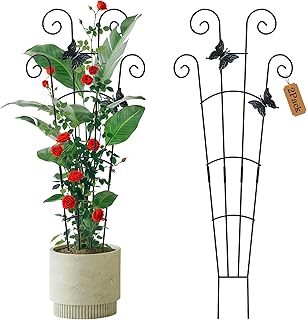
2 Pack 30 Inch Taller Plant Trellis for Potted Climbing Plants Indoor,Ex…

Wall Hanging Planters for Outdoor Plants 16 Inch Large Metal Fence Pots …
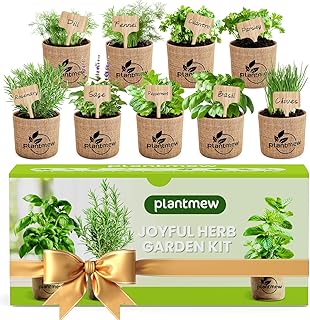
Gift for Women, Mom, Her – 9 Herb Indoor Window Garden Kit | Complete …
5. Cozy Nooks with Outdoor Furniture

Looking to create a cozy retreat in your backyard? Establishing inviting nooks can transform your outdoor living experience. A comfortable seating area surrounded by nature is perfect for unwinding with a book or sipping lemonade. With the right outdoor furniture, your backyard can feel like an extension of your home.
Here are some ideas to create your cozy nook:
– Use natural materials like wood and wicker for warmth.
– Add cushions and throws for comfort; choose weather-resistant fabrics.
– Incorporate nearby plants for added privacy and tranquility.
Consider placing your seating under a pergola or tree for shade, creating a mini-retreat that invites relaxation and gatherings with friends and family.
Fun fact: adding a cozy outdoor nook with weather-resistant cushions can boost your outdoor time by 30% on weekends. Choose natural materials and warm textiles to maximize the effect in backyard landscaping.
Cozy Nooks with Outdoor Furniture
Editor’s Choice

Yaheetech Patio Loveseat, Outdoor Wicker Double Chair w/Side Table, PE R…

MIULEE Pack of 2 Decorative Outdoor Solid Waterproof Throw Pillow Covers…

Outdoor Side Table – Small Patio End Table All Weather, Patio Furniture …
6. Pathways that Invite Exploration
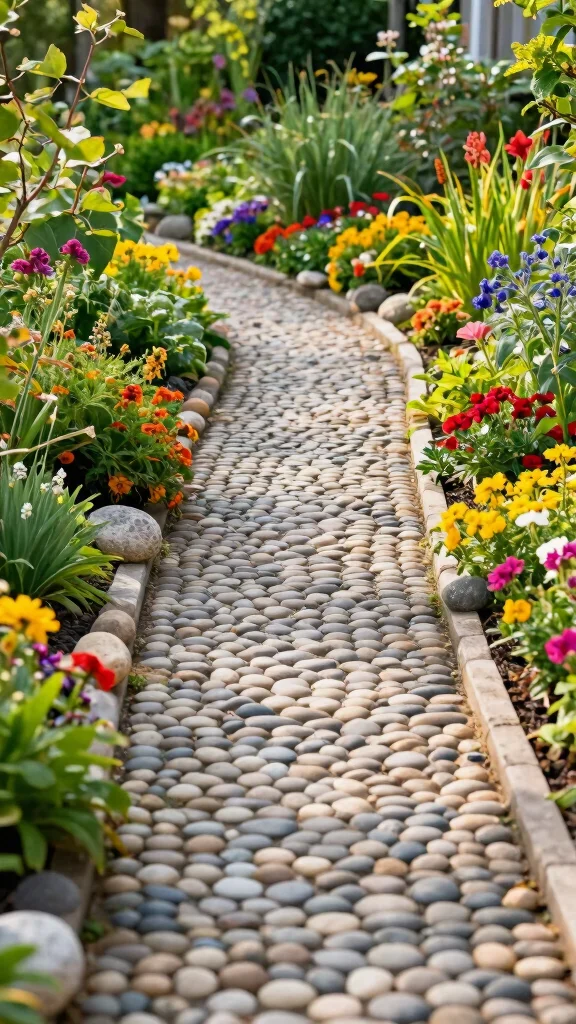
Want to guide your guests through an enchanting garden adventure? Creating pathways can enhance the beauty and functionality of your outdoor space. Whether you choose gravel, stepping stones, or wooden planks, pathways can beautifully connect different areas of your garden.
Consider these ideas for your garden pathways:
– Mix different materials for a textured appearance.
– Use native plants along the paths to promote biodiversity.
– Ensure pathways are wide enough for easy access.
Edging your pathways with low-growing plants or flowers adds charm, turning a simple stroll into a delightful experience through your vibrant outdoor space.
Pathways that Invite Exploration
Editor’s Choice

Plow & Hearth 4′ Curved Outdoor Wooden Pathway | 18″ Wide Rollout Outdoo…

40 LBS Grey Pea Gravel – Landscape Rocks – Drainage Rock – Gardening – A…

Spoontiques – Garden Décor – Scatter Kindness Stepping Stone – Decorati…
7. Herb Spiral for Culinary Delights
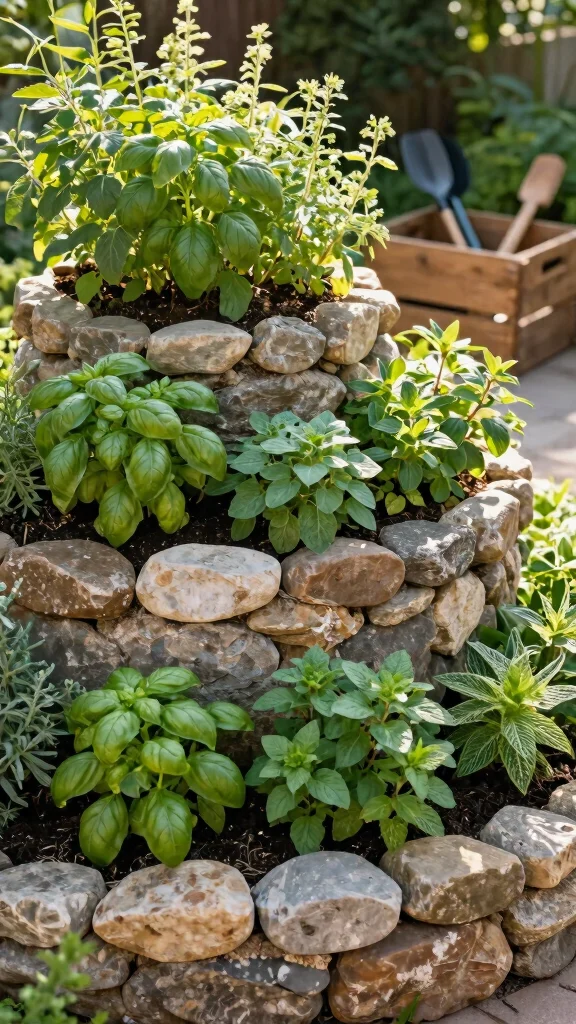
Are you passionate about cooking with fresh herbs? An herb spiral is a stunning way to combine beauty with sustainability in your backyard. This vertical garden design creates microclimates, allowing you to grow various herbs in a compact area. The different heights suit herbs like rosemary, thyme, and sage perfectly.
Here’s how to create your herb spiral:
– Start with a base of larger stones to form the spiral.
– Add soil and compost as you build upwards for better drainage.
– Select herbs that thrive in varying moisture levels around the spiral.
Not only does it look beautiful, but it also makes culinary exploration easier, inspiring you to cook more creatively with fresh flavors right at your fingertips.
You Might Also Like


Herb Spiral for Culinary Delights
Editor’s Choice
Gift for Women, Mom, Her – 9 Herb Indoor Window Garden Kit | Complete …

FANTIAN 20 lbs Large River Rocks for Outdoor Landscaping, 3-4 Inch Decor…

R&M Organics Premium Organic Compost 10 lb Bag for Vegetables, Flowers, …
8. Water Features for Serenity
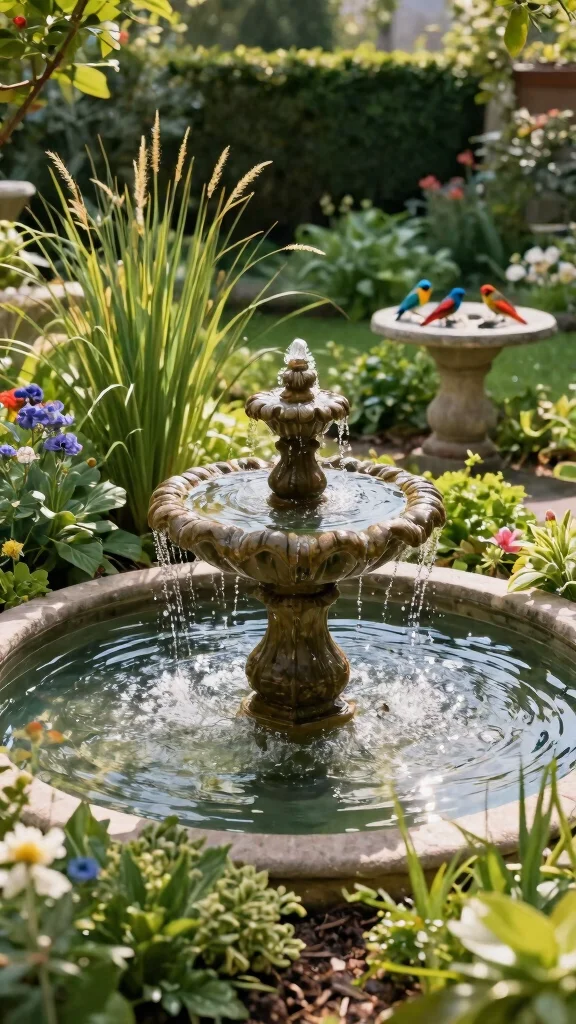
Seeking a peaceful atmosphere in your backyard? Adding a water feature is one of the best ways to achieve serenity. The soothing sound of trickling water can calm your spirit and attract wildlife like birds and butterflies. Whether you choose a small fountain, pond, or birdbath, water features can beautifully enhance your outdoor space.
Consider these tips for adding a water feature:
– Select a size that fits your yard; compact fountains work well in smaller spaces.
– Surround the area with native plants to create a natural habitat.
– Regularly maintain the water source to keep it clean and inviting.
Your backyard will become a tranquil retreat, allowing you to enjoy the calming effects of nature right at home.
Water Features for Serenity
Editor’s Choice

Summit Clear-Water Barley Straw Pond Treatment, 2-Pack, Treats upto 2000…

Metal Bird Bath for Outside Garden Birdbath Bowl, 42.1″ Height Bird Feed…

Alpine Corporation WCT726 | 16″H Indoor/Outdoor Tabletop Tiered Pouring …
Conclusion

By incorporating these sustainable edible landscaping ideas, your backyard can become a vibrant retreat filled with life and delicious harvests. Each element adds charm while improving the functionality of your space. Embrace your creativity and let your backyard reflect your style and values.
With a little planning and love, you can turn any outdoor area into your favorite place to relax, unwind, and savor the beauty of nature.
Note: We aim to provide accurate product links, but some may occasionally expire or become unavailable. If this happens, please search directly on Amazon for the product or a suitable alternative.
This post contains Amazon affiliate links, meaning we may earn a small commission if you purchase through our links, at no extra cost to you.
Frequently Asked Questions
What are sustainable, edible landscaping ideas to turn my backyard into a productive space?
Turn your yard into a productive oasis by blending edible plants with thoughtful design. Try raised beds or deep containers for flexible backyard landscaping, and plant herbs, leafy greens, compact tomatoes, and small fruiting varieties that suit your climate. Collect rainwater and use a simple drip irrigation plan to conserve water, while mulching to protect soil and reduce weeds. Create a pollinator-friendly border with native flowers to support biodiversity and extend your outdoor living spaces. This garden transformation stays practical, tasty, and enjoyable year-round.
How can I design an outdoor living space that blends garden transformation with practical edible landscaping?
Imagine distinct zones: a cozy seating area, productive edible beds, and a walkway that invites exploration. Choose durable materials that age well in outdoor design, and add trellises or vertical beds to maximize growing space. Plant a pollinator-friendly border and place herbs near seating so harvests are handy during meals or relaxing. With smart landscape ideas, your backyard becomes a welcoming extension of your home—combining beauty with edible practicality in your outdoor living spaces.
Which plants are ideal for beginner-friendly edible landscaping in a compact yard?
Start with easy-to-care-for herbs like basil, thyme, and rosemary in containers, then add leafy greens (lettuce, spinach) and compact tomato varieties. Consider dwarf fruiting plants or small berry shrubs that fit sunny corners. Use vertical supports and square-foot planting to squeeze more crops into a small space, keeping your backyard landscaping approachable. Mix in a few flowering companions to attract pollinators and keep your landscape ideas lively all season.
What are budget-friendly ways to upgrade backyard decor while keeping it sustainable?
Look for reusable materials, DIY trellises, and native plants that thrive with less water. Mulch heavily to cut irrigation needs and create lush, low-maintenance beds within your backyard decor. Use modular containers and vertical planters to add height without a big price tag, a perfect way to spark fresh landscape ideas. Repurpose pallets or scrap wood for rustic seating, and add a rain barrel to support your garden transformation over time.
What maintenance schedule helps an edible backyard landscape thrive year-round?
Set a simple routine: quick weekly checks, a monthly nutrients refresh, and seasonal pruning for perennials and shrubs. Water deeply with a low-volume drip system and mulch every few months to maintain moisture and weed suppression. Practice crop rotation and succession planting so you have a steady harvest and ongoing garden transformation. Track soil health with a quick test, adjust feeding as needed, and keep paths and beds tidy to protect your outdoor living spaces from wear.
Related Topics
backyard landscaping
sustainable gardening
outdoor design
garden transformation
landscape ideas
backyard decor
outdoor living spaces
edible landscaping
beginner friendly
DIY landscaping
seasonal plants
budget landscaping