
Creating a beautiful and inviting back of house space can truly transform your home. As urban dwellers, many of us find ourselves staring at plain walls or lackluster views. This post is here to change that. With the right back of house landscaping ideas, you can create stunning visuals that not only enhance your outdoor aesthetics but also boost your curb appeal.
If you’re someone who loves gardening, home design, or simply wants to enjoy lovely views from every window, you’re in the right spot. This guide is tailored for you! I’ve gathered nine creative ideas for back of house landscaping that are stylish, sustainable, and perfect for small urban spaces. These tips will help you develop a vibrant garden layout that maximizes window views and brings a bit of nature right to your doorstep.
Get ready to explore unique solutions like vertical gardens, cozy seating areas, and even water features that add tranquility to your outdoor oasis. Each idea is designed to inspire you, making it easier for you to turn your back of house space into a picturesque retreat. Let’s jump in and discover how you can elevate your home’s appeal!
Key Takeaways
– Vertical Gardening: Utilize wall space to maximize greenery without taking up ground space, creating a lush appearance from inside your home.
– Container Gardening: Use pots and containers for easy mobility and versatile beauty, allowing you to change your layout according to the season or your mood.
– Native Plants: Choose local plants that thrive naturally in your area. They require less maintenance and provide a habitat for local wildlife.
– Cozy Seating Areas: Incorporate comfortable seating to encourage you and your guests to enjoy the stunning views your landscaping offers.
– Water Features: Add small fountains or ponds for a calming ambiance. The sound of water can enhance your outdoor experience while attracting birds and other wildlife.
1. Vertical Gardening for Maximum Impact

Transform your back wall or fence into a vibrant vertical garden. This method is ideal for smaller areas where traditional gardening space is limited. By using wall-mounted planters, trellises, or hanging pots, you can craft a colorful backdrop that breathes life into your outdoor space. The result is a stunning visual feast that enhances your home’s charm and character.
Start by selecting plants that thrive in your local climate and will flourish in vertical setups. Consider using a mix of textures and colors for a dynamic look. Don’t forget to ensure that your chosen structure can handle the weight of your plants and soil.
Key benefits of vertical gardening:
– Maximize space by utilizing vertical surfaces
– Improve air quality with natural filters
– Create a lush, inviting view from every window
This investment in vertical gardening will turn dull walls into beautiful green masterpieces that delight your senses.
How To Choose the Right Elements for Back of House Landscaping
Choosing the right elements for your back of house landscaping can transform your outdoor space into a stunning view from every window. Whether you’re working with a small urban area or a larger backyard, the right selection will improve both outdoor aesthetics and your home’s curb appeal. Here are some key criteria to consider:
1. Size of the Space
Before you start planting or placing features, measure your space. Knowing the dimensions helps you decide what will fit comfortably. For small urban spaces, consider vertical gardens or container gardening to maximize your area without feeling crowded. Large spaces can accommodate more extensive layouts like pathways or seating areas.
2. Plant Selection
Choose plants that thrive in your local climate. Native plants are a great choice for sustainable back of house landscaping. They require less water and care, and they attract local wildlife. Make sure to consider seasonal variations as well, opting for plants that will provide year-round beauty and interest.
3. Functional Features
Think about how you want to use the space. Do you need cozy seating areas for relaxing or entertaining? Would you like pathways to guide the eye throughout the garden? Incorporating functional features can enhance both the practicality and the pleasure of your outdoor space.
4. Budget
Set a clear budget before starting your landscaping project. Costs can vary greatly based on the materials, plants, and features you choose. If you’re on a tight budget, consider DIY options like building your own raised garden beds or creating pathways with stones or gravel.
5. Maintenance Requirements
Consider how much time and effort you want to devote to maintaining your landscaping. Some plants and features require more upkeep than others. If you prefer low-maintenance options, look for drought-resistant plants and avoid intricate designs that need constant care.
6. Visual Appeal
Think about how your landscaping will look from inside your home. Choose plants and features that provide beauty from every window. Layering different heights and colors can create a picturesque view. Use decorative elements like water features or sculptures to draw the eye and add interest.
Pro Tip: Take photos of your space at different times of the day to see how natural light affects the view. This can help you choose the right plants and features that will look stunning from every angle.
With these tips in mind, you can create a back of house landscape that not only enhances your outdoor experience but also elevates your home’s overall appeal. Happy gardening!
Vertical Gardening for Maximum Impact
Editor’s Choice
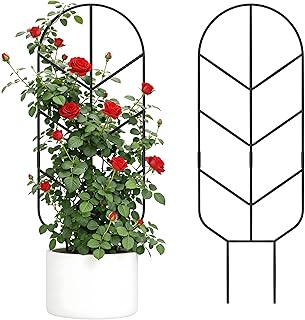
2 Pack 30” Large Metal Plant Trellis for Climbing Plants, Tall Plant Su…


Set of 2-10 Inch Hanging Planters for Indoor Plants with Self-Watering I…

Make Good PlantPod Luxe – Self-Watering Wall Planters (Set of 6) – Easy …
2. Container Gardening for Versatile Beauty
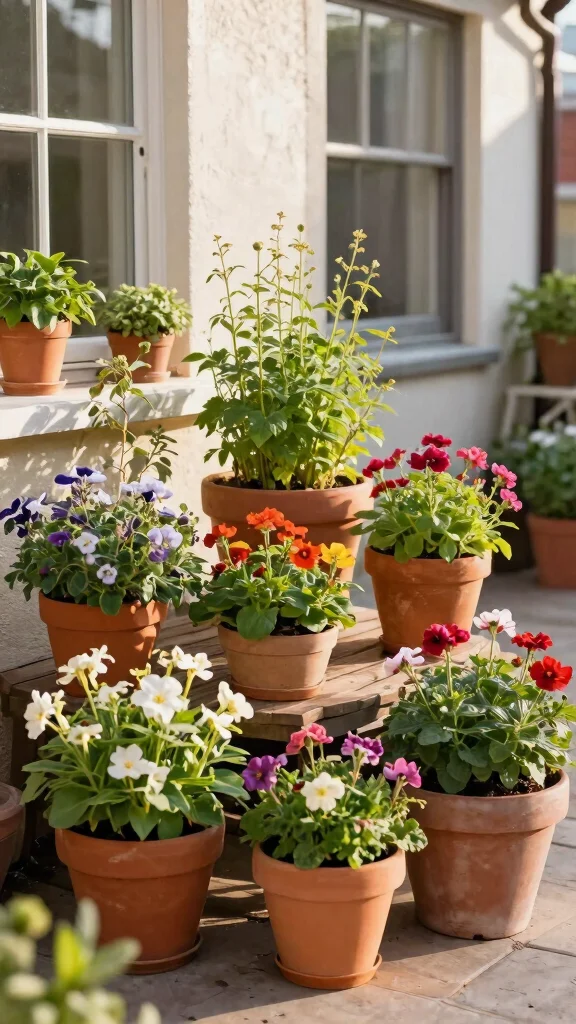
Container gardening offers endless possibilities for creativity and flexibility in your backyard. This method allows you to arrange plants without the constraints of traditional garden beds. It’s easy to change things up with the seasons, keeping your views fresh and exciting year-round. Plus, container gardens can be tailored to fit any style or space.
Begin by selecting containers that suit your aesthetic, whether they are classic clay pots or modern metal tubs. Mix and match plants to create a colorful display, and consider mobility to adjust your layout based on sunlight and weather conditions.
Benefits of container gardening:
– Simplify maintenance with manageable soil conditions
– Change plants seasonally for varied displays
– Use recycled materials for eco-friendly options
This approach not only beautifies your views but also makes gardening accessible and enjoyable, even in limited spaces.
Container Gardening for Versatile Beauty
Editor’s Choice

Miracle-Gro Organic Outdoor Potting Mix – Plant Soil for Outdoor Contain…

MOONSOUND Self Watering Globes for Plants – 10pcs Automatic Watering Bul…

1000 Pcs 4 Inch Garden Plant Labels, Plastic Nursery Tags Waterproof Pot…
3. Native Plants for Sustainable Landscaping

Incorporating native plants into your landscaping is a smart choice for both the environment and your garden’s upkeep. These plants are well-suited to your local climate, requiring less water and maintenance. Additionally, they provide essential habitats for local wildlife, creating a balanced ecosystem right in your backyard.
Research which native plants flourish in your area to ensure optimal growth. Grouping plants by their water requirements will streamline your watering routine, and arrange them in layers to maximize visibility from your windows.
Advantages of using native plants:
– Enjoy lower maintenance with drought-resistant varieties
– Attract beneficial pollinators like bees and butterflies
– Enhance visual appeal with seasonal changes in blooms
By embracing native plants, you’ll not only cultivate a stunning landscape but also promote biodiversity and sustainability in your community.
📹 Related Video: How to Replace Your Lawn with California Native Plants
Native Plants for Sustainable Landscaping
Editor’s Choice

Woody Plants of Utah: A Field Guide with Identification Keys to Native a…

MIXC 230FT Quick-Connect Drip Irrigation System Kit, Automatic Garden Wa…

Rapitest Soil Test Kit for Gardens, Vegetables, Flowers and Lawns. USA d…
4. Cozy Seating Areas to Enjoy the View

Creating inviting seating areas in your backyard can truly enhance your outdoor experience. These spaces serve as perfect spots for relaxation, social gatherings, or quiet moments surrounded by nature’s beauty. With thoughtful design, you can enjoy stunning views from every angle of your home.
Choose furniture made from natural materials, like reclaimed wood, to add an eco-friendly touch. Incorporate soft cushions and throws to create a cozy atmosphere, and position seating to face the most beautiful views of your garden.
Ideas for comfortable seating:
– Use sustainable materials like bamboo or reclaimed wood
– Add layers of cushions for comfort and warmth
– Arrange furniture to optimize your scenic views
These cozy seating areas not only boost your outdoor aesthetics but also invite you to spend more time enjoying the beauty that surrounds you.
Cozy seating makes every inch count. In small urban spaces, a reclaimed-wood bench with soft cushions turns the back of house landscaping into your personal retreat, so every window becomes a cozy view you actually want to linger with.
Cozy Seating Areas to Enjoy the View
Editor’s Choice

MIULEE Pack of 4 Decorative Outdoor Throw Pillow Covers Linen Waterproof…
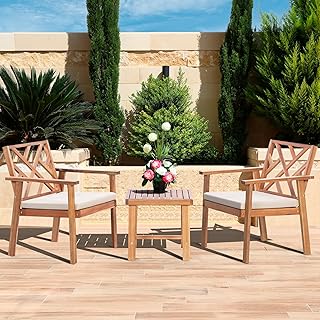
Werph 3 Piece Outdoor Patio Furniture Set, Wooden Conversation Patio Set…
5. Raised Garden Beds for Enhanced Visibility
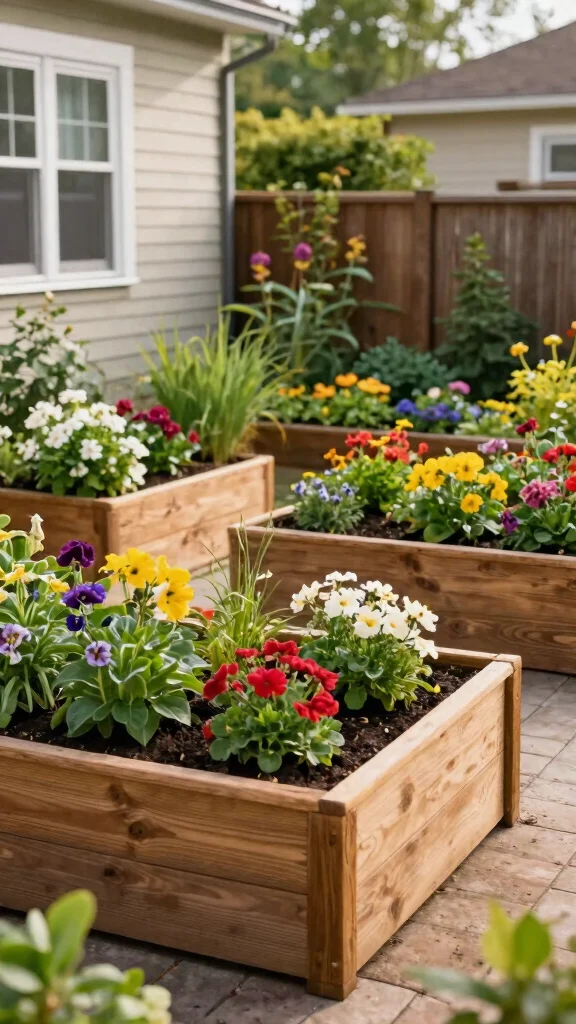
Raised garden beds are a fantastic way to elevate your gardening game while offering beautiful views from various perspectives. These beds can be crafted from sustainable materials like reclaimed wood or stone, making them both practical and visually appealing. They help define your garden layout while providing easy access for maintenance.
Choose a mix of plants to create a diverse and functional garden. Consider varying the heights of your plants to maintain visual interest and enhance what you see from your windows.
Benefits of raised garden beds:
– Improve drainage for healthier plants
– Make gardening easier with accessible heights
– Create organized lines for a polished look
By incorporating raised beds, you can cultivate a stunning garden that draws the eye and enhances the beauty of your home.
Did you know raised garden beds can reduce weed pressure by up to 60% and boost accessibility for back-of-house landscaping in small spaces? Sustainable materials like reclaimed wood not only look great but make maintenance a breeze.
You might also like
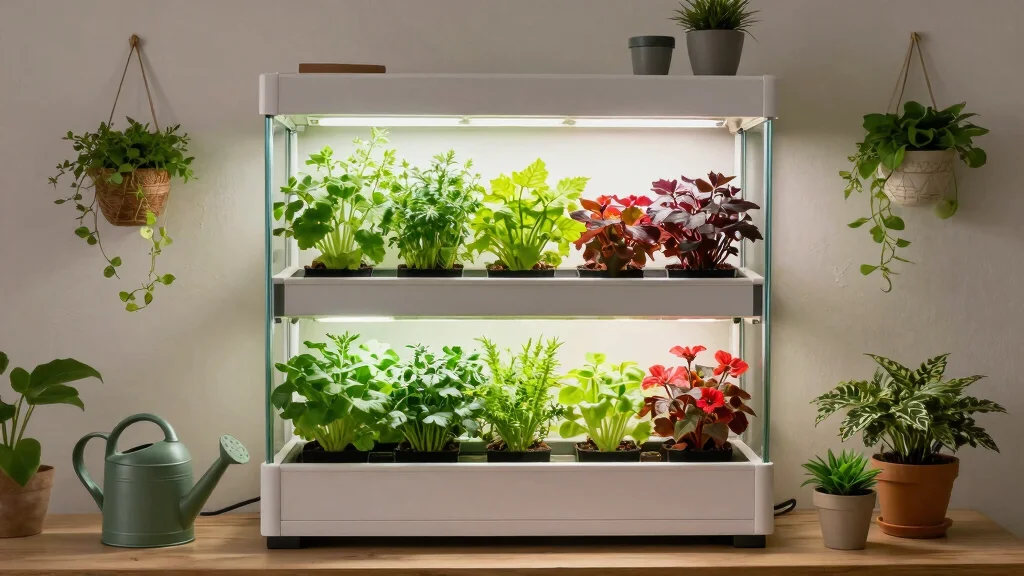
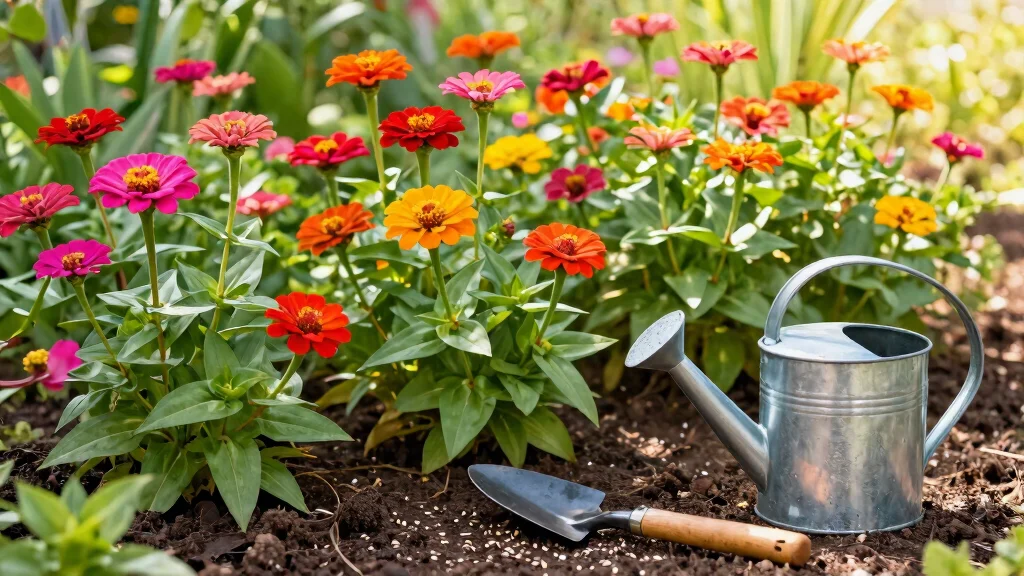
Raised Garden Beds for Enhanced Visibility
Editor’s Choice
Raised-Bed Gardening for Beginners: Your Guide to Growing Sustainability…

Espoma Organic Raised Bed Mix – All Natural and Organic Potting Soil Mix…
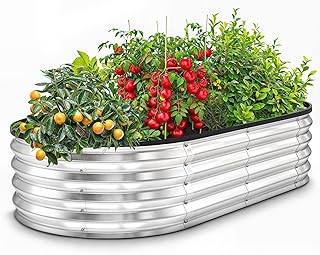
Utopia Home Galvanized Raised Garden Bed Kit 4x2x1ft, Planter Box Raised…
6. Pathways to Guide the Eye

Adding pathways to your backyard landscaping not only provides functional routes but also creates visual intrigue. Pathways guide the eye through your garden, connecting different sections and inviting exploration while enhancing the overall appeal of your outdoor space.
Select materials that fit your aesthetic, whether it’s natural stone, gravel, or even green paths with low-growing plants. Ensure pathways are wide enough for comfort and consider a curved design to create a sense of mystery.
Pathway planning tips:
– Use natural stones or pavers for a rustic feel
– Opt for gravel for easy drainage and maintenance
– Incorporate lighting to illuminate paths at night
Thoughtfully designed pathways will transform your backyard into an inviting journey, visible from every window.
Pathways to Guide the Eye
Editor’s Choice
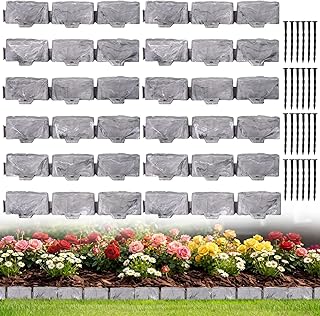
Landscape Edging Garden Edging Border Faux Stone Edging,17FT x 2.75 in T…

Mulctun 45LB Natural White Rocks, 1/4″-3/4″ Garden River Rock,Decorative…

Arcadia Garden Products Set of 4, 16×17” Dark Gray Stepping Stone Fibe…
7. Water Features for a Tranquil Ambiance

Water features bring a peaceful element to your backyard, adding a touch of serenity with the soothing sound of flowing water. These installations can transform your outdoor area into a tranquil retreat, making it a perfect escape from the hustle and bustle of everyday life.
Consider smaller options like fountains that fit into compact spaces or create a larger pond filled with aquatic plants to enhance biodiversity. Rain gardens can also creatively utilize rainwater runoff while supporting native species.
Ideas for water features:
– Install small fountains for relaxation without overwhelming the space
– Create a pond to boost local wildlife
– Design rain gardens to manage runoff and encourage biodiversity
Incorporating a water feature not only beautifies your backyard but also transforms it into a serene sanctuary where you can unwind and appreciate nature.
Water Features for a Tranquil Ambiance
Editor’s Choice

16 Outdoor Native Plants for Full Sun & Wet Ground – Includes Brown-Ey…

Alpine Corporation 35″ Tall 3-Tier Outdoor Pedestal Water Fountain – D…

POPOSOAP Pond Filter with Pump Fountain Kits, 660GPH Pond Filter with 40…
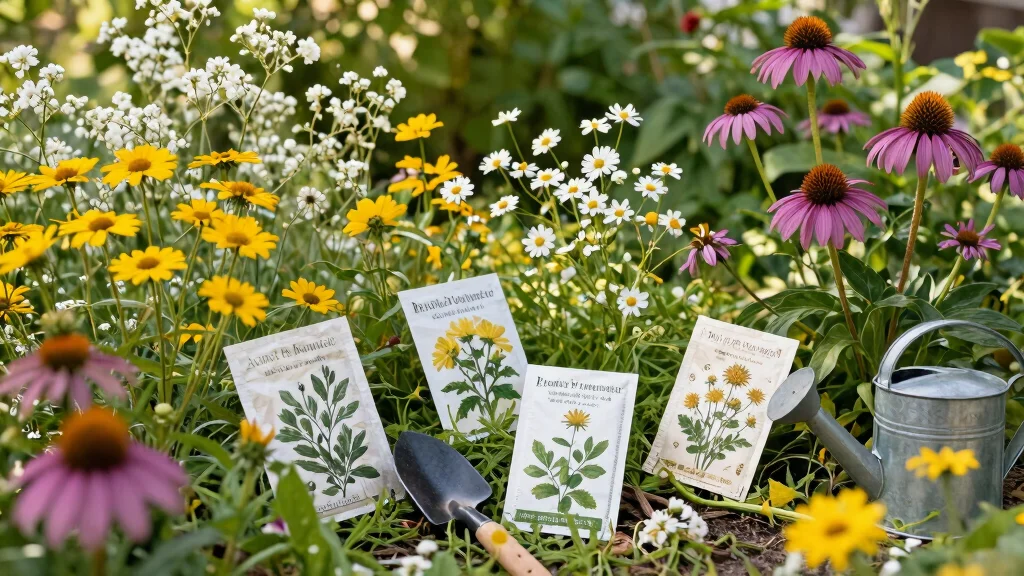
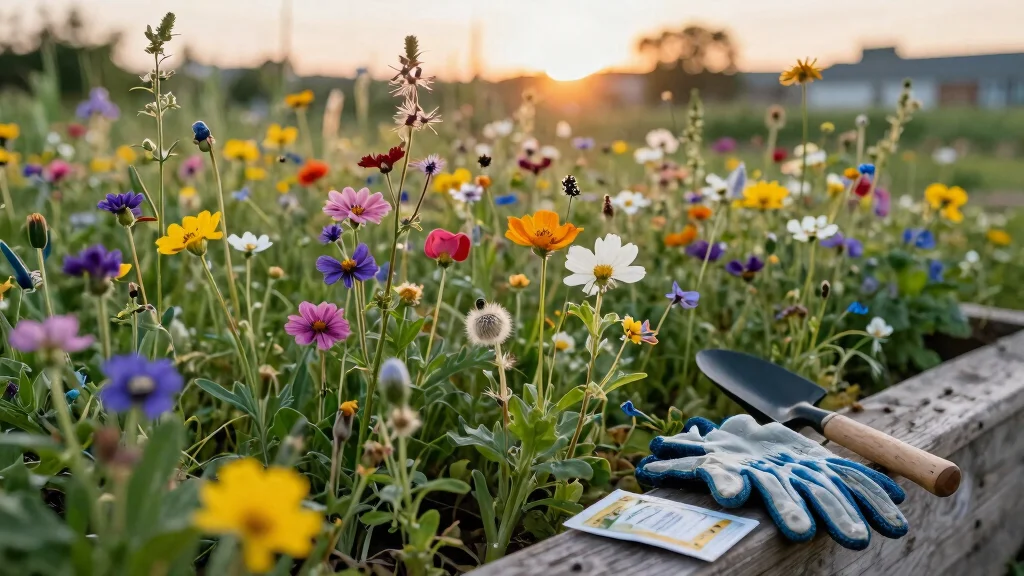
8. Seasonal Color with Flowering Plants

Flowering plants inject vibrant colors into your backyard, ensuring your space remains appealing throughout the year. By carefully selecting a variety of blooms, you can create a stunning landscape that showcases seasonal beauty and enhances your views from inside the home.
Plan your planting to include flowers that bloom at different times, ensuring continuous color. Group plants by color or height to create a cohesive and visually stunning display from your windows.
Seasonal planting ideas:
– Choose tulips and daffodils for vibrant spring colors
– Incorporate sunflowers and hydrangeas for summer flair
– Add asters and chrysanthemums for beautiful fall hues
– Use evergreens for winter interest
Making seasonal flowers a priority will turn your backyard into a dynamic canvas that evolves beautifully with each passing season.
Back of house landscaping isn’t an afterthought—it’s your secret to a view you love year-round. By planting flowering varieties that bloom at different times and grouping by color, you create continuous seasonal color that shines from every window.
You Might Also Like
Seasonal Color with Flowering Plants
Editor’s Choice


DeeCoo 3 Piece Ceramic Plant pots Indoor Pots Set with Drainage Holes, 5…

HOME GROWN Zinnia Dahlia Seeds Pack for 2026 Non GMO 524 Flower Seeds | …
9. Sustainable Practices for Eco-Friendly Landscaping

Integrating sustainable practices into your landscaping can greatly enhance your outdoor space while reducing environmental impact. This approach encompasses your plant choices and the methods you use to care for them, promoting a healthier ecosystem in your backyard.
Start with composting to enrich your soil naturally, and consider rainwater harvesting to efficiently irrigate your plants. Use organic pesticides to keep your garden healthy without harmful chemicals.
Sustainable gardening practices:
– Create compost to nourish your soil sustainably
– Install rain barrels to collect and use rainwater
– Apply organic pest control for healthier plants
By adopting these eco-friendly practices, you’ll not only create a visually appealing garden but also contribute positively to the planet, making your home a responsible and beautiful choice.
Sustainable Practices for Eco-Friendly Landscaping
Editor’s Choice

200 Gallon Collapsible Rain Barrel, Portable Rainwater Collection System…
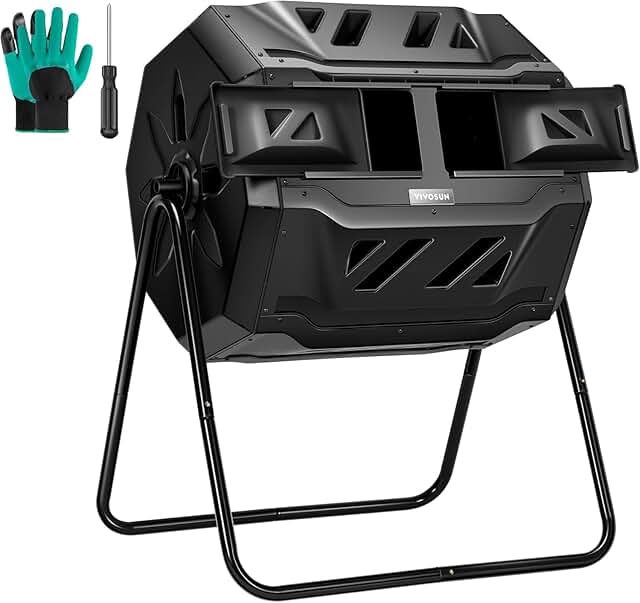
VIVOSUN Outdoor Tumbling Composter Dual Rotating Batch Compost Bin, 43 G…

Earth’s Ally 3-in-1 Plant Spray for Pests and Disease – Organic Insectic…
Conclusion
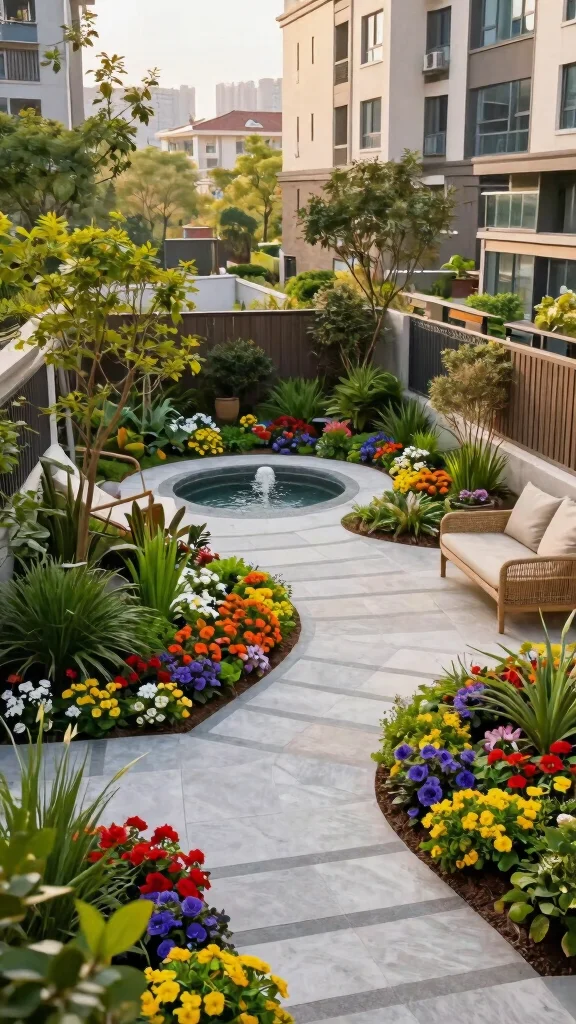
Transforming the back of your house into a stunning landscape requires creativity, sustainability, and a thoughtful approach to design. By integrating these nine ideas into your garden layout, you can enhance the view from every window, ensuring your home feels like a vibrant extension of nature. Each element not only adds to the beauty of your outdoor space but also contributes to a healthier environment.
These landscaping ideas invite you to enjoy your small urban backyard in new ways, inspiring both aesthetics and sustainability. Consider which options resonate with you and start creating your own outdoor oasis today.
Note: We aim to provide accurate product links, but some may occasionally expire or become unavailable. If this happens, please search directly on Amazon for the product or a suitable alternative.
This post contains Amazon affiliate links, meaning we may earn a small commission if you purchase through our links, at no extra cost to you.
Frequently Asked Questions
What Is Back of House Landscaping and How Can It Improve My Home’s View?
Back of House Landscaping refers to the outdoor spaces behind or along the sides of your home that are visible from windows and doors. A thoughtful setup can transform a small urban plot into a stunning view you enjoy from every room. It also boosts window views, enhances curb appeal, and adds outdoor aesthetics without taking up valuable front-yard real estate.
Start with a quick assessment: sun exposure, drainage, and any utilities. Then plan a simple garden layout with 2–3 layers (groundcover, mid-height shrubs, and a vertical element). Choose compact, low-maintenance plants and consider vertical solutions like trellises or wall-mounted planters. Finish with durable materials and lighting that highlights key features from inside. With solid landscape design thinking, you can create a breathtaking view from every window.
How Can I Integrate Sustainable Practices Into Back of House Landscaping for a Small Urban Space?
To make back of house landscaping sustainable in a small urban space, start with using native, drought‑tolerant plants that fit your sun or shade. Maximize space with compact or vertical plantings, then capture and reuse water with a rain barrel and a simple drip irrigation system.
Choose permeable paving to manage rainwater and reduce runoff, and mulch to conserve moisture. Reuse materials like bricks or pallets for planters, and schedule light, regular maintenance to keep everything thriving. These steps deliver better landscape design, improved outdoor aesthetics, and lasting curb appeal without a larger yard.
What Are Practical Garden Layout Ideas to Maximize Window Views and Curb Appeal?
Think about sightlines first: keep the view from each window unobstructed and place a focal plant or sculpture to draw attention. Build layers with groundcovers, mid-height shrubs, and a taller accent at the back to create depth and frame the windows.
Use containers along edges to soften boundaries and repeat colors or textures for a cohesive garden layout. Choose a simple color palette, add lighting to highlight features at night, and ensure you can step outside easily from multiple doors. A well-planned landscape design makes every window feel like a curated frame.
Which Plants Are Best for Year‑Round Outdoor Aesthetics and Low Maintenance in Back of House Landscaping?
Opt for evergreen perennials and shrubs that suit your climate, plus a few hardy natives and drought‑tolerant grasses to keep color through the seasons. Group plants with similar sun and water needs to simplify care, and use mulch to suppress weeds and preserve moisture. In tight urban spaces, add a vertical element—such as a trellis with a climbing evergreen—or select compact varieties that stay manageable. This approach supports steady outdoor aesthetics and a low-maintenance back of house landscaping routine.
How Can I Design a Cohesive Back of House Landscape That Feels Connected to the Front Yard and Increases Curb Appeal?
Start with a unifying theme or material that flows from the front to the back, so the whole property reads as one cohesive space. Repeat textures and a cohesive color palette, and create transitional zones (a narrow side garden, a welcoming patio, and a soft border along walkways) to guide the eye.
Use durable hardscape, consistent lighting, and furniture that matches the home’s style. Designing with scale helps the back yard feel like an extension of the house, boosting curb appeal and the overall back of house landscaping story.
Related Topics
back of house landscaping
sustainable gardening
urban garden design
outdoor aesthetics
curb appeal
small space solutions
garden layout
window views
easy landscaping
beginner friendly
DIY landscaping
seasonal plants