Creating a beautiful outdoor space around your home is not only fulfilling but also increases your property’s curb appeal. If you find delight in gardening and want to enhance your small urban space sustainably, you’re in the right place. With so many options available, it can be tempting to go overboard with ideas. This post is designed to guide you through eight around house landscaping ideas that effectively pull your entire property together.
If you are a homeowner, urban gardener, or someone looking to create an inviting outdoor environment, these ideas are perfect for you. You’ll discover practical solutions that require minimal maintenance while maximizing the beauty of your surroundings. Whether you have a cozy balcony or a small yard, I’ve gathered eight landscaping techniques that are creative, sustainable, and entirely achievable.
By diving into this post, you’ll gain insights and tips that allow you to seamlessly weave plants, decor, and features into a cohesive outdoor space. Not only will you enjoy a more attractive property, but you will also create an environment that invites relaxation and connection with nature. Let’s explore these landscaping ideas that will make your home shine.
Key Takeaways
– Native Plants for Low Maintenance: Embracing native flora reduces upkeep and supports local ecosystems. They thrive in your area and require less water and care.
– Charming Borders with Edging: Installing decorative borders enhances the look of your garden beds and keeps them tidy. It’s a simple way to define spaces and add visual interest.
– Vertical Gardens for Space Efficiency: A vertical garden brings greenery to small areas and creates striking visual displays. They can be perfect for walls or fences, conserving ground space.
– Outdoor Seating Areas for Relaxation: Designing a comfortable outdoor seating area encourages you to spend more time outside. It transforms any corner of your yard into a personal retreat.
– Edible Plants for Sustainability: Incorporating edible plants into your landscaping not only looks great but also provides you with fresh produce. It’s a fun way to connect with your garden and promote sustainability.
1. Embrace Native Plants for Low-Maintenance Beauty

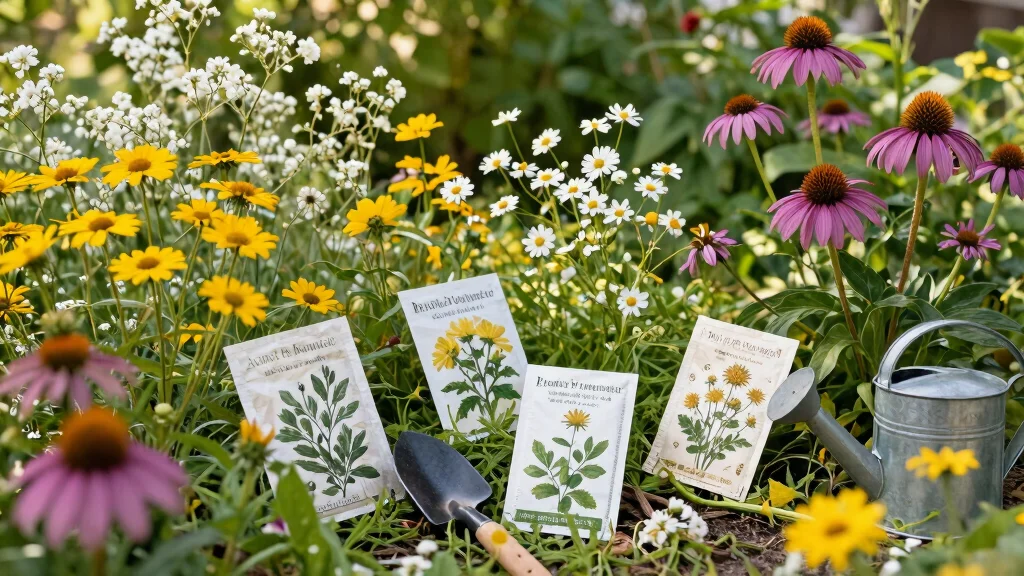
Native plants are a fantastic choice for anyone looking to create a vibrant landscape with minimal upkeep. These hardy species thrive in your local environment, requiring less water and care while enhancing your garden’s beauty. Imagine bright coneflowers and cheerful black-eyed Susans blooming effortlessly, creating a colorful backdrop that attracts local wildlife like butterflies and birds.
To get started with native plants, research species that flourish in your area. Mix different heights and colors to provide interest throughout the seasons. Group plants with similar watering needs to ensure efficiency and promote sustainability.
Key steps to consider:
– Research native plants suitable for your region.
– Create a diverse palette for year-round beauty.
– Group plants based on their watering requirements.
Choosing native plants not only elevates your garden but also contributes positively to the ecosystem, making a lasting impact on your surroundings.
Fun fact: Native plants require up to 50% less water than non-native species in small urban spaces. Plant coneflowers and black-eyed Susans for color that blooms with minimal effort—perfect for around house landscaping.
Embrace Native Plants for Low-Maintenance Beauty
Editor’s Choice

GROWIT Plant Moisture Meter – Accurately Tells You When to Water Your Pl…


Wildflower Seeds Bulk Mix – 10,000+ Perennial & Annual Seeds – Texas, Ca…

Back to the Roots 25.7qt (1 Cubic ft) Organic Premium Mulch
2. Create a Charming Border with Edging

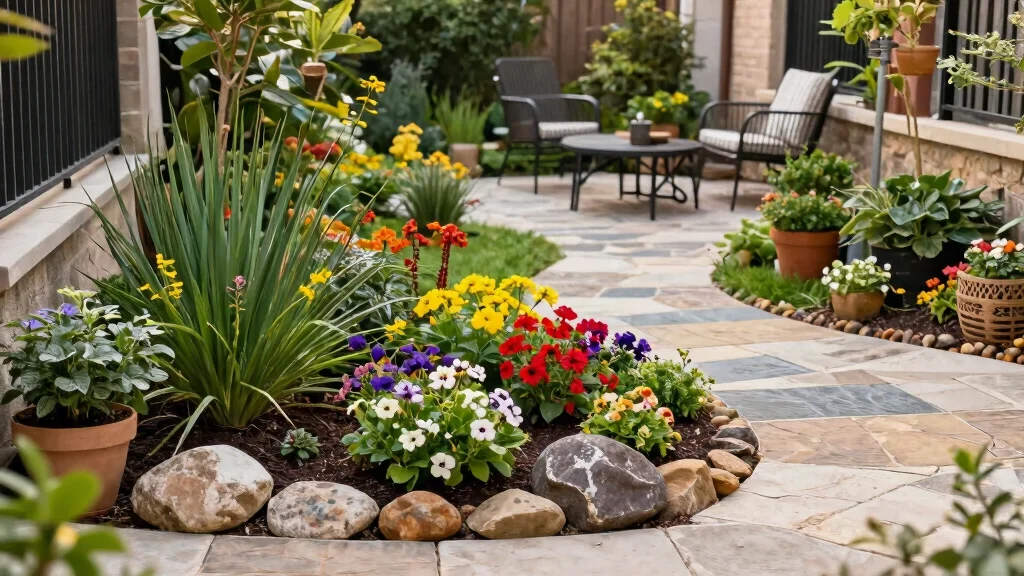
Landscaping edges play a crucial role in defining your garden space and adding a polished look. Using materials like stone or brick, you can craft attractive borders along paths and flower beds that keep mulch in place and enhance the garden’s aesthetics. This simple addition helps maintain order while elevating your garden’s charm.
Consider using a mix of materials for unique designs, or let low-growing herbs spill over the edges for a natural touch. Decorative stones or wood can also add character to your borders, making them stand out.
Here are some creative edging ideas:
– Combine different materials for a personalized touch.
– Use plants as natural borders for added greenery.
– Incorporate decorative elements for a rustic feel.
With well-designed edging, your garden will not only look cohesive but also feel inviting and thoughtfully arranged.
Did you know simple edging can cut mulch drift by up to 60% and instantly define your around house landscaping spaces? Using stones, bricks, or even low-growing herbs along the edge keeps mulch in place and elevates your home’s curb appeal—practical, pretty, and easy.
Create a Charming Border with Edging
Editor’s Choice

EasyFlex No-Dig Landscape Edging with Anchoring Spikes, 2.7 in Tall Deco…
EasyFlex No-Dig Landscape Edging with Anchoring Spikes, 2.7 in Tall Deco…
EasyFlex No-Dig Landscape Edging with Anchoring Spikes, 2.7 in Tall Deco…
3. Install a Vertical Garden for Maximum Impact

Vertical gardens are a brilliant way to maximize space and add visual excitement to your outdoor area. By utilizing walls or fences, you can transform bare surfaces into lush displays of greenery, featuring climbing plants or vibrant herbs. This approach not only beautifies your space but also enhances air quality while offering easy access to fresh ingredients.
Choose a sunny spot for your vertical garden and select plants suited to your climate. Consider using eco-friendly materials for your structure to keep your gardening efforts sustainable.
Here’s how to create your vertical garden:
– Identify a sunny wall or fence for planting.
– Pick plants that match your sunlight conditions.
– Opt for sustainable materials for the framework.
This innovative gardening technique will undoubtedly impress visitors and bring life to your outdoor space.
How To Choose the Right Around House Landscaping Features
When it comes to enhancing your property with landscaping, making the right choices is key. The right features can improve your curb appeal and create a cohesive look. Here are some important selection criteria to help you decide.
1. Consider Your Space
Before you choose landscaping features, assess your available space. Measure your yard to know how much area you have for planting, seating, or decor. Smaller urban spaces may require compact plants or smaller features to avoid a cluttered look. Think about how much sunlight each area gets as well.
2. Choose the Right Plants
Opt for plants that thrive in your local climate. Native plants often require less maintenance and support local wildlife. Look for a mix of perennials and annuals for year-round beauty. Pay attention to the height and spread of plants as well, so they don’t overcrowd each other when they grow.
3. Think About Functionality
Consider how you want to use your outdoor space. Do you need a seating area for entertaining? Or perhaps a pathway to guide visitors? Features like seating, fire pits, or pathways should enhance your lifestyle. Make sure the features work harmoniously together and serve a purpose.
4. Set a Budget
Determine how much you’re willing to spend on landscaping. Prices can vary greatly depending on materials and plants. Create a list of must-have features and prioritize them according to your budget. Be prepared for additional costs like soil, mulch, or landscaping tools.
5. Incorporate Sustainable Practices
Choose materials and plants that promote sustainability. Recycled materials for garden borders or furniture can reduce waste. Emphasizing native plants can also lower water usage and maintenance needs. This approach not only benefits your property but also the environment.
6. Consider Aesthetic Appeal
Your landscaping should reflect your style while complementing your home. Choose colors and textures that match your house’s exterior. Don’t forget about outdoor decor—furniture, pots, and art pieces can tie everything together. Look for features that create visual interest and create harmony in your space.
Pro Tip: Always visualize your landscaping design before committing. Sketch it out or use landscaping software to see how different elements will fit together. This will help you avoid making costly mistakes and ensure a beautifully cohesive look!
By following these guidelines, you can make informed choices that enhance your property’s beauty and functionality. Take your time to plan and enjoy the process of creating your ideal landscape. With thoughtful planning, even small spaces can become stunning outdoor retreats!
Install a Vertical Garden for Maximum Impact
Editor’s Choice

50+ Dark Red Morning Glory Seeds Climbing Vine Flowers Garden Planting

Flourish Plant Organic All-Purpose Plant Food 3-3-2 Fertilizer for Indoo…
4. Design a Relaxing Outdoor Seating Area
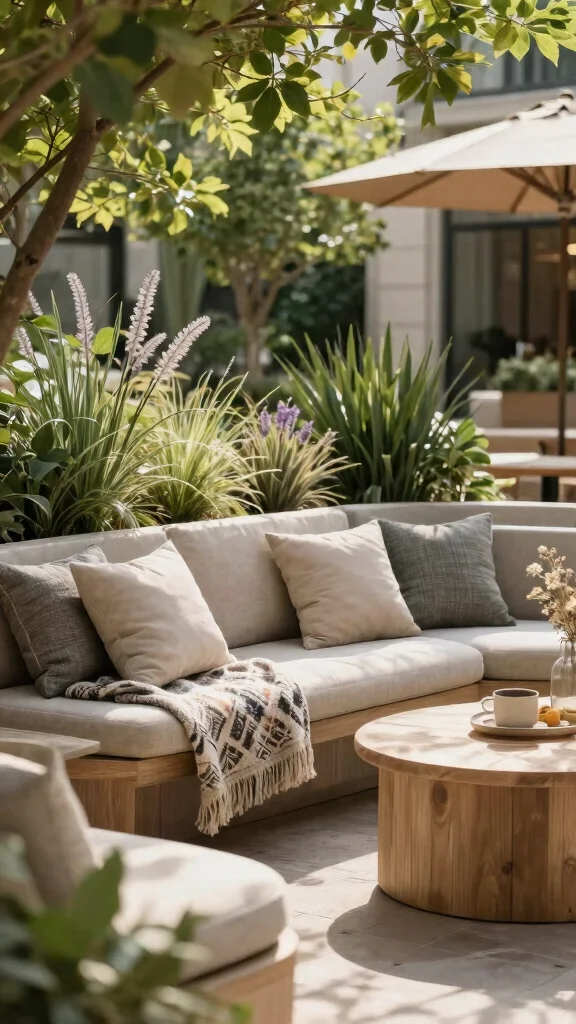
Outdoor seating areas are perfect for creating a cozy spot to unwind and enjoy nature. By adding comfortable furniture, you can transform your backyard into a favorite retreat for relaxation. Choose eco-friendly materials for seating and throw in some soft cushions to enhance comfort. A fire pit or water feature can add warmth and charm, making it an inviting space for gatherings.
Consider using reclaimed wood for furniture to promote sustainability, and string lights or a canopy to create an enchanting atmosphere at night. Surrounding your seating area with fragrant plants will also enhance the sensory experience.
Ideas to elevate your seating area:
– Opt for sustainable materials for your furniture.
– Add lighting for cozy evenings.
– Surround with aromatic plants for a delightful scent.
This tranquil outdoor space will not only boost your property’s charm but also become a beloved escape for you and your family.
📹 Related Video: The Ultimate Pallet Outdoor Furniture – Beautiful and Convenient Patio Tables and Chairs
You might also like

Design a Relaxing Outdoor Seating Area
Editor’s Choice

Merax Outdoor 4-Piece Acacia Wood & Rope Sectional Patio Set, Loveseat, …

Breezz 32 Inch American Flag Fire Pit with Mesh Cover & Poker, Round Met…

IPYNBAP Outdoor Chair Cushions Set of 4 -Waterproof Outdoor Seat Cushion…
5. Incorporate Water Features for Serenity

Water features introduce a sense of calm and elegance to your garden. Whether you opt for a small fountain or a charming birdbath, these elements attract wildlife and enhance your outdoor aesthetic. The soothing sound of flowing water creates a relaxing atmosphere, perfect for unwinding after a long day.
When incorporating water features, select designs that harmonize with your existing landscape. Consider sustainable options, such as solar-powered fountains, to keep your garden eco-friendly.
Tips for adding water features:
– Choose designs that complement your garden style.
– Opt for solar-powered fountains for sustainability.
– Surround features with native plants for natural beauty.
A well-placed water feature will not only elevate your landscape but also provide a serene escape right in your backyard.
Incorporate Water Features for Serenity
Editor’s Choice

CWKJ Fountain Pump, 400GPH(25W 1500L/H) Submersible Water Durable Outdoo…
6. Create Pathways with Purpose

Pathways guide visitors through your garden while enhancing its visual appeal. Made from natural materials like stone or wood, these walkways can connect different areas of your landscape, encouraging exploration. A winding path can turn your garden into a delightful adventure for guests and family alike.
Think about using reclaimed materials to build eco-friendly paths or integrating plants alongside the walkway for a lush, natural feel. Varying the width and shape of your pathways adds interest and flow to the design.
Ideas for intentional pathways:
– Use reclaimed materials for eco-friendly options.
– Incorporate plants along the path for greenery.
– Vary shapes and widths for visual interest.
Thoughtfully designed pathways contribute to a cohesive and inviting landscape, making your outdoor space even more enjoyable.
❝ Fun fact: For around house landscaping, a winding path using reclaimed stone or wood can boost perceived space by up to 20%. It guides visitors, invites exploration, and keeps your eco-friendly design affordable and visually appealing.
Create Pathways with Purpose
Editor’s Choice

Landscaping with Wood: The Practical Guide to Building Outdoors

Wooden Garden Edging – 13.1ft x 11.8in Pine Landscape Border, Flexible W…

Arcadia Garden Products Set of 4, 16×17” Dark Gray Stepping Stone Fibe…
7. Use Outdoor Art to Personalize Your Space

Outdoor art brings a unique touch to your garden, transforming it into a reflection of your personality. From vibrant sculptures to playful ornaments, the right pieces can infuse joy and character into your outdoor living space. Choose art that complements your garden’s beauty while expressing your individual style.
When selecting outdoor art, ensure the materials are durable enough to withstand the elements. Using recycled materials can also add an eco-friendly element to your decor.
Tips for incorporating outdoor art:
– Choose weather-resistant pieces for longevity.
– Utilize recycled materials for a sustainable touch.
– Position art strategically to create focal points.
This creative addition will unify your garden design and make it feel complete, inviting admiration from all who visit.
You Might Also Like


Use Outdoor Art to Personalize Your Space
Editor’s Choice

Robin Bird Statue, Rustic Scrap Metal Yard Decor, Handmade Recycled Fork…

Rusty Outdoor Daisy Flower Metal Yard Stake, 30.7×5.12 Inch Large Rusted…
8. Incorporate Edible Plants for Sustainability

Edible plants are a fantastic way to blend beauty and practicality in your garden. By growing fruits, vegetables, and herbs, you create a landscape that is not only visually appealing but also functional. Picture plucking fresh tomatoes or fragrant basil right from your backyard; it’s a rewarding experience that promotes sustainability.
When adding edibles, plan for companion planting to maximize space and health benefits. Choose visually striking varieties, like colorful peppers or herbs with lovely flowers, to maintain aesthetic appeal.
Here are some tips for integrating edibles:
– Plan for companion planting to optimize your garden.
– Select attractive edible varieties for beauty.
– Use containers for flexibility and easy care.
By incorporating edible plants, you’ll create a garden that nourishes both the body and the soul, providing fresh produce right at your doorstep.
Incorporate Edible Plants for Sustainability
Editor’s Choice

LEETOLLA Elevate 32″ Tall Raised Garden Bed Outdoor with Wheels & Shelf …

Companion Planting: The Beginner’s Guide to Companion Gardening (The Org…
Conclusion

Transforming your property with sustainable around house landscaping ideas not only boosts curb appeal but also contributes positively to the environment.
By incorporating native plants, water features, and edible gardens, you create a beautiful and functional outdoor space that enhances your lifestyle. Embrace these trends and enjoy the unique charm they bring to your small urban oasis!
Note: We aim to provide accurate product links, but some may occasionally expire or become unavailable. If this happens, please search directly on Amazon for the product or a suitable alternative.
This post contains Amazon affiliate links, meaning we may earn a small commission if you purchase through our links, at no extra cost to you.
Frequently Asked Questions
What are the best around house landscaping ideas to create a cohesive look for a small urban property?
Start with a simple vision: limit your color palette to 2–3 tones and repeat plant types along entryways, paths, and borders. For around house landscaping, use a couple of evergreen anchors and a few container combos to tie spaces together. Choose compact shrubs and tiered plantings to maximize depth without crowding.
Apply landscape design principles like scale, rhythm, and balance; add a welcoming focal point (a bench, doorway planter, or small water feature) to boost curb appeal. Finish with durable, cohesive hardscape (pavers or gravel) and a consistent mulch or groundcover to unify zones.
How can I design a sustainable around house landscaping plan with low-maintenance garden features?
Prioritize natives and drought-tolerant plants that thrive in your climate. Group plants by water needs and install a simple drip irrigation system or a rain barrel to cut maintenance. In around house landscaping, mulch beds 2–3 inches deep to conserve moisture and suppress weeds. Use permeable surfaces for paths and choose durable container gardens for flexibility in a small urban space. For property enhancement, select weather-resistant materials for edging and seating to minimize upkeep.
Which garden features and outdoor decor ideas help tie your entire property together and boost curb appeal?
Focus on unity: repeat materials and colors across beds, containers, fences, and lighting. A single focal garden feature (like a standout shrub, a specimen tree, or a sculptural pot) anchors the design and guides the eye. Use landscape design fundamentals—appropriate scale, clear sightlines, and cohesive borders—and add outdoor decor such as planters, a bench, or a water feature that echoes your palette to elevate curb appeal. Plan for year-round interest with evergreens, seasonal blooms, and textured foliage.
What budget-friendly, space-saving around house landscaping ideas maximize property enhancement in small urban spaces?
Start by maximizing vertical space with trellises, hanging baskets, and wall-mounted planters. Reuse existing plants and move a few to create a layered look, repeating a couple of container styles for cohesiveness. Choose a two-tone plant palette and simple edging to keep things looking tidy. For price-friendly hardscapes, use mulch, groundcovers, and permeable pavers that suit tight budgets and improve drainage. Add a single high-impact feature—a sculptural planter or tiny fountain—to tie the space together and boost curb appeal.
What common mistakes should I avoid in around the house landscaping to maintain good curb appeal and a cohesive look?
Avoid overcrowding and a chaotic mix of plants—choose a focused palette and give every element breathing room. Don’t ignore drainage or sun exposure; around house landscaping depends on soil and light. Keep sightlines open from street to entry, and don’t block views with tall, mismatched plantings. Don’t mix materials without a unifying thread; repeat colors, textures, and edging across beds, containers, and paths to support landscape design. Finally, don’t skip maintenance—annual pruning, weeding, and seasonal cleanups preserve curb appeal.
Related Topics
around house landscaping
sustainable gardening
urban garden design
curb appeal
outdoor decor
garden features
small space landscaping
easy landscaping tips
property enhancement
DIY landscaping
beginner friendly
seasonal decor