
Mountain landscapes are breathtaking, but they can also present unique challenges for anyone looking to create a beautiful outdoor space. This post is crafted specifically for those who feel inspired by mountain terrains yet are unsure how to design a yard that complements the rugged beauty around them. If you’ve been dreaming of a vibrant garden that works in harmony with dramatic slopes, you’re in the right place.
Whether you’re a seasoned gardener or a novice looking to enhance your outdoor living, this guide is packed with practical ideas. From sustainable practices to native plants, we’ll explore eight mountain landscaping ideas that address erosion control and embrace the natural landscape. You’ll discover how to create outdoor spaces that not only look stunning but also support local wildlife and withstand the elements.
By the end of this post, you’ll have a clear understanding of how to transform your sloped yard into a sustainable oasis that enhances your home and respects the mountain ecosystem. Let’s get started on your journey to mountain landscaping success!
Key Takeaways
– Embrace Rock Garden Design: Use local stones and boulders to build visually striking rock gardens that blend with your mountain scenery while preventing soil erosion.
– Terraced Sloped Yard Landscaping: Create terraces to manage water runoff, making your garden more accessible and visually appealing while aiding in erosion control.
– Incorporating Native Plants: Choose plants that thrive naturally in your region. Native species require less water and maintenance, making them perfect for a sustainable mountain garden.
– Creative Erosion Control Techniques: Implement methods such as planting ground cover and building retaining walls to stabilize soil on slopes and reduce water runoff.
– Sustainable Outdoor Living Spaces: Design outdoor areas for relaxation and entertainment that utilize sustainable materials and incorporate local flora, enhancing your connection to nature.
1. Embrace Rock Garden Design
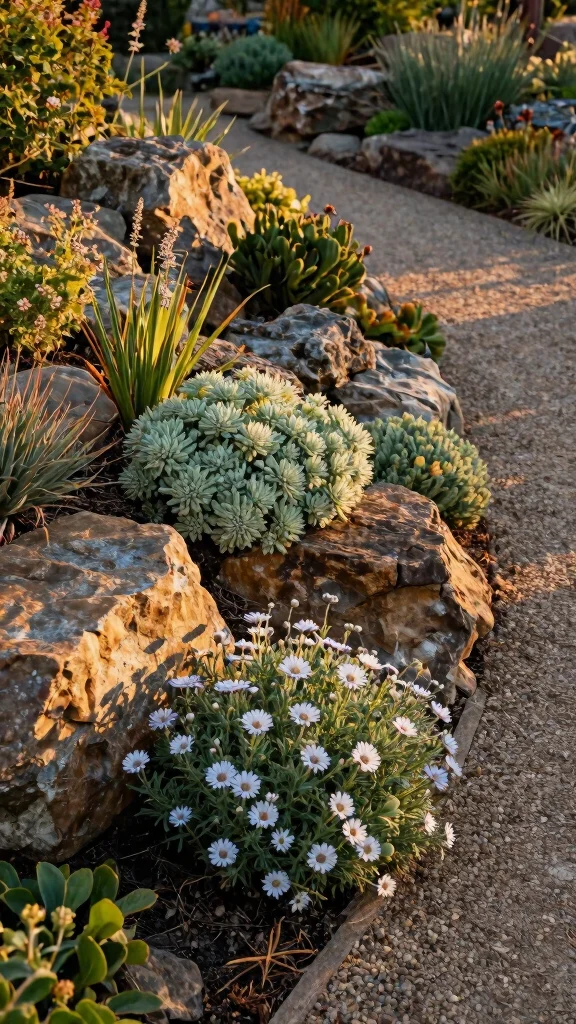
Rock gardens beautifully showcase the rugged charm of mountainous regions. By using natural stones and boulders, you can create captivating designs that echo the surrounding landscape. Adding native plants enhances the visual appeal and supports local wildlife, making your garden both stunning and eco-friendly.
Choose a mix of rock sizes for texture and depth. Complement the stones with low-maintenance plants like alpine asters or creeping thyme, which thrive in rocky conditions. Arranging your rocks in clusters rather than straight lines will mimic natural formations, resulting in a more organic look.
Key tips for your rock garden:
– Select local stones to maintain authenticity.
– Create gravel pathways for easy access.
– Let plants cascade over rocks for a lush effect.
– Group plants by their water and light needs.
Rock gardens not only prevent erosion but also attract wildlife, transforming a rugged area into a beautiful focal point.
📹 Related Video: Front Yard Landscaping Ideas: How to Add a Rock Garden
Embrace Rock Garden Design
Editor’s Choice

Outsidepride Perennial Dichondra Repens Seeds – 1 lb Dense Green, Low-Ma…


Seed Needs Purple Rockcress Seeds for Planting – Heirloom & Open Pollina…

MAIBAOTA 60 mm Lapis Lazuli Crystal Large Heart Love Stone Healing Cryst…
2. Terraced Sloped Yard Landscaping

If your yard has a slope, terracing is a smart landscaping choice that optimizes space while curbing erosion. This technique creates flat surfaces, making it easier to plant and maintain your garden. It also effectively manages water runoff, keeping your landscape healthy.
Start by measuring your slope’s angle to design the terraces properly. Use materials like timber or stone that harmonize with the mountain scenery for retaining walls. This approach not only looks great but also supports the landscape’s integrity.
Consider these elements for your terraced landscaping:
– Opt for plants like lavender that thrive on slopes.
– Dedicate a terrace to a mini vegetable garden.
– Add seating areas for outdoor relaxation.
– Use ground cover plants to prevent erosion.
Terraced gardens boost your home’s curb appeal while providing functional outdoor spaces that blend beautifully with nature.
Fun fact: Terraced yards on slopes can cut erosion by up to 50%, a core win for mountain landscaping ideas. Build timber or stone retaining walls to create usable, low-maintenance levels you can actually plant in.
Terraced Sloped Yard Landscaping
Editor’s Choice

Jute Erosion Control, Soil Saver Mesh Blanket – 48″ Wide x 20 Yards (60 …

TimberTech Classic Composite Series Universal Hardware Kit
3. Incorporating Native Plants for Mountains
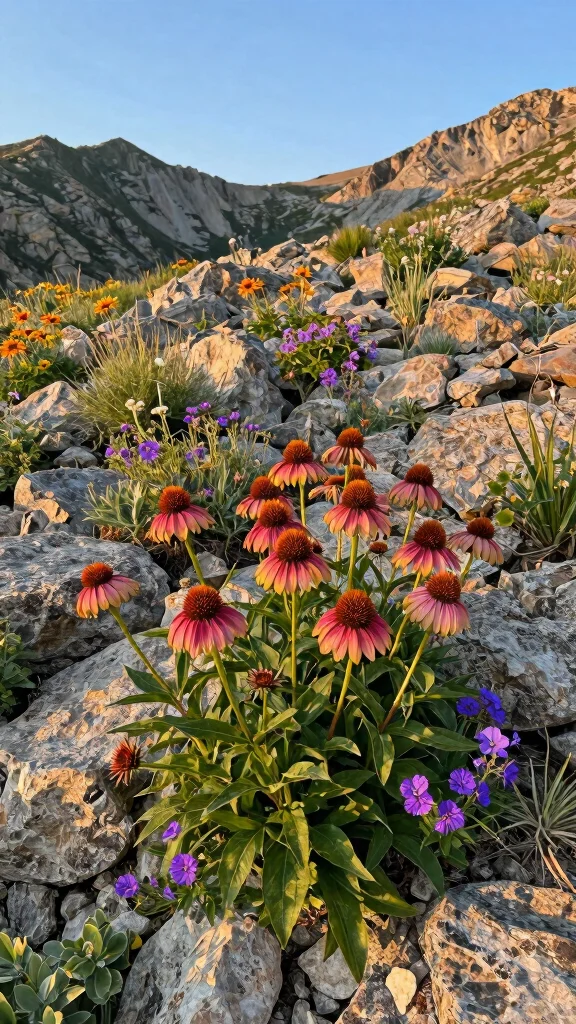
Native plants are essential for creating sustainable mountain gardens. They are naturally adapted to the local climate, requiring less maintenance and water. By selecting plants native to your area, you enhance the ecosystem and attract local wildlife.
Choose resilient species like coneflowers or mountain laurels that thrive in rocky soils. These plants are more resistant to pests, reducing the need for chemical interventions, and they contribute to a healthier garden environment.
When planning your garden, keep these tips in mind:
– Cluster native plants for a natural appearance.
– Vary plant heights for visual interest.
– Mix blooming times for year-round color.
– Add shrubs to prevent erosion and attract pollinators.
By opting for native plants, you’ll enjoy a beautiful, low-maintenance garden that seamlessly connects with the breathtaking mountain landscape.
Incorporating Native Plants for Mountains
Editor’s Choice

Outsidepride Mountain Wild Flower Seed Mix – 1 lb Premium Blend of Annua…

Nature’s Seed Rocky Mountain Wildflower Seeds Mix Blend, Annual and Pere…

Outsidepride Perennial Tall Native Grass Seed Mix – 1 lbs. Blend of Drou…

Native Wildflower Seeds for Planting 24 Variety Pack – Perennial & Annua…

4. Creative Erosion Control Techniques
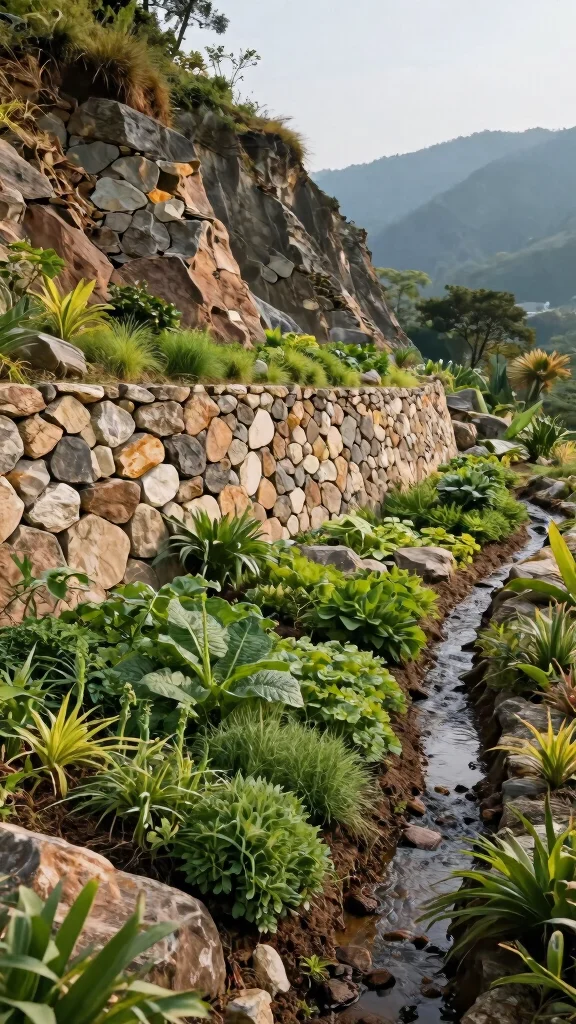
Erosion is a significant challenge in mountainous areas, and effective control techniques are crucial for maintaining your garden’s health. A blend of hardscape and landscape features can prevent soil loss while enhancing your yard’s beauty.
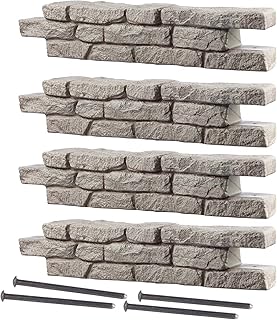
Consider using stone or wood retaining walls to stabilize steep areas. Installing swales—shallow, vegetated ditches—redirects water runoff and minimizes erosion risks. These elements can be skillfully incorporated into your landscape design.
Effective erosion control strategies include:
– Plant deep-rooted species like willows for stability.
– Use ground cover plants to create barriers against runoff.
– Implement mulch pathways that absorb water.
– Incorporate boulders to slow water flow naturally.
These techniques not only address erosion but also support a sustainable landscaping approach, embracing the mountain’s unique features.
You might also like

Creative Erosion Control Techniques
Editor’s Choice

VEVOR Trench Drain System with Plastic Grate, 5.9×5.1-Inch HDPE Channel …
RTS Home Accents Rock Lock Interlocking Landscape Edging and Border Syst…

Happybuy Driveway Fabric, 13x108ft Commercial Grade Landscape Fabric, Ga…
5. Organic Vegetable Gardening in the Mountains
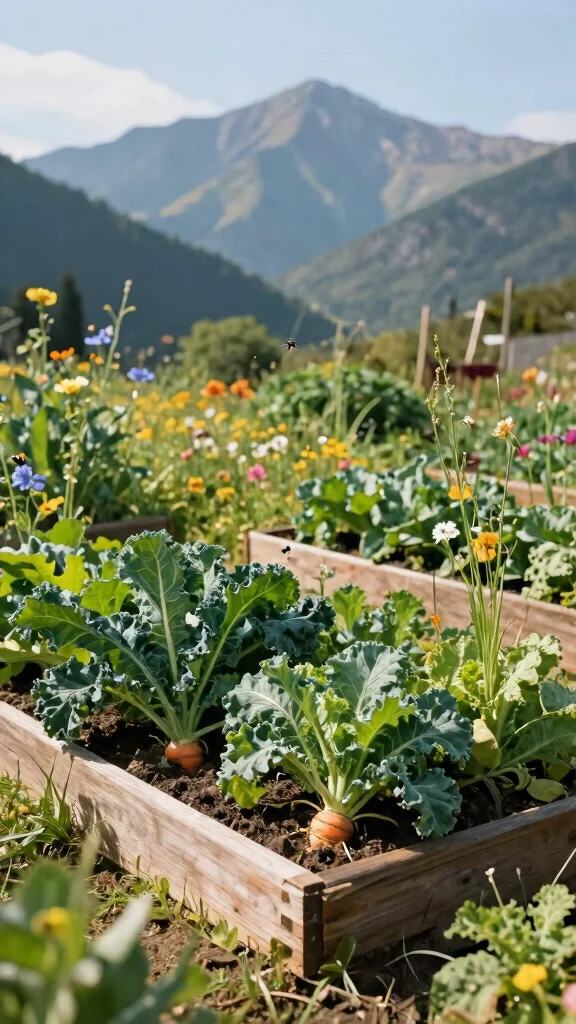
Starting an organic vegetable garden is a fantastic way to enjoy fresh produce while embracing sustainable practices. Mountain climates can present challenges, but with the right techniques, you can grow a bountiful harvest naturally. Raised beds are particularly effective for managing soil quality in rocky terrains.
Select vegetables that flourish in cooler temperatures, like kale and carrots. Companion planting can improve growth and deter pests, while adding compost enriches the soil.
Keep these tips for your mountain vegetable garden in mind:
– Use untreated wood or stone for raised beds.
– Apply organic mulch to retain moisture.
– Rotate crops to enhance soil health.
– Plant cover crops during the off-season for enrichment.
Building an organic garden not only provides healthy food options but also strengthens your connection to the land, promoting sustainability.
Organic Vegetable Gardening in the Mountains
Editor’s Choice

Organic Carrot Seeds (Scarlet Nantes) – Approx 1500 Seeds – USDA Organic…

zunatu 10x2x1ft(2 Pack) Galvanized Raised Garden Bed,Outdoor Planter Box…
VIVOSUN Outdoor Tumbling Composter Dual Rotating Batch Compost Bin, 43 G…
6. Sustainable Outdoor Living Spaces

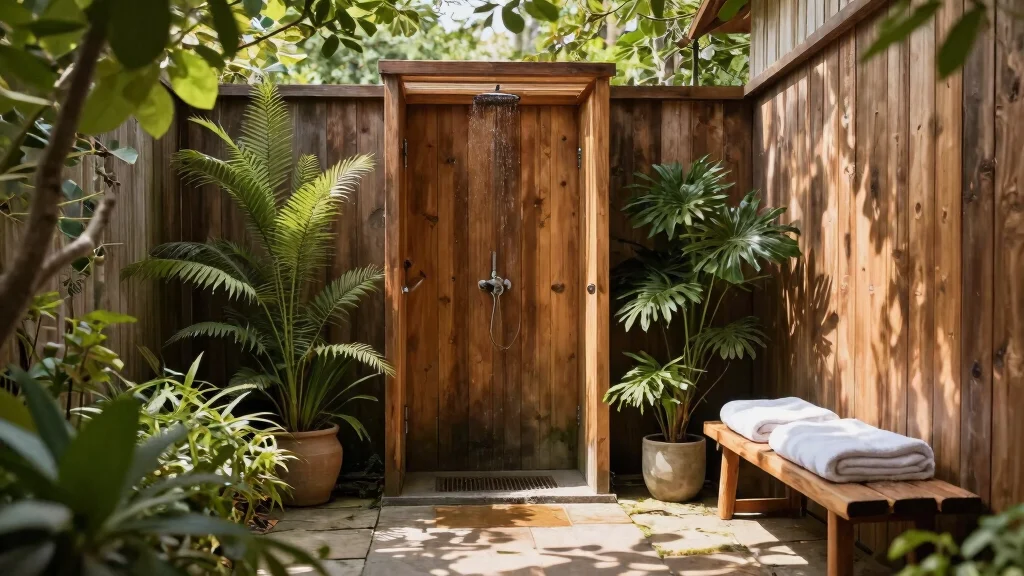
Designing outdoor living spaces in mountainous areas enhances your home’s experience while promoting eco-friendly practices. Utilize natural materials and native plants to create inviting areas for relaxation and socializing. Features like stone patios or wooden decks can blend seamlessly into the landscape.
Incorporating shaded areas with pergolas allows you to enjoy breathtaking views without harsh sunlight. Consider adding fire pits or cozy seating to encourage outdoor gatherings with family and friends.
Ideas to enhance your outdoor space include:
– Use reclaimed wood or stone for a natural look.
– Surround seating areas with native flowers.
– Add water features for tranquility.
– Incorporate solar lighting for evening ambiance.
These outdoor living options help you embrace the mountain’s beauty while minimizing your environmental footprint.
Sustainable Outdoor Living Spaces
Editor’s Choice

Arcadia Garden Products Set of 4, 16×17” Dark Gray Stepping Stone Fibe…

Backyard Discovery Beaumont 12′ x 10′ Traditional Cedar Wood Pergola Kit…

Breezz 32 Inch American Flag Fire Pit with Mesh Cover & Poker, Round Met…
7. Wildlife-Friendly Landscaping
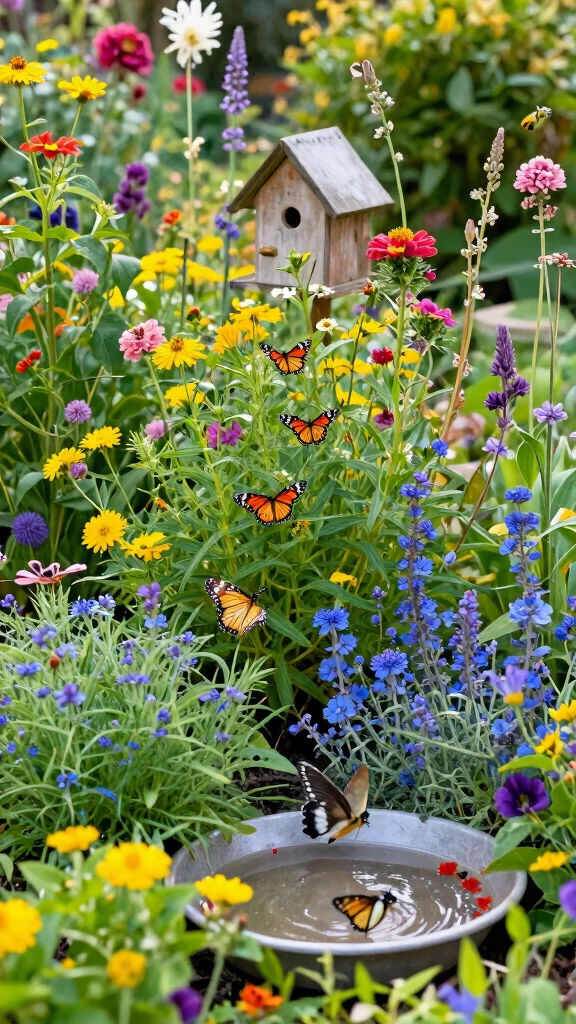
Creating a wildlife-friendly garden enriches the ecological balance and brings nature closer to your home. Incorporating native plants attracts pollinators, birds, and beneficial insects, while providing essential habitats for wildlife.
Add features like birdhouses, butterfly gardens, and small water sources to encourage visits from local creatures. Avoid using pesticides and chemical fertilizers to keep the environment safe for wildlife. A diverse habitat can be established by mixing flowering plants, shrubs, and grasses.
To attract wildlife, consider:
– Planting a variety of flowers that bloom at different times.
– Including fruit-bearing plants for local birds.
– Creating sheltered areas with logs or rocks.
– Replacing grass lawns with wildflower meadows.
Designing a wildlife-friendly landscape not only enhances your garden’s beauty but also supports the ecosystem’s health.
Fun fact: Native plants attract 3–5 times more pollinators and birds in mountain gardens. A wildlife-friendly landscape creates essential habitats with simple additions like birdhouses and a small water source. Avoid pesticides to keep the ecosystem thriving.
You Might Also Like

How To Choose Native Plants for Mountain Landscaping
Choosing the right native plants for your mountain landscaping can significantly enhance the look and sustainability of your outdoor space. Native plants are adapted to your local environment, making them easier to care for and better for the local ecosystem. Here’s what you need to consider:
1. Understand Your Climate
You need to know your local climate conditions, such as temperature range, rainfall, and sunlight exposure. Mountains can have varying climates depending on altitude. Research what plants thrive in these specific conditions to ensure they will flourish in your garden.
2. Assess Soil Type
Different plants have different soil preferences. Some might thrive in sandy soils, while others prefer clay or loamy soil. Conduct a soil test to determine pH levels and nutrient content. This will help you choose plants that will grow well in your garden’s unique soil conditions.
3. Look for Erosion Resistance
In mountainous areas, soil erosion can be a significant concern. Select deep-rooted native plants that can hold soil in place. Plants like wildflowers and grasses not only add beauty but also help prevent erosion on slopes and in rocky areas.
4. Choose Biodiverse Species
Diversity is key to a thriving ecosystem. Aim to include a variety of plants, including flowers, shrubs, and trees. This attracts pollinators and other wildlife. A diverse selection also makes your garden visually interesting and resilient against pests and diseases.
5. Consider Seasonal Changes
Think about how your plant choices will look throughout the seasons. Choose plants that provide color and interest at different times of the year. For instance, some might bloom in spring, while others offer stunning fall foliage, creating a year-round dynamic landscape.
6. Evaluate Maintenance Needs
While native plants generally require less care than non-native varieties, some may still require periodic maintenance. Check the upkeep that each plant needs regarding watering, pruning, and pest management. Selecting low-maintenance plants can save you time and effort while keeping your garden beautiful.
Pro Tip: Make a list of local native plant nurseries or garden centers. They can provide valuable advice on what works best for your specific mountain environment. Plus, buying locally increases the chances of success since those plants are already adapted to your area!
Wildlife-Friendly Landscaping
Editor’s Choice

Wildflower Seeds Bulk Mix – 10,000+ Perennial & Annual Seeds – Texas, Ca…
Glitzhome Bird Houses for Outside, 9.7″ H Hanging Bird House for Outdoor…

Insect Lore Raise and Release Butterfly Garden Kit – Caterpillar Habit…
8. Functional Pathways and Walkways

Functional pathways significantly improve your mountain landscape by providing access and preventing soil erosion. A well-planned walkway guides visitors through your garden while minimizing disruption to the natural environment. Use natural materials like gravel, stone, or wood to craft charming, durable paths.
Incorporating curves in your pathways creates a more organic feel, allowing them to flow with the land’s natural contours. Edge your pathways with native plants to stabilize the soil while adding color and texture.
Useful tips for creating effective pathways include:
– Make pathways wide enough for comfort.
– Use porous materials for water infiltration.
– Add stepping stones for a whimsical touch.
– Surround paths with low-growing plants for soft edges.
These functional pathways enhance accessibility and beauty in your mountain garden, ensuring the landscape remains inviting and intact.
Fun fact: Curved pathways, built with native-edge plantings, can cut erosion risk by up to 30% on steep slopes. In mountain landscaping ideas, using gravel, stone, or wood keeps foot traffic calm and soil more stable—plus, it looks naturally gorgeous.
Functional Pathways and Walkways
Editor’s Choice

TierraVerde 4-Pack 18”x22” Natural Rock Rubber Stepping Stones, Grey…

PetraMax Lockscape PermaRoX Resin Bound Gravel Kit for Driveways, Patios…
Conclusion

Exploring these mountain landscaping ideas can help you create a beautiful and sustainable outdoor space that thrives in harmony with its surroundings. Each technique offers a unique way to connect with nature while prioritizing ecological balance and resilience against erosion. Whether you’re designing a rock garden, planting native species, or creating outdoor living spaces, there’s endless potential.
As you implement these ideas, remember that your garden can be a vibrant sanctuary that respects the mountain’s essence while offering you a peaceful escape.
Note: We aim to provide accurate product links, but some may occasionally expire or become unavailable. If this happens, please search directly on Amazon for the product or a suitable alternative.
This post contains Amazon affiliate links, meaning we may earn a small commission if you purchase through our links, at no extra cost to you.
Frequently Asked Questions
What are the best mountain landscaping ideas for erosion control on slopes?
On rugged slopes, erosion control and beauty go hand in hand. Here are practical mountain landscaping ideas you can put to work:
Map water flow and divide the slope into planting benches using terracing or natural stone walls to slow runoff and create flat planting spaces.
Choose native plants for mountains with strong, deep roots—deep-rooted grasses, alpine perennials, and spreading groundcovers that hold soil.
Incorporate rock garden design elements to trap soil pockets, provide microhabitats, and add visual drama.
Mulch generously and use living groundcovers to shield soil on exposed areas.
Install a simple, sustainable drainage feature such as a rain garden or shallow swale to capture runoff and recharge soil.
Design sloped yard landscaping with accessible paths and defined outdoor living spaces that minimize soil disturbance in rugged terrain.
Choose permeable hardscape options and avoid heavy compaction to support sustainable mountain gardens.
These mountain landscaping ideas balance practicality with beauty, keeping you aligned with the terrain and local conditions.
How can I design a rock garden that fits a mountainous site and supports erosion control?
Rock gardens are a natural fit for mountainous terrain when planned with the slope in mind. Start by placing larger rocks at the lower edges to anchor soil, and create shallow pockets where soil can collect. Pair rock garden design features with native plants for mountains that tolerate sun, wind, and poor soils. Choose drought-tolerant alpine perennials and groundcovers that spread to stabilize the soil, and plant in crevices to reinforce root networks. Build tiny terraces with stones to create planting benches and improve drainage. Mulch to protect roots and reduce splash erosion, and use a simple irrigation plan that delivers water where it’s needed most. With thoughtful assembly, you’ll dramatically improve erosion control while keeping the landscape visually striking.
What native plants are best for mountains to prevent erosion and thrive on slopes?
Local knowledge is key, so start by checking your regional lists. In general, look for native plants for mountains that have deep roots and spreading groundcovers to stabilize soil. Good starting groups include native grasses and sedges, alpine perennials, creeping phlox, and native wildflowers that tolerate sun, cold, and wind. Plant in groups to establish robust root networks, then apply a thick layer of mulch to protect roots and conserve moisture. Water deeply until established, and avoid introducing invasive species. Embracing these choices supports sustainable mountain gardens and keeps erosion in check while rewarding you with a thriving, low-maintenance landscape.
What practical steps can I take for sloped yard landscaping to create sustainable mountain gardens?
Start with a quick site assessment: note drainage paths, sun exposure, and soil depth. Then implement terraces or retaining edges to create level planting benches and slow runoff. Pair sloped yard landscaping with rock garden design elements to stabilize soil and add texture. Choose native plants for mountains that establish quickly and form dense root networks. Build in simple drainage features like a rain garden or shallow swales to capture runoff. Use mulch and sustainable mountain gardens practices to protect soil, and design walkways and seating to minimize soil disturbance while still providing outdoor living space in rugged terrain.
How can I extend outdoor living in rugged mountain terrain without increasing erosion risk?
Plan outdoor living areas on stable benches or terraces and use permeable surfaces to keep water moving through the soil. Create a rock or stone patio with gaps for drainage, and edge spaces with native plants for mountains to anchor soils. Route paths along natural contours to prevent cutting across slopes and use raised planters or container gardens to avoid trenching fragile soils. Incorporate swales or a small rain garden to manage runoff, and install drip irrigation under mulch for efficient watering. With thoughtful design, you’ll enjoy outdoor living in rugged terrain while protecting the landscape for years to come.
Related Topics
mountain landscaping
rock garden design
sustainable gardening
native plants
erosion control
sloped yard
outdoor living
rugged terrain
eco-friendly landscaping
advanced techniques
beginner friendly
seasonal gardening