
You know that feeling when you step into an outdoor space and it feels a bit flat? Maybe it’s the lack of color or something missing that could really make it pop. I created this post because I believe every urban garden, balcony, or backyard deserves a little drama. Large pots in landscaping are not just functional; they’re the statement pieces that can transform your outdoor space into a vibrant oasis.
If you’re someone who loves gardening, interior design, or just wants to add personality to your outdoor area, this post is for you. Whether you’re living in a bustling city or have a big backyard, I’ve got some great ideas that elevate your space and bring life into it. You’ll find nine creative ways to use large pots, from eye-catching centerpieces to colorful contrasts that will inspire you to create your dream outdoor setting.
Get ready to explore some fabulous ideas! You’ll learn how to choose the right large pots, how to arrange them for maximum impact, and ways to incorporate various plants that speak to your style. With these tips, your outdoor space will become a stunning showcase and a true reflection of you.
Key Takeaways
– Large pots in landscaping serve as striking focal points, drawing attention and adding character to any outdoor area.
– Incorporate seasonal displays to keep your garden fresh and inviting throughout the year with colorful blooms or festive decorations.
– Grouping collections of pots can create a cohesive look, making your space feel more curated and intentional.
– Use textured planters to add depth and interest, allowing your plants to shine while offering a unique visual experience.
– Mixed plant arrangements not only enhance the beauty of large pots but also provide diverse colors and textures that can evoke different moods.
1. Statement Centerpieces

Large pots can be the focal point of your garden, instantly capturing attention and setting the mood. Imagine oversized containers bursting with vibrant flowers or lush greenery, creating an inviting atmosphere. You can enhance their impact by placing them among smaller pots, making them stand out even more.
Begin by selecting pots in bold colors or unique textures. Pair them with a variety of plants to create depth and interest. This approach not only beautifies your space but also encourages visitors to explore your garden.
Key tips for creating stunning centerpieces:
– Choose contrasting colors for maximum visual appeal.
– Mix different textures for added interest.
– Ensure size harmony with surrounding elements.
These striking centerpieces can transform any garden into a captivating retreat, inviting admiration and relaxation.
Statement Centerpieces
Editor’s Choice

Miracle-Gro Potting Mix – For Container Plants, Flowers, Vegetables, Shr…


Lattice Design Outdoor Planter Box – 14.75” Square 13” Tall Black Pl…

Miracle-Gro Shake ‘N Feed All Purpose Plant Food – Outdoor and Indoor Pl…
2. Vertical Gardens with Tall Pots

Take advantage of large pots to craft a captivating vertical garden that draws the eye upwards. Tall containers filled with cascading plants, such as trailing vines, can add both height and elegance to your outdoor space. Position these pots against walls or fences to maximize their visual impact and create a sense of spaciousness.
Consider mixing plant heights for a dynamic look. Group your tall pots in odd numbers for an asymmetric arrangement that feels natural. You can also play with colors for year-round blooms, ensuring your garden remains lively and colorful.
Creative ideas for your vertical garden:
– Use shorter plants at the base for balance.
– Arrange pots in odd numbers for visual interest.
– Introduce a variety of colors for seasonal allure.
This design approach enhances beauty while fostering a serene environment perfect for unwinding.
Dimensions & Size Guide
Choosing the right size for large pots in landscaping can make or break your outdoor design. Whether you’re creating a vibrant patio or a serene garden corner, understanding dimensions is key for a successful setup.
Standard Sizes & Measurements:
Large pots come in various sizes, typically ranging from 12 inches to 36 inches in diameter. When selecting pots for landscaping, consider the following common sizes:
– 12-14 inches: Best for small plants or herbs. Minimum space needed: 1-2 feet around the pot.
– 16-20 inches: Ideal for medium-sized flowers or small shrubs. Minimum space needed: 2-3 feet around the pot.
– 24-30 inches: Perfect for larger plants or as a statement piece. Minimum space needed: 3-4 feet around the pot.
– 36 inches and above: Great for trees or large focal points. Minimum space needed: 4-5 feet around the pot.
Understanding the minimum requirements ensures that your plants have enough room to grow and thrive. Keep in mind that larger pots may require more weight to stabilize, especially in windy areas.
Quick Reference Table:
Size/Dimension – Best for: [use case], Minimum space needed: [measurement]
– 12-14 inches – Best for: herbs and small plants, Minimum space needed: 1-2 feet
– 16-20 inches – Best for: medium flowers & small shrubs, Minimum space needed: 2-3 feet
– 24-30 inches – Best for: larger flowers & statement pieces, Minimum space needed: 3-4 feet
– 36 inches + – Best for: trees & large focal points, Minimum space needed: 4-5 feet
This table helps you easily visualize what size pot matches your intended plants and space requirements.
Space Planning Tips:
1. Measure Your Space: Before buying, measure the area where you plan to place your pots. Use a tape measure to determine width and depth.
2. Consider Plant Height: Think about how tall your plants will grow. A pot that’s too small can stunt growth, while a large pot can be overwhelming. Plan for at least 1-2 feet of vertical space.
3. Leave Room for Growth: Ensure you leave enough space for your plants as they mature. This is especially vital for trees and larger shrubs.
4. Visual Balance: When grouping pots, ensure that the heights and widths of the pots are balanced. Varying sizes looks appealing, but too many large pots can overwhelm a small area.
5. Account for Accessibility: If you plan to care for the plants regularly, make sure there’s enough space for you to comfortably reach all pots without crowding.
Common mistakes often include underestimating plant growth or cramming too many pots into a small area. This can lead to a cluttered look and unhealthy plants.
Pro Tip: Always prioritize the pot’s drainage capabilities. A large pot without proper drainage can lead to waterlogged soil, which can harm your plants. Ensure that you check for drainage holes or consider drilling some if necessary.
With these measurements and guidelines, you can confidently choose the right large pots for your landscaping needs. By planning your space effectively, you’ll transform your outdoor area into a stunning visual delight with thriving plants.
Vertical Gardens with Tall Pots
Editor’s Choice

Miracle-Gro Organic Outdoor Potting Mix – Plant Soil for Outdoor Contain…

6 Pack Hanging Planter Wall Planter Self Watering 5 inch Plant Pot with …

Quarut Large Plastic 3 Pack16 inch Plant Pots,Whiskey Barrel Planters wi…
3. Seasonal Displays

Celebrate the changing seasons by using large pots to create enchanting displays that reflect nature’s beauty throughout the year. In spring, fill your containers with cheerful tulips and daffodils; summer can burst with vibrant petunias and geraniums, while autumn brings rich oranges and purples.
Regularly updating your pots keeps your outdoor area fresh and inviting. Adding seasonal decorations can enhance the theme, and mixing pot sizes creates an engaging visual arrangement. This approach encourages creativity and offers a dynamic garden display.
Ideas for showcasing seasonal beauty:
– Change plants with the seasons for freshness.
– Add seasonal accessories for a festive touch.
– Use varied pot sizes for visual excitement.
This method ensures your garden remains captivating and encourages guests to appreciate your artistic flair.
Did you know that rotating seasonal displays in large pots in landscaping can boost curb appeal by up to 40%? Simple updates like tulips in spring and petunias in summer keep your space fresh year-round.
Seasonal Displays
Editor’s Choice

Burpee, 9 Quarts | Premium Organic Potting Natural Soil Mix Food Ideal f…

200,000+ Wildflower Seeds Bulk (4oz) – 16 Varieties Perennial & Annual…

DeeCoo 3 Piece Ceramic Plant pots Indoor Pots Set with Drainage Holes, 5…
4. Textured Planters

The texture of your pots plays a vital role in your landscaping design. Large planters crafted from materials like terracotta, concrete, or reclaimed wood can add a rustic or contemporary feel, depending on your garden’s theme. The tactile quality of these materials enhances the overall aesthetic, drawing visitors in.
When selecting textured planters, consider how they complement your garden’s other elements. Mixing finishes can create a striking contrast, while the size of your pots should make a bold statement without overwhelming the space.
Tips for choosing textured pots:
– Ensure material harmony with surrounding features.
– Mix finishes for visual contrast.
– Choose pots of appropriate size for impact.
These textural elements enrich your outdoor space, making it warm and welcoming.
📹 Related Video: DIY Textured Concrete Pots | Handmade Cement Planter Tutorial
Textured Planters
Editor’s Choice

Ekirlin 7 inch Plant Pot, Resin Mahogany Texture Flower Planters with Dr…

Kante Tall Concrete Planter, 21.7-Inch Height Weathered Concrete Large I…

Crescent Garden Brunello Classic Rolled Rim Planter Pot, Indoor/Outdoor …
5. Grouped Collections
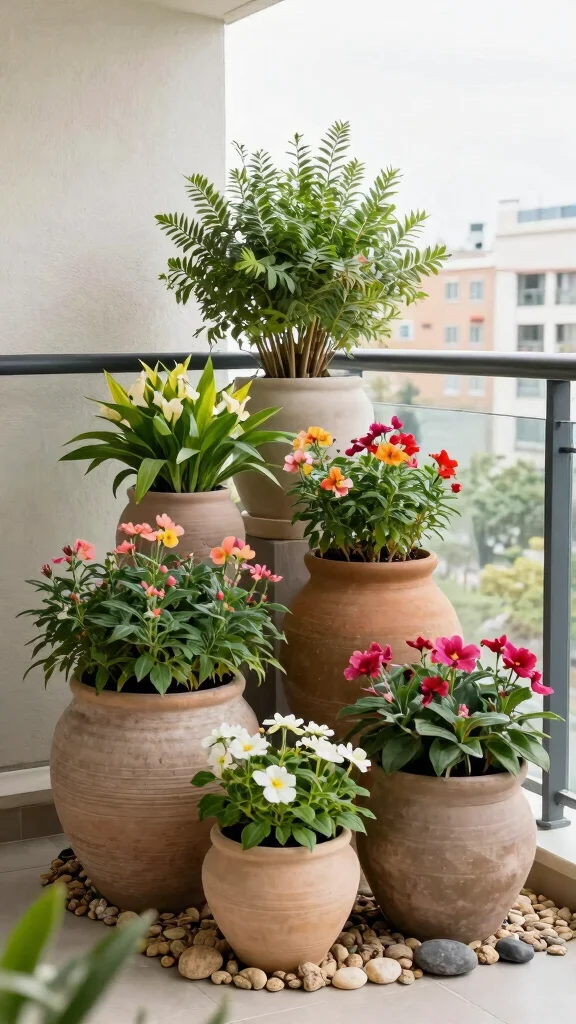
Create a visually captivating scene by grouping multiple large pots together. This technique is especially effective in urban settings, where space is limited but impactful design is desired. Mixing different heights and shapes will create a lively arrangement that draws the eye.
Consider varying sizes and shapes to craft an engaging look. Using a consistent color palette for your pots allows the plants to shine, while height variations add depth to your display.
Effective grouping strategies:
– Combine varied sizes for interest.
– Stick to a unified color scheme for cohesion.
– Place taller pots at the back for depth.
Grouping pots enhances the lush feel of your outdoor environment, making it a delightful oasis.
You might also like


Grouped Collections
Editor’s Choice
Lattice Design Outdoor Planter Box – 14.75” Square 13” Tall Black Pl…
6. Functional Edging

Incorporate large pots as natural dividers within your landscape, defining spaces and enhancing pathways. This clever technique separates different areas of your garden while also adding a touch of elegance.
Positioning pots along paths creates clear distinctions between walking areas and garden beds. Choosing taller plants ensures visibility, while colorful pots against neutral pathways offer striking contrasts.
How to effectively use pots for edging:
– Align pots along pathways for clear demarcation.
– Select tall plants for visibility.
– Use colorful pots for striking impact.
This practical design choice beautifies your garden while enhancing organization, making navigation a breeze.
Make your urban space feel intentional by using large pots in landscaping as functional edging. Line them along pathways to separate beds, and pick taller plants for visibility and colorful pots for bold contrast.
Functional Edging
Editor’s Choice
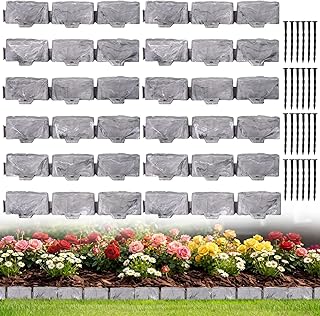
Landscape Edging Garden Edging Border Faux Stone Edging,17FT x 2.75 in T…
Lattice Design Outdoor Planter Box – 14.75” Square 13” Tall Black Pl…

Live Lavender 2-Pack – Purple – Fragrant Sun Perennial Herb, Pollina…
7. Elevated Planters
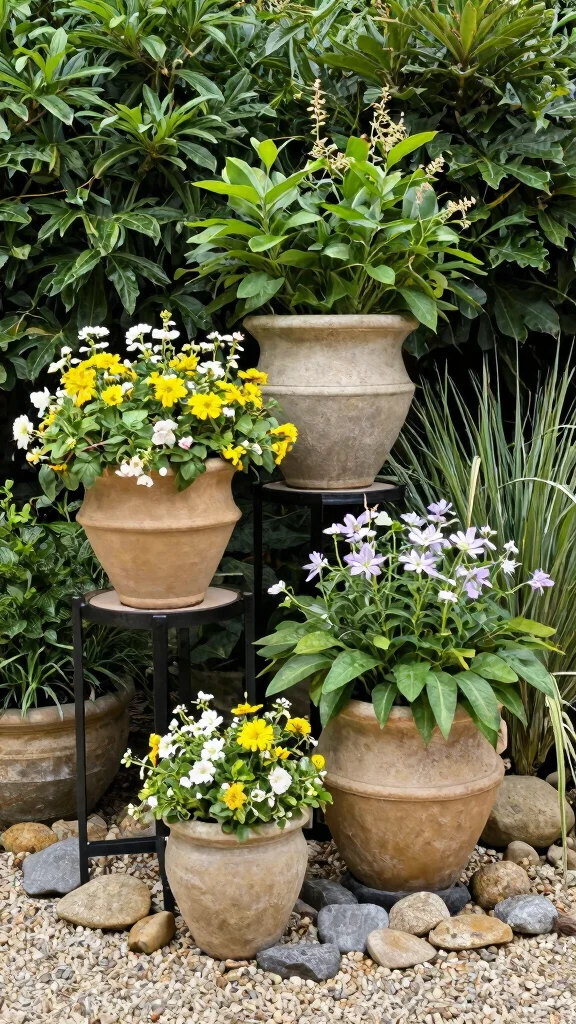
Incorporate elevated large pots into your landscaping for an eye-catching display. By placing pots on stands or tables, you add height and a distinctive perspective to your garden. This method works particularly well in smaller spaces where traditional planting might be challenging.
Varying the heights of your elevated pots creates a tiered effect that adds visual depth. Positioning these pots in prominent locations maximizes their impact, while mixing elevated and ground-level pots ensures a cohesive look.
Ways to use elevated planters effectively:
– Vary heights for added depth.
– Place pots in visible locations for maximum effect.
– Mix elevated with ground-level pots for balance.
Elevated planters not only showcase your plants beautifully but also make gardening more accessible for everyone.
Elevated Planters
Editor’s Choice

Simple Trending 3 Tier Metal Plant Stand Outdoor Indoor Waterproof, Stac…

LuxenHome 15.75″ Dia Large Ceramic Pots for Plants, Blue Glazed Planters…
8. Colorful Contrasts

Let your large pots speak volumes by choosing bold, contrasting colors that stand out against your landscape. Colorful pots serve as design statements while also highlighting the plants inside. The interplay between pot and plant colors can create stunning visual contrasts that elevate your outdoor space.
Select pot colors that either complement or provide striking contrasts with the plants. Bright hues like turquoise, yellow, or red can energize your garden, while seasonal shifts in pot colors keep the look fresh and lively.
Creative tips for color pairing:
– Match pot colors with plant hues for harmony.
– Choose bold colors for vibrancy.
– Update pots with the seasons for freshness.
This technique opens up endless creative possibilities, significantly enhancing your landscaping.
Did you know that bold pot colors can boost visual impact by up to 30%? Large pots in landscaping turn simple plantings into color statements, especially in urban spaces. Pair turquoise or yellow with dark greens for instant drama you can recreate today.
You Might Also Like


Colorful Contrasts
Editor’s Choice

Keter Stone Tapered Planter Set of 2, Tall 26.4‑Inch Resin Outdoor Flo…

Anyumocz 60 Pcs 1 Gallon Flexible Plant Nursery Pots,Thickened Soft Plas…

Gepege 6 Inch Beaded Ceramic Planter Set of 2 with Drainage Hole and Sau…
9. Mixed Plant Arrangements

Embrace the beauty of diversity by crafting mixed plant arrangements in your large pots. Combining various species can lead to eye-catching displays while promoting biodiversity in your garden. Opt for plants that bloom at different times to ensure continuous visual interest.
When mixing plants, layer them by height and texture for a dynamic arrangement. Be mindful of growth habits to prevent overcrowding, and choose a variety of plants that flower at different times for ongoing beauty.
Successful tips for mixing plants:
– Layer plants from tall to short for depth.
– Select plants with compatible growth habits.
– Aim for seasonal blooms for year-round interest.
These mixed arrangements can create stunning displays that reflect nature’s beauty while keeping your garden vibrant and alive.
Mixed Plant Arrangements
Editor’s Choice
Burpee, 9 Quarts | Premium Organic Potting Natural Soil Mix Food Ideal f…

Quarut 12 Inch Pots for Plants,4 Pack Large Flower Pots with Drainage Ho…

Miracle-Gro Pour & Feed Plant Food – Outdoor and Indoor Plant Fertilizer…
Conclusion

Incorporating large pots into your landscaping is a fantastic way to elevate your outdoor space and add drama. Whether you opt for bold colors, unique textures, or mixed plant arrangements, these pots can create stunning focal points that invite admiration and engagement. Explore these ideas and let your creativity flow as you design your urban garden sanctuary!
Don’t forget to share your own large pot arrangements and inspire others!
Note: We aim to provide accurate product links, but some may occasionally expire or become unavailable. If this happens, please search directly on Amazon for the product or a suitable alternative.
This post contains Amazon affiliate links, meaning we may earn a small commission if you purchase through our links, at no extra cost to you.
Frequently Asked Questions
How can large pots in landscaping add instant drama to an urban outdoor space?
Large pots in landscaping can instantly become focal points and add drama to urban spaces. Start with a bold color palette that contrasts with your building or surrounding greenery to make the pots stand out. Create rhythm by grouping pots in odd numbers (three or five) and varying heights with stands or pedestals to add vertical interest. Place the largest pot near entryways or along pathways to guide the eye and define seating or patio zones. Choose durable outdoor planters made for the elements (fiberglass, resin, or concrete) with proper drainage, so your plants thrive in container gardening. For year-round impact, pair evergreen silhouettes with seasonal color and consider subtle landscape decor like lighting to highlight the pots after dark.
What are the best sizes, materials, and finishes for outdoor planters in container gardening with large pots?
Sizes matter for scale and plant health: use tall statement pots for drama, plus mid-size and small accents to create a layered look. For urban setups, materials like fiberglass or resin keep weight manageable on balconies, while concrete or ceramic add permanence and texture. Finishes range from matte to glossy; matte hides dirt and wear, textured surfaces resist chipping, and color choices can tie into your garden design theme. Always ensure drainage holes and saucers, and size each pot to the plant’s root ball with extra room for growth. Consider self-watering inserts for low-maintenance container gardening in busy urban spaces.
How should I arrange flower pot arrangements to maximize impact in garden design using large pots?
Think in groups and rhythm. Start with a focal trio: a tall specimen, a mid-height filler, and a trailing plant to soften edges, then repeat the pattern across your space for cohesion. Use a cohesive color story across all outdoor planters to unify the look, while varying shapes and textures for visual interest. Place arrangements at entryways, along pathways, or around a seating area to guide movement and create inviting moments. For flower pot arrangements, mix flowering annuals with sturdy perennials so you enjoy color now and in seasons to come.
What plants thrive in large pots for urban spaces, and how do I care for them?
Urban-friendly choices include sun-loving options like lavender, salvia, agave, yucca, and ornamental grasses, plus shade-tolerant options like ferns, hostas, and begonias. Use a high-quality potting mix with good drainage and fill the pot about two-thirds with soil to leave room for roots and watering. Water consistently—containers dry faster than beds—and fertilize monthly during the growing season. In winter, protect tender specimens or move them to sheltered spots, and refresh soil every season to keep container gardening vibrant in limited spaces.
What maintenance tips keep large pots in landscaping vibrant year-round?
Keep things tidy with seasonal pruning and deadheading, and refresh the soil every 1–2 years to prevent root crowding. Check for root-bound plants and repot if needed, and inspect drainage holes after heavy rains. Clean pot surfaces periodically to prevent algae buildup and consider moving or wrapping pots for extreme weather to protect roots. Rotate plant selections to maintain landscape decor and color payoff, ensuring your large pots in landscaping stay bold and beautiful across the seasons.
Related Topics
large pots in landscaping
container gardening
urban gardening
outdoor planters
garden design
landscape decor
flower pot arrangements
drama in gardens
easy landscaping
seasonal planting
beginner friendly
outdoor aesthetics