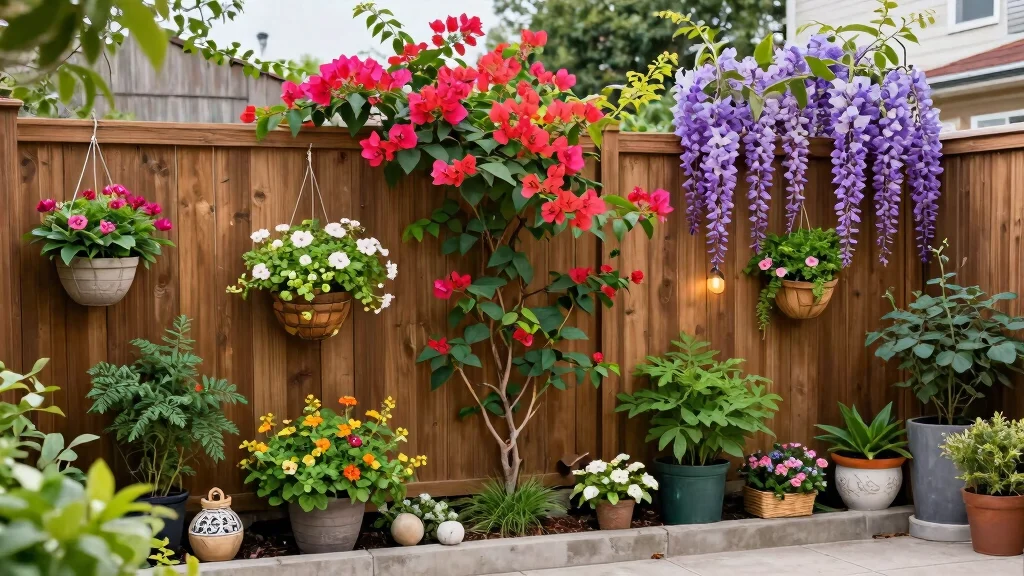
Transforming your back fence from a mere barrier into a stunning garden backdrop can change everything about your outdoor space. If you’ve ever gazed at your plain fence and thought, “This could be so much better,” you’re not alone. Many gardeners crave a more inviting atmosphere that reflects their personality and style. This post is packed with creative *back fence landscaping* ideas that will inspire you to take action and enhance your outdoor living space.
This guide is for anyone who loves gardening or wants to make their backyard a more beautiful and functional area. If you appreciate the beauty of nature and enjoy spending time outdoors, you’ll find these ideas engaging and practical. Whether you want to create a cozy nook for relaxation, add color with flowers, or boost your privacy, this post covers it all. You’ll discover ten landscaping ideas tailored for back fences that are not only visually appealing but also easy to implement.
By the end of this article, you’ll have a treasure trove of ideas that help you transform your space. From climbing plants to decorative lighting, the options are endless. Each idea aims to turn your ordinary fence into a focal point that enhances garden aesthetics and promotes outdoor enjoyment. Let’s dive into these *landscaping ideas* and get inspired to make your backyard a place of beauty and tranquility.
Key Takeaways
– Incorporate climbing vines to add texture and vertical interest to your fence, creating a lush backdrop for your garden.
– Vertical planter boxes help organize plants while maximizing space, making it easy to showcase your favorite flowers or herbs.
– Planting evergreens provides year-round greenery, ensuring your fence looks appealing in every season.
– Use outdoor lighting to create an ambiance in the evenings, turning your backyard into a charming retreat after sunset.
– Consider edible landscaping with fruits and vegetables for a practical twist that enhances beauty and offers fresh produce right from your garden.
1. Climbing Vines for Added Texture

Climbing vines can completely transform your back fence into a lush paradise. These vibrant plants quickly cover dull wooden barriers, infusing your space with life through their rich greens and beautiful blooms. Popular choices like clematis, honeysuckle, and wisteria not only enhance beauty but also attract helpful pollinators, creating a thriving garden environment. Pairing them with a trellis adds both support and elegance to your setup.
To ensure your climbing vines flourish, choose a mix of flowering and evergreen varieties for year-round beauty. Train the vines using wires or trellises to guide their growth effectively. Regularly prune to maintain their health and manageability.
Key benefits of climbing vines:
– Cover fences quickly for instant beauty
– Attract pollinators to enhance biodiversity
– Create a natural privacy screen for your space
A charming display of climbing vines adds enchantment to your garden while enhancing its privacy. The blend of colors and textures can truly elevate your outdoor area.
Climbing Vines for Added Texture
Editor’s Choice

1 Pack Garden Obelisk Trellis for Climbing Plants Outdoor, 6FT Adjustabl…

White Fragrant Japanese Honeysuckle Vine, Starter Plant, Climbing Landsc…
Raymond Evison Clematis – Clematis Giselle (Clematis) Perennial, pink fl…
2. Vertical Planter Boxes for Organized Appeal
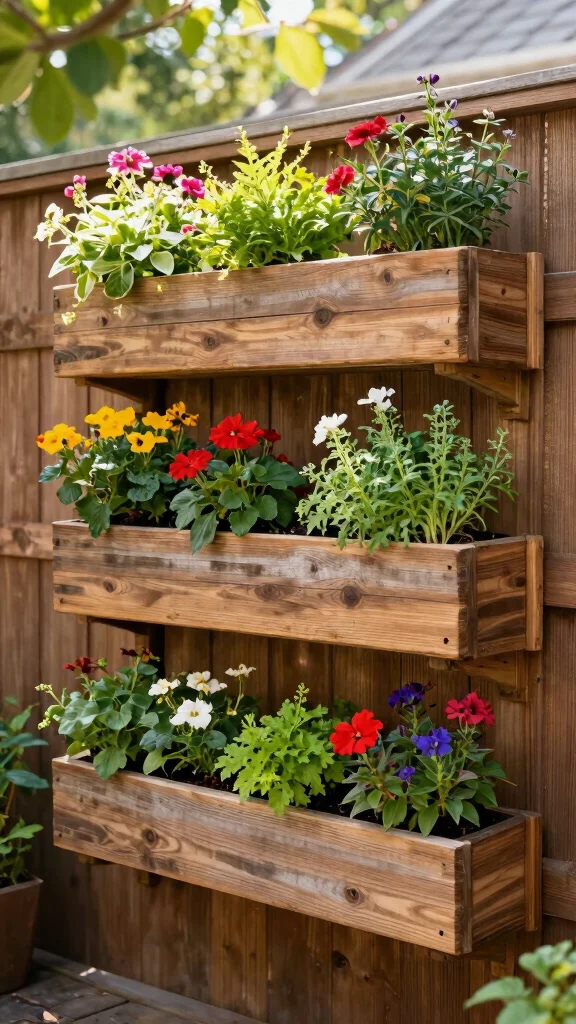
Vertical planter boxes offer a stylish solution for maximizing limited garden space. By mounting these boxes on your fence, you create a neat and organized look while cultivating a variety of plants. From fragrant herbs to cheerful flowers, the possibilities are endless!
To successfully incorporate vertical planter boxes, opt for weather-resistant materials like cedar or composite for durability. Group plants with similar water and light requirements to simplify maintenance. Consider adding a drip irrigation system to ensure your plants remain hydrated with minimal effort.
Steps to implement vertical planters:
– Choose plants like herbs and flowers for diversity
– Arrange boxes to create visual layers
– Use colorful pots for added flair
By embracing vertical gardening, you turn your back fence into a functional and beautiful garden element, enhancing both aesthetics and outdoor enjoyment.
📹 Related Video: Turn Fence Pickets Into This Vertical Planter
Vertical Planter Boxes for Organized Appeal
Editor’s Choice
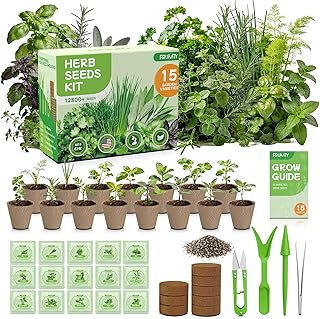
Herb Garden Starter Kit – Fruivity 12800+ 15 in 1 Herb Heirloom Seed K…

TOREVSIOR 5-Tier Vertical Raised Garden Bed, Vertical Garden Planter wit…

Raised Garden Beds with 6 Garden Planter Boxes Indoor Outdoor Vertical R…
3. Lush Greenery with Evergreen Plants

Incorporating evergreen plants is a smart way to keep your fence vibrant throughout the year. These hardy plants provide a beautiful backdrop with their rich foliage, ensuring your landscape retains its appeal even during winter. Consider varieties like boxwood, holly, and juniper for a polished look.
To enhance your fence with evergreen plants, mix different types and heights for depth and texture. Add seasonal decorations to keep the display fresh. Using mulch at the base helps retain moisture and reduce weeds.
Benefits of using evergreen plants:
– Maintain visual interest all year round
– Act as natural privacy screens
– Provide a clean and structured appearance
Evergreen plants not only beautify your garden but also create a serene escape, adding tranquility to your outdoor space.
Evergreen magic: small changes, big payoff. Layer boxwood, holly, and juniper at varying heights for a living backdrop that keeps your back fence vibrant year-round—no more winter drab. Plus, seasonal decorations can snap the look into focus in minutes.
Lush Greenery with Evergreen Plants
Editor’s Choice

Old Gold Juniper – 5 Live 4 inch Pots – Juniperus Chinensis – Evergreen …

Wintergreen Boxwood | 1 Live 4 Inch Plant | Buxus Microphylla | Evergree…

Midwest Home Landscaping, Fourth Edition: 46 Landscape Designs, 200+ Pla…
4. Colorful Flower Displays

A stunning display of colorful flowers can instantly uplift the mood of your garden. By creating a flower arrangement against your back fence, you add a touch of charm that draws the eye. Whether you choose annuals, perennials, or a mix, the right flowers can bring a vibrant palette that evolves with the seasons.
To achieve an eye-catching flower display, select blooms that flower at various times for continuous color. Consider a cohesive color scheme to maintain harmony in your garden. Planting in clusters will enhance the overall visual impact.
Tips for a vibrant flower display:
– Choose a mix of heights for depth
– Incorporate fragrant varieties for sensory appeal
– Use contrasting colors for a dynamic look
A thoughtfully planned flower display will transform your back fence into a beautiful focal point, inviting guests to enjoy the wonders of nature.
How To Choose the Right Plants for Back Fence Landscaping
When it comes to transforming your back fence into a stunning garden backdrop, selecting the right plants is key. The plants you choose will determine not only the aesthetics but also how much maintenance your garden will require. Here are some important factors to keep in mind as you make your selections:
1. Consider Your Climate
The first step in choosing plants is understanding your local climate. Some plants thrive in warm, sunny environments while others prefer cooler, shaded areas. Research the USDA hardiness zones for your area to find plants that can withstand local temperatures and conditions. You want your chosen plants to flourish throughout the seasons, so make sure they fit your climate profile!
2. Assess Sunlight Availability
Next, evaluate how much sunlight your back fence area receives throughout the day. Full-sun plants require at least six hours of direct sunlight, while shade-loving varieties do best in areas that receive filtered light. You can use a simple sun chart to track sunlight exposure over a week, helping you place the right plants in the right spots for maximum growth and health.
3. Determine Your Space Constraints
Before purchasing plants, measure the area available for landscaping. Consider the height and spread of your chosen plants when they mature. You don’t want to overcrowd your garden or block the view entirely. As a rule of thumb, leave enough space between plants to allow for healthy growth—around 1-2 feet apart is a good start for many species.
4. Think About Maintenance Needs
Different plants come with varying requirements. Some need regular watering, frequent pruning, or specific soil types to thrive. Decide how much time you can realistically dedicate to plant care. If you want a low-maintenance garden, opt for drought-resistant and native plants that adapt well to your soil and climate.
5. Choose for Aesthetic Appeal
Consider the visual impact of your plants. Will they provide year-round color or seasonal interest? Mixing evergreen plants with colorful flowers or vibrant foliage can create a dynamic landscape. Think about the texture as well; combining spiky, broad, and cascading plants will add depth and intrigue to your design.
6. Look for Edible Options
If you’re interested in practical beauty, consider incorporating edible plants into your back fence landscaping. Herbs, fruits, and vegetables not only enhance your garden’s aesthetics but also provide fresh produce for your kitchen. Plants like climbing beans or berry bushes can add both vertical interest and delicious rewards!
Pro Tip: Before making a final decision, visit local gardens or nurseries to see the plants in person. This will give you a better idea of their size, texture, and how they will fit into your overall design. Plus, you’ll receive valuable tips from local gardening experts!
Choosing the right plants for your back fence landscaping can turn a plain barrier into a breathtaking garden feature. Keep these factors in mind to create a space that you’ll love for years to come. Happy gardening!
Colorful Flower Displays
Editor’s Choice

Natural Bamboo Trellis, 4Feet,3Pack,Fan-Shaped Plant Support Trellis for…
5. Vertical Gardening with Pallet Planters
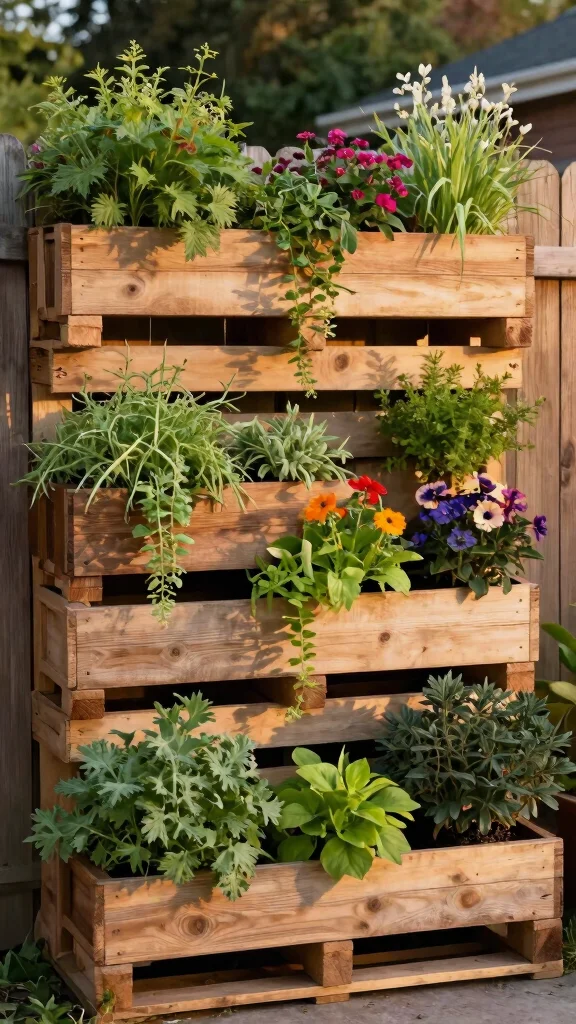
Pallets present a creative and eco-friendly way to utilize your back fence space. These versatile structures can be converted into beautiful vertical gardens, allowing you to grow everything from flowers to herbs, while adding rustic charm to your area.
To create pallet planters, begin by sanding down the pallets to prevent splinters. Attach landscape fabric to the back to hold soil while allowing drainage. Fill them with soil and plant your favorites.
Steps to make pallet planters:
– Sand and prepare the pallets thoroughly
– Choose plants that thrive vertically
– Decorate with paint or stencils for personality
Pallet planters not only serve a practical purpose but also showcase your creativity, turning your fence into a unique piece of art.
You might also like


Vertical Gardening with Pallet Planters
Editor’s Choice

OYEAL Raised Garden Bed 32″ Tall Elevated Planter Boxes with Trellis & L…

Miracle-Gro Potting Mix – For Container Plants, Flowers, Vegetables, Shr…

LAVEVE 4FT x 100FT Weed Barrier Landscape Fabric, 3.2oz Premium Heavy Du…
6. Trellis Structures for Vertical Growth

Trellis structures are excellent for supporting climbing plants while adding a unique visual element to your back fence. Available in various designs, they can be made from wood, metal, or even repurposed materials. A trellis elevates your garden’s design, making it feel more structured and inviting.
To incorporate trellises, position them strategically for optimal plant growth. Select decorative styles that enhance your backyard’s overall aesthetic. Pair them with flowering vines for a stunning focal point.
Ways to use trellises effectively:
– Choose designs that complement your garden
– Allow plants ample space to climb
– Use multiple trellises for layered effects
With trellises, you can create breathtaking vertical gardens that maximize space while adding beauty to your backyard.
Fun fact: A lightweight trellis can double your vertical growing space in a season. In back fence landscaping, pair it with flowering vines, train them along the slats, and you’ll enjoy color and privacy without crowding the gate.
Trellis Structures for Vertical Growth
Editor’s Choice

G TALECO GEAR Vertical Garden Planter, 5 Tiers Vertical Raised Garden Be…
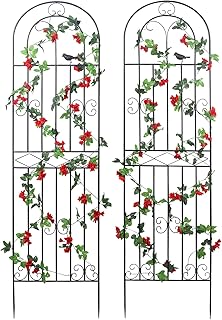
2 Pack 70.8″ H x 19.7″ W Metal Garden Trellis with Black Coating, Wire L…

VINGLI 85in Wooden Arbor, Wedding Arch for Ceremony, Wood Trellis for Pl…
7. Outdoor Lighting for Evening Ambiance
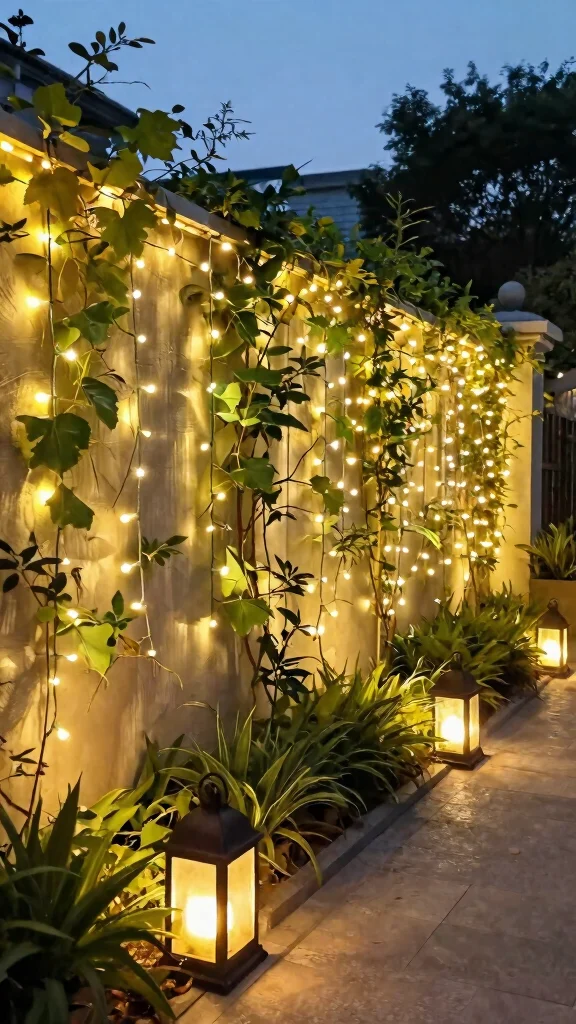
Enhancing your back fence with outdoor lighting can completely change your outdoor experience. As darkness falls, strategically placed lights create a magical atmosphere, letting you enjoy your garden day or night. String lights, lanterns, or solar fixtures can beautifully highlight your plants and fence.
For effective outdoor lighting, choose warm white bulbs to create a cozy vibe. Focus lights on specific plants or garden features to draw attention. Using timers adds convenience and ensures lights are on when you need them.
Key lighting tips:
– Highlight plants with unique shapes or colors
– Use lights to define pathways and sitting areas
– Experiment with different light positions for effects
With well-placed lighting, your back fence transforms into a charming evening retreat, adding warmth and allure to your outdoor living area.
Outdoor Lighting for Evening Ambiance
Editor’s Choice

TW SHINE Warm White Christmas Lights Outdoor, 20FT 100 Count Incandescen…

2 Pack Solar Lanterns Outdoor Waterproof, Flickering Flame Hanging Lante…

REEGOLD Low Voltage Landscape Lights Outdoor: 7W 700LM LED Landscape Lig…
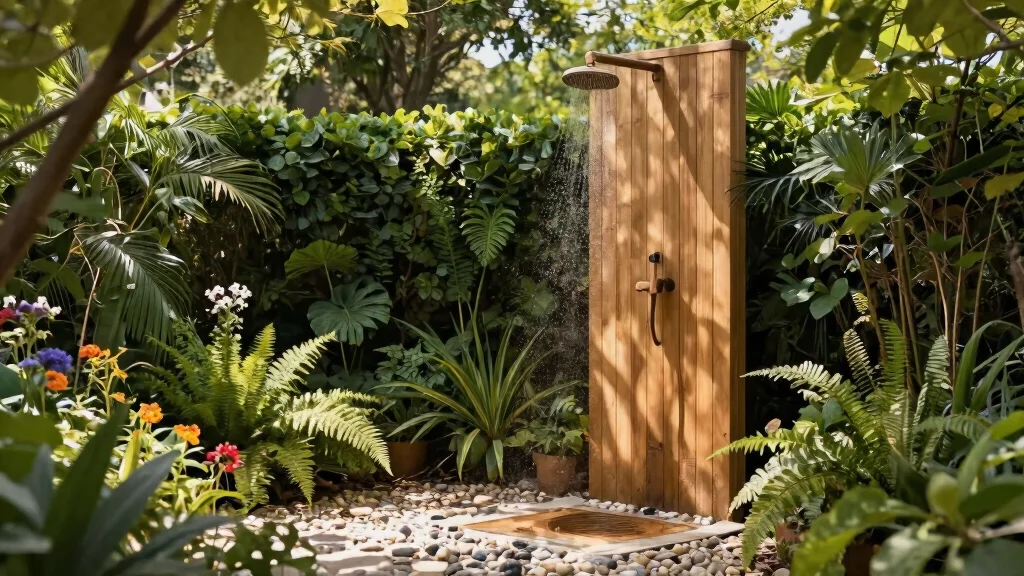
8. Seasonal Décor for a Changing Landscape

Seasonal décor is a fantastic way to keep your back fence fresh and interesting all year long. By incorporating elements that reflect the seasons—like pumpkins in fall, snowflakes in winter, flowers in spring, and beach themes in summer—you can easily change your garden’s look.
Creative ideas for seasonal décor include installing decorative brackets for hanging wreaths. Use natural elements like stones or branches to create themed displays. Rotating decorations will help maintain a lively atmosphere throughout the year.
Ideas for seasonal decoration:
– Use vibrant colors to match seasonal themes
– Create DIY decorations for a personal touch
– Incorporate lights for evening appeal
With seasonal décor, your back fence gains a personality that evolves with the year, making your outdoor space feel vibrant and full of life.
You Might Also Like
Seasonal Décor for a Changing Landscape
Editor’s Choice

Elements Periodic Table Real, 99.99% Purity, Sealed in Plastic Bottle, f…

6 Pack Wall Hanger Fastener, Stainless Steel Wall Mount Brackets Hook wi…

5 PCS Garden Outdoor Decorative Ornaments, Insects Decorations for Outdo…
9. Edible Landscaping for Practical Beauty
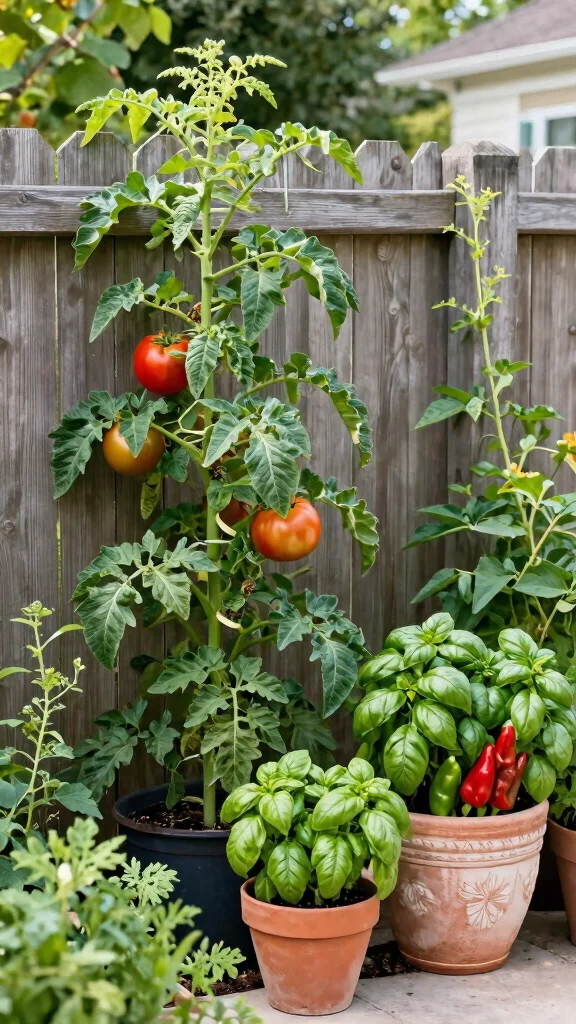
Why not blend beauty and practicality with edible landscaping? Planting fruits, vegetables, and herbs along your back fence not only beautifies your garden but also provides fresh produce right at your fingertips. Imagine stepping outside to pick ripe tomatoes or fragrant basil for your meals!
To create an edible landscape, select plants suited for your climate and sunlight conditions. Incorporate companion planting to optimize space and health. Decorative pots or vertical planters can add structure while growing your favorites.
Steps for edible landscaping:
– Choose plants that thrive in your environment
– Plan for seasonal rotations for variety
– Use decorative containers for added style
With edible landscaping, your back fence becomes a beautiful and functional element, offering both eye-catching visuals and delicious produce.
❝ Edible landscaping turns back fence pages into meal-ready moments. When you plant herbs, greens, and tiny fruiting vines along your back fence, you’ll reach fresh flavors within arm’s reach—no extra trips required. Start with climate-smart companions and vertical planters to maximize space. ❞
Edible Landscaping for Practical Beauty
Editor’s Choice
TOREVSIOR 5-Tier Vertical Raised Garden Bed, Vertical Garden Planter wit…

Edible Landscaping: Now You Can Have Your Gorgeous Garden and Eat It Too!

Hlukana Ceramic Plant Pots Set of 3, 6.75/5.6/4.2 inch Planters with Dra…
10. Rustic Accents for Character

Adding rustic accents can give your back fence a unique character, making it feel warm and inviting. Think about incorporating wooden pallets, vintage garden tools, or repurposed furniture to create decorative features in your garden design. These elements can tell a story and enhance the charm of your outdoor space.
Ways to introduce rustic accents include using vintage crates as plant stands or storage. Hang old garden tools creatively for added character. Reclaimed wood can be fashioned into art pieces or signs for a personal touch.
Creative rustic ideas:
– Use natural colors to blend with plants
– Incorporate handmade items for authenticity
– Mix textures for visual interest
By adding rustic accents, you create an inviting atmosphere that feels lived-in and full of personality, encouraging everyone to appreciate your garden.
Rustic Accents for Character
Editor’s Choice

Winlyn Rustic Wooden Planter Box 17.3″ L x 3.9″ W x 3.9″ H Brown Rectang…

The Bridge Collection 3.5″ Vintage-Style Garden Tool Ornament – Metal an…

Rustic Revival | Handmade Reclaimed Barnwood Craft Bundle | Unfinished A…
Conclusion

Transforming your back fence into a stunning garden backdrop is entirely possible with the right ideas and a bit of creativity. Whether you opt for vibrant flowers, climbing vines, or even a rustic touch, your fence can elevate the entire ambiance of your outdoor space. As you explore these landscaping ideas, remember to consider your personal style and the functionality you desire. Let your garden become a reflection of you while enjoying the beauty it brings to your outdoor living area.
Note: We aim to provide accurate product links, but some may occasionally expire or become unavailable. If this happens, please search directly on Amazon for the product or a suitable alternative.
This post contains Amazon affiliate links, meaning we may earn a small commission if you purchase through our links, at no extra cost to you.
Frequently Asked Questions
What are simple back fence landscaping ideas to transform a plain barrier into a garden backdrop?
Start with a plan for your back fence landscaping by identifying sun exposure, scale, and the vibe you want. For quick impact, add a trellis with climbing plants like clematis or jasmine, or install shallow vertical planters and pocket panels for vertical gardening. Choose a cohesive color palette and repeat textures to boost garden aesthetics. Mix evergreen structure plants with seasonal blooms for year-round interest. For privacy in privacy fence landscaping, use dense shrubs or bamboo screens layered with flowering vines. Finish with subtle outdoor lighting and a small seating area to extend outdoor living right along the fence.
Tip: align plant heights in a gentle stepped pattern to avoid a flat wall and keep maintenance easy.
How can vertical gardening for back fence spaces enhance privacy and garden aesthetics?
Vertical gardening for back fence spaces can turn a flat barrier into living art. Install wall-mounted planters, pocket panels, or a small living wall to add height and texture without stealing ground space. Choose plants that tolerate your climate and sun: for sun, pair flowering vines with leafy filler; for shade, ferns and evergreen climbers work well. This is a core part of garden design and privacy fence landscaping, helping you gain privacy while boosting garden aesthetics and outdoor living potential. Pair with rail planters and a lightweight trellis for seasonal blossoms. Ensure irrigation and drainage: drip lines or self-watering planters keep maintenance low.
Pro tip: label zones so you can rotate seasonal blooms without overhauling the whole wall.
What are budget-friendly garden design tips for back fence landscaping?
Back fence landscaping doesn’t have to break the bank. Start with inexpensive vertical options like repurposed pallet planters or fabric garden pockets; these are perfect for vertical gardening in tight spaces. Use color blocks and repetition to guide garden design and landscaping ideas. Grow fast-growing herbs, nasturtiums, or zinnias in wall-mounted or ground-level containers. Use mulch and compost to improve soil and reduce watering. Build DIY trellises from lightweight wood or metal. For privacy, plant fast-growing evergreens or tall grasses in pots. Finish with solar string lights to create ambiance for outdoor living at a budget-friendly cost.
Remember to compost scraps and reuse containers where possible to maximize sustainability.
Which landscaping ideas help create an inviting outdoor living area along a back fence?
Use the back fence as a stage for outdoor living by adding a slim seating nook, weatherproof cushions, and a small table near the fence. Plant vertical borders that soften the barrier and add color. Use hanging planters, narrow shelves, and LED lighting along the fence for ambiance. Choose a color palette that complements your home exterior to enhance garden aesthetics and privacy fence landscaping. Consider a herb or cutting garden along the base to supply an edible backdrop. Use weather-resistant materials and ensure easy access to water for ongoing maintenance.
With thoughtful layout, your back fence becomes a welcoming extension of your living space.
How do I maintain low-maintenance back fence landscaping without sacrificing color and texture?
Choose native or drought-tolerant plants that fit your sun exposure and climate; they require less water and maintenance, keeping your back fence landscaping vibrant with less effort. Use mulch to suppress weeds and conserve moisture; a simple drip irrigation line makes watering easy. Use a mix of evergreen structure plants for year-round interest and seasonal color with container perennials or annuals. Prune on a simple schedule and pair with low-maintenance hardscaping like gravel or stepping stones. This approach supports long-term garden design and landscaping ideas while keeping privacy fence landscaping looking neat with minimal work.
Tip: choose native species to attract pollinators and reduce fertilizer needs.
Related Topics
back fence landscaping
vertical gardening
outdoor living
garden design
privacy fence landscaping
easy landscaping
seasonal flowers
garden aesthetics
DIY garden projects
beginner gardening
creative fencing
sustainable gardening