
Creating a beautiful yard is more than just planting flowers and mowing the lawn. It involves thoughtful design choices that can make your outdoor space feel put together and professionally crafted. That’s why I’ve put together this guide on landscaping borders edging. This post is for anyone who wants their yard to stand out, whether you’re a gardening enthusiast or someone simply looking to elevate your home’s curb appeal.
If you care about how your outdoor areas look and feel, this guide is for you. You might be searching for affordable, DIY-friendly options or eco-conscious materials that are kind to the environment while still looking fabulous. With so many choices out there, crafting the perfect boundary for your garden can seem overwhelming. I’ve gathered 9 creative landscaping border edging ideas that you can easily implement. These ideas are practical, stylish, and will leave your yard looking as if it was designed by a professional.
By the end of this post, you’ll have a variety of garden border ideas that can transform your yard from ordinary to extraordinary. Each idea comes with its own unique charm and appeal, ensuring there’s something for everyone. Whether you’re going for rustic wood, modern metal, or eco-friendly recycled materials, you’ll find the perfect edging solution to enhance your outdoor space.
Key Takeaways
– Diverse Options: You’ll discover nine unique landscaping border edging ideas, each with its own aesthetic and practical benefits.
– Eco-Friendly Choices: Learn about edging materials made from recycled or natural elements, allowing you to beautify your garden while caring for the planet.
– DIY Friendly: Many of the suggestions are easy to implement, making them suitable for both experienced gardeners and beginners alike.
– Professional Look: The right border edging can instantly give your yard a polished, cohesive appearance, enhancing your home’s overall curb appeal.
– Practical Tips: Each idea comes with tips on installation and maintenance, helping you make informed decisions on your landscaping choices.
1. Rustic Reclaimed Wood Borders

Imagine bringing a touch of nature into your yard with reclaimed wood. This eco-friendly material not only tells a story but also adds a unique charm to your landscaping. Whether you want to create simple frames or intricate designs, reclaimed wood offers versatility and character. Plus, its rustic appeal enhances the warmth of any garden setting.
To maintain its beauty, apply natural oils or stains that are safe for the environment. Consider using it for raised beds or to soften the edges of pathways. This sustainable option helps keep waste out of landfills and looks stunning at the same time.
Steps for success:
– Choose wood that is free of harmful chemicals.
– Add mulch inside the borders for soil protection.
– Combine with perennial plants for a lasting visual impact.
This choice not only beautifies your space but also supports eco-conscious practices, making your garden a more inviting place.
Fun fact: Reclaimed wood used for landscaping borders edging adds instant character while cutting waste—often up to 60% less material impact. Apply natural oils or eco-friendly finishes, and your garden stays warm, durable, and proudly planet-friendly.
Rustic Reclaimed Wood Borders
Editor’s Choice

9.6ft L x 3.9in H Landscape Edging – Sturdy Anti-Corrosive Wood Garden E…

2. Stone Edging for a Timeless Appeal

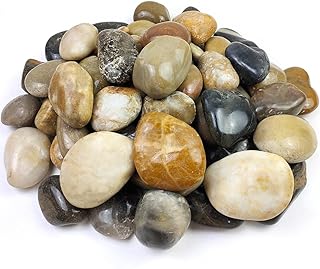
Looking for a classic touch for your garden? Stone edging provides a timeless appeal that can elevate any landscape design. With options ranging from smooth river stones to rustic field stones, you can create a border that perfectly complements your plants. These stones also serve a functional purpose, helping to retain soil and deter pesky weeds.
Additionally, stones absorb heat, creating a warmer environment for your plants, especially in cooler climates. Mixing different stone types can add a personalized flair, making your garden truly unique.
Creative ideas:
– Combine various sizes and colors of stones for a custom look.
– Build a low stone wall for a defined border.
– Select stones that match your home’s architecture for a cohesive design.
This enduring choice not only enhances aesthetics but also supports the health of your garden, creating a welcoming environment for all.
Stone Edging for a Timeless Appeal
Editor’s Choice

YISZM 20lbs Natural River Rocks, 3″-4″ Premium Pebbles for Garden and La…
YISZM 40lbs Large River Rocks for Landscaping, 3-4″ Decorative Pebbles f…

Large River Rocks for Landscaping, 3-4 Inch Mixed Colors Pebbles for Pla…

20 lbs Rocks for Outdoor Landscaping, 3″-4″ Aquarium Rocks for Fish Tank…

40 LBS Large Natural River Rocks – 2-3.5 Inch Unpolished Decorative Pebb…
3. Metal Borders for a Modern Touch

If your style leans towards contemporary, consider metal edging for your garden. Materials like aluminum and corten steel provide a sleek, sophisticated look that perfectly aligns with modern landscaping trends. These borders are not only attractive but also incredibly durable, standing up to the elements over time.
When installed properly, metal edging offers clean lines that beautifully define your garden beds and pathways. The reflective surfaces can enhance the garden’s ambiance, adding depth and interest through light play.
Installation tips:
– Ensure edges are smooth to avoid any injuries.
– Use metal stakes to keep borders secure.
– Opt for rust-resistant materials for long-lasting beauty.
This modern choice transforms your outdoor space, providing a striking contrast that highlights your plantings.
Fun fact: Metal borders can last 20+ years with minimal upkeep, turning a yard into lasting curb appeal. Aluminum and corten steel create clean lines that define beds and paths—no-fuss edges, big impact, and a truly modern touch for your landscaping borders edging.
📹 Related Video: EASY LANDSCAPING IDEAS.. INSTALL METAL LANDSCAPE EDGING IN YOUR GARDEN/FLOWER BED
Metal Borders for a Modern Touch
Editor’s Choice

EasyFlex No-Dig Landscape Edging with Anchoring Spikes, 2.7 in Tall Deco…
![Landscape Edging 33FT,Garden Edging Borders [Extra Tall 4IN High] Flexib...](https://m.media-amazon.com/images/I/61g6PosFAJL._AC_UL320_.jpg)
Landscape Edging 33FT,Garden Edging Borders [Extra Tall 4IN High] Flexib…

Worth Garden 6 Pack Cor-Ten Steel Landscape Edging w/Rust Patina Finish …
4. Natural Grass Edging
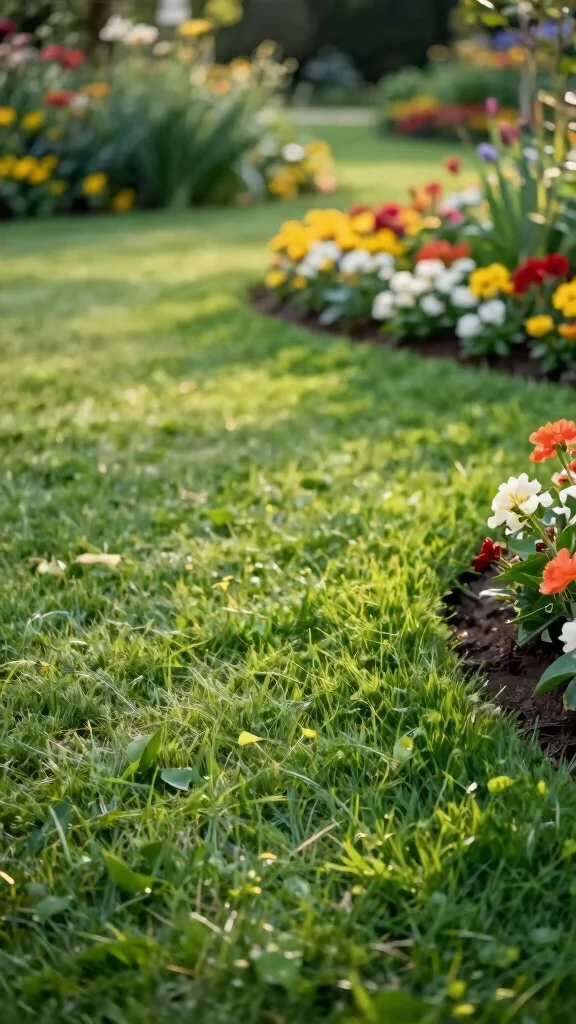
For a softer, more organic feel, natural grass makes an excellent edging option. Allowing grass to grow along the edges of your garden beds creates a gentle, flowing transition that blends harmoniously with your landscape. This approach not only looks beautiful but also offers practical benefits, such as preventing soil erosion.
Grass requires minimal upkeep and can be easily trimmed to maintain a tidy appearance. You can even select specific grass species to define areas and enhance the natural beauty of your garden.
Maintenance tips:
– Regularly mow to keep the edge neat and tidy.
– Choose clumping grasses to control spreading.
– Water during dry spells to ensure lush growth.
This natural choice creates a seamless connection between your garden and lawn, enhancing the overall aesthetic while being easy to care for.
Choosing natural grass edging for landscaping borders edging gives your yard a soft, flowing transition that truly feels designed. It blends beds with the lawn, reduces clutter, and stays low-maintenance—keeping your space looking fresh with minimal effort.
Natural Grass Edging
Editor’s Choice

Colwelt Saw-Tooth Edger Lawn Tool, Half Moon Lawn Edger with T-Grip, Sid…

Fiskars Bypass Pruning Shears, 5/8″ Cut Capacity Gardening Scissors, Sel…

Outsidepride White Pampas Grass Seeds – 1,000 Pcs. Perennial, Drought-…
5. Creative Brick Borders

Bricks offer a charming and adaptable option for landscaping borders. You can arrange them in various patterns like herringbone or basketweave to create an eye-catching design. Bricks provide a sturdy structure that helps keep soil in place while beautifully outlining your garden paths.
Combining bricks with other materials, like stone or wood, can add texture and depth to your landscape. Depending on the color palette you choose, brick borders can match both traditional and modern garden styles.
Design ideas:
– Use reclaimed bricks for an eco-friendly touch.
– Mix different colors and sizes for a unique look.
– Stack bricks to create raised garden beds.
This versatile option not only strengthens your landscape but also adds a delightful charm that enhances your outdoor space.
You might also like

Creative Brick Borders
Editor’s Choice

GREBSTK Crack Weeder Crevice Weeding Tool Stainless Steel Manual Weeder …

4 pcs Beautiful Plastic Form Big Pathmaker Concrete Molds Cement Molds f…
6. Eclectic Shell or Gravel Borders

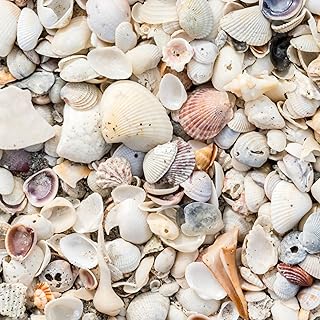
For a unique twist, consider using shells or gravel as your garden edging. This choice brings a relaxed, beachy vibe that can transform your yard into a coastal escape. Shells can be artistically arranged along garden edges, while gravel provides a more structured appearance.
Both materials are eco-friendly and promote excellent drainage, benefiting your plants. Shells work particularly well around tropical varieties, while gravel serves as a practical alternative to mulch, helping to reduce weeds.
Tips to consider:
– Select ethically sourced shells for a responsible choice.
– Use colorful gravel to add visual interest.
– Pair with drought-tolerant plants for low-maintenance beauty.
This creative option not only beautifies your space but also supports a healthy garden environment, making your outdoor area truly inviting.
Key Trade-offs & Our Top Pick
Option 1: Rustic Reclaimed Wood Borders
– Pros:
– Eco-friendly choice using recycled materials 🌳
– Adds a charming, natural look to your garden 🏡
– Cons:
– Prone to rot and pests over time 🐛
– Requires regular maintenance to keep it looking good 🔧
– Best for: Those wanting to create a cozy, rustic atmosphere in their garden.
Option 2: Stone Edging for a Timeless Appeal
– Pros:
– Highly durable and can last for decades ⏱
– Available in various styles and colors for customization 🎨
– Cons:
– Can be expensive upfront 💸
– Heavy and might require professional installation 🏗
– Best for: Homeowners seeking a classic and long-lasting border solution.
Option 3: Metal Borders for a Modern Touch
– Pros:
– Sleek, modern look that enhances contemporary garden designs ✨
– Rust-resistant options available for longevity 🛡
– Cons:
– Can heat up in the sun, potentially harming surrounding plants ☀️
– Might not blend well with traditional garden styles 🏵
– Best for: Those wanting a minimalistic, modern edge to their garden.
Option 4: Living Plant Borders
– Pros:
– Adds greenery and supports biodiversity 🌼
– Can be shaped and pruned to fit various designs ✂️
– Cons:
– Requires regular watering and care 💧
– Growth might become unruly if not managed 🥴
– Best for: Gardeners looking to create a natural, organic feel.
Option 5: Concrete Borders for Durability
– Pros:
– Extremely durable and long-lasting 🏅
– Can be molded into various shapes for creative designs 🌀
– Cons:
– Can crack over time and is difficult to replace if damaged 🚧
– Not as visually appealing as other options without proper finishes 🖌
– Best for: Those prioritizing durability above all in their garden borders.
Expert Recommendation:
Best Overall: Stone Edging for a Timeless Appeal
Stone edging stands out as the top choice for most people. Its durability ensures it will withstand the test of time, making it a wise investment. Plus, its versatility allows you to blend it into any design style, whether rustic or modern. When you add in its aesthetic appeal, it’s easy to see why many homeowners choose stone edging.
Why We Picked This:
While stone edging is an excellent choice, some might prefer options like reclaimed wood for a more rustic charm or living plant borders for added greenery. The best edging solution really depends on your garden’s style, maintenance preferences, and budget. Each option has its strengths and weaknesses, so consider what matters most to you before making a decision!
Eclectic Shell or Gravel Borders
Editor’s Choice
GARDENWISE Natural Organic Sea Shell Mulch for Gardens and Landscaping �…

40 LBS Natural Large River Stones – 4-7 Inch Pebbles for Water Feature…
7. Living Plant Borders

Why not use plants themselves as borders? Living plant borders, featuring low-growing perennials or shrubs, add beauty and sustainability to your garden. Plants not only create a natural boundary but also provide habitats for local wildlife and help improve air quality.
Choose hardy plants that won’t grow too tall, ensuring they enhance rather than distract from your design. Incorporating flowering varieties can introduce vibrant colors to your borders, making them even more appealing.
Ideas for selection:
– Pick native plants for easier care and better adaptation.
– Use herbs like lavender for fragrance and utility.
– Add edible plants to create a functional garden.
This choice not only enhances your landscape visually but also supports biodiversity, enriching your garden’s ecosystem.
Living Plant Borders
Editor’s Choice

CarpetC 1500+ Mixed Verbena Seeds for Planting, Creeping Perennial, Drou…
Back to the Roots 100% Organic Mulch, 58 Quart, Expanding Coconut Husk B…
8. Recycled Materials for Eco-Friendly Edging
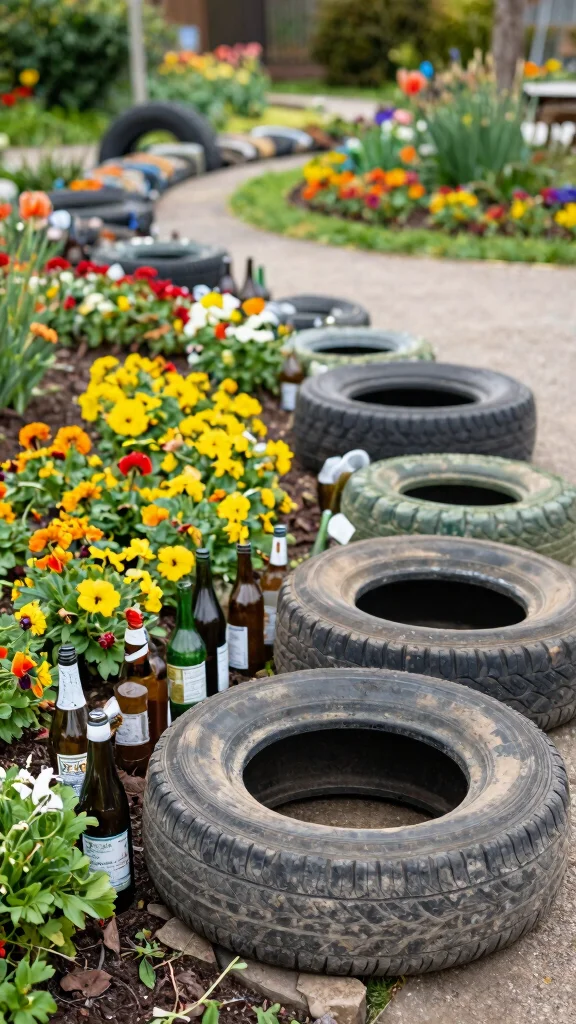
Incorporating recycled materials into your garden borders is a fantastic way to promote sustainability while showcasing your creativity. Old tires, bottles, and reclaimed bricks can be transformed into unique edging solutions that make a statement. This eco-conscious approach not only benefits the planet but also adds a personal touch to your landscape.
Using recycled materials can also save you money, allowing you to express your style without overspending. Be sure to consider how these materials can enhance your garden’s overall aesthetic.
Ideas to get started:
– Collect materials from local recycling centers or exchanges.
– Mix different materials for an eclectic appearance.
– Paint or decorate items for added flair.
This innovative choice not only beautifies your space but also reinforces your commitment to a greener planet, inspiring others to follow suit.
You Might Also Like


Recycled Materials for Eco-Friendly Edging
Editor’s Choice

Wood Garden Edging, Wooden Fence Border Decorative Small Picket Panels f…
9. Concrete Borders for Durability

If you’re seeking durability and style, concrete borders provide an excellent solution. Concrete can be molded and colored to fit a variety of aesthetics, from modern to rustic. Its strength ensures that your garden borders will withstand the test of time, no matter the weather.
You can pour concrete into molds to customize shapes that fit your landscape perfectly. With the right stains or paints, it can mimic the look of natural materials, enhancing your garden’s beauty.
Key considerations:
– Use textured molds for a more artistic finish.
– Choose colors that blend seamlessly with your garden palette.
– Ensure proper drainage to prevent water pooling.
This lasting choice not only adds structure to your garden but also offers endless design possibilities, making your outdoor space truly remarkable.
Concrete Borders for Durability
Editor’s Choice

Greek Roman Floral Border Edging Plastic Craft Mold use with Concrete or…

Edward Tools Paddle Mixer 27” for 1/2” Power Drill – Industrial Padd…

KILZ Interior/Exterior Semi Transparent Decorative Concrete Stain, Adobe…
Conclusion

Creating stunning landscaping borders edging can truly enhance the overall design of your garden. Whether you choose rustic wood, vibrant plants, or recycled materials, each option allows you to express your personal style while promoting sustainability. With the right materials and a bit of creativity, your yard can achieve that professional look you’ve always wanted. So, why not start planning your garden transformation today?
Note: We aim to provide accurate product links, but some may occasionally expire or become unavailable. If this happens, please search directly on Amazon for the product or a suitable alternative.
This post contains Amazon affiliate links, meaning we may earn a small commission if you purchase through our links, at no extra cost to you.
Frequently Asked Questions
What are the top eco-friendly landscaping borders edging ideas that make a yard look professionally designed?
Eco-friendly border ideas can give you a polished look without harming the planet. Try using natural stone, reclaimed brick, or recycled-edging products for crisp lines in landscaping borders edging.
Metal edging (aluminum or corten) lasts for years with minimal upkeep, while a shallow trench keeps roots happy and soil in place. Pair your edge with drought-tolerant perennials or groundcovers to reduce water use and create a seamless transition. Start by sketching your bed, choose a consistent edging height, and finish with mulch to soften the line for a long-lasting, eco-friendly result.
Which edging materials for gardens are both durable and environmentally friendly?
There are several solid options: natural stone and brick for a classic, durable look; recycled composite edging that repurposes materials; metal edging (aluminum or corten) for clean lines; and sustainably sourced timber for a warmer feel. When possible, choose locally quarried stone or cedar that’s untreated and free of toxic coatings. Remember to match the material to your garden style and climate to maximize edging materials for gardens longevity. Then install with a shallow trench and discreet caps, and maintain with an annual clean and weed check.
How can I DIY landscaping borders to achieve a professional yard design without hiring pros?
DIY landscaping borders can deliver a professional yard design look. Start with a simple plan: map the bed shapes on paper or a garden app, then choose edging that complements your home. Dig a shallow trench, lay the edging flush with the soil, and secure it with stakes or clips. For curved borders, use a flexible hose or string to guide smooth arcs. Finish with a 2–3 inch mulch layer and plant a cohesive edge of low-growing perennials or native grasses for year‑round polish.
Pro tip: use DIY landscaping borders with reusable pavers or modular edging for quick, repeatable results.
What garden border ideas help separate lawn from beds while supporting eco-friendly gardening?
Smart border ideas create clear transitions without harsh gaps. Consider curved edging to mimic natural lines, a shallow, single-material base, and a layered edge that includes mulch, a narrow planting strip, and a bed edge. Native grasses or low-growing groundcovers along the border reduce weeds and water use, while a neat edge keeps mowing at bay. For an eco-friendly touch, choose garden border ideas that blend with your landscape textures and use landscaping borders edging to define space with minimal maintenance.
What landscape design tips should guide my edging choice to complement existing features?
Start with a few landscape design tips—keep scale, balance, and harmony in mind. Choose edging that echoes the line style of your paths, patios, and fences; a crisp straight line for modern homes or a soft curved edge for cottage gardens. Pick colors and textures that complement your house and plant palette, and consider how the edge will age with weather. Finally, plan for maintenance: durable materials and simple upkeep keep your border looking flawless and support a professional yard design vibe.
Related Topics
landscaping borders edging
garden border ideas
DIY landscaping borders
eco-friendly gardening
landscape design tips
edging materials
professional yard design
beginner friendly
sustainable landscaping
easy garden projects
aesthetic borders
curb appeal