
Creating a wildflower garden can feel like a breath of fresh air, especially when you crave something both beautiful and low-maintenance. The charm of a wildflower garden has me dreaming of vibrant colors and the gentle buzz of pollinators flitting about. If you’re someone who finds joy in nature and wants to create a space that welcomes butterflies, bees, and birds, this post is for you.
In this guide, you’ll discover eight effortless and stunning wildflower garden landscaping ideas that will help you transform any ordinary spot into a pollinator-friendly paradise. Whether you’re an experienced gardener or just dipping your toes into the world of plants, these ideas will inspire you to design a space that is not only colorful but also beneficial for the environment. Get ready to learn about creative designs, practical tips, and the unique benefits of native plants, all while keeping maintenance to a minimum.
With these eight ideas, you’ll find ways to incorporate vibrant wildflowers into your landscape. Your garden can become a haven for nature, a place where beauty and ecology coexist. Let’s dive into these concepts and see how you can infuse effortless beauty into your outdoor space!
Key Takeaways
– Start with the Color Block Effect to create eye-catching sections of bright blooms, making your garden pop with color while drawing in pollinators.
– Consider a Meadow-Like Arrangement to mimic natural landscapes, allowing for a diverse array of species that thrive together effortlessly.
– Use Wildflower Borders to define spaces in your garden and add visual interest, which can also serve as natural barriers for foot traffic.
– Try Layered Planting to enhance depth and texture in your garden with varying heights of blooms, creating a lush, multi-dimensional look.
– Explore Edible Wildflowers to enjoy the beauty of your garden while adding unique flavors to your meals, making gardening both beautiful and practical.
1. The Color Block Effect
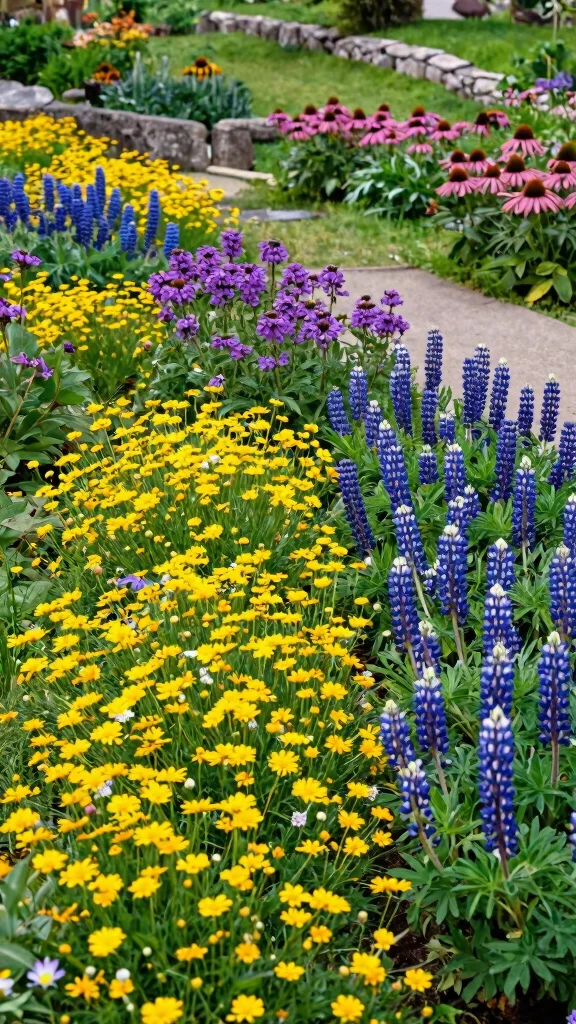
If you’re looking to make your wildflower garden pop, the color block effect is a fantastic choice. By grouping flowers of similar colors, you create eye-catching patches that stand out beautifully against the greenery. This technique not only highlights each flower’s unique beauty but also lends a well-organized feel to your garden.
To achieve this, think about planting bright yellows, deep purples, and soft blues in distinct sections. This arrangement allows the colors to interact harmoniously without overwhelming the viewer. It’s perfect for anyone wanting their garden to make a memorable statement.
Key steps to create a color block effect:
– Select 2-3 color palettes that resonate with your style.
– Evenly space the blocks to maintain a pleasing flow.
– Add taller plants like sunflowers for added dimension.
This vibrant approach can transform your garden into a stunning focal point, attracting both visitors and pollinators alike.
The Color Block Effect
Editor’s Choice
Florists’ Color Wheel: A Guide to Floral Design Color Theory


Wildflower Seeds Bulk Mix – 10,000+ Perennial & Annual Seeds – Texas, Ca…
2. Meadow-Like Arrangement
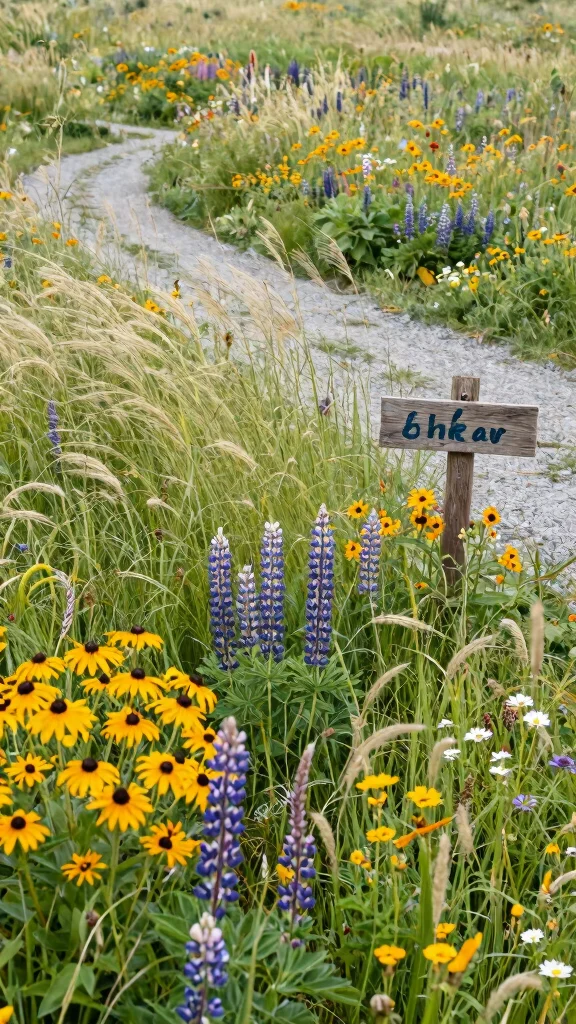
Imagine transforming your garden into a wildflower meadow that captures the enchanting essence of nature. This style embraces a naturalistic look, where plants are grouped in a way that mimics their growth in the wild. It’s a lovely blend of colors and textures that feels casual and inviting.
Mixing annuals and perennials can create layers of blooms and adding grasses will introduce movement and elegance. The best part? Once established, these gardens thrive with minimal effort, letting you enjoy nature without constant upkeep.
Tips for crafting a meadow-like garden:
– Choose a variety of native wildflowers that bloom at different times for continuous color.
– Allow some plants to self-seed for a lovely ‘wild’ look.
– Create variations in plant heights for a more organic feel.
This design not only beautifies your space but also attracts beneficial insects, nurturing a healthy garden ecosystem.
Fun fact: A meadow-like arrangement of native wildflowers can attract 30% more pollinators in the first growing season. Mix annuals, perennials, and grasses to create layers of color and movement, and watch your wild flower garden landscaping become effortless and life-filled.
Meadow-Like Arrangement
Editor’s Choice

R&M Organics Premium Organic Compost 10 lb Bag for Vegetables, Flowers, …

Northeast Wildflower Seeds – Extra Large 1 Ounce Packet – Over 7,500 Nat…
3. Wildflower Borders

Wildflower borders are an excellent way to add flair and definition to your landscape. Whether you’re lining a pathway or a garden bed, these borders soften hard edges and create seamless transitions between areas. Plus, they draw in pollinators, making your garden a lively hub of activity.
By planting a mix of native flowers suited to your environment, you not only enhance your garden’s beauty but also provide essential habitats for local wildlife. Borders filled with wildflowers offer vibrant displays and a sense of continuity throughout your landscape.
Tips for creating effective wildflower borders:
– Use shorter species in the front and taller ones in the back for layered depth.
– Incorporate a variety of colors and shapes for visual interest.
– Mix in herbs or other native plants for added texture and fragrance.
Consider seasonal changes; choosing flowers that bloom at different times ensures your garden looks beautiful year-round.
Wildflower Borders
Editor’s Choice
Wildflower Seeds Bulk Mix – 10,000+ Perennial & Annual Seeds – Texas, Ca…

EasyFlex No-Dig Landscape Edging with Anchoring Spikes, 4.5 in. Tall Dec…
4. Layered Planting
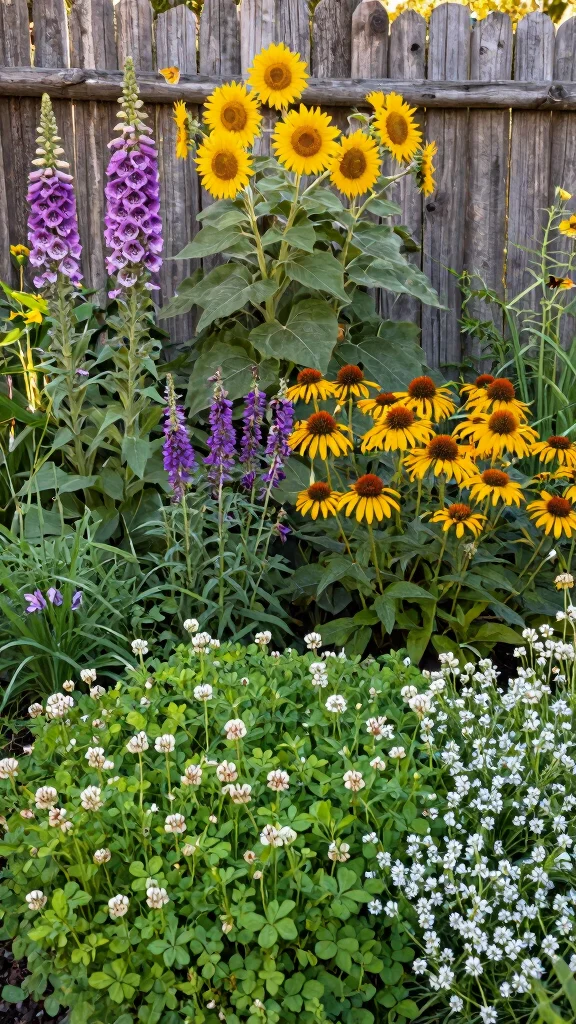
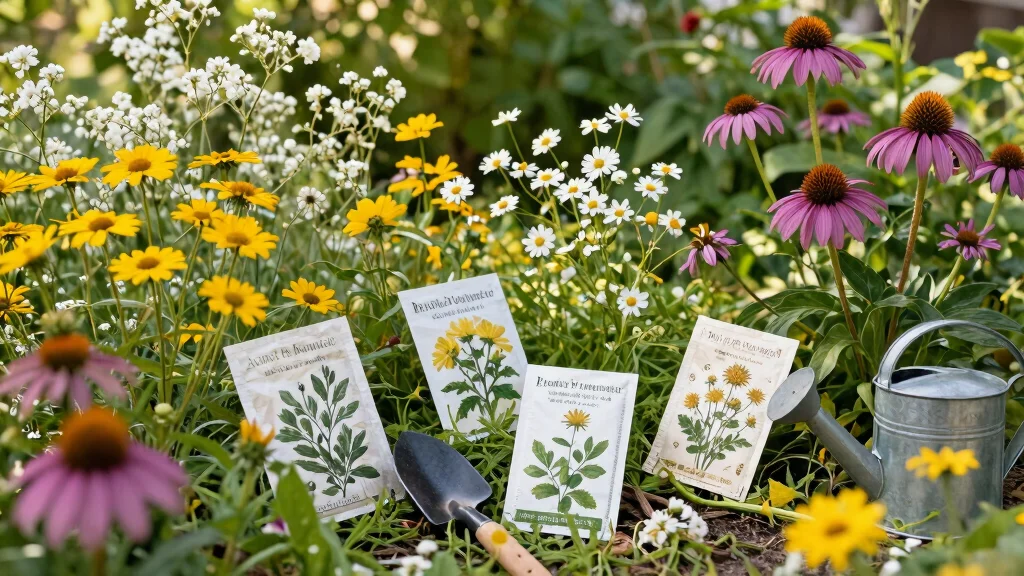
Layered planting in your wildflower garden creates stunning depth and visual excitement. By combining different heights and types of wildflowers, you not only create an eye-catching display but also support diverse habitats for pollinators.
Incorporate taller plants like sunflowers alongside mid-height flowers such as bee balm, and shorter ground covers like clover. This combination results in a beautiful tapestry of blooms that evolves throughout the season.
Tips for achieving layered planting:
– Plan your layout in advance for balance and harmony.
– Use native plants that nourish local wildlife.
– Select plants with varying bloom times to keep your garden lively.
Different leaf shapes and colors can add even more visual interest, enhancing the overall beauty of your garden.
Fun fact: In wild flower garden landscaping, layering plants by height can boost pollinator visits by up to 50% over a season. When you stack sunflowers, bee balm, and clover in tiers, you create a buzzing tapestry that looks effortless and feeds wildlife.
📹 Related Video: How to Create Layers in the Garden
You might also like

Layered Planting
Editor’s Choice
Northeast Wildflower Seeds – Extra Large 1 Ounce Packet – Over 7,500 Nat…

Yaheetech 8×2ft Wooden Horticulture Raised Garden Bed Divisible Elevate…

Edward Tools Bulb Planter – Bend Free Tool for Planting Bulbs, Depth Mar…
5. Partnering with Perennials

Integrating perennials into your wildflower garden is a smart way to achieve lasting beauty without the hassle of replanting each year. Native perennials thrive in your region, making them a low-maintenance choice that flourishes with minimal care.
These resilient plants often require less water and are typically less susceptible to pests, creating a healthy ecosystem in your garden. Choosing perennials means you’ll enjoy the same beautiful blooms season after season.
Tips for effective perennial partnerships:
– Select perennial wildflowers with staggered bloom times for continuous color.
– Mix foliage varieties to maintain interest, even when flowers are out of bloom.
– Group plants in odd numbers for a more natural appearance.
Perennials can help establish your garden’s foundation, allowing you to add annual blooms for vibrant splashes of color throughout the seasons.
Partnering with Perennials
Editor’s Choice
Back to the Roots 100% Organic Mulch, 58 Quart, Expanding Coconut Husk B…
Wildflower Seeds Bulk Mix – 10,000+ Perennial & Annual Seeds – Texas, Ca…
6. Edible Wildflowers

Incorporating edible wildflowers into your garden adds a delightful twist, blending beauty with practicality. Many native wildflowers are not just pretty; they are also safe and delicious to eat.
Consider planting nasturtiums for their vibrant colors and peppery flavor, or borage for its stunning blue flowers and subtle cucumber taste. This not only enhances your garden’s visual appeal but also supports local pollinators by providing them with food.
Tips for growing edible wildflowers:
– Ensure the flowers you choose are edible; local nurseries can help.
– Plant them in sunny spots for optimal growth and pollinator attraction.
– Harvest regularly to encourage new growth and maintain plant health.
Edible flowers can transform everyday dishes, adding color and flair to your meals.
Edible wildflowers make the garden feel like a secret kitchen—beautiful blooms you can taste. For wild flower garden landscaping that feeds both pollinators and dinner plates, start with nasturtiums and borage. Simple steps, big flavor.
Edible Wildflowers
Editor’s Choice

Seed Needs Herb Seeds Variety Pack Culinary Herb Collection (12 Individu…

Seed Needs Nasturtium Seeds Jewel Mix Multicolored Edible Flowers | 1.5 …
7. Seasonal Blooms

Designing your wildflower garden with seasonal blooms guarantees a vibrant display from spring through fall. By carefully selecting flowers that bloom at different times, you can create a dynamic landscape that changes with the seasons.
Incorporate early bloomers like crocus and daffodils, followed by summer favorites like black-eyed Susans, and finish with fall flowers such as asters and goldenrod. This approach not only captivates the eye but also invites various pollinators throughout the year, supporting local ecosystems.
Tips for planning seasonal blooms:
– Create a planting calendar to optimize bloom times.
– Combine perennials and annuals for ongoing color.
– Highlight specific plants as focal points during different seasons.
Seasonal blooms enhance your garden’s beauty while providing essential habitats for beneficial insects, promoting overall garden health.
You Might Also Like

How To Choose the Right Native Plants for Your Wildflower Garden Landscaping
Choosing the right native plants for your wildflower garden can be both exciting and challenging. It requires careful consideration to create an aesthetic that is not only beautiful but also supports local wildlife. Here are some key factors to keep in mind as you plan your garden.
1. Climate Compatibility
Choose plants that thrive in your local climate. Look into your USDA plant hardiness zone to determine what plants will survive the temperature fluctuations in your area. Native plants are often well-suited because they have adapted to local weather conditions. For instance, if you live in a warmer region, opt for drought-tolerant wildflowers that can withstand the heat.
2. Soil Type
Different plants require different soil types. Test your soil to check its pH and nutrient levels. Some wildflowers prefer sandy soil, while others thrive in clay or loamy conditions. Adjusting your soil composition with compost or organic matter can help create a conducive environment for your chosen plants. For example, if your soil is heavy clay, consider mixing in sand for better drainage.
3. Sunlight Requirements
Consider how much sun exposure your garden receives throughout the day. Some wildflowers prefer full sun, while others are better suited for partial shade. Make sure to check the sunlight needs of each plant. You could observe your garden during different times of the day to find the most sunlight-rich areas for sun-loving plants.
4. Pollinator Attraction
If attracting pollinators like bees and butterflies is your goal, select plants known for their nectar-rich flowers. For instance, coneflowers and black-eyed Susans are popular choices for creating a pollinator-friendly garden. Make sure to include a variety of colors and shapes to appeal to different species. The more diverse your garden, the more pollinators it can support!
5. Maintenance Level
Consider how much time you can dedicate to garden upkeep. Native plants typically require less maintenance than non-native species once they are established. Look for wildflowers that are labeled as low maintenance, which can help reduce your workload. Remember to include some perennials that come back year after year, reducing the need for replanting.
6. Seasonal Interest
To keep your garden looking beautiful year-round, choose wildflowers that bloom in different seasons. Some flowers bloom in spring, while others may not appear until summer or fall. Create a plan that highlights different flowers for each season. For example, you might plant early bloomers like crocus in the spring and late bloomers like goldenrod in the fall.
Pro Tip: Keep a garden journal! Use it to track which plants thrive and which struggle in your garden. This can help you make informed choices in future planting seasons.
By carefully considering these factors, you can create a stunning wildflower garden that looks effortless while providing essential habitats for pollinators. Happy gardening!
Seasonal Blooms
Editor’s Choice


Grenebo Gardening Tools 9-Piece Heavy Duty Garden Hand Tools with Fashio…
Wildflower Seeds Bulk Mix – 10,000+ Perennial & Annual Seeds – Texas, Ca…
8. Rustic Pathways

Adding rustic pathways to your wildflower garden invites visitors in while showcasing the beauty of your blooms. Paths made from gravel, stepping stones, or natural wood create a charming atmosphere that enhances your garden’s natural feel.
These pathways not only provide access but also frame the stunning wildflowers, ensuring they remain the main attraction. Adding seating areas along the paths encourages relaxation and allows for deeper appreciation of your garden’s beauty.
Tips for designing rustic pathways:
– Choose materials that complement the surrounding environment for visual harmony.
– Opt for meandering paths instead of straight lines for a more relaxed vibe.
– Add rustic benches or seating areas for quiet enjoyment of your work.
Using pathways can prevent soil compaction, allowing your wildflowers to thrive even more.
Rustic Pathways
Editor’s Choice

40 LBS Grey Pea Gravel – Landscape Rocks – Drainage Rock – Gardening – A…

River Rock Stepping Stones Outdoor for Garden Walkway, 10 inch Diameter …

Giantex Outdoor Wooden Garden Bench – 2-Person Acacia Wood Loveseat with…
Conclusion

Creating a wildflower garden is a rewarding endeavor that invites nature into your outdoor space. With these ideas, you can craft a stunning landscape that not only pleases the eye but also supports important pollinator habitats.
As you experiment with different wildflower garden designs, remember that the best gardens are those that reflect your unique style and local ecology. Happy gardening!
Note: We aim to provide accurate product links, but some may occasionally expire or become unavailable. If this happens, please search directly on Amazon for the product or a suitable alternative.
This post contains Amazon affiliate links, meaning we may earn a small commission if you purchase through our links, at no extra cost to you.
Frequently Asked Questions
What is wild flower garden landscaping, and how does it benefit pollinators?
Wild flower garden landscaping is the design approach of planting native or naturally thriving wildflowers in intentional beds to create a vibrant, low-maintenance landscape. It aligns with native plants landscaping and builds pollinator-friendly gardens by offering continuous nectar, shelter, and nesting sites.
Benefits include colorful blooms across seasons with less maintenance once established, reduced water needs, and support for bees, butterflies, and other pollinators. To get started, choose native species suited to your sun and soil, group them by bloom time for extended color, and minimize chemical inputs to protect pollinators.
Tip: start small—sow a sunny corner this year and expand as you learn what thrives in your region.
How can I design a native plants landscaping plan that creates pollinator habitats without a lot of maintenance?
Start with a simple map of sun and shade, then pick 3–5 hardy native species that bloom at different times. Use layers of taller plants in back and shorter in front, and mix in native grasses for structure. This is the essence of wildflower garden design and native plants landscaping that create year-round nectar sources for pollinators with low maintenance gardens.
Group plants by bloom time to ensure continuous color, mulch to conserve moisture, and minimize chemical inputs to protect pollinators. Choose either seed or plug installations based on your timeline, and allow self-seeding where appropriate to reduce upkeep over time.
Tip: observe your site first and start with a manageable patch you can expand later.
Which colorful wildflowers are best for a low-maintenance, pollinator-friendly garden?
For color and resilience in a pollinator-friendly garden, include a mix of native wildflowers such as purple coneflower, butterfly milkweed, black-eyed Susan, blanketflower, New England aster, and coreopsis. These colorful wildflowers attract pollinators throughout the growing season and generally require little maintenance once established.
Tips: plant in groups for visual impact, deadhead spent blooms if you want a tidier look, and let some seed heads remain for natural reseeding. All of these choices fit well with pollinator-friendly gardens and low maintenance gardens goals.
What steps should I take to start an easy wildflower garden that thrives in my region?
First, check your region’s native plant lists and your climate zone to pick plants that will thrive. Then choose a sunny site and test your soil, amending with compost as needed. Decide between sowing seeds or planting plugs and plan for bloom succession so you have color most of the year. Prepare a weed-free bed, plant in grouped clusters, and mulch to conserve moisture. Water deeply until established, then reduce watering as plants settle. Finally, consider fall planting, allow natural reseeding, and avoid heavy mowing to support native life and pollinators. This approach aligns with native plants landscaping and wild flower garden landscaping principles.
How can I maintain a wildflower garden to keep it healthy and avoid invasives while ensuring blooms all season?
Keep maintenance simple: mulch to suppress weeds, monitor for early invasives and remove them by hand, and avoid chemical pesticides that can harm pollinators. Deadhead or selectively prune to encourage continued blooming, while leaving some seed heads for natural reseeding if you want more fullness. In fall, divide crowded clumps and spread mulch to protect roots over winter. With regular, light maintenance, your pollinator-friendly garden stays healthy and colorful, embodying native plants landscaping and wild flower garden landscaping principles.
Related Topics
wildflower garden landscaping
native plants landscaping
pollinator-friendly gardens
low maintenance gardens
colorful wildflowers
beginner friendly
seasonal blooms
eco-friendly gardening
landscape design
garden aesthetics
wildflower garden design
sustainable gardening