
Creating a beautiful yard can sometimes feel challenging, especially when hard lines, like those from a vinyl fence, dominate the landscape. That’s why I crafted this post. I want to inspire you to turn those solid barriers into vibrant spaces that come alive with color and textures. Vinyl fences are practical and durable, but they often need a little help to soften their appearance and blend seamlessly into your garden design.
If you’re a gardening enthusiast, or simply someone looking to enhance your outdoor aesthetics, you’ve found the right place. This guide is for anyone who dreams of a backyard that feels inviting and warm. Whether you have a small patio or a sprawling backyard, the ideas in this post will help you create an environment that feels like an extension of your home.
In this article, you will discover nine creative vinyl fence landscaping ideas that are simple yet effective. Each idea will not only help you beautify your space but also provide practical tips on how to implement them. Get ready to breathe new life into your yard and make it a place where you love to spend time.
Key Takeaways
– Flowering Climbing Vines: Use these to add vertical color and texture to your vinyl fence, creating a more inviting backdrop.
– Soft Grasses and Ground Covers: Incorporating these plants can soften the hard lines of the fence, enhancing the overall look of your yard.
– Create Cozy Nooks: Adding planters can help you design intimate spaces in your garden, perfect for relaxation or entertaining.
– Incorporate Edible Plants: Blending functionality with beauty, edible plants can transform your garden into a source of fresh food while adding visual interest.
– Seasonal Planting Strategies: Using seasonal flowers and plants keeps your garden dynamic and engaging throughout the year.
1. Flowering Climbing Vines for Vertical Color
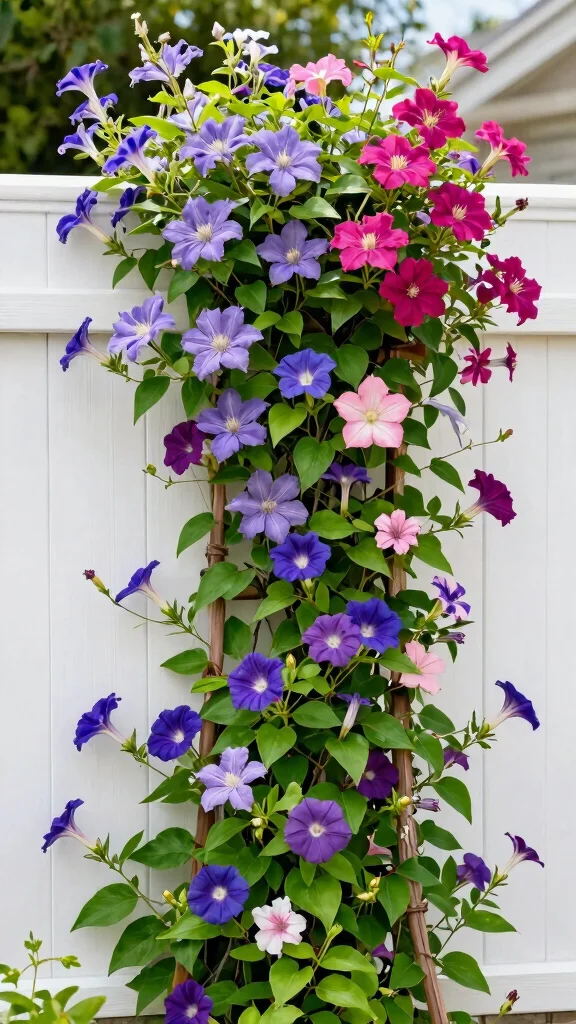
If you’re looking to breathe life into your vinyl fence, flowering climbing vines are an excellent choice. These vibrant plants, such as clematis, morning glory, and climbing roses, can create a stunning vertical display that adds color and texture. Not only do they beautify your space, but they also enhance privacy by forming a lush barrier around your yard.
When choosing your vines, think about the sunlight in your garden. For sunny spots, go for heat-loving varieties, while shady areas may benefit from more tolerant options. As they grow, use trellises or wires to guide their climbing, ensuring a delightful display that wraps around your fence.
Key steps to incorporate flowering vines:
– Choose sun or shade tolerant varieties
– Install trellises or supports to guide growth
– Regularly prune to maintain shape and health
With the right care, these climbing plants will transform your yard, turning stark lines into a vibrant tapestry of life.
How To Choose The Right Vinyl Fence Landscaping Elements
Choosing the right elements to enhance your vinyl fence landscaping can make a significant impact on your garden’s overall aesthetics. Below are some key considerations to guide you through the selection process:
1. Size and Space
Consider the dimensions of your yard and the vinyl fence. A small yard may benefit from compact plants or vertical elements, while larger spaces can accommodate bigger, bolder selections. Make sure to leave enough space for plants to grow without overcrowding or hindering visibility. Measure your fence height and width to help you choose plants that will complement, rather than overpower, the structure.
2. Plant Types
Identify which types of plants will thrive in your area. You can choose flowering plants to add color or evergreen shrubs for year-round greenery. Climbing vines are excellent for creating vertical interest along your fence, while soft grasses can soften hard lines. Pay attention to the sunlight and moisture levels in your garden to ensure you pick plants suited to those conditions.
3. Material Quality
When selecting materials for garden borders or decorative elements, focus on durability. Choose high-quality mulch, stones, or decorative gravel that will withstand weather changes and keep your garden looking fresh. If using planters, opt for materials that are resistant to rot and fading, such as treated wood or high-density plastics.
4. Color Palette
Decide on a color scheme that complements your vinyl fence. Classic white fences pair beautifully with vibrant flowers, while darker fence colors may look better with softer, pastel tones. Create a harmonious look by selecting plants, stones, or mulch in colors that either contrast or blend with your fence. This will help tie your garden together visually and create a cohesive outdoor aesthetic.
5. Functionality
Think about what you want from your landscaping. Are you looking to create a cozy nook for relaxation, or do you want a decorative border that provides a clear boundary? Choose elements that serve your desired function. For example, if you want privacy, consider taller plants or climbing vines that will grow alongside your fence.
Pro Tip: Create a mood board with images of plants, colors, and materials that inspire you. This visual aid can help you make more cohesive choices for your vinyl fence landscaping.
By thoughtfully considering these factors, you can create a beautiful and functional landscape that enhances the look of your vinyl fence while making your yard feel alive. Happy gardening!
Flowering Climbing Vines for Vertical Color
Editor’s Choice

Seed Needs Morning Glory Seeds for Planting – Variety Pack/Collection of…


Clematis Fertilizer – Liquid Plant Food for More Blooms, Stronger Vine…

Garden Obelisk Trellis for Climbing Plants Outdoor – 69″(H), Rustproof T…
2. Soft Grasses and Ground Covers

Looking to soften the edges of your vinyl fence? Adding ornamental grasses and low-maintenance ground covers can do just that. Varieties like blue fescue, Japanese blood grass, and creeping thyme create a lush carpet that transitions beautifully between hardscapes and nature.
These plants not only enhance the visual appeal of your yard but also introduce movement and texture, swaying gently with the breeze. Consider planting taller grasses at the back and shorter ground covers in front to add depth and interest to your garden layout.
Essential tips for incorporating grasses and ground covers:
– Mix different heights for visual variety
– Trim regularly to maintain a tidy look
– Use decorative stones or mulch for added texture
This combination not only makes your garden visually inviting but also creates a serene and peaceful atmosphere around your fence.
Softening vinyl fence with grasses feels like magic in your backyard. Plant tall grasses behind and creeping thyme in front to create a moving, breathable border that hides hard lines and invites calmer, low-maintenance beauty.
Soft Grasses and Ground Covers
Editor’s Choice

SVI 5000 Blue Fescue Seeds (Festuca glauca) – Ornamental Blue Fescue G…

20000+Creeping Thyme Seeds for Planting Outdoor-Heirloom Thymus Serpyllu…
3. Create a Cozy Nook with Planters

Why not turn the space near your vinyl fence into a cozy nook with decorative planters? Adding colorful flowers and lush foliage can create an inviting spot perfect for relaxation and enjoyment. Tall planters can serve as focal points, drawing attention to your beautiful garden area.
Select planters that match your fence’s style, whether rustic wooden boxes or vibrant ceramic pots. Fill them with seasonal blooms for changing colors or evergreen shrubs for year-round greenery.
Steps to create your cozy nook:
– Mix textures and heights for dynamism
– Add comfortable seating for relaxation
– Arrange planters at varying levels for interest
This approach transforms a plain area into a charming retreat, inviting you to enjoy the beauty of your garden.
Create a Cozy Nook with Planters
Editor’s Choice

BUYMAX Plant Pots Indoor –5 inch Ceramic Flower Pot with Drainage Hole…

Winlyn Rustic Wooden Planter Box 17.3″ L x 3.9″ W x 3.9″ H Brown Rectang…

RooTrimmer 3 Pack 20 Inch Large Plant Pots for Outdoor,Heavy Duty Extra …
4. Incorporate Edible Plants

Consider turning your vinyl fence into a productive space by incorporating edible plants. Berry bushes, herbs, and even vertical vegetable gardens can add beauty and functionality to your garden. A trellis for climbing vegetables like peas can create vertical interest while providing fresh produce.
Berries like raspberries not only yield delicious fruits but also offer lovely foliage. Consider planting a herb garden beneath your fence, featuring rosemary or basil for easy access in your kitchen.
Tips for growing edibles:
– Choose varieties suited for your climate
– Ensure proper spacing for airflow and light
– Be prepared for extra maintenance with pest control
This method turns your vinyl fence into a thriving garden space, blending aesthetics with culinary delights.
Incorporate Edible Plants
Editor’s Choice
2 Pack 30 Inch Taller Plant Trellis for Potted Climbing Plants Indoor,Ex…

Grow Your Own Herbs: The 40 Best Culinary Varieties for Home Gardens

2 Raspberry Plants Live, Red Raspberry Bush for Planting, 4-7″ in Tall, …
5. Mixed Border Planting

Creating a mixed border alongside your vinyl fence can integrate it beautifully into your yard. This technique involves planting a variety of flowers, shrubs, and perennials, offering a lush, layered look that softens hard lines.
Choose plants of varying heights and colors to ensure year-round interest. Position taller plants like sunflowers at the back, mid-sized perennials in the middle, and ground covers in front.
Key steps for mixed border planting:
– Consider flowering times for continuous blooms
– Mix textures for added depth
– Refresh soil and care for plants regularly
This approach enhances your outdoor aesthetics and fosters a habitat for local wildlife, making your garden a thriving ecosystem.
You might also like


Mixed Border Planting
Editor’s Choice

Miracle-Gro Organic Outdoor Potting Mix – Plant Soil for Outdoor Contain…

FLINTER Garden Kneeler and Seat, 10.2″ Wider Heavy Duty Thick Gardening …

Fiskars Trowel, Heavy Duty Gardening Hand Tool with Hang Hole, For Diggi…
6. Decorative Stones and Mulch
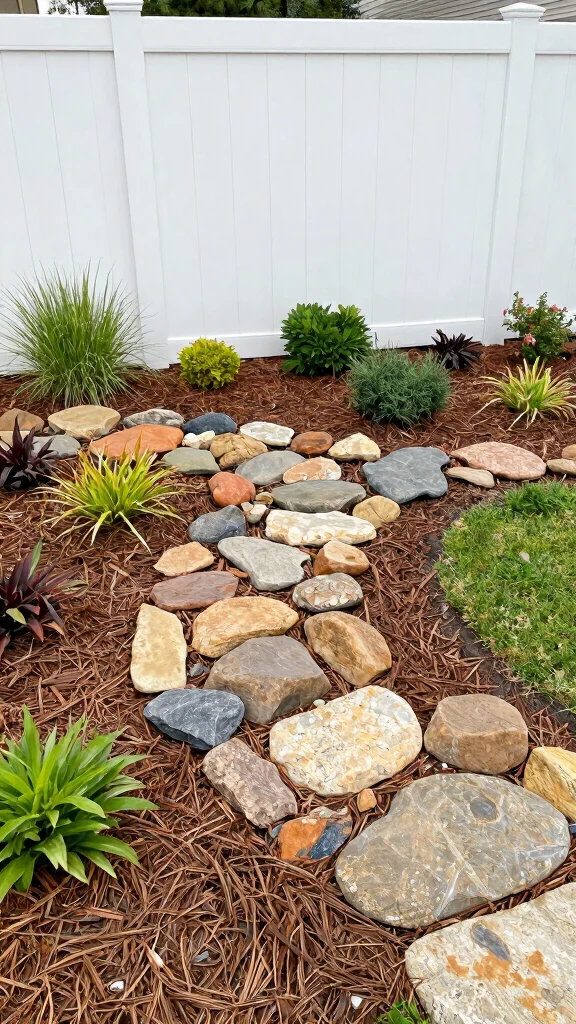
Incorporating decorative stones and mulch around your vinyl fence can elevate its visual appeal while managing weeds and retaining soil moisture. This technique creates a polished look while softening harsh lines.
Use larger stones at the base of plants or along pathways to create striking borders. Combine various sizes and colors for an eye-catching rock garden effect. Meanwhile, mulch adds a finished appearance while promoting soil health.
Essential tips for using stones and mulch:
– Create pebble paths for visual interest
– Choose colors that harmonize with your fence
– Pair with greenery for a cohesive look
This method not only beautifies your space but also simplifies maintenance, allowing you to enjoy your garden even more.
📹 Related Video: 🌿 5 Easy Edging Ideas to Keep Mulch in Place 🌿
Decorative Stones and Mulch
Editor’s Choice

HealthiStraw GardenStraw, 3 cu ft (20 lbs) All-Natural Mulch for Gardens…

FANTIAN 20 lbs Large River Rocks for Outdoor Landscaping, 3-4 Inch Decor…

EasyFlex No-Dig Landscape Edging with Anchoring Spikes, 2.7 in Tall Deco…
7. Create a Garden Pathway
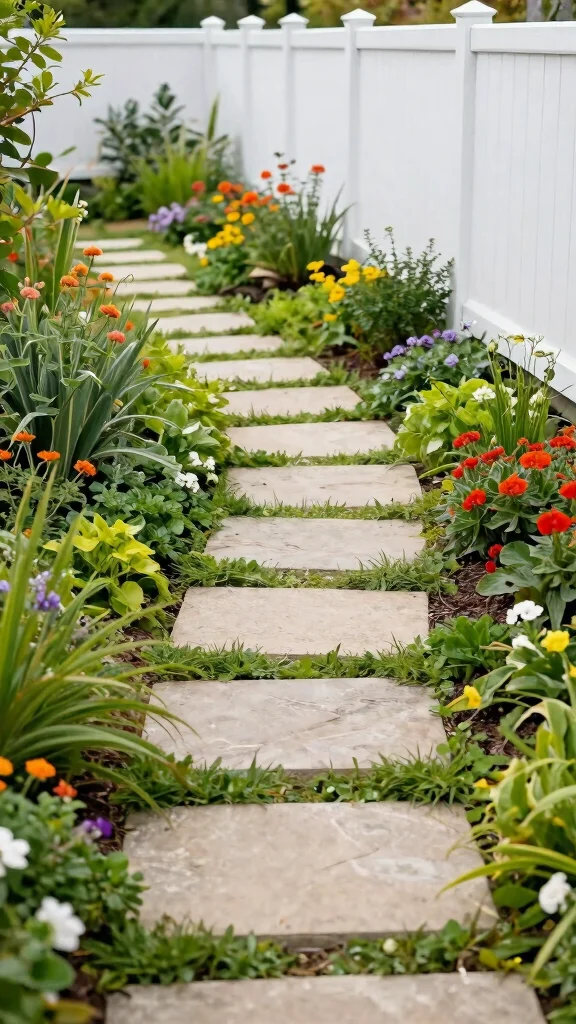
Enhancing your yard with a garden pathway next to your vinyl fence can improve functionality and add charm. Pathways define routes through your garden, inviting exploration and creating visual appeal.
Use materials like brick, stone, or gravel to design a pathway that complements your fence. A winding path can gently guide guests while softening hard lines.
Key elements for your pathway:
– Add bordering plants to blend edges
– Consider decorative lighting for ambiance
– Use stepping stones with ground cover for an organic feel
This approach connects your vinyl fence with the surrounding landscape, making your garden feel alive and welcoming.
Did you know? A winding pathway beside your vinyl fence can boost yard flow and curb appeal by up to 30%. Use brick, stone, or gravel, add border plants, and subtle lighting for an instantly inviting, vinyl fence landscaping upgrade.
Create a Garden Pathway
Editor’s Choice

8.2ft Wooden Garden Pathway – Weather Resistant Carbonized Pine Roll Out…
8. Vertical Gardening Techniques

If space is tight or you want to make a statement, consider vertical gardening along your vinyl fence. This technique maximizes your planting area while adding visual interest to your yard.
Use wall-mounted planters, hanging baskets, or trellises to create layers of plants that draw the eye upwards. Mixing vibrant flowers and trailing vines can make your garden feel dynamic.
Steps for vertical gardening success:
– Choose plants that thrive in vertical setups
– Arrange by light requirements for optimal growth
– Mix colors and textures for stunning impact
This approach not only beautifies your space but also enhances the functionality of your vinyl fence.
You Might Also Like

Vertical Gardening Techniques
Editor’s Choice

Outsunny Raised Garden Bed with Trellis for Climbing Plants, Planter Box…

6 Pack Hanging Planter Wall Planter Self Watering 5 inch Plant Pot with …

Keter Resin Rattan Set of 2 Round Hanging Planter Baskets for Indoor and…
9. Seasonal Planting Strategies
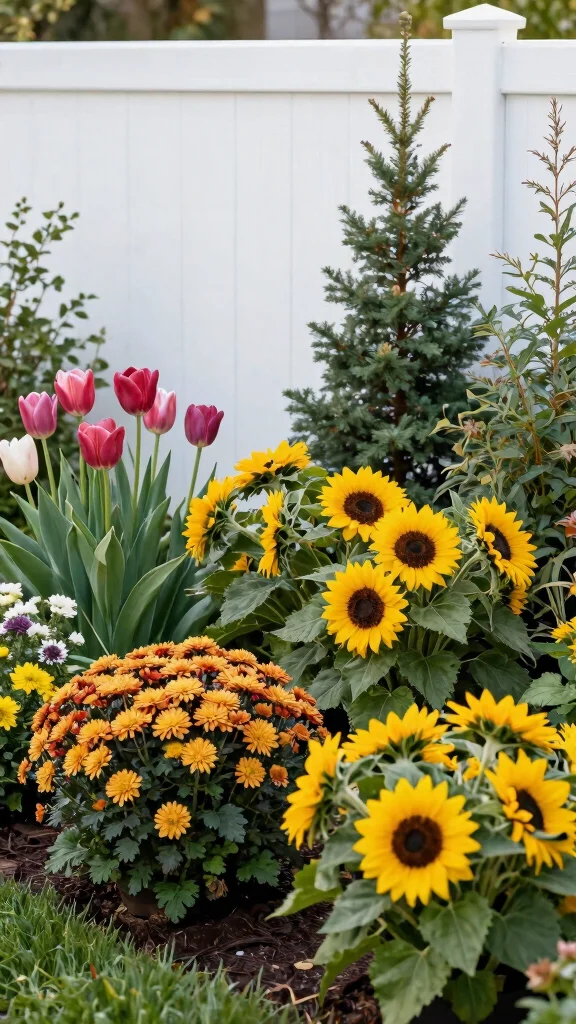
Implementing seasonal planting strategies ensures your vinyl fence area remains colorful and vibrant year-round. By selecting plants that bloom at different times, you create a garden that evolves with the seasons.
For spring, opt for tulips and daffodils; summer can feature sunflowers and dahlias. In fall, choose chrysanthemums, while winter evergreens bring lasting interest.
Tips for seasonal planting:
– Keep a bloom calendar for planning
– Mix colors and textures for continuity
– Layer in fall and winter interest with grasses
This technique not only enhances your garden’s visual appeal but also deepens your connection with the changing seasons.
Seasonal planting makes vinyl fence landscaping come alive year-round. Mix tulips in spring, sunflowers in summer, mums in fall, and evergreens in winter—keep a bloom calendar to time color bursts and textures.
Seasonal Planting Strategies
Editor’s Choice
Miracle-Gro Organic Outdoor Potting Mix – Plant Soil for Outdoor Contain…

Amazing Deal-Complete Spring & Summer 100 Bulbs Blooming Bee & Butterfly…
The 2026 Old Farmer’s Almanac Gardening Wall Calendar
Conclusion

Transforming your yard with these vinyl fence landscaping ideas not only enhances outdoor aesthetics but also connects your hardscape with the beauty of nature. By employing strategic planting techniques and designs, you can create a vibrant atmosphere that feels alive and inviting.
Whether through colorful climbing vines, soft grasses, or cozy nooks, there are endless possibilities to explore. Embrace these ideas to turn your vinyl fence into a stunning backdrop for your flourishing garden and enjoy the beauty of your outdoor space.
Note: We aim to provide accurate product links, but some may occasionally expire or become unavailable. If this happens, please search directly on Amazon for the product or a suitable alternative.
This post contains Amazon affiliate links, meaning we may earn a small commission if you purchase through our links, at no extra cost to you.
Frequently Asked Questions
What are the best vinyl fence landscaping ideas to soften hard lines in a small backyard?
In a compact space, layering color, texture, and flexible containers is key. Start with a cohesive palette that complements your fence color, then mix vertical interest (slender grasses or evergreen screens) with low groundcovers to blur the line where lawn meets vinyl. Add a few tall plantings at intervals to create privacy without crowding. Use color-coordinated planters and a small trellis or lattice for light climbers, and finish with mulch to unite the beds. With practical landscaping tips, garden design, and outdoor aesthetics in mind, you’ll achieve inviting depth while keeping upkeep easy—perfect for vinyl fence landscaping.
How can I create attractive garden borders along a vinyl fence?
Border planting is all about rhythm and repeat. Map out a 2–3 foot wide border that hugs the fence, place evergreen edge plants every 2–3 feet, and fill gaps with seasonal color. Use climbers like clematis or jasmine on a lightweight trellis fixed to the fence, so the fence still reads as a clean line while softening it with foliage. Repeat a few plant groupings to establish a cohesive look—this is classic garden borders technique that works with vinyl fence landscaping. Keep irrigation simple with drip lines along the base and mulch to suppress weeds. For backyard improvement, include a few scented perennials near seating areas to boost outdoor aesthetics.
Which plants work best near vinyl fences without causing damage or staining?
Choose plants with non-invasive roots and non-corrosive sap, and keep some space between the planter and the fence to avoid moisture buildup. Good options include hydrangeas, boxwoods, hostas, and ornamental grasses that tolerate sun or shade. For climbers, pick light vines on a trellis rather than directly clinging to the vinyl. Avoid heavy clay pots resting directly against the fence, and use lightweight planters to reduce weight on the base. Regularly clean any sap or mildew from leaves to prevent staining the fence. Use well-draining soil and water appropriately to protect your garden borders and ensure vinyl fence landscaping stays pristine.
For landscaping tips, rotate annuals to refresh color with the seasons.
How do I maintain vinyl fence landscaping through seasons?
Start with spring cleanup: prune back overgrown shrubs, refresh mulch, and check the fence for any repairs. In summer, water deeply at the base to protect roots and keep planters balanced so the fence isn’t knocked by wind. Fall is ideal for adding color with mums, asters, or ornamental grasses, and remove fallen leaves to prevent moisture buildup. In winter, keep containers above ground and use winter-tolerant evergreens for structure. Clean the fence once in a while to maintain its look, and adjust irrigation as weather changes. This routine keeps vinyl fence landscaping simple and effective for yard improvement while preserving garden design and outdoor aesthetics.
Can vinyl fence landscaping boost curb appeal and overall backyard improvement?
Absolutely. A well-planned border of shrubs, perennials, and attracting climbers alongside a vinyl fence creates a unified, inviting look that ties the yard to the home. Choose a cohesive color palette, add lighting along the fence line, and place a few focal pots or a low border wall to increase visual interest. This is a practical way to achieve ongoing backyard improvement and improved garden design. With smart plant choices and simple maintenance, vinyl fence landscaping enhances garden borders and boosts outdoor aesthetics without the heavy upkeep of wood.
Related Topics
vinyl fence landscaping
garden borders
outdoor aesthetics
landscaping tips
backyard improvement
softening hard lines
beginner friendly
planting techniques
seasonal greenery
DIY garden design
easy landscaping
vinyl fence ideas