
Gardening can sometimes feel like a daunting task, especially when you’re working with small spaces. If you’ve been longing for a way to make your garden stand out without the hassle, you’re not alone. Ornamental grasses have a unique charm that adds a touch of movement and texture to any outdoor setting. They can bring effortless beauty to your landscape, creating a serene and inviting atmosphere. This post is designed to inspire you with practical ideas for incorporating grass plants into your landscaping.
If you’re someone who craves aesthetics and wants to elevate your garden décor, this one’s for you. Whether you’re a seasoned gardener or a beginner looking to get your hands dirty, you’ll find value in these suggestions. I’ve gathered eight grass plants landscaping ideas that are not only visually pleasing but also easy to implement. Each idea will help you transform your outdoor space into a stunning retreat filled with dynamic textures and natural elegance.
Get ready to explore the world of ornamental grasses. You’ll learn how to choose the right plants, position them for maximum effect, and how they can serve as focal points or soft backdrops in your garden. With these tips, your small space will become a lush oasis that reflects your personal style and enhances your outdoor experience.
Key Takeaways
– Ornamental grasses are versatile and can add movement and texture to small spaces, enhancing your garden’s aesthetics.
– These plants require minimal maintenance, making them perfect for both novice and experienced gardeners.
– Positioning grasses strategically can create focal points or serve as beautiful backdrops for other plants and décor.
– Seasonal changes in ornamental grasses provide ongoing interest, with colors and textures evolving throughout the year.
– Incorporating native grasses supports local ecosystems and adds unique character to your landscape design.
1. Wispy Fountains of Color

If you want to add a touch of magic to your garden, consider the enchanting Miscanthus sinensis, also known as maiden grass. With its elegant, feathery plumes that dance in the breeze, this ornamental grass brings a delightful sense of movement. Available in a spectrum of colors from soft whites to rich burgundy, planting them in clusters along borders creates a stunning visual impact that captivates the eye.
To achieve a layered look, pair maiden grass with shorter perennials and plant them in groups of three for a natural, balanced appearance. Their adaptability means they thrive in various soil types and require minimal maintenance, making them an ideal option for busy gardeners.
Key steps to enhance your garden:
– Plant in well-drained soil for healthy growth.
– Cut back in late winter to prepare for spring blooms.
– Experiment with color combinations for a vibrant display.
By incorporating maiden grass, you can infuse your garden with energy and beauty, creating a charming retreat that invites relaxation.
Wispy Fountains of Color
Editor’s Choice

Bloomingbulb Ornamental Grass, Gracillimus Grass, Maiden for Outdoor Pla…

2. Soft, Cascading Elegance

Looking to soften the edges of your garden? The lovely Carex, or sedge, is your perfect partner. With its lush, dense clumps, this grass creates a soft carpet that beautifully complements both modern and traditional garden designs. Its gentle, cascading leaves provide an inviting touch, making it an excellent choice for small spaces.
These grasses thrive in both sun and shade, adding versatility to your landscaping options. Use them to fill gaps or edge pathways, allowing their arching leaves to spill over and create a flowing appearance. Pairing them with rocks or boulders further enhances their natural charm.
Get started with these tips:
– Trim in early spring for a tidy shape.
– Choose varieties with colorful leaves for added interest.
– Group them in odd numbers for a more organic look.
With sedge, you can transform your outdoor space into a serene and inviting environment that welcomes everyone.
Soft, cascading elegance is possible even in a small patch. With Carex, your grass plants landscaping can soften edges, fill gaps, and thrive in sun or shade—no drama, just calm, inviting greens.
Soft, Cascading Elegance
Editor’s Choice

3. Textured Focal Points

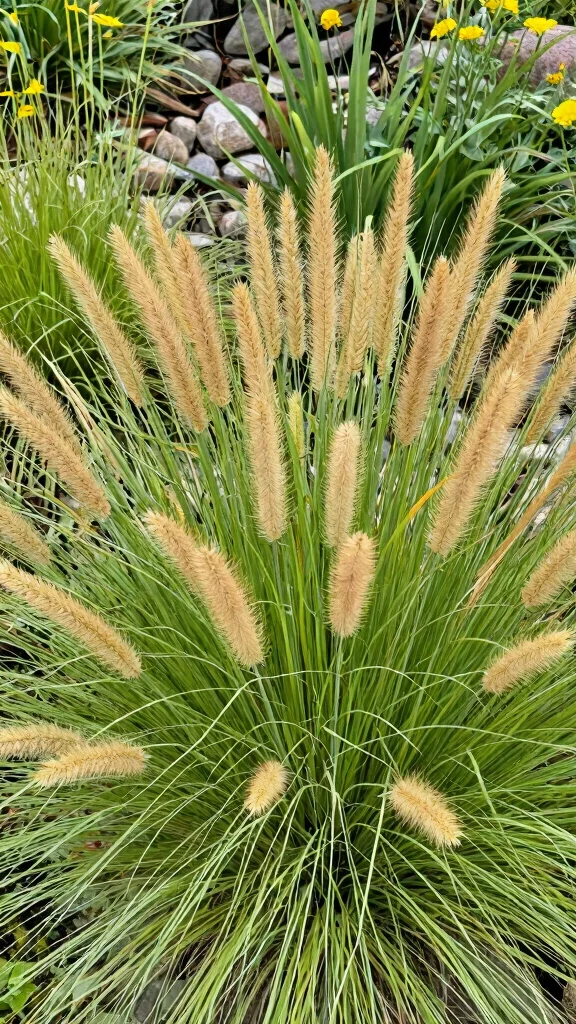
Want to make a bold statement in your garden? Pennisetum alopecuroides, or fountain grass, is sure to grab attention with its unique tufted shape and fluffy flower spikes. This gorgeous grass acts as a striking focal point, adding texture and visual interest as it blooms later in the season.
Consider placing fountain grass in containers or at the front of borders for the best effect. The fluffy flowers range from soft beige to deep purple, creating a stunning contrast against lush green foliage.
To enhance your garden’s appearance, follow these tips:
– Pair with low-growing flowers for depth.
– Ensure they receive ample sunlight for vibrant blooms.
– Divide every few years to maintain vigor.
By incorporating fountain grass, you can create a captivating garden that draws the eye and sparks joy.
Fact: A single fountain grass clump can reach 2–4 feet tall and boast fluffy flower spikes that last into fall, a dramatic focal point in grass plants landscaping for small spaces. Place it in containers or at the border to maximize movement and texture.
📹 Related Video: Why Ornamental Grasses Are the Secret to a Beautiful Border Now
Textured Focal Points
Editor’s Choice

Pink Ornamental Grass Seeds Mix for Planting – 250+ Seeds: Pink Muhly, P…

Arcadia Garden Products PSW Pot Collection TD25C Plastic/Stone/Wood Comp…
4. The Whimsical Touch

Add a playful element to your garden with Calamagrostis acutiflora, or feather reed grass. Known for its tall, upright growth and feathery flower heads, this grass introduces a delightful verticality to small spaces without overwhelming your design.
Feather reed grass thrives in clusters, swaying gently with the wind, making it an excellent backdrop for other plants. Its narrow form fits perfectly into tight corners, maximizing your garden’s potential.
Here’s how to make the most of it:
– Use them to frame pathways or as a backdrop for blooms.
– They thrive in various soil conditions and are low-maintenance.
– Cut back in late winter to encourage fresh growth.
With feather reed grass, your landscape can become a whimsical retreat that inspires creativity and peace.
You might also like

The Whimsical Touch
Editor’s Choice

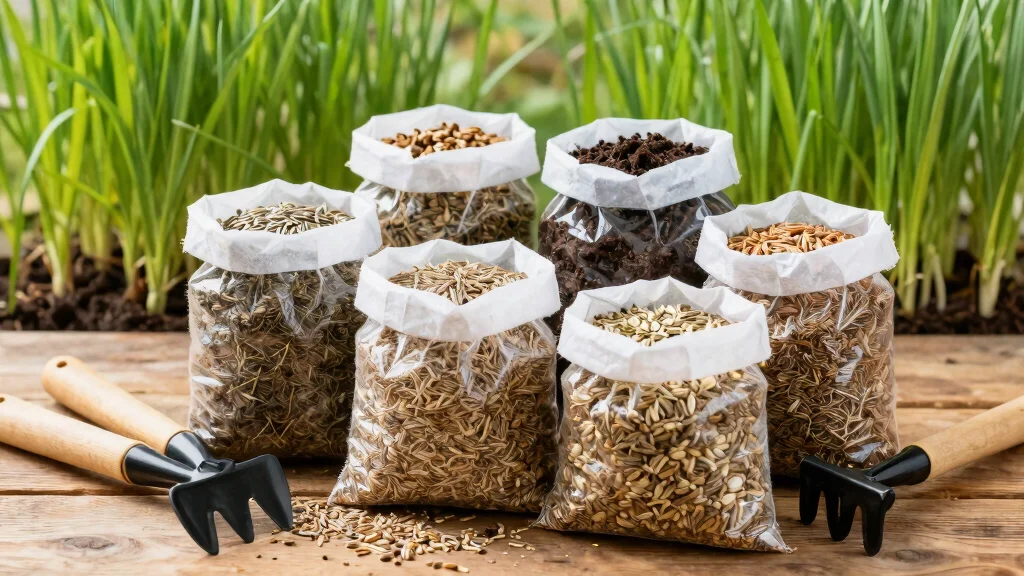
500 Seeds Feather Reed Ornamental Grass Seeds, Perennial, Yellow Spikes,
5. Japanese Zen Inspirations

Create a tranquil oasis with Hakonechloa macra, or Japanese forest grass. Its graceful, arching leaves bring a serene quality to your landscape, making it perfect for shaded areas. This versatile grass thrives in moist, well-drained soil, ideal for corners or near water features.
Incorporate it into rock gardens or along pathways to enhance the peaceful aesthetic. Variegated varieties add extra visual interest, combining greens and yellows for a calming palette.
Start creating your zen space with these tips:
– Plant in groups for a natural feel.
– Pair with smooth rocks for added texture.
– Maintain consistent moisture for optimal growth.
With Japanese forest grass, you can cultivate a serene space that promotes tranquility and mindfulness.
Japanese Zen Inspirations
Editor’s Choice
Farmer’s Secret Soil Revitalizer (32oz) – Organic (OMRI Listed) Dirt H…
Pink Ornamental Grass Seeds Mix for Planting – 250+ Seeds: Pink Muhly, P…

EasyFlex No-Dig Landscape Edging with Anchoring Spikes, 2.7 in Tall Deco…
6. Vertical Green Walls

Transform your small outdoor area into a stunning vertical garden with Imperata cylindrica, known as Japanese blood grass. Its vibrant red-tipped foliage creates a striking visual that can act as a living wall or windbreak, enhancing both beauty and privacy.
This grass’s vertical growth habit allows for creative layering, making your landscape dynamic and engaging. Mix it with lower-growing plants to contrast its height, enriching your garden’s texture.
To get started, consider this advice:
– Ensure adequate sunlight for vibrant color.
– Plant in well-drained soil to avoid root issues.
– Use in decorative planters for a mobile vertical effect.
With Japanese blood grass, you can create an eye-catching landscape that captivates and inspires.
Fun fact: A vertical wall of Japanese blood grass can add 2–3 feet of visual height in a small space, boosting privacy and movement. Layer taller grasses with lower greens for a living, dynamic backdrop—your grass plants landscaping in action.
Top Varieties for Different Conditions
1. Miscanthus sinensis (Chinese Silver Grass)
– Best conditions: Thrives in temperate climates with plenty of sunlight.
– Key features: This grass can grow up to 6 feet tall, offering stunning plumes in late summer. Its broad leaves create a lush appearance, enhancing garden aesthetics.
– Considerations: Requires regular watering during dry spells but is generally low maintenance.
2. Panicum virgatum (Switchgrass)
– Best conditions: Well-suited for hot and dry areas, making it ideal for drought-tolerant gardens.
– Key features: Known for its vibrant fall color, this grass can reach heights of 4 to 5 feet. Its airy flower heads add movement to your landscape design.
– Considerations: Prefers well-drained soil and may require thinning every few years.
3. Carex oshimensis (Japanese Sedge)
– Best conditions: Thrives in humid and shaded environments, perfect for small spaces with limited sunlight.
– Key features: This grass has fine, arching leaves that provide a soft texture, making it an excellent choice for ground cover.
– Considerations: It may struggle in too much direct sun, so monitor its placement carefully.
4. Festuca glauca (Blue Fescue)
– Best conditions: Ideal for coastal regions and well-drained sandy soils.
– Key features: This variety features striking blue-gray foliage that stays compact at about 12 inches tall. It’s perfect for adding color and texture to your outdoor decor.
– Considerations: Tolerates drought but should be protected from heavy rain to prevent root rot.
5. Pennisetum alopecuroides (Fountain Grass)
– Best conditions: Thrives in warm climates and can tolerate various soil types, including clay.
– Key features: This grass has lush, arching foliage and fluffy flower spikes that add a whimsical touch to your garden. It typically grows between 2 and 3 feet tall.
– Considerations: It can become invasive in some regions, so keep an eye on its growth.
6. Sporobolus heterolepis (Prairie Dropseed)
– Best conditions: Prefers full sun and can adapt to various soil types, making it great for diverse gardens.
– Key features: This grass emits a sweet fragrance in late summer and has delicate, fine-textured foliage that dances in the breeze. It typically grows to about 2 to 3 feet tall.
– Considerations: It has a slower growth rate, so patience is key in establishing it in your landscape.
7. Deschampsia cespitosa (Tufted Hair Grass)
– Best conditions: Best for cooler climates and areas with moist soil, like near ponds or streams.
– Key features: This grass produces airy flower heads that sway gently in the wind. It often grows 2 to 3 feet tall and adds a soft touch to your garden.
– Considerations: It may require more water than other grasses, especially during dry spells.
Climate/Condition Guide:
When selecting grass plants for landscaping, consider your climate. In temperate zones, Miscanthus and Festuca work well. For hot and dry areas, opt for Panicum. If you have humid conditions, Carex is a great choice. Coastal gardens benefit from Festuca. Always check your local climate and soil type before making a decision.
Growing Tips:
– Water newly planted grasses regularly for the first few weeks to establish strong roots. ✔
– Mulch around them to retain moisture and suppress weeds. 🌱
– Prune back grasses in late winter to promote fresh growth in spring.
Avoid:
– Don’t overwater; it can lead to root rot in many species. 💧
– Avoid planting varieties that are invasive in your area, like Pennisetum, unless you can control their spread.
Vertical Green Walls
Editor’s Choice

Seed Needs Seashells Cosmos Seeds Multicolored Flower Seed Blend | 3,000…

6 Pockets Hanging Planters for Outdoor Plants, One Pack Wall Planter Ver…
7. Seasonal Changes with Grasses

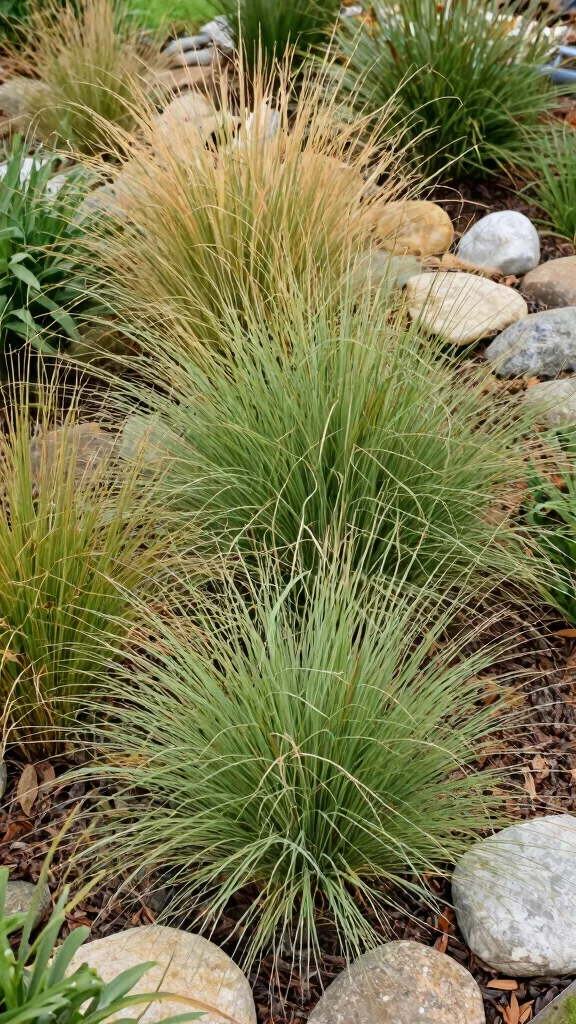
Embrace the beauty of seasons with ornamental grasses like Stipa tenuissima, or Mexican feather grass. Its fine, delicate leaves create a soft, wispy effect that dances in the lightest breeze. Perfect for borders or as filler in mixed plantings, this grass adds movement and liveliness to your garden.
The adaptability of Mexican feather grass means it thrives in various conditions, and its fine texture beautifully contrasts with coarser plants. Pair it with spring or summer blooms for a seamless seasonal transition.
Here are some tips to enhance your garden:
– Thrive in full sun and well-drained soil.
– Regularly cut back to manage size and promote new growth.
– Mix with bold-colored flowers for a striking seasonal display.
With Mexican feather grass, your garden can be a vibrant, ever-changing landscape that delights the senses.
You Might Also Like


Seasonal Changes with Grasses
Editor’s Choice

Outsidepride 1000 Seeds Perennial Stipa Tenuissima Mexican Feather Ornam…
8. Embracing Native Grasses
Choosing native grass plants enriches your landscape while benefiting local ecosystems. Grasses like Sorghastrum nutans, or indiangrass, are drought-resistant, requiring less maintenance and promoting sustainable landscaping.
These plants attract local wildlife and pollinators while adding color and texture to your garden. Their adaptability allows them to flourish in various soil types, creating flexibility in your design.
Start your journey with native grasses:
– Group them to create a natural habitat.
– Avoid over-watering to enhance drought resistance.
– Research local species for the best options.
By embracing native grasses, you can cultivate a beautiful garden that supports biodiversity and a healthier environment.
Embracing Native Grasses
Editor’s Choice

Elephant Grass Seeds (100 Pack) – Fast Growing Tall Ornamental Grass u…

Slow Release Lawn Fertilizer 25-5-10 NPK – 65% Granular Nitrogen Formula…
Wrapping Up Your Grass Plant Journey
Incorporating ornamental grasses into your landscaping design can truly elevate the beauty and functionality of your outdoor space. From adding movement to creating layers of texture, these plants provide endless possibilities for small gardens. Remember, it’s about creating a personal oasis that reflects your style and tastes.
As you explore these grass plants landscaping ideas, consider how different varieties can transform your space. Whether you opt for bold statements or soft, serene arrangements, each idea can contribute significantly to your garden aesthetics. Don’t hesitate to mix and match varieties and colors for a unique look that is all your own!
Note: We aim to provide accurate product links, but some may occasionally expire or become unavailable. If this happens, please search directly on Amazon for the product or a suitable alternative.
This post contains Amazon affiliate links, meaning we may earn a small commission if you purchase through our links, at no extra cost to you.
Related Topics
grass plants landscaping
ornamental grasses
landscape design
garden aesthetics
outdoor decor
small space gardening
textured plants
easy landscaping
seasonal plants
beginner friendly
low maintenance
garden movement