
Are you dreaming of a backyard that embodies the rustic charm of a farmhouse? You’re not alone! Many of us yearn for that cozy, down-to-earth feel where nature meets simple living. With a little inspiration, your outdoor space can transform into a beautiful retreat that showcases your love for gardening and the great outdoors. This post explores farmhouse landscaping ideas that marry aesthetics with functionality and sustainability.
If you care about creating a welcoming environment that reflects your personal style, this guide is for you. Whether you’re a seasoned gardener or just starting out, you’ll find practical ideas to enhance your yard. I’ve gathered eight charming tips that will help you cultivate rustic edible gardens, cozy outdoor living spaces, and stunning flower beds. Each idea is designed to bring warmth and character to your property while encouraging a sustainable approach to gardening.
You’ll gain insights into creating stunning flower bed edges, building raised garden beds for delicious edibles, and designing relaxing outdoor nooks. Plus, you’ll learn how to incorporate vintage decor and sustainable practices into your landscaping. So, let’s dive into these farmhouse landscaping ideas that will give your property that perfect down-to-earth charm!
Key Takeaways
– Create rustic flower bed edges using natural materials like stones or wood to define your garden spaces and add visual interest.
– Consider raised garden beds for growing edibles; they are easier to maintain and can enhance the look of your yard.
– Design cozy outdoor living spaces with seating and shade, making it a perfect spot for relaxation or entertaining friends.
– Use natural pathways made from gravel or reclaimed wood to guide visitors through your garden while adding a rustic touch.
– Implement sustainable practices like composting and crop rotation to promote healthy soil and a vibrant garden throughout the seasons.
1. Rustic Flower Bed Edges

Are you dreaming of a garden that radiates countryside charm? Rustic flower bed edges can turn that dream into reality. By using reclaimed wood or natural stones, you not only define your planting areas but also elevate the rustic appeal of your outdoor space.
These flower beds offer visual structure while allowing vibrant blooms to steal the show. You can easily mix and match various flowers to create a colorful display that brings joy year-round. Whether it’s the cheerful daisies or the fragrant lavender, each bloom adds a touch of nature’s beauty to your home.
Ingredients:
– Reclaimed wood or logs
– Natural stones or pebbles
– Daisies, sunflowers, or lavender
– Soil and compost for planting
– Mulch for finishing touches
Instructions:
1. Start by marking the shape of your flower bed with string or garden stakes.
2. Lay down the reclaimed wood or stones to form the edges.
3. Fill the interior with enriched soil, mixing in compost for nutrition.
4. Plant your chosen flowers, spacing them according to their growth needs.
5. Add mulch around your plants to help retain moisture.
6. Water thoroughly and watch your garden flourish!
FAQs:
– Can I use treated wood for the edges? It’s best to use untreated wood to avoid chemicals leaching into the soil.
– How do I maintain my flower bed? Regularly deadhead flowers and refresh mulch to keep it looking tidy.
Farmhouse landscaping shines when rustic flower bed edges define space and charm. Use reclaimed wood or natural stones to create borders, then mingle daisies, coneflowers, and herbs for year-round color. Pro tip: pair textures and keep edges low for easy maintenance and a true countryside look.
📹 Related Video: 50 Amazing Garden Edging Ideas For Your Garden
How To Choose the Right Elements for Farmhouse Landscaping
When you’re diving into farmhouse landscaping, the right elements can transform your outdoor space into a rustic retreat. Let’s break down the selection process to help you create that perfect down-to-earth charm.
1. Define Your Style
Understanding the style you want is crucial. Do you envision a classic rustic look, or are you leaning towards a more modern country vibe? Look at photos of successful farmhouse landscapes for inspiration. Pay attention to colors, materials, and plants that resonate with you. This will guide your choices and make your design cohesive.
2. Consider Your Space
Evaluate the size and layout of your property. If you have a large yard, you can incorporate expansive flower beds and seating areas. For smaller gardens, focus on vertical elements like trellises or raised beds. Use measurements to understand how much space you have. This ensures that your garden feels balanced and inviting without overcrowding.
3. Choose Durable Materials
The materials you select play a big role in the longevity of your landscaping. Opt for natural materials like wood, stone, and metal for that rustic feel. For pathways, consider gravel or reclaimed bricks that enhance the country-style aesthetic. Make sure to check the durability of each material. It’s wise to invest in quality items that withstand weather and wear.
4. Select Plants Wisely
Plants can make or break your farmhouse landscaping. Choose hardy, native plants that thrive in your climate. Incorporate a mix of flowers, herbs, and vegetables for both beauty and functionality. Think about seasonality—select plants that bloom at different times to keep your garden vibrant year-round. For flower beds, consider perennials that return season after season.
5. Plan for Outdoor Living Spaces
A farmhouse isn’t just about the garden; it’s also about how you use it. Create cozy outdoor living areas with seating, perhaps a fire pit or a dining table. Look for rustic furniture made from reclaimed wood or wrought iron. This not only enhances your space but also provides a place to relax and enjoy your garden. Think about the flow of the area to ensure it’s inviting and functional.
6. Embrace Sustainability
Today, sustainable gardening practices are more important than ever. Use native plants that require less water and maintenance. Consider composting to enrich your soil naturally. Rain barrels can help collect water for irrigation. Integrating these practices not only creates a healthier garden but also aligns with the rustic, down-to-earth ethos of farmhouse landscaping.
💡 Pro Tip: Start small! If it’s your first time with farmhouse landscaping, focus on a few key elements before expanding. Test out different plants and materials to see what works best for your environment. This can save you time and money in the long run.
By following these guidelines, you can make informed choices that result in a charming and sustainable farmhouse landscape. Enjoy the process of creating your outdoor haven!
Rustic Flower Bed Edges
Editor’s Choice
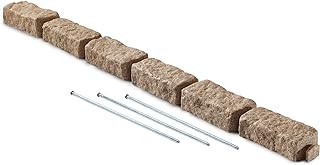
Beuta Landscape Edging | Garden Edging Border | Faux Stone Bricks for La…


Wood Garden Edging, Wooden Fence Border Decorative Small Picket Panels f…
2. Raised Garden Beds for Edibles

Looking to grow your own food with ease? Raised garden beds are a fantastic solution that combines practicality with aesthetics. These elevated beds not only improve drainage and soil management but also make gardening more accessible and enjoyable for everyone.
Imagine stepping outside to fresh tomatoes, peppers, and herbs right at your fingertips. With raised beds, you can easily customize sizes to fit your space and plant a variety of edibles, ensuring a bountiful harvest that can delight your kitchen.
Ingredients:
– Untreated wood for the frame
– Soil and compost mix
– Various vegetable seeds (tomatoes, peppers, herbs)
– Trellis for climbing plants (optional)
Instructions:
1. Build your raised garden bed frame using untreated wood, ensuring it’s sturdy.
2. Fill the bed with a mix of high-quality soil and compost for nutrients.
3. Choose your seeds and plant them according to the recommended spacing.
4. If using a trellis, set it up before planting climbing varieties.
5. Water regularly and watch your garden flourish throughout the season!
FAQs:
– Can I use old pallets for raised beds? Yes, as long as they’re untreated and safe for growing food.
– How high should the beds be? Aim for 12-24 inches for easy access and healthy root growth.
Raised Garden Beds for Edibles
Editor’s Choice

Espoma Organic Raised Bed Mix – All Natural and Organic Potting Soil Mix…

1 Pack Garden Obelisk Trellis for Climbing Plants Outdoor, 6FT Adjustabl…

Yaheetech 8×2ft Wooden Horticulture Raised Garden Bed Divisible Elevate…
3. Cozy Outdoor Living Spaces

Do you long for a cozy nook to unwind in your yard? Creating an inviting outdoor living space can be a game-changer for relaxation and entertainment. Simple features like a wooden pergola, comfortable seating, and a fire pit can transform your backyard into a welcoming retreat.
Imagine sipping coffee in the morning light or gathering with friends around a crackling fire at night. By incorporating natural materials and warm tones, you can create an atmosphere that feels both rustic and comfortable.
Ingredients:
– Wooden pergola or canopy
– Rustic dining table and chairs
– Comfortable cushions in earthy colors
– Fire pit or portable heater
– String lights for ambiance
Instructions:
1. Set up the wooden pergola in a central spot for shade and structure.
2. Arrange the rustic dining table and chairs around it, adding cushions for comfort.
3. Position the fire pit nearby for warmth and gathering.
4. Hang string lights above to create a magical evening atmosphere.
5. Add potted plants or herbs around the seating area for beauty and functionality.
FAQs:
– Can I use a commercial fire pit? Absolutely, just ensure it’s safe and compliant with local regulations.
– How can I keep the area tidy? Use storage baskets for cushions and blankets to protect them from the elements.
Cozy Outdoor Living Spaces
Editor’s Choice
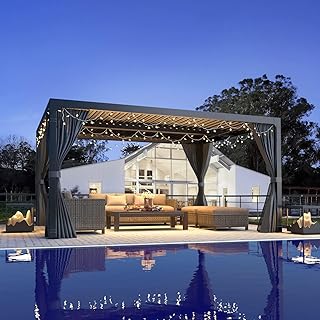
MELLCOM Louvered Pergola 10×12, Outdoor Rustproof Shelter with Adjustabl…

Flamaker 3 Pieces Outdoor Patio Wicker Furniture Set, Modern Rattan Chai…

OutVue 36 Inch Fire Pit with 2 Grills, Wood Burning Fire Pits for Outsid…
4. Natural Pathways with Rustic Materials

Are you ready to enhance the flow of your garden? Natural pathways can guide visitors through your outdoor spaces while adding organization and charm. By choosing materials like gravel, stone, or reclaimed bricks, you can create rustic pathways that echo the farmhouse style.
These pathways not only improve navigation but also invite exploration. Picture meandering through your garden, surrounded by the beauty of native plants and blooms, as you enjoy the tranquil ambiance of nature.
Ingredients:
– Flat stones or bricks
– Gravel or mulch
– Native plants for edging
– Landscape fabric (optional)
Instructions:
1. Outline your pathway with stakes and string to visualize the shape.
2. Lay down landscape fabric to prevent weeds if desired.
3. Place flat stones or bricks to form the pathway, securing them in place.
4. Fill in gaps with gravel or mulch for a finished look.
5. Plant native flowers along the edges to enhance the rustic charm.
FAQs:
– Can I use sand instead of gravel? Yes, but gravel provides better drainage and stability.
– How do I maintain the pathways? Regularly remove weeds and replenish gravel as needed.
You might also like


Natural Pathways with Rustic Materials
Editor’s Choice

40 LBS Grey Pea Gravel – Landscape Rocks – Drainage Rock – Gardening – A…
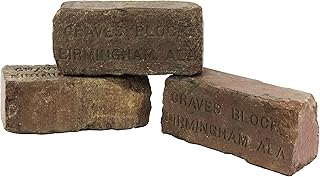
Rare Antique Brick – 100 Years Old – Graves Brick Company (Grade A, Birm…

Arcadia Garden Products Set of 4, 16×17” Dark Gray Stepping Stone Fibe…
5. Herb Gardens with Rustic Charm

Craving fresh herbs to elevate your cooking? Designing a dedicated herb garden not only adds rustic charm to your property but also provides easy access to culinary delights. Imagine stepping outside to snip fresh basil, rosemary, or thyme whenever you need them.
These fragrant plants enhance your dishes while creating a beautiful display in your garden. With the right setup, your herb garden can become a vibrant and functional part of your farmhouse landscape.
Ingredients:
– Sunny location with well-draining soil
– Wooden crates or old barrels for planters
– Various herb seeds (basil, rosemary, mint)
– Decorative signage for labeling
Instructions:
1. Choose a sunny spot for optimal herb growth.
2. Use wooden crates or barrels as unique planters.
3. Fill with well-draining soil and plant your herb seeds.
4. Create decorative signage to label each herb creatively.
5. Water regularly and harvest as needed for the freshest flavors!
FAQs:
– Can I plant herbs in regular garden beds? Yes, just ensure they have enough sunlight and space to thrive.
– How do I keep pests away? Companion planting with flowers can help deter pests naturally.
Herb Gardens with Rustic Charm
Editor’s Choice

Grenebo Gardening Tools 9-Piece Heavy Duty Garden Hand Tools with Fashio…

Yaheetech 43.5″ L×16″ W×14″ H Wooden Raised Garden Bed, Horticul…

Whaline 12Pcs Herb Plant Label Signs 12 Styles Garden Herb Markers Thick…
6. Vintage Garden Decor

Are you looking to add character to your garden? Vintage decor can bring a unique charm that tells a story and enhances your farmhouse landscape. Incorporating old garden tools, antique furniture, and rustic accents can create focal points that capture the essence of nostalgia.
Imagine an old bicycle transformed into a flower planter or antique watering cans adorning your garden. Each piece not only adds aesthetic appeal but also promotes sustainability through repurposing materials.
Ingredients:
– Old bicycle or garden cart
– Antique watering cans or crates
– Vintage birdhouses
– Natural elements like stones or wood
Instructions:
1. Select vintage items that resonate with your style and story.
2. Use the bicycle as a unique planter by adding soil and flowers.
3. Position watering cans or crates throughout the garden as decorative accents.
4. Hang birdhouses in trees to attract birds.
5. Arrange natural elements around decor to create a cohesive look.
FAQs:
– Can I mix different styles of decor? Yes, an eclectic mix can create a charming and personalized garden aesthetic.
– How do I maintain vintage items outside? Regularly check for wear and protect items with a weather-resistant spray.
Vintage Garden Decor
Editor’s Choice
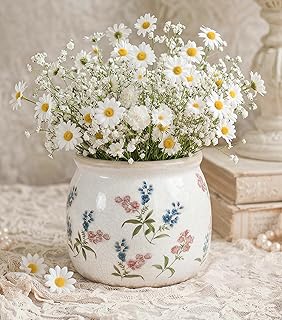
DREAMLOOM Vintage Ceramic Planter for Indoor Plants,6.1″ Ice Crack Cotta…

Galvanized Pitcher Antique Watering Can Retro Jug Metal Vase Rustic Vint…
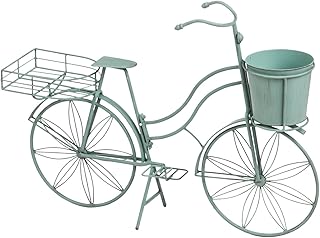
Cape Craftsmen Shabby-Chic Vintage Teal Bicycle Planter Outdoor Safe Dé…
7. Sustainable Practices in Gardening

Are you passionate about protecting the environment? Sustainable gardening is a fantastic way to create a beautiful landscape while being kind to Mother Earth. By implementing eco-friendly practices, you can enhance your farmhouse garden and contribute to a healthier ecosystem.
Consider native plants that thrive with less water and are resilient to local pests. Capturing rainwater and composting can enrich your soil and reduce waste, all while fostering a thriving garden.
Ingredients:
– Native plants for your area
– Rain barrels for water collection
– Kitchen scraps for composting
– Mulch for soil health
Instructions:
1. Research native plants that suit your climate and soil.
2. Set up rain barrels to collect water for irrigation.
3. Start a compost bin with kitchen scraps and yard waste.
4. Apply mulch around plants to retain moisture and suppress weeds.
5. Enjoy the beauty of a thriving garden that supports local wildlife!
FAQs:
– Can I use non-native plants? While possible, native plants are more beneficial for local ecosystems.
– How do I start composting? Begin with a mix of greens and browns, turning it regularly to aerate.
Fun fact: Native plants can cut irrigation needs by up to 50% in a farmhouse landscaping setup. Sustainable practices like rain capture and composting turn waste into soil richness you can actually taste in your vegetables. Small eco-friendly steps add up to a thriving, down-to-earth landscape.
You Might Also Like

Sustainable Practices in Gardening
Editor’s Choice

EPICA Countertop Compost Bin Kitchen | 1.3 Gallon | Odorless Composting …

Native Wildflower Seeds for Planting 24 Variety Pack – Perennial & Ann…

FCMP Outdoor Raincatcher 4000 Rain Barrel, Flat-Back Rainwater Catcher w…
8. Seasonal Plant Rotations

Do you want to keep your garden thriving year-round? Embracing seasonal plant rotations is a brilliant way to maintain soil health and introduce variety to your farmhouse landscape. This practice not only keeps your garden interesting but also prevents pest issues and improves nutrient balance.
Picture alternating crops throughout the year, enhancing biodiversity while ensuring your garden remains productive. By planning your layout wisely, you can create a dynamic environment that showcases the beauty of diverse plants.
Ingredients:
– Various seeds for different seasons (leafy greens, root vegetables)
– Garden layout plan
– Compost for enriching soil
– Mulch for ground cover
Instructions:
1. Plan your garden layout, marking areas for different crops.
2. Start with leafy greens in spring, followed by root vegetables in fall.
3. Rotate crops regularly to maintain soil health and deter pests.
4. Add compost before planting each season to enrich the soil.
5. Monitor plant health and adjust as necessary for optimal growth!
FAQs:
– Can I plant the same crops each year? It’s best to rotate them to prevent soil depletion and pest buildup.
– How do I know what to plant each season? Research seasonal planting guides for your local climate to maximize success.
Fun fact: rotating crops 3–4 times a year as seasonal plant rotations can boost soil health and cut pest pressure by up to 40%. That seasonal rhythm keeps your farmhouse landscaping thriving year-round and your beds buzzing with biodiversity.
Seasonal Plant Rotations
Editor’s Choice

Rapitest Soil Test Kit for Gardens, Vegetables, Flowers and Lawns. USA d…

Gardening Log Book and Planner: Monthly Garden Planting Journal and Orga…

Companion Planting: The Beginner’s Guide to Companion Gardening (The Org…
Conclusion
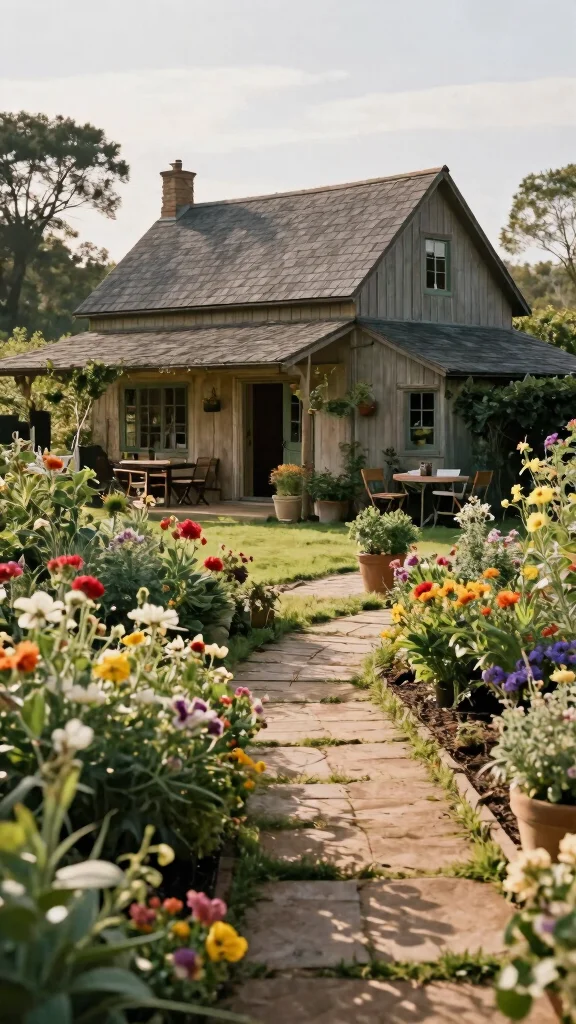
By weaving together these farmhouse landscaping ideas, you can create a space that blends rustic elegance with sustainable practices. Each element adds character and charm, reflecting the down-to-earth beauty of farmhouse living. Remember, gardening should be a joyful journey, so let your personality shine through in your outdoor spaces. Whether you’re planting vibrant flowers or designing cozy outdoor living areas, your farmstead can become the perfect retreat to savor all that nature has to offer.
Note: We aim to provide accurate product links, but some may occasionally expire or become unavailable. If this happens, please search directly on Amazon for the product or a suitable alternative.
This post contains Amazon affiliate links, meaning we may earn a small commission if you purchase through our links, at no extra cost to you.
Frequently Asked Questions
What Are the Essential Elements of Farmhouse Landscaping to Achieve Down-to-Earth Charm?
To nail the down-to-earth charm of farmhouse landscaping, start with a rustic garden design that feels practical and welcoming. Think natural materials like stone, weathered wood, and soft curves that blend with the land.
Create cozy outdoor living spaces—a simple seating area, a fire pit, or a shaded veranda—so guests can linger in comfort. Use warm, muted colors to echo country-style landscaping vibes.
Include a small edible garden corner for fresh herbs and vegetables, supporting sustainable gardening. Finish with thoughtful flower bed ideas that anchor the spaces and attract pollinators.
How Can I Create a Rustic Edible Garden Within Farmhouse Landscaping?
Start with raised beds or a prioritized herb spiral to give easy access to fresh herbs for your kitchen and garnish your gatherings in a rustic garden design. Maintain soil health with composting and mulch, a cornerstone of sustainable gardening.
Plant a mix of perennial herbs (rosemary, thyme), hardy greens (lettuce, chard), and compact vegetables (carrots, radishes). Use drip irrigation to conserve water and minimize effort, keeping your farmhouse landscaping practical and productive.
Finish with edible flowers and compact fruiting shrubs along the edges to blend beauty with function and keep an eye on flower bed ideas that support pollinators.
What Are Some Low-Maintenance Flower Bed Ideas for Farmhouse Landscaping?
Opt for a cottage-inspired palette using native perennials and seasonally reliable blooms that bloom across months, making flower bed ideas feel effortless. Use soft, natural textures—lavender, daisies, coneflowers—and pair them with stone edging and warm mulches.
Plant in layered borders to add depth without extra upkeep, and group plantings by sun exposure to reduce maintenance. Keep irrigation simple and sustainable with a soaker hose or drip line, reinforcing sustainable gardening within farmhouse landscaping.
How Do I Design Outdoor Living Spaces That Fit Country-Style Landscaping While Staying Eco-Friendly?
Create a welcoming outdoor space with a stone patio, a timber pergola, and comfortable seating that reflect outdoor living spaces in a farmhouse aesthetic. Choose natural materials and drought-tolerant plants to support sustainable gardening while still delivering beauty.
Incorporate rainwater harvesting with barrels to irrigate the beds and reduce mains water use. Use plantings to frame views and include edible edges for practical charm, staying true to country-style landscaping with a green conscience.
What Common Mistakes Should I Avoid When Planning Farmhouse Landscaping?
Avoid ending up with a crowded, mismatched look that clashes with the rustic vibe of farmhouse landscaping. Start with good soil health and drainage—plants struggle when moisture or compaction is wrong.
Don’t overuse non-native ornamentals; choose climate-suited, low-maintenance options to support sustainable gardening. Avoid clutter in beds and paths; a clean, simple layout keeps the country-style landscaping feel intact. Finally, give your edible garden clear access for routine maintenance, so flower bed ideas stay appealing and productive.
Related Topics
farmhouse landscaping
rustic garden design
country-style landscaping
sustainable gardening
outdoor living spaces
flower bed ideas
edible gardens
beginner friendly
DIY landscaping
seasonal gardening
farmhouse charm
easy landscaping