
Creating a stunning landscape in Central Florida can feel like a challenge. The hot sun, occasional storms, and humidity can test your gardening limits. But don’t worry; this post is here to help. I’ve put together some of the best Central Florida landscaping ideas that thrive in our unique climate while still looking spectacular. Whether you’re a seasoned gardener or just dipping your toes into landscaping, you’ll find plenty of inspiration here.
This guide is for homeowners and garden enthusiasts who love to see their outdoor spaces flourish. If you care about creating beautiful, sustainable gardens that echo the tropical vibe of Florida, you’re in the right spot. With the right choices, you can achieve that dream garden without constant upkeep. You’ll discover eight fantastic ideas that not only beautify your property but also embrace Florida native plants, enhance curb appeal, and incorporate drought-resistant landscaping methods.
Get ready to transform your space! Each idea is designed to be practical, sustainable, and easy to implement. From creating your own tropical oasis with palm trees to integrating edible plants into your design, you’ll walk away with a mix of creativity and actionable tips to bring your vision to life.
Key Takeaways
– Focus on Florida native plants to ensure your garden thrives in local conditions while supporting the ecosystem.
– Consider drought-resistant landscaping to reduce water usage, saving money and helping the environment.
– Create a tropical oasis by incorporating palm trees and other lush plants for a vibrant outdoor space.
– Add edible plants into your landscape to enjoy fresh produce right from your garden.
– Enhance your home’s curb appeal using colorful flowers and thoughtful design elements to make a lasting impression.
1. Embrace Florida Native Plants

Looking to create a beautiful and sustainable garden? Embracing Florida native plants is the way to go! These plants are perfectly suited for the local climate and require minimal water while resisting local pests. Imagine vibrant blooms from coreopsis, the stunning firebush, and the charming blue-eyed grass brightening your landscape.
Using native plants not only conserves water but also attracts local wildlife like butterflies and birds. This helps create a diverse ecosystem that enhances your garden’s beauty and ecological health.
To get started with native plants:
– Layer taller plants at the back for depth.
– Mix textures and colors for year-round interest.
– Group similar plants together to mimic their natural habitats.
Choosing native plants is a brilliant decision that benefits both the environment and your garden’s aesthetic appeal.
Fun fact: Florida native plants like coreopsis, firebush, and blue-eyed grass typically use 30-50% less water than ornamental exotics once established. As part of central florida landscaping ideas, embrace them and watch your landscape stay vibrant while you save time, money, and wildlife-friendly beauty.
Embrace Florida Native Plants
Editor’s Choice



GROWIT Plant Moisture Meter – Accurately Tells You When to Water Your Pl…

Native Soil Natural Fertilizer and Soil Conditioner (1 Pound)
2. Invest in Drought-Resistant Landscaping

In Central Florida’s dry climate, drought-resistant landscaping is essential for a thriving garden. Opt for plants like agave, liriope, and sedum that flourish with minimal water, creating a lush yet low-maintenance space. You’ll not only save on water bills but also lessen the strain on local water resources.
Incorporate decorative rocks and mulch to retain moisture while adding texture to your landscape. Consider designing a xeriscape garden focused on water conservation.
Key steps for a xeriscape garden:
– Group drought-tolerant plants together for efficient watering.
– Include hardscaping features to reduce lawn areas.
– Add drip irrigation for targeted watering.
This method beautifies your garden and promotes responsible water use.
Fun fact: Central Florida landscaping ideas that focus on drought-resistant gardens can cut outdoor water use by up to 40%. Use agave, liriope, and sedum, then finish with mulch and decorative rocks for texture and low maintenance.
📹 Related Video: Florida Native Landscape Tour: Drought Tolerant, Low Maintenance Plants in a Coastal Yard!
Invest in Drought-Resistant Landscaping
Editor’s Choice

40 LBS Natural Large River Stones – 4-7 Inch Pebbles for Water Feature…
Back to the Roots 100% Organic Mulch, 58 Quart, Expanding Coconut Husk B…

Outsidepride Oktoberfest Sedum Seeds – 1000 Pcs Perennial Ground Cover S…
3. Create a Tropical Oasis with Palm Trees

No Central Florida garden is complete without the iconic palm tree. These stunning plants evoke a tropical paradise, adding height and flair to your landscape. Consider a variety of palms like the queen palm and the cabbage palm for a dramatic effect.
Palms serve as striking focal points and provide shade, enhancing your outdoor enjoyment during the hot summers. Pair them with colorful flowering shrubs for that vibrant tropical vibe.
Design tips for palms:
– Vary heights for a layered look.
– Position near water features for a soothing atmosphere.
– Mix with tropical plants like bromeliads for lushness.
Integrating palms can elevate your garden’s charm and boost your home’s curb appeal.
Create a Tropical Oasis with Palm Trees
Editor’s Choice

Live Plant – 10 Cabbage Palm Trees – 5-7″ Tall – 6 Month Old Live Plants…

Queen Palm – Live Plant in a 10 Inch Growers Pot – Syagrus Romanzoffiana…

Tropical Plants of Florida Live Hibiscus Bush – Mystery Multi-Color Fl…
4. Design with Edible Plants

Why not blend beauty and practicality? Incorporating edible plants into your landscape adds visual appeal and gives you fresh produce right at your fingertips! Think about mixing in citrus trees, strawberries, and basil for a delightful garden.
A well-planned edible garden can look just as beautiful as any flower bed. Create designated spaces using raised beds or decorative pots to grow your favorites.
Helpful tips for edible gardening:
– Pair compatible plants like tomatoes and basil for better yields.
– Add flowering herbs like lavender to attract pollinators.
– Use trellises for climbing plants to maximize space.
With thoughtful planning, you can enjoy a picturesque garden that also delivers delicious produce.
You might also like


Top Varieties for Different Conditions
1. Florida Anise (Illicium floridanum)
– Best conditions: Thrives in shady areas of Central Florida gardens.
– Key features: This native evergreen shrub has aromatic leaves and produces lovely, star-shaped flowers. It’s perfect for creating a lush, tropical feel without needing full sun.
– Considerations: It prefers moist, well-drained soil and may need extra watering during dry spells.
2. Gulf Coast Native Hibiscus (Hibiscus grandiflorus)
– Best conditions: Ideal for sunny spots and wet areas, such as near a pond or in low-lying areas.
– Key features: Known for its stunning, large flowers, this plant can add a pop of color to your garden. It’s also drought-resistant once established.
– Considerations: This variety can be a bit invasive, so regular pruning is necessary to keep it under control.
3. Saw Palmetto (Serenoa repens)
– Best conditions: Perfect for sandy soils and full sun; great for barrier plantings or as a low hedge.
– Key features: This hardy native plant has fan-shaped leaves and grows well in dry areas. Its resilience makes it a good choice for a low-maintenance landscape.
– Considerations: It can spread, so give it room to grow. It’s also slow to establish, requiring patience.
4. Lantana (Lantana camara)
– Best conditions: Thrives in full sun and well-drained soil; it’s excellent for heat and drought.
– Key features: This colorful perennial attracts butterflies and hummingbirds, making your garden lively. Its flowers bloom in clusters and come in various colors.
– Considerations: It can become aggressive, so plant it where it has space to spread without crowding other plants.
5. Blue Flag Iris (Iris virginica)
– Best conditions: Prefers wet areas, making it suitable for rain gardens or along water features.
– Key features: This native iris produces beautiful blue flowers in spring, bringing elegance to your garden. It also helps improve water quality in your landscape.
– Considerations: It needs consistent moisture and will not thrive in dry soil.
6. Firebush (Hamelia patens)
– Best conditions: Thrives in full sun and tolerates poor soil conditions; great for attracting wildlife.
– Key features: This shrub produces bright orange-red flowers that attract hummingbirds and butterflies. It can be used as a hedge or specimen plant.
– Considerations: It can grow quite tall, so regular pruning may be needed to maintain your desired height.
7. Eastern Red Cedar (Juniperus virginiana)
– Best conditions: Prefers full sun to partial shade and well-drained soils; excellent for windbreaks or privacy screens.
– Key features: This evergreen tree provides year-round greenery and can withstand drought conditions. It also provides habitat for birds and small wildlife.
– Considerations: It can grow large, so be mindful of spacing if used in a smaller garden.
Climate/Condition Guide:
Central Florida experiences a humid subtropical climate, making it essential to choose plants that can handle both wet and dry conditions. If your area is prone to drought, look for drought-resistant options like Lantana or Saw Palmetto. For gardens near water features, Blue Flag Iris and Gulf Coast Native Hibiscus are excellent choices. Always consider the specific sunlight and soil conditions in your garden to ensure plant success.
Growing Tips:
1. Water newly planted species regularly to establish strong roots. Use mulch to retain moisture and suppress weeds. 🌿
2. Group plants with similar water and light needs together for better care and maintenance. 🪴
3. Monitor for pests and diseases, especially during the growing seasons, to keep your garden healthy. 🌞
Avoid:
1. Don’t plant species that are invasive without considering their spread potential. This can lead to overcrowding and reduced biodiversity in your garden.
2. Avoid overwatering, especially for drought-resistant plants like Lantana, as this can lead to root rot.
Design with Edible Plants
Editor’s Choice

Citrus Tree Fertilizer Kit – Complete 3-in-1 Plant Food with NPK Granule…

Land Guard Galvanized Raised Garden Bed Kit, Galvanized Planter Garden B…

Hum Flowerpots, 8.5 inch Set of 3, Various Patterns Colors and Sizes, In…
5. Add a Water Feature for Serenity

Adding a water feature can turn your garden into a serene retreat. Whether it’s a small pond, a fountain, or a birdbath, the soothing sound of flowing water attracts wildlife and brings peace to your outdoor space. Consider options like a bubbling rock or a pond filled with water lilies.
A water feature can become a stunning focal point, enhancing the tranquility of your garden. Surround it with lush plants for a harmonious look.
Ideas for water features:
– Use native aquatic plants to support local wildlife.
– Position features for visibility from your home.
– Add lighting for a magical nighttime ambiance.
Incorporating water not only enhances beauty but also creates a peaceful escape in your landscape.
Add a Water Feature for Serenity
Editor’s Choice

Ancient Graffiti Eight-Stone Balancing Cairn – Indoor/Outdoor Garden Dec…

Alpine Corporation WCT202 Indoor Tabletop Tiered Water Fountain Featurin…

Lotus Seeds for Planting in Water – 30 PCS Mixed Bowl Lotus Seeds, Wat…
6. Utilize Decorative Stones and Mulch

In Central Florida landscaping, decorative stones and mulch are essential for both style and function. They elevate the visual appeal of your garden while aiding moisture retention and weed control. A mix of river rocks, gravel, and colorful mulch can create beautiful pathways and define garden beds.
Using these materials adds texture and contrast, making your tropical plants stand out even more. Consider these practical tips:
– Select stones that match your plant colors for a cohesive look.
– Apply mulch around plants to conserve moisture and maintain a tidy appearance.
– Create rock gardens or dry creek beds for unique features.
With the right stones and mulch, you can achieve a polished, professional finish that enhances your landscape’s beauty.
Fun Fact: In central florida landscaping ideas, a 2-3 inch mulch layer plus decorative stones can cut irrigation needs by up to 30% and reduce weeds by half. Texture and color make tropical perennials really stand out.
Utilize Decorative Stones and Mulch
Editor’s Choice

Back to the Roots 25.7qt (1 Cubic ft) Organic Premium Mulch

40 LBS Grey Pea Gravel – Landscape Rocks – Drainage Rock – Gardening – A…

Virekm River Rocks, Decorative Ornamental Pebbles,Garden Landscaping Sto…
7. Integrate Sustainable Landscaping Practices
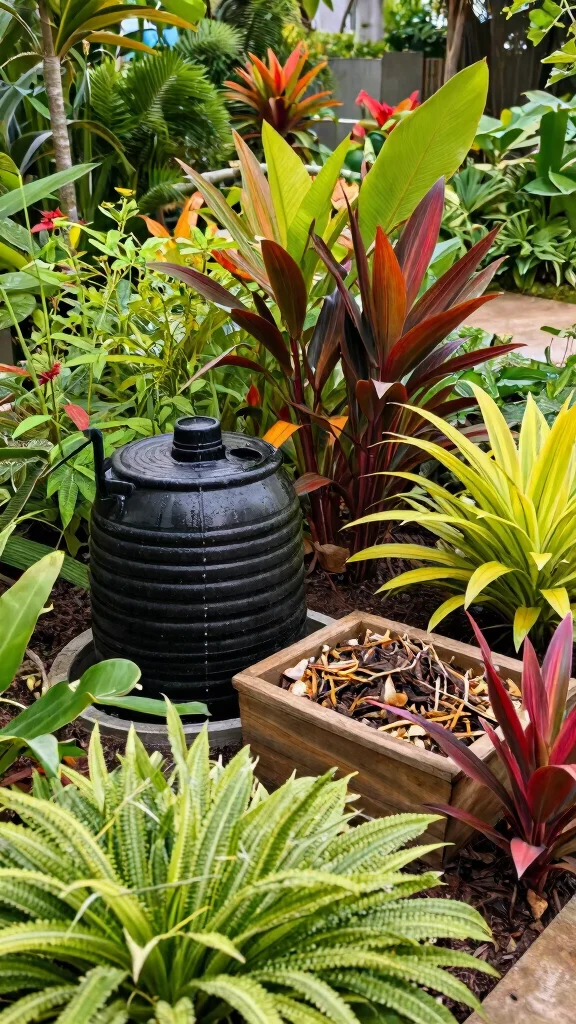
Sustainability should be at the core of every Central Florida garden. By adopting sustainable landscaping practices, you can create a garden that benefits both you and the environment. Start with strategies to minimize water usage, reduce waste, and employ organic techniques.
Methods like composting, using rain barrels, and planting cover crops can significantly improve your garden’s health while conserving resources. Plus, using organic fertilizers protects local wildlife and keeps your garden safe.
Consider these sustainable landscaping ideas:
– Create a rain garden to manage runoff effectively.
– Choose low-maintenance plants for an eco-friendly garden.
– Utilize native plants to support local ecosystems.
By embracing sustainability, your garden can flourish while positively impacting the environment.
You Might Also Like

Integrate Sustainable Landscaping Practices
Editor’s Choice

Utopia Kitchen Countertop Compost Bin Kitchen with Charcoal Filter -1.3g…

Burpee Organic Tomato & Vegetable Granular Plant Food, 4 lb
8. Enhance Curb Appeal with Color and Design

The finishing touch for your Central Florida landscape is enhancing curb appeal. A thoughtfully designed landscape not only beautifies your home but can also boost its value. Combine vibrant colors and interesting textures to create a welcoming front yard.
Use plants that bloom at different times to keep your garden lively year-round. Pair taller plants with low-growing ground covers for a dynamic look.
Tips for boosting curb appeal:
– Choose a cohesive color palette that matches your style.
– Incorporate decorative elements like trellises or unique planters.
– Use lighting to highlight features at night for an inviting atmosphere.
With these strategies, you can craft a stunning landscape that reflects your taste and enhances your home’s curb appeal.
Enhance Curb Appeal with Color and Design
Editor’s Choice

SUNNYPARK Antique Garden Iron Trellis with Decorative Hummingbirds Detac…

Florida Special Pineapple Plant – Live Plant in a 4 Inch Growers Pot – A…

DeeCoo 3 Piece Ceramic Plant pots Indoor Pots Set with Drainage Holes, 5…
Conclusion

Transforming your Central Florida landscape into a tropical paradise is not only achievable but can also be a rewarding experience. By incorporating native plants, sustainable practices, and stunning design elements, you’re creating a garden that’s beautiful, practical, and friendly to the environment.
Whether you’re jazzing up your curb appeal or creating a personal oasis, these landscaping ideas will inspire your journey towards a lush and vibrant outdoor space.
Now, it’s time to roll up your sleeves and get started on your dream tropical garden!
Note: We aim to provide accurate product links, but some may occasionally expire or become unavailable. If this happens, please search directly on Amazon for the product or a suitable alternative.
This post contains Amazon affiliate links, meaning we may earn a small commission if you purchase through our links, at no extra cost to you.
Frequently Asked Questions
What are the best central florida landscaping ideas that handle the climate and still look like a dream?
Central Florida’s heat, humidity, and occasional storms demand smart planning. Start with Florida native plants to cut water use and boost resilience, then layer textures with tropical perennials for a lush, dreamlike look. Use drought-resistant landscaping principles—mulch, efficient irrigation, and zone-by-zone plantings—to keep color year-round without overdoing irrigation.
For curb appeal enhancement, create focal points such as a bold palm, a flowering shrub, and a contrasting groundcover bed. With regular pruning, seasonal fertilization, and smart maintenance, your garden will look spectacular even in challenging months.
Which Florida native plants thrive in Central Florida landscapes and how can they boost curb appeal enhancement?
Choosing Florida native plants helps your yard stay vibrant while using less water and attracting pollinators. Great backbone choices include wax myrtle for evergreen screening, muhly grass for texture, and beautyberry or firebush for seasonal color.
Group plants by sun exposure and layer them: taller natives toward the back, mid-height shrubs in the middle, with low groundcovers in front to create an inviting curb appeal enhancement. Pair natives with clean borders, mulch, and a simple irrigation plan to keep maintenance practical and the look cohesive.
How can I design a tropical garden in Central Florida that is both stunning and drought-resistant?
Aim for a tropical garden design that thrives on smart water use. Start with a focal plant like a palm or a dramatic bromeliad, then layer mid-height flowering shrubs (hibiscus, mandevilla) with shade-tolerant understory plants. Group plants by water needs and use sustainable landscaping tips such as mulching, a drip irrigation system, and rain barrels.
Incorporate texture with grasses like muhly, bold foliage with canna or cordyline, and colorful blooms to keep the space lush without watering on peak days. This approach gives you a vibrant, tropical feel that stands up to Central Florida summers.
What sustainable landscaping tips should I follow to manage Central Florida’s heat and storms?
Start with the soil: amend with compost and mulch to improve retention and reduce weeds. Choose Florida native plants and drought-tolerant species where possible, then install a drip irrigation system to minimize water waste.
Use rain barrels to capture runoff, create permeable pathways, and design beds that drain well after storms. Practice integrated pest management and avoid heavy chemical use. These steps keep your landscape resilient, low-maintenance, and climate-smart.
What practical steps can I take today to start a Central Florida landscaping project that improves curb appeal while staying climate-smart?
Start with a simple plan: map sun and shade, set a budget, and pick 2-3 standout focal points for immediate impact. Choose a tropical garden design palette with strong greens, bold blooms, and textured foliage, then lean on Florida native plants for long-term ease.
Begin with a small bed of natives, add edging and mulch for a polished look, and install an efficient irrigation plan. Over the next seasons, expand gradually to enhance curb appeal enhancement while keeping maintenance light and sustainable.
Related Topics
central florida landscaping ideas
tropical garden design
drought-resistant landscaping
Florida native plants
sustainable landscaping tips
curb appeal enhancement
easy landscaping
perennial gardens
climate-friendly gardens
home gardening
landscaping for beginners
tropical plants