
When it comes to creating a beautiful garden in Florida, the sweltering heat can feel like a daunting challenge. I’ve found myself craving lush, vibrant landscapes that stand up to the sun while still being easy to maintain. If you’re like me and want to make the most of your outdoor space without constant upkeep, this post is for you. It’s packed with smart ideas that suit Florida’s warm climate, so you can have a stunning yard year-round.
This guide is designed for homeowners, garden enthusiasts, and anyone who loves to spend time outdoors. You care about creating a space that is not only visually appealing but also sustainable and low-maintenance. Whether you’re looking to add color, texture, or functional beauty to your property, I’ve pulled together seven Florida landscaping ideas that are heat-tolerant and magnificent, even during the hottest months.
By diving into these ideas, you’ll discover how to embrace native plants and flowers, utilize smart hardscaping, and design a garden that thrives all year. You’ll also learn about drought-resistant options that help save water while still providing a gorgeous environment. So, let’s get started on transforming your outdoor space into a tropical oasis that you can enjoy no matter the season!
Key Takeaways
– Explore the benefits of native Florida shrubs that require less water and provide a natural habitat for local wildlife.
– Learn how to choose from a variety of tropical plants that flourish in Florida’s climate and bring vibrant colors to your garden.
– Discover drought-resistant landscaping techniques that help you conserve water while creating appealing outdoor spaces.
– Find out which heat-tolerant flowers can add pops of color to your garden without demanding much maintenance.
– Get tips on year-round garden design that ensures your outdoor space remains lush and inviting throughout the seasons.
1. Embrace Native Florida Shrubs

Native Florida shrubs are perfect for anyone looking to create a stunning garden with minimal effort. These resilient plants are naturally suited to Florida’s climate, making them ideal for low-maintenance landscaping. Varieties like Florida privet, coontie, and firebush bring an array of colors and textures to your outdoor space while providing habitats for local wildlife. Enjoy the beauty of nature while keeping your garden eco-friendly and sustainable.
To get the most out of your native shrubs, consider grouping them by height and blooming times for year-round interest. This approach not only enhances the aesthetic appeal but also creates a vibrant habitat for pollinators. Adding a layer of mulch helps retain moisture and suppress weeds, making upkeep easier.
Key planting tips:
– Select a mix of flowering and non-flowering shrubs for visual variety.
– Group plants in clusters for a more natural appearance.
– Visit local nurseries to find native varieties suited to your area.
Choosing native Florida shrubs means enjoying a beautiful, sustainable garden that flourishes with little maintenance!
Embrace Native Florida Shrubs
Editor’s Choice

Native Trees and Shrubs of the Florida Keys : A Field Guide/Also South F…


XLUX Long Probe Deep Use Soil Moisture Meter, Water Monitor Indicator Se…
Back to the Roots 100% Organic Mulch, 58 Quart, Expanding Coconut Husk B…
2. Tropical Plants Galore

Nothing captures the essence of Florida like a lush garden filled with tropical plants. These vibrant, heat-loving plants thrive in the Sunshine State, creating a lively atmosphere. Consider adding palms, gingers, and bird of paradise to your landscape for that perfect tropical vibe. These selections not only provide stunning visual impact but also enhance your outdoor spaces with their bold colors.
The great thing about tropical plants is their versatility. They can serve as striking focal points or create a serene atmosphere in your outdoor area. For instance, tall palms provide privacy, while colorful gingers can fill in gaps with their exotic blooms. Pairing them with drought-resistant plants can also optimize water usage.
Get started with these ideas:
– Mix various heights and textures for visual appeal.
– Create paths lined with tropical plants to guide visitors.
– Deadhead flowering plants regularly to boost blooms and garden charm.
Transform your landscape into a vibrant tropical paradise that invites relaxation and enjoyment!
❝Fun fact: Tropical plants like palms, gingers, and bird of paradise can thrive in Florida’s heat with just 1 inch of weekly irrigation in summer. With proper mulch and sun, your garden stays vibrant year-round.❞
Tropical Plants Galore
Editor’s Choice

Riare 2 Pack Coco Chips Substrate for Plants- 2.2lb 100% Organic Coconut…

Miracle-Gro Indoor Plant Food for Tropicals, Liquid Plant Food for Tropi…
3. Drought-Resistant Landscaping
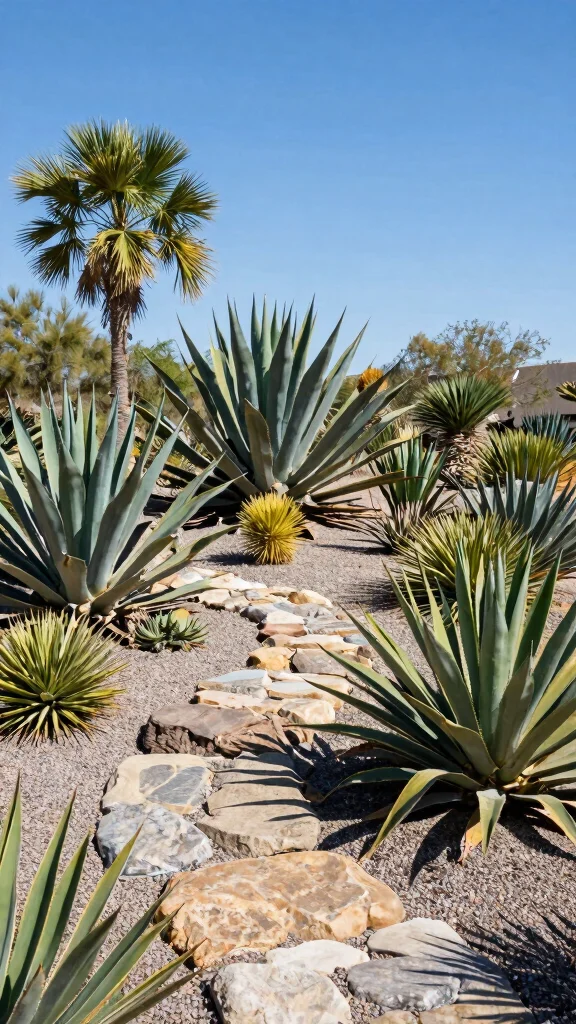
Embracing drought-resistant landscaping is a smart choice for Florida’s warm climate. This method conserves water while allowing your garden to thrive beautifully. Selecting plants that naturally thrive with minimal moisture, such as agave, blanket flower, and yucca, ensures your landscape remains stunning year-round.
To maximize the impact of your drought-tolerant plants, plant them in well-draining soil and group them closely. Adding decorative rocks and gravel to your garden not only enhances drainage but also adds visual interest. Consider raised beds for improved drainage and better soil control.
Here’s how to enhance your garden:
– Cluster plants for a cohesive look.
– Use mulch to keep moisture and minimize evaporation.
– Research local drought-tolerant varieties that fit your ecosystem.
With drought-resistant landscaping, you can enjoy a beautiful garden that thrives under the Florida sun with minimal effort!
📹 Related Video: 10 Drought Tolerant Plants That Will Survive The Driest Conditions ☀️✨🌼
Drought-Resistant Landscaping
Editor’s Choice

Blue Flame Agave, Soft Leafed Agave – 1 Plant – Drought-Tolerant Succule…
4. Heat-Tolerant Flowers

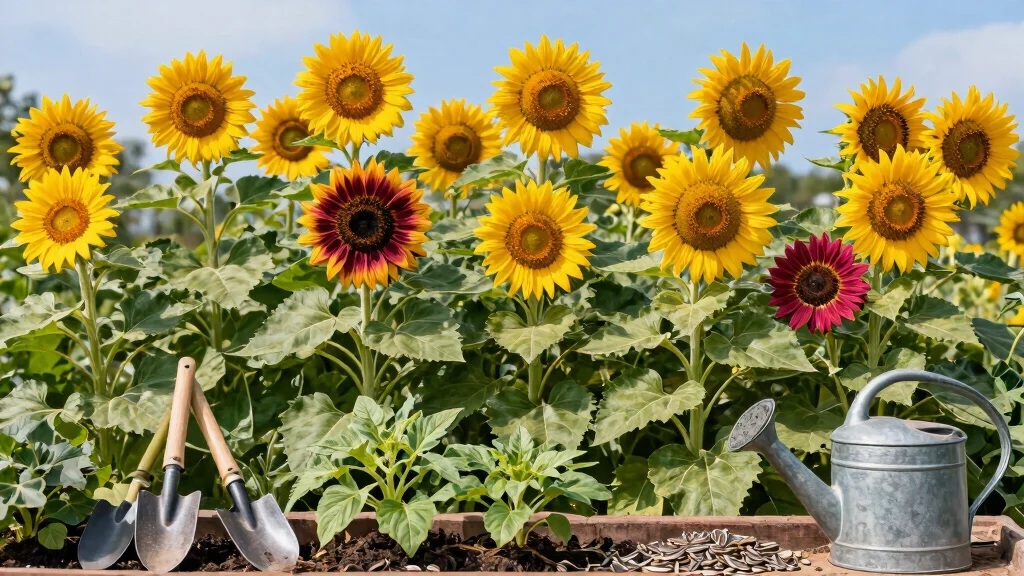
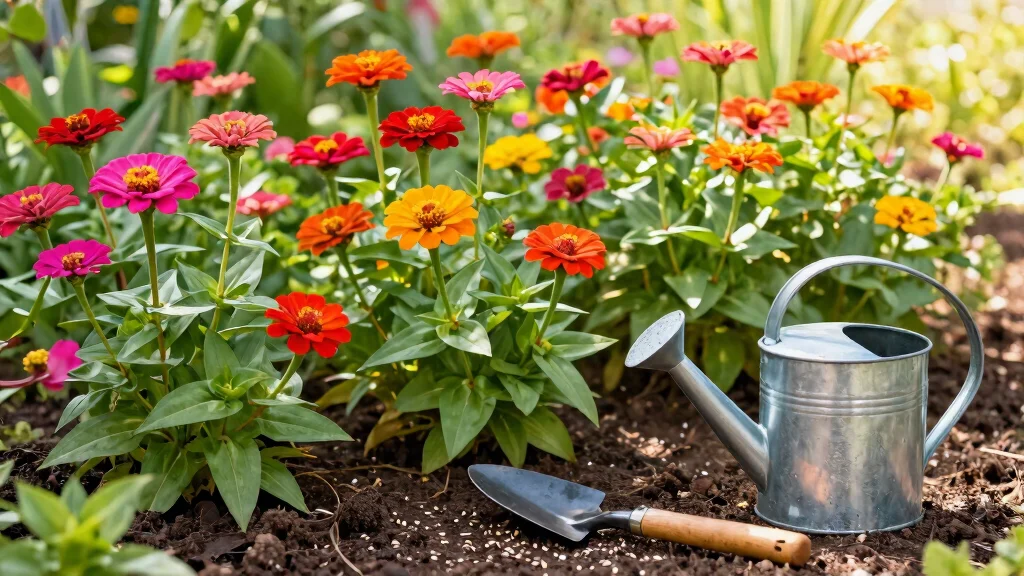
You can absolutely enjoy a colorful garden even in the heat with heat-tolerant flowers. Varieties like zinnias, marigolds, and portulaca not only thrive in sunny conditions but also attract beneficial pollinators like butterflies and bees. This adds life and vibrancy to your outdoor spaces, making them a feast for the eyes.
To help these flowers flourish, plant them in well-draining soil and choose sunny spots where they can bask in the warmth. A mix of annuals and perennials ensures that your garden stays colorful from spring through fall. Companion planting can also enhance growth and deter pests, ensuring a thriving flower bed.
Start with these tips:
– Regularly deadhead flowers to promote new blooms.
– Group flowers by bloom times for ongoing color.
– Play with colors and shapes for a striking display.
Incorporating heat-tolerant flowers means a vibrant garden that remains beautiful, no matter how high the temperatures soar!
Fun fact: heat-tolerant flowers like zinnias, marigolds, and portulaca thrive in Florida landscaping—reaching 90–100°F summers. With well-draining soil and full sun, they bloom reliably and attract butterflies and bees.
You might also like
Heat-Tolerant Flowers
Editor’s Choice

Chapin 47998 Watering Can, 2 Gallon, Indoor and Outdoor Plants, Lawn, Ga…

Eden Brothers Zinnia Seeds – Cupcakes Pink Mix, Non-GMO Seeds for Planti…

Miracle-Gro Moisture Control Potting Mix – Plant Soil For Container Plan…
5. Functional Yet Aesthetic Hardscaping

Hardscaping plays a crucial role in Florida landscaping, providing both structure and functionality. Elements like pathways, patios, and retaining walls crafted from stone, brick, or concrete not only enhance usability but also elevate the visual appeal of your garden. These features create inviting outdoor spaces for relaxation and gatherings.
The right materials can beautifully complement your plant choices. For example, a rustic stone pathway can harmonize with vibrant tropical plants. Opt for permeable pavers to improve drainage and reduce runoff, adding both style and practicality.
Consider these elements for your hardscape:
– Select durable materials that withstand Florida’s climate.
– Design your layout to harmonize with existing plants.
– Utilize raised beds for aesthetics and function.
Well-planned hardscaping enhances your landscape design while providing practical solutions for everyday use.
Top Varieties for Different Conditions
When landscaping in Florida, you need to select plants that can handle the heat and humidity. Here are some top varieties that thrive in various conditions while keeping your garden looking great year-round.
1. Firebush (Hamelia patens)
– Best conditions: Full sun, well-drained soil
– Key features: This native Florida shrub is a pollinator magnet, attracting butterflies and hummingbirds. It blooms bright orange and red flowers, adding a pop of color to your garden.
– Considerations: Firebush can grow quite tall, so plan your space accordingly. It also loves a little pruning to maintain its shape.
2. Plumbago (Plumbago auriculata)
– Best conditions: Full sun to partial shade, moderate watering
– Key features: Plumbago produces clusters of sky-blue flowers that bloom from spring to fall. It’s drought-tolerant and can handle poor soil, making it ideal for low-maintenance gardens.
– Considerations: It can become invasive, so regular trimming is necessary to keep it in check.
3. Blanket Flower (Gaillardia pulchella)
– Best conditions: Full sun, well-drained sandy soil
– Key features: These heat-tolerant flowers showcase vibrant red and yellow petals. They bloom throughout the summer and are drought-resistant, making them perfect for xeriscaping.
– Considerations: Although they thrive in dry conditions, they benefit from occasional watering during extreme heat.
4. Southern Magnolia (Magnolia grandiflora)
– Best conditions: Full sun to partial shade, moist, well-drained soil
– Key features: This evergreen tree has stunning, large white flowers and glossy leaves. It’s great for providing shade and adds a classic Southern charm to your landscape.
– Considerations: Southern magnolias can grow quite large, so ensure you have enough space for their full maturity.
5. Lantana (Lantana camara)
– Best conditions: Full sun, dry to moderate watering
– Key features: Lantana produces colorful clusters of flowers that attract butterflies. It’s drought-tolerant and can thrive in a variety of soil types, making it a versatile option.
– Considerations: Some varieties can spread quickly, so monitor it to prevent overcrowding in your garden.
6. Yucca (Yucca filamentosa)
– Best conditions: Full sun, very low water needs
– Key features: This succulent is perfect for hot, dry conditions. Its tall flower spikes and striking foliage provide an interesting architectural element to your landscape.
– Considerations: Yucca can be sharp and spiky, so place it away from high-traffic areas.
7. Dwarf Oleander (Nerium oleander ‘Petite Pink’)
– Best conditions: Full sun, well-drained soil
– Key features: This compact shrub bursts with pink flowers and is very low-maintenance. It provides a lush, tropical feel without taking up too much space.
– Considerations: Oleander is toxic if ingested, so keep it away from pets and children.
Climate/Condition Guide:
For Florida, consider your specific garden conditions. Coastal areas benefit from salt-tolerant plants, while inland gardens may require drought-resistant varieties. In humid regions, look for plants that handle excess moisture well.
Growing Tips:
– Water deeply but infrequently to encourage deep root growth. This is especially important for drought-tolerant varieties.
– Use mulch to retain moisture and regulate soil temperature, helping your plants thrive.
– Group plants with similar water and sunlight needs together for easier maintenance.
Avoid:
– Don’t overwater your plants; it can lead to root rot and other problems.
– Avoid using non-native plants that may not thrive in Florida’s unique climate conditions.
Functional Yet Aesthetic Hardscaping
Editor’s Choice
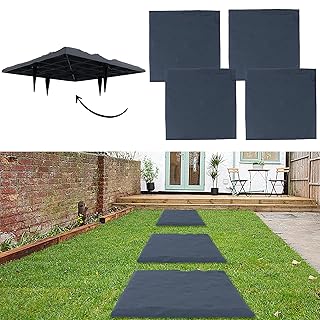
4Pcs Large Stepping Stones Outdoor Garden Walkway, Durable Plastic Paver…

DeWitt 30 Year Professional Weed Control Fabric, 3 oz, Black, 4′ x 100′ …

Outdoor Lamp Post Light Fixture Deer Pattern, Warm Amber Lampshade, Dusk…
6. Layering Textures

Creating a visually captivating garden involves layering textures. Combining different plants and materials can lead to a dynamic landscape that captures attention. For instance, tall grasses can beautifully contrast with the sharp lines of succulents, while colorful flowers add vibrant pops among lush greenery.
When layering, consider each plant’s height, shape, and color. Use taller plants as a backdrop with smaller ones in front for depth. Grouping plants with varying leaf shapes, like broad leaves next to fine foliage, can create striking contrasts that intrigue the eye.
Enhance your garden with these ideas:
– Experiment with contrasting textures to find your style.
– Mix varying plant heights for a flowing visual effect.
– Regularly assess your garden’s texture and adjust with the seasons.
Thoughtful texture layering transforms your garden into a living masterpiece that delights the senses throughout the year.
You Might Also Like


Layering Textures
Editor’s Choice

Mulctun 45LB Natural White Rocks, 1/4″-3/4″ Garden River Rock,Decorative…

Garden Tools Set, 3 Pack Heavy Duty Gardening Tools Set Include Garden S…
7. Year-Round Garden Design

Planning a year-round garden is all about considering bloom cycles and plant longevity. By combining annuals, perennials, and tropical plants, you can create a vibrant landscape that remains appealing in every season. Select plants with staggered bloom times to keep your garden colorful and engaging throughout the year.
Florida’s mild winters allow for a variety of options, including winter-blooming plants like camellias and winter jasmine, which add life during cooler months. Pair these with summer favorites like hibiscus for continuous beauty.
Here are some planning tips:
– Stagger bloom periods for ongoing interest.
– Research native and tropical species that thrive in all seasons.
– Include hardscape features that enhance aesthetics year-round.
With thoughtful planning, your garden will not only withstand Florida’s climate but also provide joy and beauty no matter the time of year.
Fun fact: In florida landscaping, you can keep color for 12 months by combining three bloom cycles—annuals, perennials, and tropicals. Stagger bloom times so camellias and winter jasmine deliver steady interest, even through mild winters.
Year-Round Garden Design
Editor’s Choice

Farmer’s Secret Soil Revitalizer (32oz) – Organic (OMRI Listed) Dirt H…

Osmocote Smart-Release Plant Food Flower & Vegetable – Continuous Releas…

MIXC 230FT Quick-Connect Drip Irrigation System Kit, Automatic Garden Wa…
Conclusion

Transforming your Florida landscape is an exciting adventure! By embracing native plants, heat-tolerant flowers, and thoughtful design elements, you can create a stunning garden that thrives in the heat while looking incredible all year round. Each idea we’ve explored offers unique opportunities to enhance your outdoor space, making it a true reflection of Florida’s vibrant beauty. It’s time to roll up your sleeves and bring these enchanting landscaping concepts to life in your backyard.
Note: We aim to provide accurate product links, but some may occasionally expire or become unavailable. If this happens, please search directly on Amazon for the product or a suitable alternative.
This post contains Amazon affiliate links, meaning we may earn a small commission if you purchase through our links, at no extra cost to you.
Frequently Asked Questions
What Are The Best Heat-Tolerant Plants For Florida Landscaping?
Florida’s heat calls for plants that can handle scorching sun and dry spells. For heat-tolerant plants and tropical plants that perform beautifully, start with a mix of natives and well-suited ornamentals. Consider Hibiscus for big tropical blooms, Bougainvillea for color with minimal water once established, and Lantana or Pentas for long-lasting flowers that attract pollinators. For foliage interest, try Crotons and Cordyline, which add tropical texture, while native Florida shrubs like Yaupon Holly or Wax Myrtle keep green year-round. Pair these with soil mulching and careful irrigation to maintain a lush look without wasting water.
Tip: match plants to sun exposure—tropicals in full sun and add shade-tolerant selections like caladiums or ferns in the hottest microclimates. This approach aligns with Florida landscaping goals and creates a resilient, year-round garden design.
How Can I Create A Drought-Resistant Landscaping Plan That Still Looks Lush In Florida?
Plan around water needs by pairing native Florida shrubs with tropical plants that tolerate heat. Design zones by sun exposure and water needs, then implement drought-resistant landscaping principles: mulch 2–4 inches deep, install drip irrigation, and amend soil to improve water retention. Build a year-round garden design with evergreen structure, seasonal blooms, and drought-tolerant groundcovers to fill gaps. Collect rainwater with a barrel to supplement irrigation during dry spells, and aim for deep, infrequent watering rather than daily sprays. These steps help keep your Florida landscaping vibrant while saving water and supporting a breathable, resilient garden.
Which Native Florida Shrubs Are Best For A Year-Round Garden Design?
Native Florida shrubs provide strong structure and year-round interest. Consider Yaupon Holly (Ilex vomitoria) for versatile evergreen screens, Wax Myrtle (Morella cerifera) for fragrant, airy foliage, and Saw Palmetto (Serenoa repens) for a classic Florida texture. Simpson’s Stopper (Myrcianthes fragrans) offers white flowers and fragrant fall color, while American Beautyberry (Callicarpa americana) adds seasonal berries that brighten winter beds. These natives pair beautifully in year-round garden design and help keep florida landscaping cohesive and resilient.
What Maintenance Tips Help Florida Landscaping Stay Vibrant Year-Round?
Keep your landscape thriving with simple, repeatable routines. Mulch beds with 2–4 inches of organic material to conserve moisture and suppress weeds. Prune after flowering to maintain airflow and shape, and deadhead spent blooms to encourage continuous color. Monitor for common pests and use integrated pest management when possible. Fertilize sparingly with a slow-release, balanced blend to support growth without encouraging disease in the heat. Water deeply and infrequently (early morning preferred) and consider a drip irrigation system for drought-resistant landscaping that still looks lush all year.
Which Plants Work Best For Sun-Loving Vs Shade Areas In Florida Landscaping?
In Florida’s sun-soaked spaces, choose true sun-lovers like Hibiscus, Bougainvillea, Lantana, Pentas, Crotons, and other tropical plants that tolerate heat and bright light. For shadier pockets, opt for Caladiums, Coleus, Ferns, and some native Florida shrubs that tolerate filtered light. If you’re aiming for a balanced look that remains vibrant year-round, mix sun-loving performers with shade-tolerant accents and rely on year-round garden design principles to keep color and texture consistent across seasons.
Related Topics
florida landscaping
tropical plants
heat-tolerant flowers
drought-resistant landscaping
native florida shrubs
year-round garden design
xeriscaping techniques
easy maintenance gardens
outdoor living
sustainable gardening
florida garden tips
beginner friendly