
Creating a beautiful garden in a high desert area can feel like a daunting task. With the intense heat and limited water supply, many may wonder how to cultivate a stunning outdoor space that thrives under such conditions. That’s why I’ve put together this guide—to inspire you with 9 high desert landscaping ideas that are not just visually appealing but also sustainable and practical for your unique environment.
If you’re passionate about gardening but often feel challenged by the climate’s demands, this post is for you. Whether you’re a seasoned gardener seeking new ways to enhance your landscape or a beginner looking to create a low-maintenance garden, you’ll find valuable tips here. You’ll learn how to incorporate drought-resistant plants and native desert flora that can withstand the harsh elements while adding beauty and functionality to your outdoor space.
Get ready to explore exciting ideas that embrace xeriscaping techniques and showcase vibrant container gardens. You’ll discover ways to create shade with native trees, design rock gardens, and even incorporate wildlife-friendly elements. By the end of this article, you’ll have a toolkit of bold, beautiful options that are built to thrive in the high desert.
Key Takeaways
– Discover drought-resistant plants that flourish in the high desert, saving you time on maintenance and water use.
– Learn about xeriscaping techniques for designing a garden that conserves water while looking stunning.
– Explore creating rock gardens that combine natural beauty with practical landscaping solutions.
– Understand how to use native trees and shrubs to provide shade and reduce energy costs.
– Find out how to make your garden inviting for local wildlife with easily incorporated friendly elements.
1. Embrace Succulents for Stunning Ground Cover
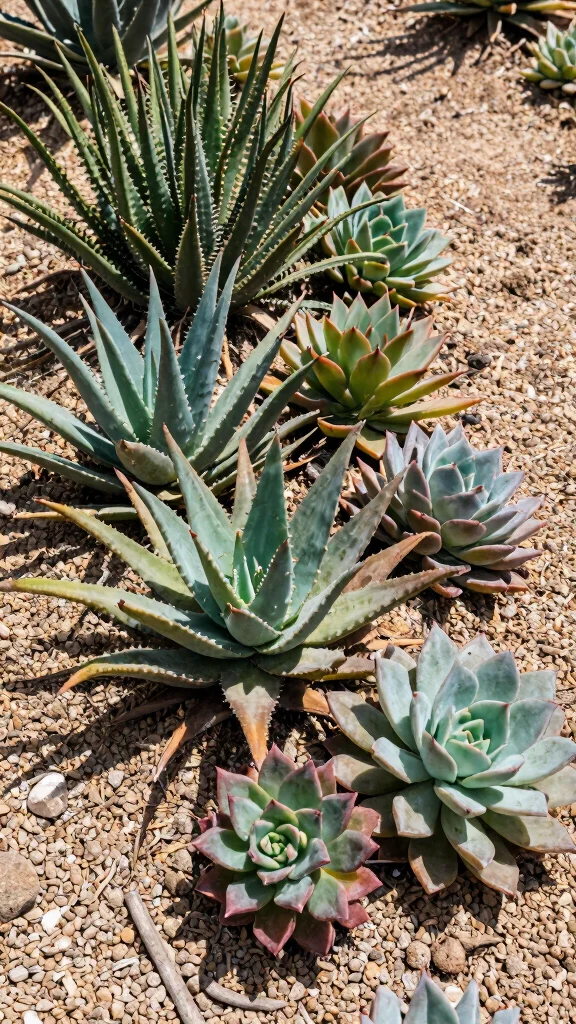
If you’re looking to elevate your high desert garden, succulents are a fantastic choice. These hardy plants not only add a splash of color but also require little water, making them perfect for this environment. With a multitude of shapes and hues, you can craft a stunning ground cover that thrives in the sun.
Group your succulents together for a striking visual effect. Varieties like ‘Blue Elf’ Aloe and ‘Perle von Nürnberg’ Echeveria are perfect for beginners, as they are easy to care for and resilient. Remember to ensure proper drainage, as this is key to their health.
Tips for planting succulents:
– Select a sunny spot with well-draining soil.
– Water thoroughly but infrequently to promote strong roots.
– Use decorative rocks to enhance the aesthetic while protecting the plants.
Utilizing succulents in your garden not only beautifies your space but also ensures a sustainable and low-maintenance landscape.
Top Varieties for Different Conditions
1. Desert Bluebell (Phacelia campanularia)
– Best conditions: Thrives in hot, dry climates with full sun.
– Key features: This native annual blooms with stunning blue flowers, attracting bees and butterflies. It’s great for ground cover and can tolerate poor soil.
– Considerations: It’s an annual, so it needs to be replanted each year.
2. Red Yucca (Hesperaloe parviflora)
– Best conditions: Works well in arid regions with full sun.
– Key features: This drought-resistant plant features tall spikes of tubular red flowers, perfect for creating height in your garden. It requires minimal water once established.
– Considerations: It can become leggy if not pruned, so regular trimming is advised.
3. Agave (Agave spp.)
– Best conditions: Ideal for hot, dry areas with well-draining soil.
– Key features: Agaves are striking, with rosettes of thick, fleshy leaves. They come in various sizes and colors, adding a dramatic element to any garden.
– Considerations: Some agave varieties can be sharp, so plant them away from high-traffic areas.
4. Desert Willow (Chilopsis linearis)
– Best conditions: Perfect for areas with full sun and little water.
– Key features: This small tree produces beautiful, fragrant flowers in pink and purple hues. It’s excellent for shade and can grow in sandy or rocky soils.
– Considerations: It requires some space to spread out and may need pruning to maintain shape.
5. California Poppy (Eschscholzia californica)
– Best conditions: Flourishes in full sun and well-drained soils, especially in dry areas.
– Key features: Known for its bright orange flowers, the California poppy is a hardy perennial that reseeds itself, ensuring a vibrant display year after year.
– Considerations: It may require supplemental watering during extreme droughts.
6. Lavender (Lavandula spp.)
– Best conditions: Grows best in hot, sunny spots with poor soil.
– Key features: Lavender brings a lovely fragrance and beautiful purple flowers, attracting pollinators. It’s also known for its low water needs once established.
– Considerations: Ensure good drainage to prevent root rot.
7. Sage (Salvia spp.)
– Best conditions: Thrives in sunny areas with well-drained soil and minimal water.
– Key features: Sage produces attractive flowers and comes in various colors, providing excellent ground cover. It’s also a favorite of pollinators.
– Considerations: Some varieties may spread quickly, so monitor their growth.
Climate/Condition Guide:
Consider the climate in your area when selecting plants. Here’s a quick guide:
– Hot/Dry: Look for drought-resistant plants like desert bluebell and red yucca.
– Temperate: Choose varieties that can handle some humidity, like lavender.
– Sandy Soil: Agaves and sage can thrive in these conditions.
– Rocky Soil: Desert willow is a great choice, as it adapts well to various soil types.
– Limited Water: Opt for low-maintenance options like California poppy and sage.
Growing Tips:
– Water deeply but infrequently to encourage deep root growth.
– Mulch around your plants to retain moisture and reduce weeds.
– Group plants with similar water needs together for easier maintenance.
Avoid:
– Overwatering, as many drought-resistant plants are prone to root rot.
– Planting non-native species that may not thrive in your specific conditions.
Embrace Succulents for Stunning Ground Cover
Editor’s Choice

Succulent Cactus Potting Soil Mix (2 qt), All-Purpose Garden Potting Mix…


BEADNOVA Squeeze Plant Watering Bottle 250ml 8oz Small Wash Bottle Squee…

Virekm Landscaping Pebbles, River Rocks Decorative Ornamental Pebbles Ga…
2. Xeriscaping: The Art of Drought-Resistant Gardening

Xeriscaping is an effective method for creating a beautiful garden in dry regions. By choosing plants that thrive on minimal water, you can save resources without sacrificing beauty. This approach allows you to enjoy a vibrant outdoor space with less effort.
Begin by evaluating your garden’s layout and identifying areas with different sunlight and drainage conditions. Select native plants like desert marigold and agave that naturally flourish in your climate. These choices will not only provide color but also create a resilient landscape.
Key elements of successful xeriscaping:
– Opt for native plants that require less water.
– Group plants based on their watering needs.
– Utilize efficient irrigation systems like drip irrigation to conserve water.
Xeriscaping promotes not just water conservation but also allows for a creative and dynamic garden design that showcases the beauty of your environment.
Xeriscaping: The Art of Drought-Resistant Garde…
Editor’s Choice

Rain Bird LNDDRIPKIT Drip Irrigation Landscape/Garden Watering Kit with …

Drought Resistant Wildflower Seeds – 1oz, Open-Pollinated Bulk Flower Se…
3. Rock Gardens: Natural Beauty Meets Functionality

Rock gardens are an eye-catching way to enhance your high desert landscape while providing practical benefits. They not only look beautiful but also help with drainage and temperature regulation, making them perfect for dry climates.
Start by selecting a mix of rocks in various sizes and shapes. Pair them with native plants like creeping thyme and sedum that thrive in rocky settings. This combination creates a beautiful contrast that adds depth to your garden.
Tips for building a rock garden:
– Choose drought-resistant plants that suit your climate.
– Arrange rocks to mimic natural formations for shelter and interest.
– Create gravel pathways for easy maintenance access.
A well-crafted rock garden not only serves as a stunning focal point but also showcases the natural beauty of your desert surroundings.
Rock Gardens: Natural Beauty Meets Functionality
Editor’s Choice

DUSPRO Succulents Soil Potting Mix – 7 in 1 Ingredients Well-Draining,…

20000+Creeping Thyme Seeds for Planting Outdoor-Heirloom Thymus Serpyllu…

GASPRO 15lb Natural River Rocks Decorative Rocks for Plants and Garden L…
4. Create Shade with Native Trees and Shrubs
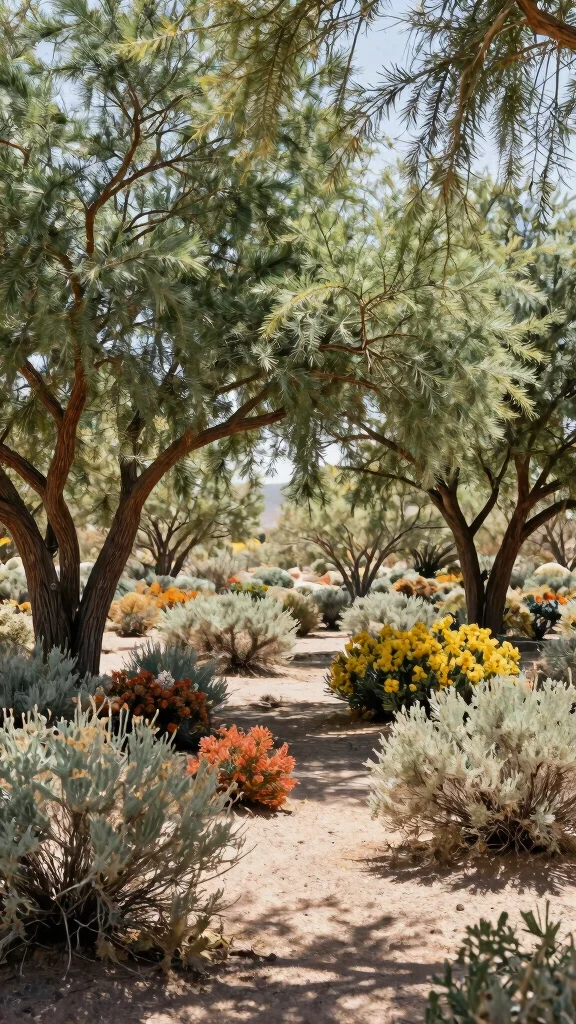
Shade is essential in high desert gardens for both comfort and plant health. Native trees and shrubs can provide the necessary cover while enhancing your garden’s aesthetic. Consider adding species like desert willow or mesquite that thrive in arid conditions.
These trees not only create shade but also attract birds and pollinators, enriching your garden’s ecosystem. Pay attention to the mature size of these plants to ensure they complement rather than overshadow your other plants.
Tips for selecting trees and shrubs:
– Use native varieties that thrive in your local climate.
– Space plants to allow for growth and airflow.
– Mix different heights for added visual interest.
By incorporating native trees and shrubs, you create a sustainable, beautiful environment that thrives in harmony with nature.
Create Shade with Native Trees and Shrubs
Editor’s Choice

Dry Climate Gardening: Growing beautiful, sustainable gardens in low-wat…

Desert Tree Finder: Identifying Trees and Tree-Like Cacti of the Desert …

Perovskia atriplicifolia (Russian Sage) Perennial, purple flowers, 1 – S…
5. Vibrant Container Gardens for Versatility

Container gardening is an exciting way to infuse color and life into your high desert landscape. With pots and planters, you can creatively combine drought-resistant plants, allowing for flexibility in your garden design. Plants like succulents and native wildflowers thrive in containers, offering versatile placement options.
Choose materials like terracotta or stone that blend with your outdoor space. Experiment with different sizes and shapes for visual appeal, and consider layering plants to create depth and interest.
Tips for successful container gardening:
– Employ well-draining potting soil to avoid root rot.
– Group containers for a cohesive design.
– Add decorative stones for texture and style.
Container gardens not only beautify your space but also give you the chance to refresh your garden seasonally, keeping it vibrant and engaging year-round.
Fun fact: In high desert landscaping ideas, three well-placed containers with drought-tolerant natives can bloom color all season. A layered mix in terracotta or stone uses space efficiently and cuts water use by up to 40%.
You might also like

Vibrant Container Gardens for Versatility
Editor’s Choice

YISZM 2LB Succulent and Cactus Gravel Pebbles, 1/5 Inch Natural Decorati…

1000 pcs Kalanchoe blossfeldiana Seeds – Vibrant Blooming Drought Resist…
6 Pack 6 Inch Terracotta & Clay Pots with Saucer for Plants, Large Terra…
6. Water Features: A Refreshing Oasis

Adding water features to your high desert garden can create a refreshing oasis that contrasts beautifully with the surrounding landscape. Small ponds, fountains, or dry creek beds can enhance your garden’s ambiance while attracting wildlife.
Utilize recirculating systems to conserve water. A simple fountain surrounded by drought-resistant plants can become a serene retreat, providing soothing sounds and a tranquil atmosphere.
Tips for adding water features:
– Choose low-maintenance designs that fit your garden’s style.
– Surround water features with humidity-loving plants like bulbine.
– Position features for maximum visibility and enjoyment.
A well-placed water feature enriches your garden, creating a lively habitat for birds, butterflies, and beneficial insects.
📹 Related Video: Vanishing Waterfalls Easy DIY Planter Pot Fountain
Water Features: A Refreshing Oasis
Editor’s Choice

The Southwest Native Plant Primer: 235 Plants for an Earth-Friendly Garden

Bits and Pieces – Stepping Stones Outdoor Walkway – 12″ River Rock Lands…
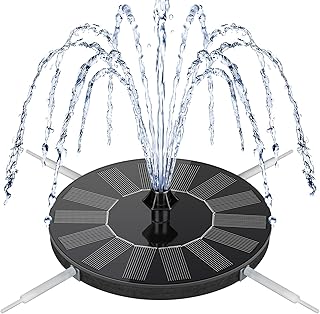
Mademax Solar Bird Bath Fountains, Upgrade 1.4W Solar Fountain Pump with…
7. Pathways and Hardscaping: Functional Beauty

Creating pathways in your high desert garden enhances both functionality and beauty. Using materials like gravel or flagstone produces durable, low-maintenance walkways that integrate seamlessly into the landscape.
Design winding paths that invite exploration and guide visitors through your garden. Use natural stone borders to define pathways while maintaining an organic feel.
Tips for designing pathways:
– Ensure pathways are wide enough for easy navigation.
– Incorporate curves for visual interest.
– Surround paths with low-growing plants for a softer look.
Well-placed pathways not only improve accessibility but also add charm and character to your high desert landscape.
Pathways and Hardscaping: Functional Beauty
Editor’s Choice

Arcadia Garden Products Set of 4, 16×17” Dark Gray Stepping Stone Fibe…

EasyFlex No-Dig Landscape Edging with Anchoring Spikes, 2.7 in Tall Deco…

40 LBS Grey Pea Gravel – Landscape Rocks – Drainage Rock – Gardening – A…
8. Raised Beds: Efficient and Aesthetically Pleasing

Raised beds offer a practical solution for high desert gardening, combining efficiency with visual appeal. Elevating your planting area enhances drainage and soil quality, making it easier to care for your plants.
Consider building raised beds with weather-resistant materials like cedar or reclaimed wood. Fill them with a mix of native plants and vegetables that enjoy your local climate. The height allows for better soil management and easier access for gardeners.
Tips for creating raised beds:
– Vary heights for added visual interest.
– Create pathways for easy access between beds.
– Mix soil types to foster healthy plant growth.
With raised beds, you can cultivate a functional, eye-catching garden that highlights the beauty of high desert flora.
Fun fact: Raised beds can improve drainage by up to 30% in high desert landscaping ideas, reducing soil compaction and watering needs. Build them with cedar or reclaimed wood, and watch native plants and vegetables thrive with less effort.
You Might Also Like

Raised Beds: Efficient and Aesthetically Pleasing
Editor’s Choice

Maple99 Raised Garden Bed with Legs 48x24x30 – Natural Cedar Wood Elevat…

Rain Bird DRIPKITBAG Drip Irrigation Repair and Expansion Kit

Espoma Organic Raised Bed Mix – All Natural and Organic Potting Soil Mix…
9. Incorporate Wildlife-Friendly Elements

Creating a wildlife-friendly garden enriches local ecosystems and adds life to your high desert landscape. By adding elements that attract birds, butterflies, and beneficial insects, you can transform your garden into a vibrant habitat.
Plant native flowers and shrubs to naturally draw in pollinators. Consider placing bird feeders, watering stations, or insect hotels to encourage wildlife visits.
Tips for creating a wildlife-friendly garden:
– Plant a variety of native species that bloom at different times.
– Minimize pesticide use for a safer environment.
– Include sheltered areas for wildlife to rest and breed.
By fostering a wildlife-friendly landscape, your garden can thrive in harmony with nature, showcasing its true beauty and essence.
Did you know native flowers attract up to 70% more pollinator visits in high desert landscaping ideas? Plant a mixed bed of local shrubs and nectar-rich natives, and add bird feeders or insect hotels to invite wildlife daily.
Incorporate Wildlife-Friendly Elements
Editor’s Choice

Lulu Home Wooden Insect House, Hanging Insect Hotel for Bee, Butterfly, …

Burpee Wildflower 25,000 Bulk, 1 Bag, 18 Varieties of Non-GMO Flower See…

Youvip Metal Roof Bird Feeder – Chew Proof for Outdoor Hanging Wild Bird…
Conclusion

High desert landscaping is about embracing the beauty of nature while creating sustainable, drought-resistant gardens that thrive in harsh conditions. By integrating innovative techniques and diverse native plants, you can transform your outdoor space into a bold and beautiful oasis.
Whether you opt for xeriscaping, rock gardens, or vibrant container arrangements, your high desert landscape can flourish beautifully while supporting the local ecosystem. Start your journey towards a low-maintenance and stunning garden today, and watch as it becomes a source of pride and joy.
Note: We aim to provide accurate product links, but some may occasionally expire or become unavailable. If this happens, please search directly on Amazon for the product or a suitable alternative.
This post contains Amazon affiliate links, meaning we may earn a small commission if you purchase through our links, at no extra cost to you.
Frequently Asked Questions
What are some bold, low-water high desert landscaping ideas I can try?
Ready to transform your yard with water-wise beauty? Here are some high desert landscaping ideas that are bold, beautiful, and built to thrive.
Start with drought-resistant plants native to your region and group them by water needs to improve efficiency. Use xeriscaping techniques like drip irrigation, soil mulching, and strategic stone or gravel features to reduce evaporation.
Incorporate touches of native desert flora for year-round color and texture, and design for low-maintenance gardens by minimizing lawn space and choosing durable textures (rock, gravel, mulch) that age well.
Tip: plan in layers—groundcovers, mid-height shrubs, and tall accents—to create depth while keeping water use in check.
How do I select drought-resistant plants for a high desert garden?
Picking the right plants starts with understanding sun, wind, and drainage in your microclimate. Look for drought-resistant plants and native desert flora suited to your soil type, then check mature size and water needs. Consider options like agave, yucca, desert willow, and brittlebush, and pair them with complementary textures for year-round interest. Install with well-draining soil, add a 2-3 inch mulch layer to reduce evaporation, and set up a xeriscaping techniques irrigation plan (drip lines close to roots).
Pro tip: choose plants that are native to your high desert region for the best long-term success and minimal maintenance.
What xeriscaping techniques work best in a high desert landscape?
Xeriscaping is your friend in the high desert. Start with soil prep that improves drainage, then allocate water by grouping plants with similar needs. Use xeriscaping techniques like drip irrigation, mulch, and decorative rock to conserve moisture. Create microhabitats with shade cloth or small structures, and design with sunlit and shaded spots to extend color. Automate irrigation with a weather-based controller and avoid overwatering. Finish with a drought-friendly palette of drought-resistant plants and native desert flora.
Bonus: use mulch to insulate roots in winter and reflect harsh heat in summer.
Are there low-maintenance garden ideas in high desert environments?
Absolutely. The easiest route is to embrace native plants and reduce lawn space, which directly lowers maintenance. Focus on low-maintenance gardens that require minimal watering, pruning, and mowing. Replace turf with mulch, pea gravel, or native groundcovers, and add hardscape like stone paths for beauty with little upkeep. Choose evergreen shrubs and perennials that bloom across seasons to keep interest without heavy pruning. Install a simple xeriscaping techniques irrigation system and let nature do the work.
Top tip: plan zones for sun and shade to minimize heat stress and keep plants thriving with less fuss.
How can I ensure sustainable landscaping solutions that support native wildlife in hot deserts?
Sustainable landscaping means more than water savings—it’s about ecosystems. Plant a diverse mix of native desert flora to feed pollinators and wildlife, and provide year-round nectar with staggered bloom times. Use low-maintenance gardens features that still invite birds and beneficial insects, like shallow water sources and shelter. Capture and reuse rainwater where possible, and compost yard waste to nourish soil. Avoid invasive species and choose native species adapted to heat and drought as part of sustainable landscaping solutions.
Pair with a smart irrigation plan and minimal lawn to reduce runoff and save resources, while keeping the landscape lively for wildlife.
Related Topics
high desert landscaping
drought-resistant plants
xeriscaping techniques
native desert flora
low-maintenance gardens
sustainable landscaping
beginner friendly
water-wise gardening
rock garden design
desert garden ideas
eco-friendly landscaping
seasonal planting